@mackenziealtig
Instagram · 10 Shot
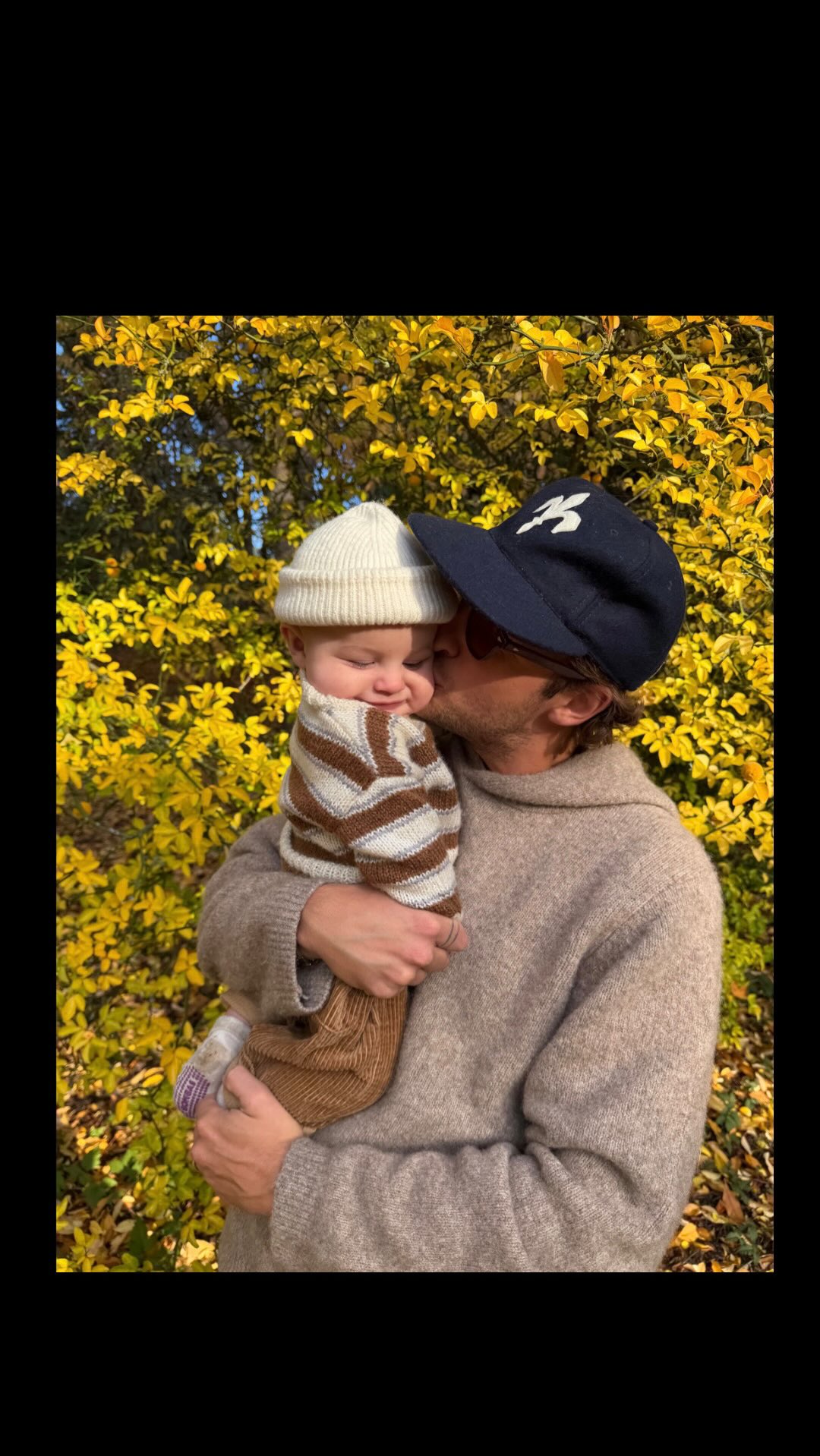
@mackenziealtig If only we knew back then what our life would look like now🥹

@mackenziealtig
Instagram · 10 Shot
@mackenziealtig If only we knew back then what our life would look like now🥹
Performance
Video #14771 · 10 Shot
[01]
The creator presents a two-part montage. The first part shows her partner as a new, loving father, under the text 'Who he thought I saw.' The second part flashes back to their adventurous and romantic life as a couple before the baby, under the text 'Who I actually saw,' to convey that his identity as her partner remains central to her.
[02]
[03]
 1.6M4.8×Personal relationship journey montage@gracebeverley · Origin Story
 1.2M3.5×Couple's relationship journey montage@annaxsitar · Evolution Showcase
 770.2K74.7×Romantic monologue with text context@clauddworld · Vulnerable Monologue
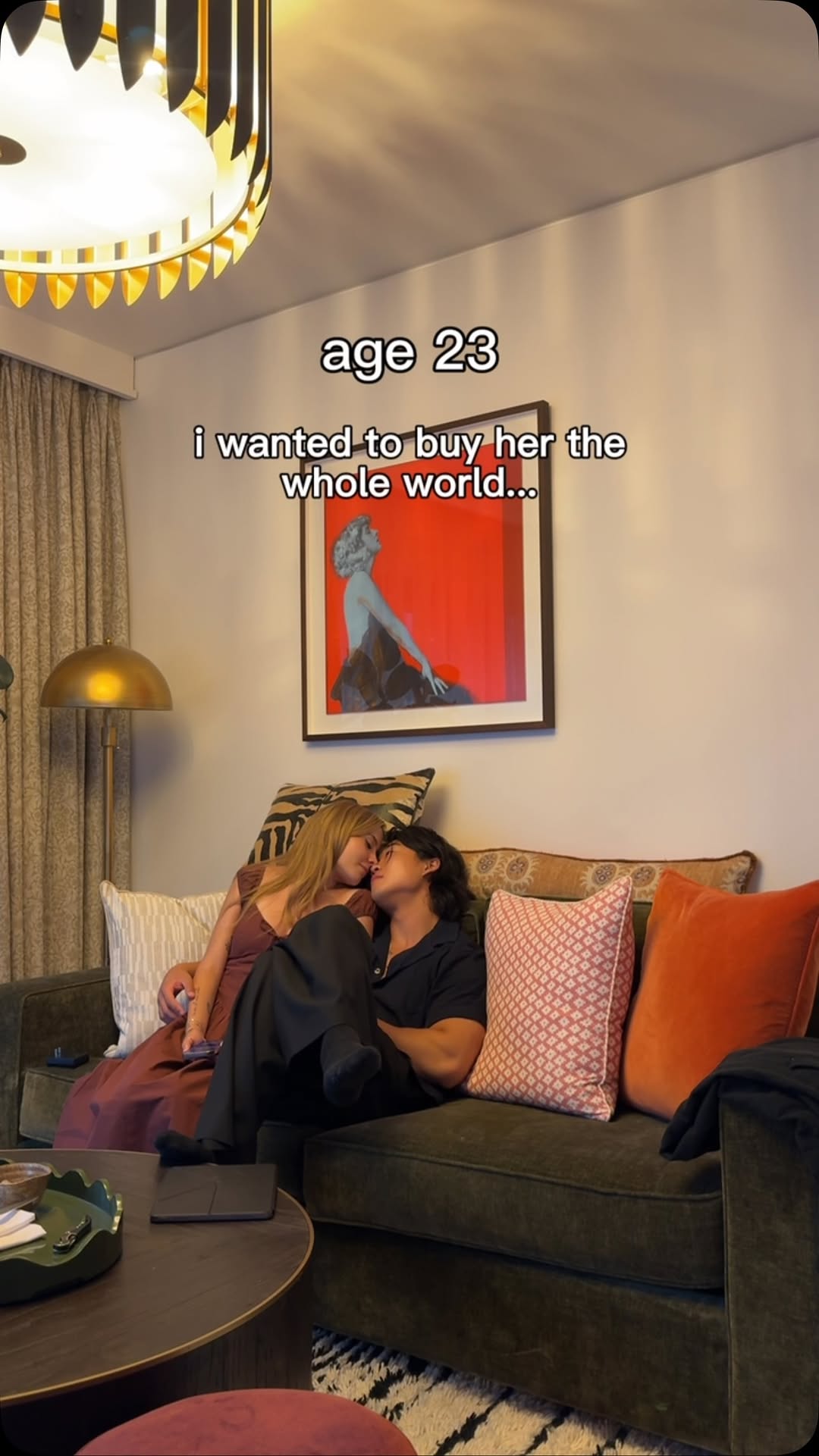 6.9M95.6×Personal growth story through montage@jun_yuh · Origin Story
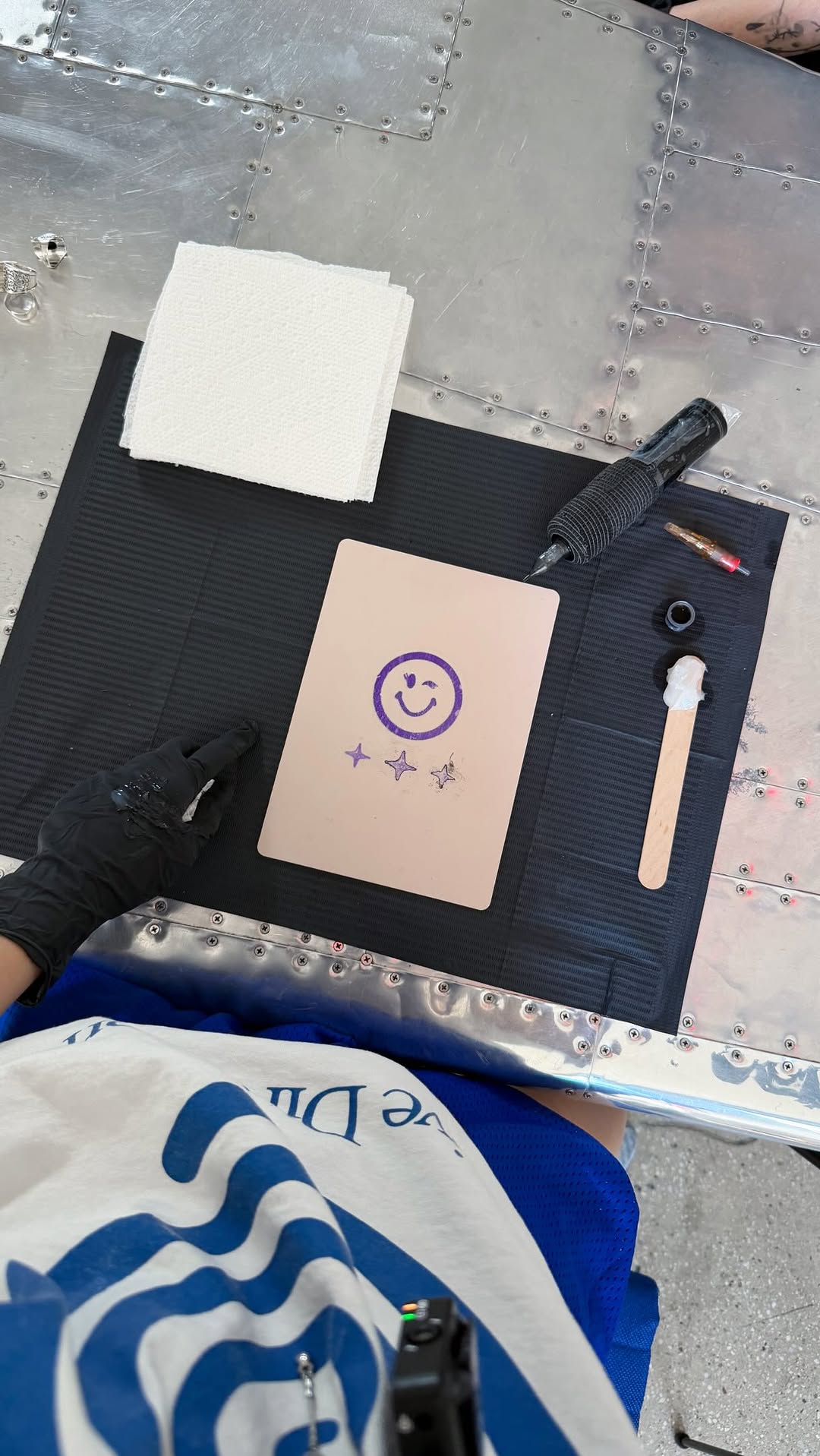 7M210.2×Text overlay tells romantic story@karocrafts · Relatable One Shot
 762.4K4.1×Near breakup to marriage proposal@bradjcho · Origin Story
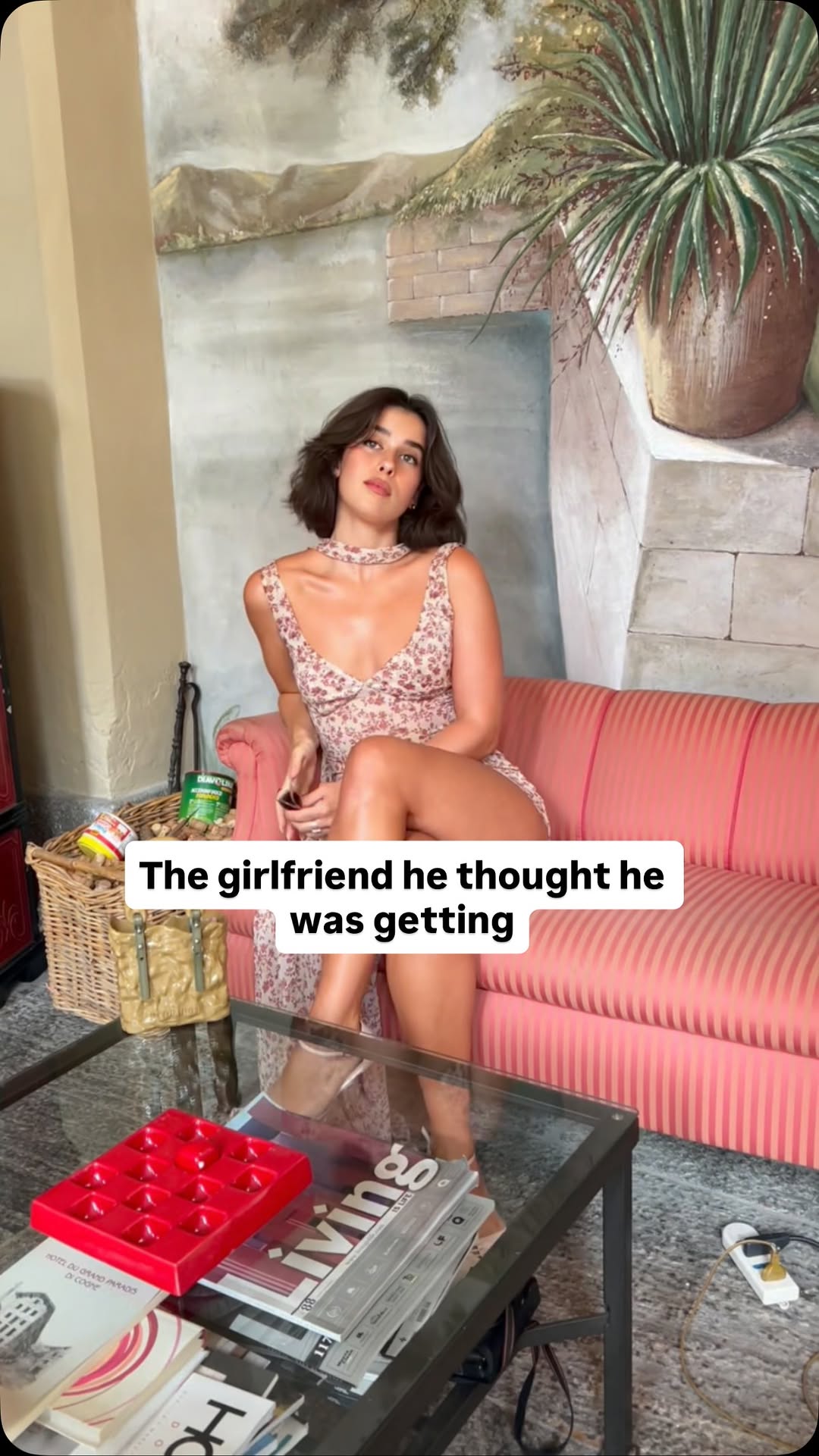 1.1M1.5×Expectation vs reality girlfriend montage@mimikarp · Relatable Scenario
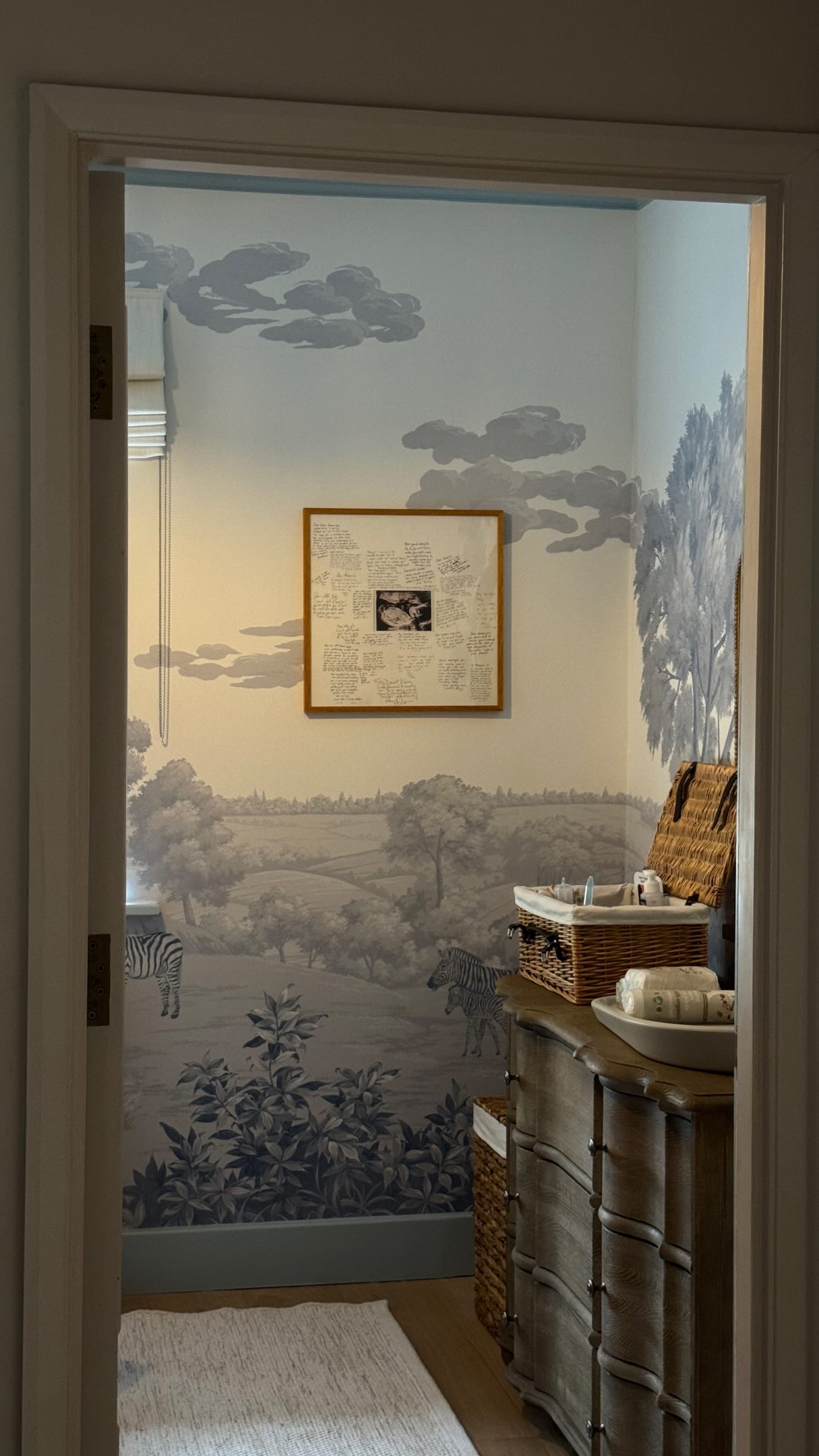 1.1M2.8×Speech narrates family's origin story.@gracebeverley · Journey Documentation
 2M7.2×Relatable thought about partner reveal@gracebeverley · Relatable One Shot
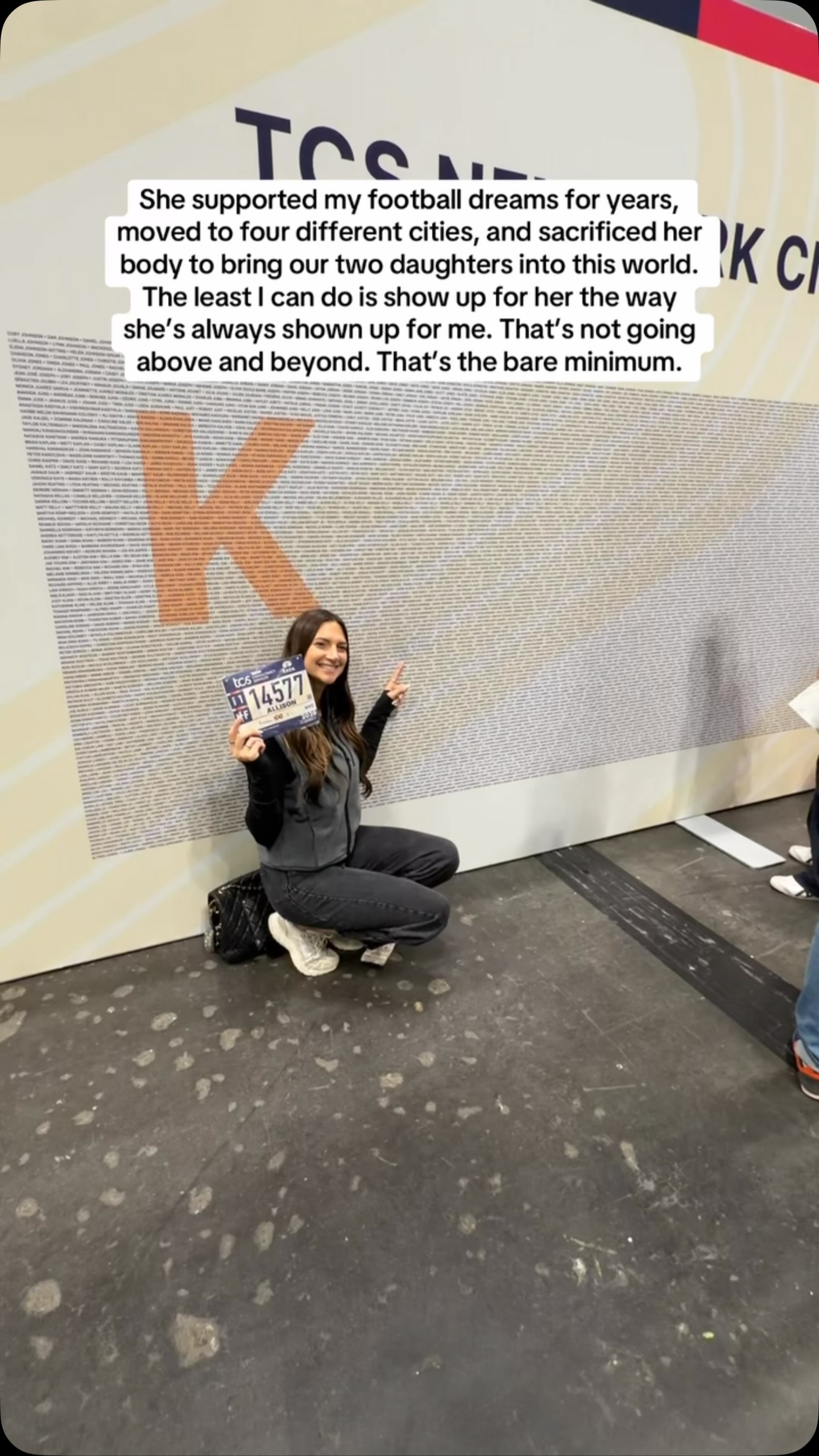 572.3K11.1×Text story of mutual support@isaacrochell · Vulnerable Monologue
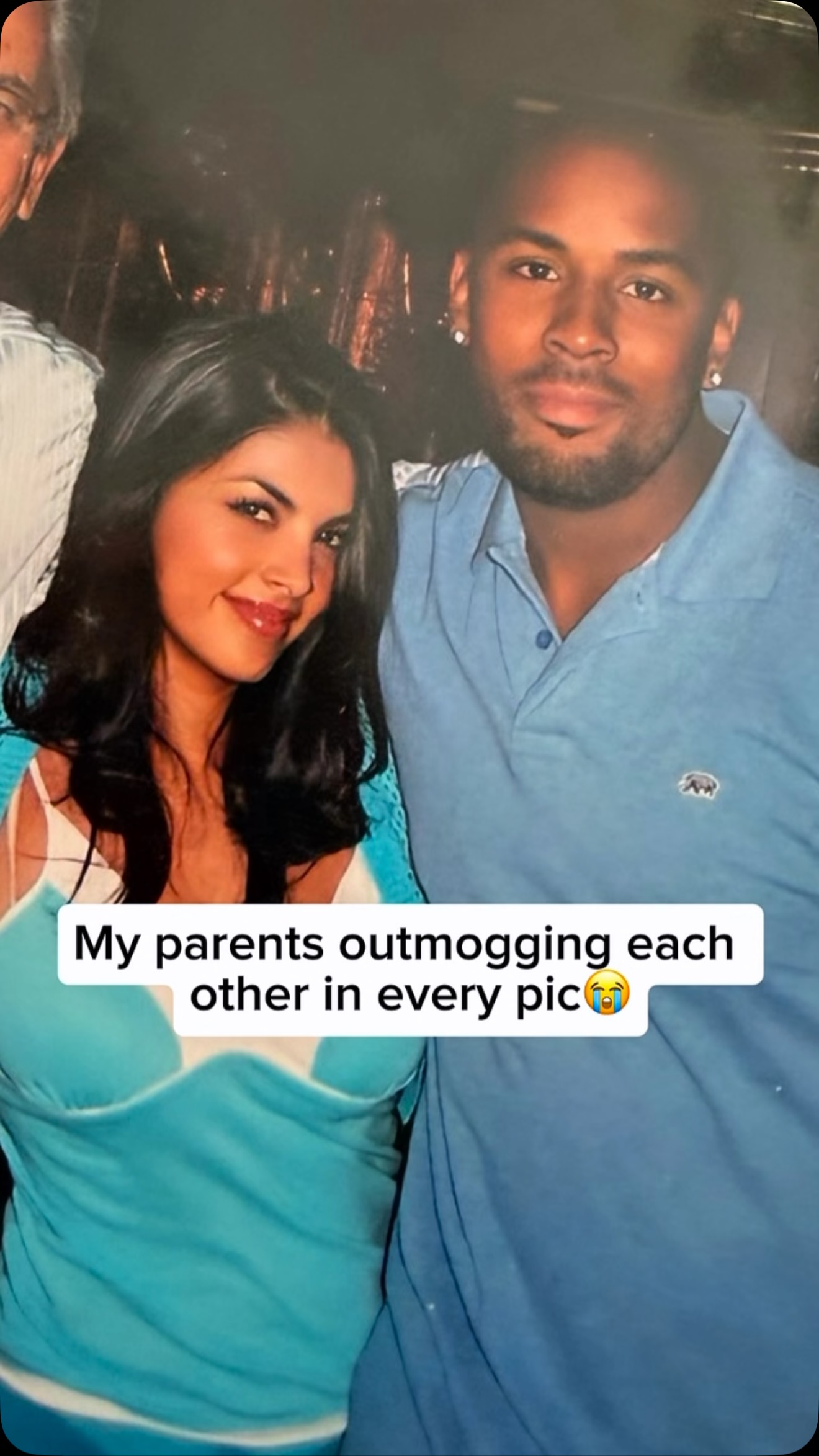 7.7MPhoto slideshow of attractive parents@lex.alexander21 · Evolution Showcase
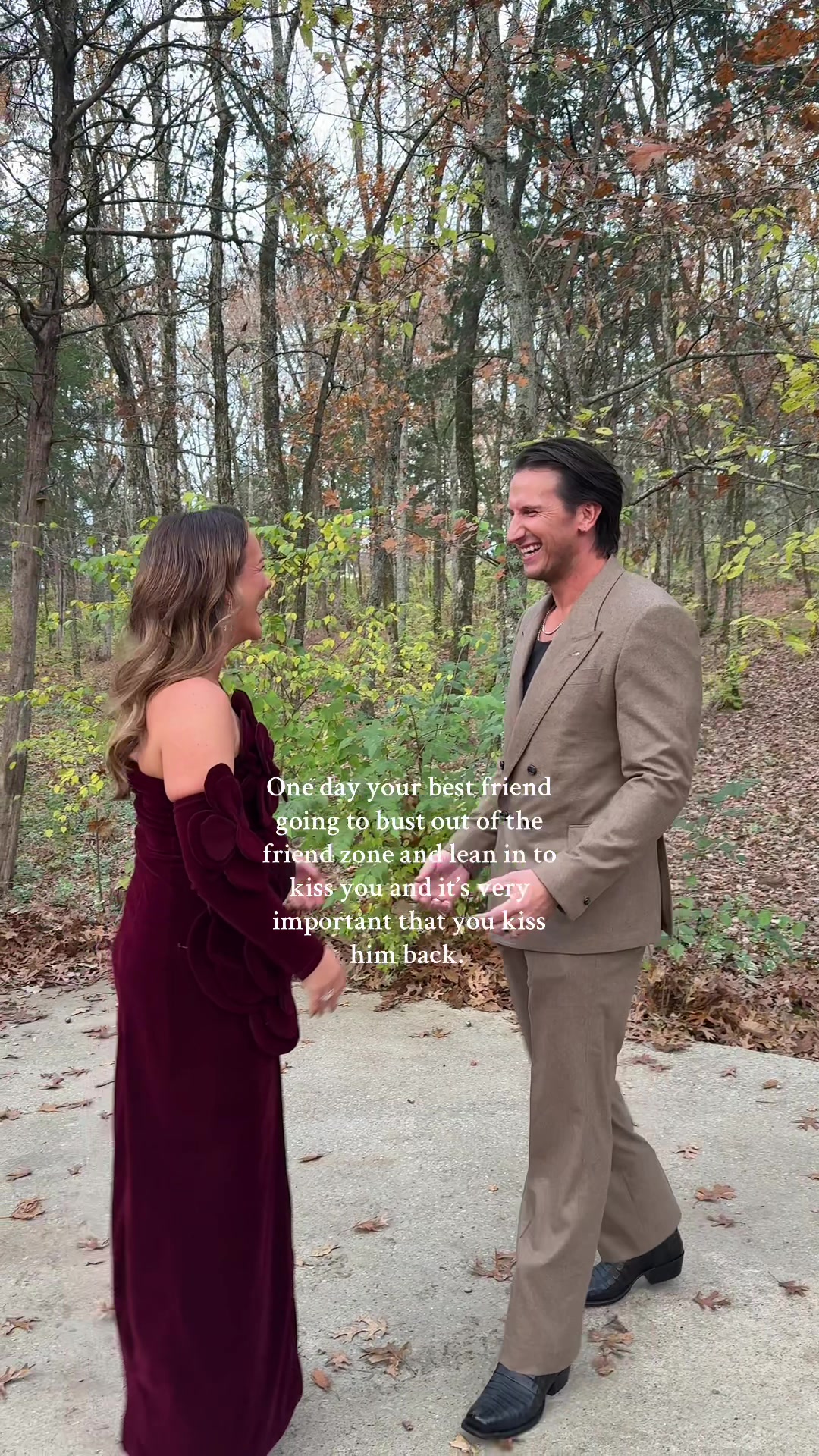 245.3K3.4×Romantic couple first look moment@kaileydickerson · Milestone Moment Showcase
[04]
[05]
What stops the scroll in the first 3 seconds
Title hook · 65%
Who he thought I saw when he became a dad
Visual hook · 35%
A man silhouetted against a bright hospital window, tenderly holding a newborn baby. The scene is emotionally charged and immediately establishes the theme of new fatherhood.
[06]
Steal this for your own video
Who thought I saw when —and who I actually saw.
[07]
The promise the opener makes, and how the video pays it back
Hook
An on-screen text overlay establishes a premise from a third-person perspective, creating a question about how a person is perceived after a major life change: 'Who [he/she] thought I saw when [event happened]'.
Payoff
The final sequence delivers the emotional resolution by showing that the core identity and the original relationship dynamic have not been replaced by the new role, but rather coexist with it, satisfying the viewer's desire for enduring connection.
[08]
The structural pattern this video runs on
Framework
The Enduring Identity Framework
To create an emotional contrast between a person's new, role-based identity and their enduring, core identity from the perspective of a loved one, using a bait-and-switch montage structure.
The Persona Montage
A montage of clips visually defines and reinforces the subject's new identity or role. The clips are thematically consistent and set to music that matches the tone of this new persona (e.g., gentle, serious, professional).
The Narrative Pivot
A sharp transition marked by a new text overlay that directly refutes or clarifies the initial premise, such as 'Who I actually saw'. This is accompanied by a distinct change in the musical score to signal a shift in emotion and perspective.
The Core Identity Montage
A second montage of clips reveals the subject's enduring, true self, showcasing memories and personality traits that exist outside of their new role. This montage provides the emotional counterpoint to the first.
If only we knew back then what our life would look like now🥹
title · beginning
Who he thought I saw when he became a dad
title · middle
Who I actually saw