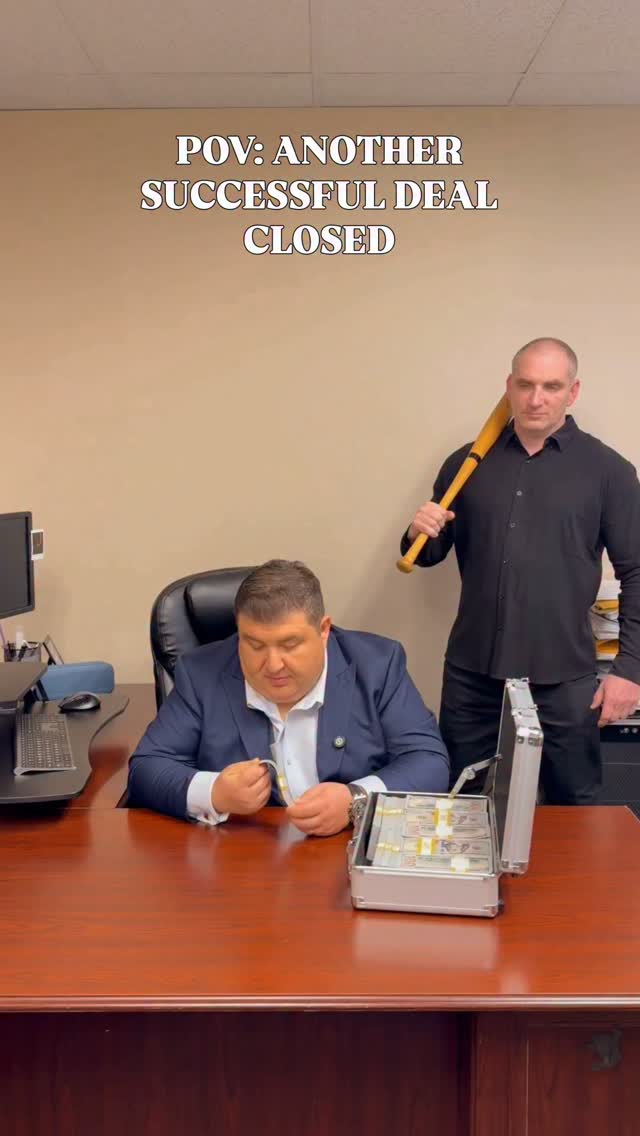
Address a common misconception or stereotype about a profession or identity by first acknowledging it, then humorously dismantling it using the practical logic of that same profession, thereby establishing authority and relatability.
- 1
The Direct Accusation
An off-screen voice explicitly states the stereotype or misconception, acting as a proxy for the audience's unspoken thoughts and putting the character on the spot.
- 2
The Casual Deflection
The main character dismisses the accusation with mild exasperation, positioning it as a familiar and incorrect assumption, which builds rapport.
- 3
The Professional Re-Assertion
The character clearly states their actual role or identity, creating a direct contrast with the stereotype and setting the stage for the reframe.
- 4
The Stereotype Litmus Test
The off-screen voice escalates by asking a specific, often graphic question that is a direct and logical consequence of the stereotype, forcing a direct confrontation with the misconception.
- 5
The Pragmatic Reframe
The character denies the premise of the test question, not on moral grounds, but by explaining how it contradicts the practical, logical goals of their actual profession. This subverts expectations and serves as the narrative's punchline.