Video #17198 · Split screen
Brand origin story with narrationfrom @levysky.marketing
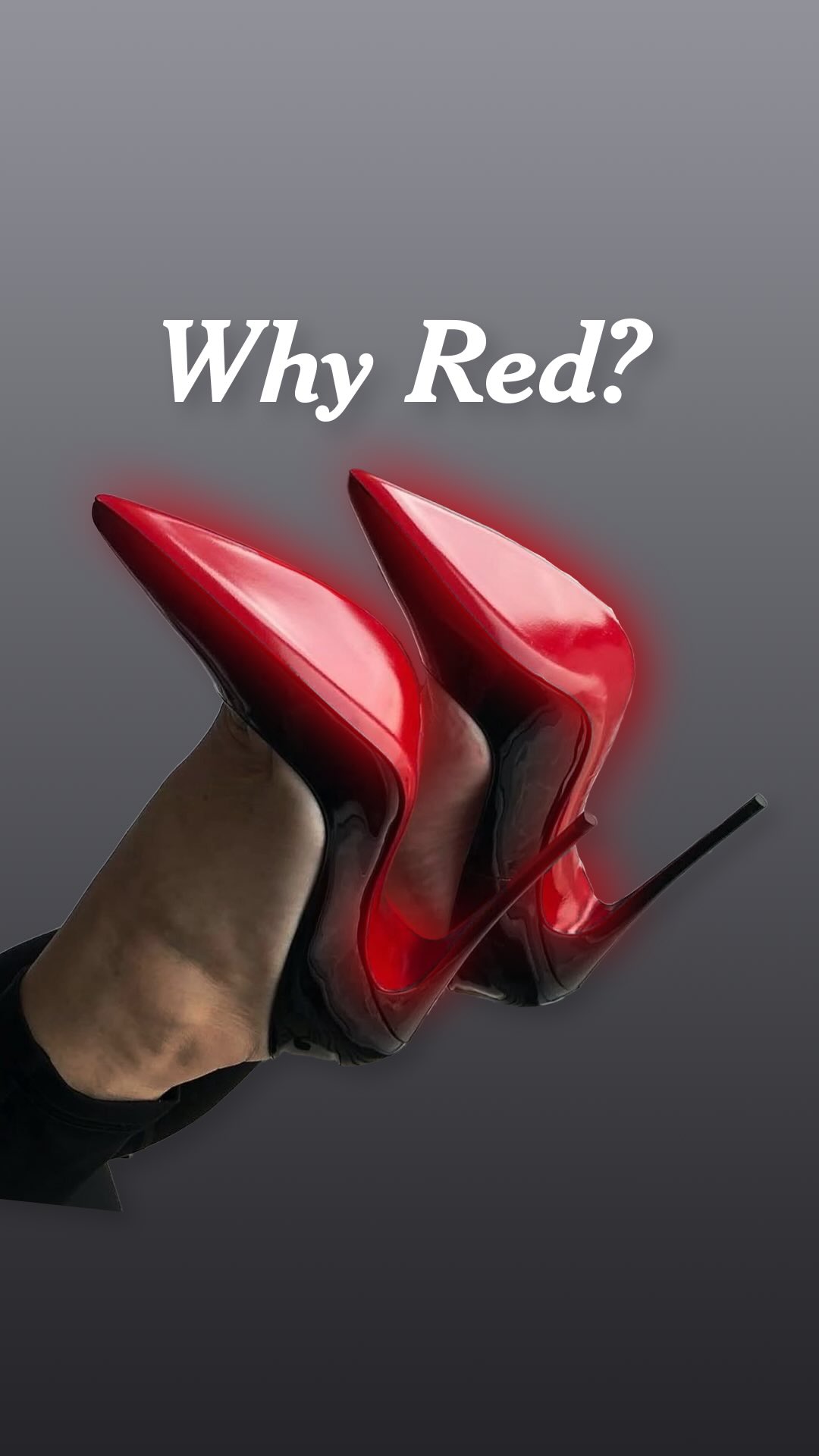
A narrator, appearing in a picture-in-picture overlay, tells the origin story of Christian Louboutin's iconic red soles, explaining how the designer was inspired by his assistant's red nail polish to paint the sole of a prototype shoe in 1992, a decision that became the brand's signature.
- 1Pose iconic question
- 2Introduce creative conflict
- 3Reveal serendipitous solution
- 4Solidify legendary status
ConceptsOrigin StoryBreakdownStrange but True
ElementsB-Roll CutawayText OverlayPicture-in-PictureMontage Editing
[05]
Hook analysis
What stops the scroll in the first 3 seconds
Title hook · 15%
WHY
Verbal hook · 50%
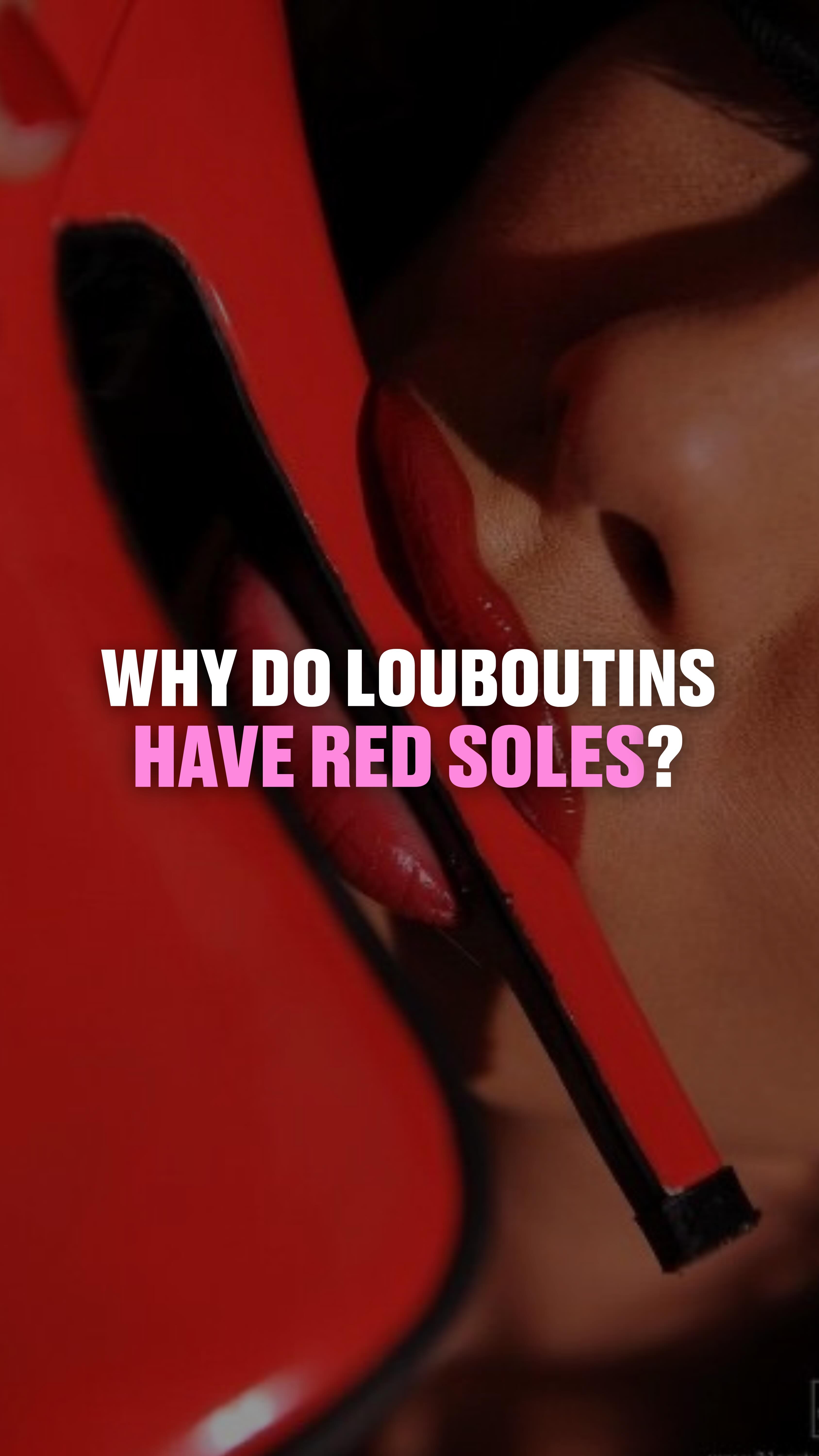
Why do Louboutins have red soles?
Visual hook · 35%
An extreme close-up of a woman's hands holding a vibrant red Louboutin shoe sole and peeling off a protective sticker.
[06]
Hook template
Steal this for your own video
Why do [iconic product or brand detail] [exist or work the way they do]?
- — Why do Starbucks cups always have your name written on them?
- — Why do luxury cars have that new car smell when you first buy them?
- — Why do casinos never have clocks on their walls?
[07]
Hook and payoff
The promise the opener makes, and how the video pays it back
Hook
A direct question that leverages the audience's familiarity with an iconic subject to create an immediate curiosity gap about its origin.
Payoff
The Legendary Result, which reveals that the decisive act was the birth of the iconic feature, providing a satisfying and memorable conclusion that transforms the audience's understanding of the subject.
[08]
Narrative framework
The structural pattern this video runs on
Framework
The Serendipity Origin Story
This framework reveals the 'secret history' of an iconic product, idea, or feature by narrating how a moment of creative crisis was solved by a spontaneous, unexpected act of inspiration.
- 1
The Origin Context
Establishes the initial state of creation, setting the time, place, and protagonist to ground the story in a specific moment.
- 2
The Creative Disappointment
Introduces a problem where the initial execution of an idea falls short of the creator's vision, creating narrative tension and a need for a solution.
- 3
The Serendipitous Spark
Presents a seemingly random or unrelated observation from the immediate environment that provides the key insight for the solution.
- 4
The Decisive Act
The protagonist takes a bold, impulsive, and often unconventional action based on the newfound inspiration, serving as the story's climax.
Themes
- Creativity
- Brand identity
- Inspiration
Techniques
- Storytelling
- Picture-in-picture
Trends
- Brand storytelling
- Explainer video
Post caption
✨ Ever wondered why Louboutins have those iconic red soles?
ㅤ
It all started in 1992 with a flash of inspiration—when a simple swipe of red nail polish turned a beautiful shoe into a legend. 💅👠
ㅤ
One bold move. A timeless signature. 🔥
ㅤ
👉 Watch the full story in our Reel and let me know: What’s your favorite brand signature?
Text overlays
title · beginning
WHY
contextual · beginning
LOUBOUTINS
contextual · beginning
IT
contextual · beginning
1992
contextual · beginning
CHRISTIAN
contextual · beginning
DESIGNED
contextual · middle
HIGH
contextual · middle
PROTOTYPE
contextual · middle
ARRIVED
contextual · middle
WRONG
contextual · middle
SOLE
contextual · middle
LOOK
contextual · middle
DULL
contextual · middle
ORIGINAL
contextual · middle
THAT'S
contextual · middle
NOTICED
contextual · middle
PAINTING
contextual · middle
BRIGHT
contextual · end
IMPULSE
contextual · end
NAIL
contextual · end
THE
contextual · end
BOLD
contextual · end
SIGNATURE
Transcript
Why do Louboutins have red soles? It all started in 1992. Christian Louboutin had designed a beautiful high heel, but when the prototype arrived, something felt wrong. The black sole made the shoe look heavy, dull, nothing like his original sketch. That's when he noticed his assistant painting her nails a no the shoe and became the brand's signature.