@sendybenji
Instagram · Vlog
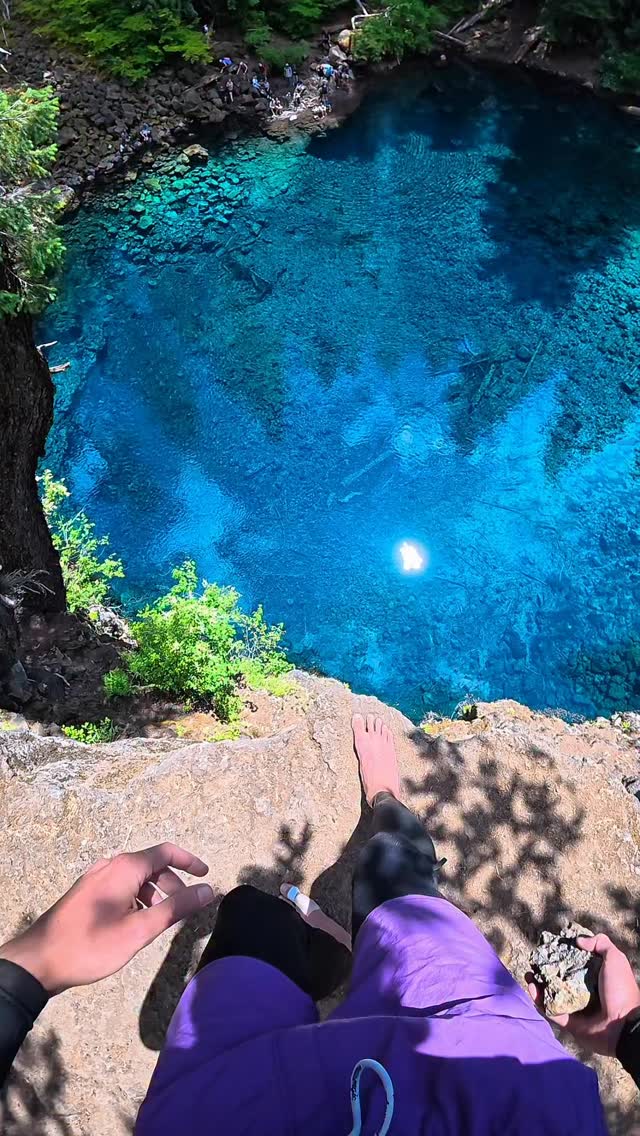
@sendybenji Why do cliff jumpers throw rocks? Shot on the DJI Osmo Action 6 📸 . . #dji #osmoaction6 #osmoaction5pro #cliffjumping #sendit

@sendybenji
Instagram · Vlog
@sendybenji Why do cliff jumpers throw rocks? Shot on the DJI Osmo Action 6 📸 . . #dji #osmoaction6 #osmoaction5pro #cliffjumping #sendit
Performance
Video #17954 · Vlog
[01]
The creator poses the question of why cliff jumpers throw rocks before a jump, debunks the common myth about breaking surface tension, and then provides three distinct, real-world examples from his own jumps to explain the actual reasons: to better gauge the water's surface and to check the trajectory for a safe landing.
[02]
[03]
 88.9K1×Cinematic voiceover montage life lesson@therealdanielpark · Anecdotal Philosophy
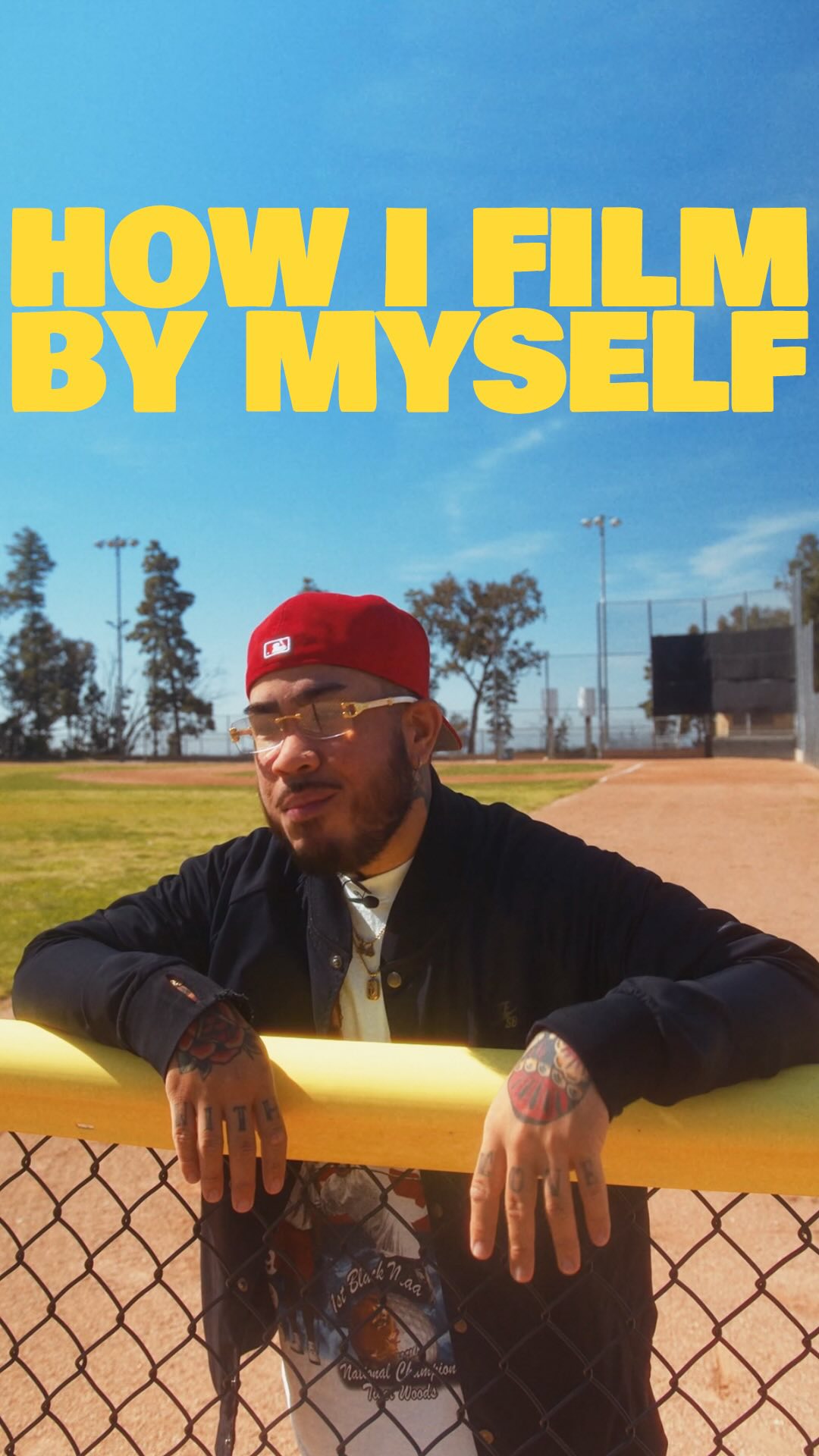 354K1.1×Guide to filming yourself in public@omgadrian · Motivational Mantra
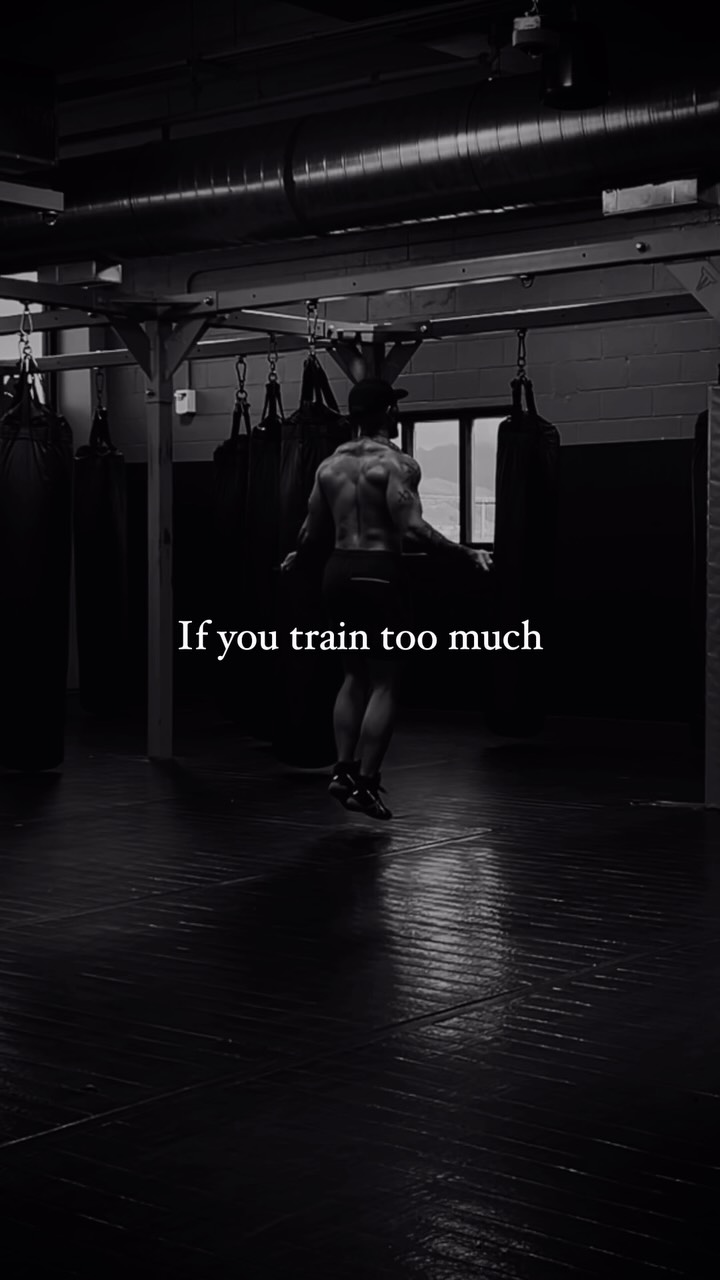 1.3M9.5×Ignore critics motivational monologue@iamravnfit · Motivational Mantra
 106K29.7×Creator presents visual conspiracy proof@karlkarma · Breakdown
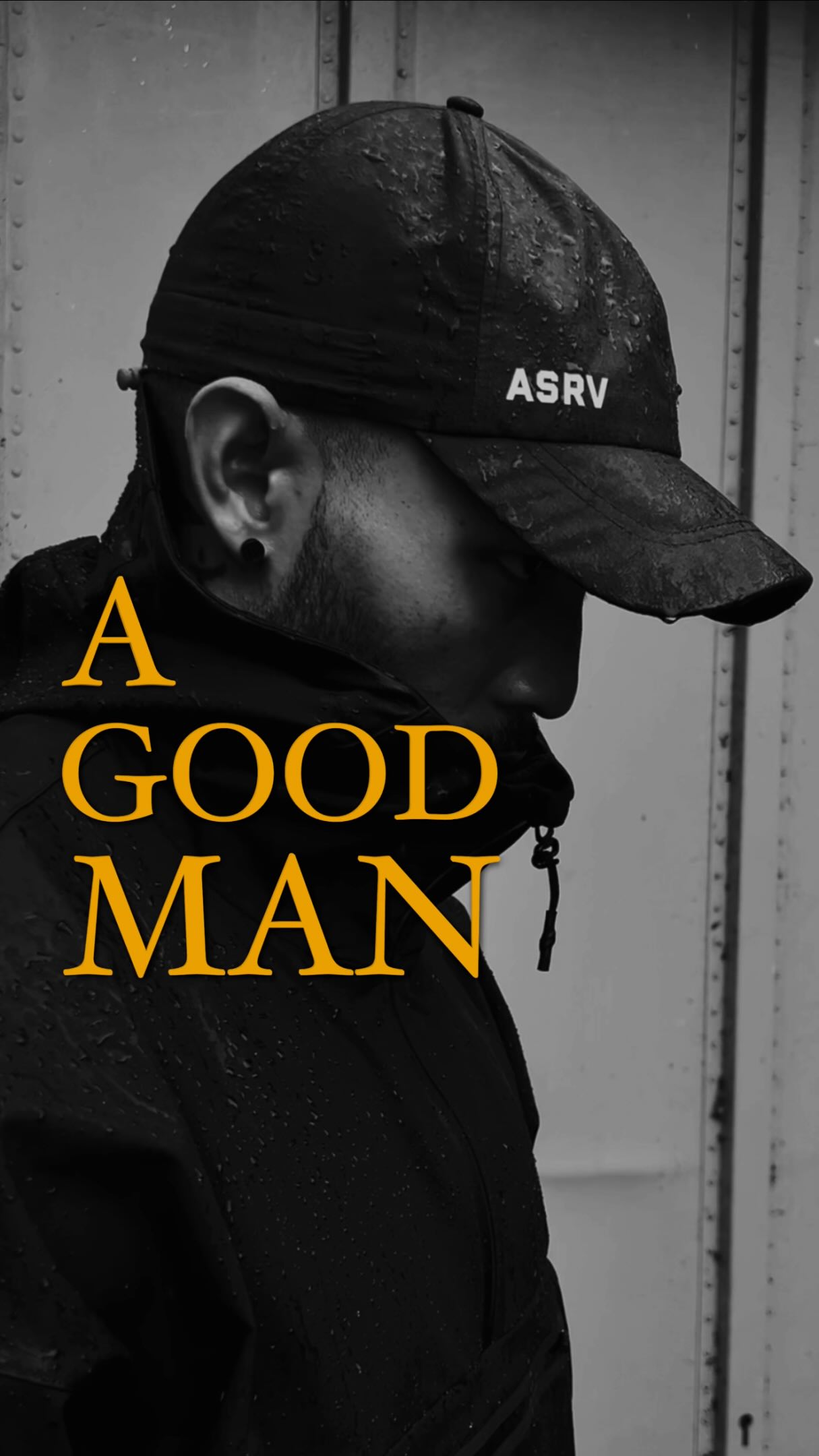 1.3MControversial take on relationship dynamics@iamravnfit · Hot Take
 485.8KOpinionated monologue judging men's athleticism@christianb.23 · Hot Take
 955.6K70.2×Justifies breaking no contact rule@couldbaret · Hot Take
 11M4587.8×Question answered with expert monologue@missy._.fit · Motivational Mantra
 2.5MDirect to camera motivational metaphor@austingeorgas · Motivational Mantra
 1.1M126.8×Creator's monologue on sobriety advice@santacruzpaleo · Vulnerable Monologue
 128.4KHigh-energy creative mindset breakdown@johnbucog · Breakdown
 8.1M12.4×Comedic commentary on rock crushing@realdanyang · Reaction
[04]
[05]
What stops the scroll in the first 3 seconds
Title hook · 45%
WHY ROCKS JUMP?
Verbal hook · 35%
Why do I throw rocks when I cliff jump?
Visual hook · 20%
A dramatic, high-angle, first-person POV shot looking down from a cliff into a vibrant, turquoise body of water.
[06]
Steal this for your own video
WHY BEFORE ?
[07]
The promise the opener makes, and how the video pays it back
Hook
A direct question that taps into common curiosity, immediately followed by the invalidation of the most popular answer, creating a powerful information gap.
Payoff
The viewer leaves with a new, more sophisticated understanding of the topic, feeling as though they've gained valuable insider knowledge from an expert source.
[08]
The structural pattern this video runs on
Framework
The Mythbuster's Gauntlet
To debunk a common misconception by presenting a series of escalating, context-dependent truths. The creator establishes authority by revealing nuanced, 'insider' knowledge that contradicts popular belief.
The Hook Question
Pose a direct, relatable question about a common practice or phenomenon to engage the viewer's curiosity (e.g., 'Why do I do X?').
The Assumption Acknowledgment
State the most common answer or belief that the audience likely holds, showing an understanding of their perspective.
The Myth Debunk
Explicitly state that the common belief is incorrect or incomplete, creating an immediate desire for the 'real' answer.
Case Study 1: The Simple Truth
Present the first, most straightforward and low-stakes 'real' reason, using a clear visual example to establish a baseline truth.
Case Study 2: The Complex Truth
Introduce a second, more nuanced or high-stakes reason, demonstrating that the answer is context-dependent and escalating the perceived importance of the knowledge.
Case Study 3: The Expert Truth
Present a final, extreme example that solidifies the creator's expertise and demonstrates the most critical application of the 'real' reason, often by quantifying the stakes (e.g., height, speed, danger).
Why do cliff jumpers throw rocks? Shot on the DJI Osmo Action 6 📸 . . #dji #osmoaction6 #osmoaction5pro #cliffjumping #sendit
title · beginning
WHY
title · beginning
ROCKS
title · beginning
JUMP?
contextual · beginning
YOU'RE
contextual · beginning
BREAK
contextual · beginning
TENSION
contextual · beginning
REALLY
contextual · middle
I
contextual · middle
BETTER
contextual · middle
GLASSY
contextual · middle
BUT
contextual · middle
THREW
contextual · middle
ENTIRELY
contextual · middle
REASON
contextual · middle
IN
contextual · middle
HAVE
contextual · middle
ROCKS
contextual · middle
ALSO
contextual · middle
SO
contextual · middle
MAKE
contextual · middle
WAS
contextual · middle
THAT
contextual · end
TO
contextual · end
IS
informational · end
FEET
informational · end
METERS
contextual · end
I
Why do I throw rocks when I cliff jump? I know what you're thinking. It's to break the surface tension, but this isn't really true at all. For this jump, I threw the rock just so I could see the water better because it was so glassy. But for this jump, I threw the rock for an entirely different reason. In order to land in the water, you have to not only clear the rocks, but also the dam. So I threw the rock to make sure that my trajectory was right, and that I'd land where I wanted to. This jump is a 101 feet or 31 better. So I threw the rock.