Post caption
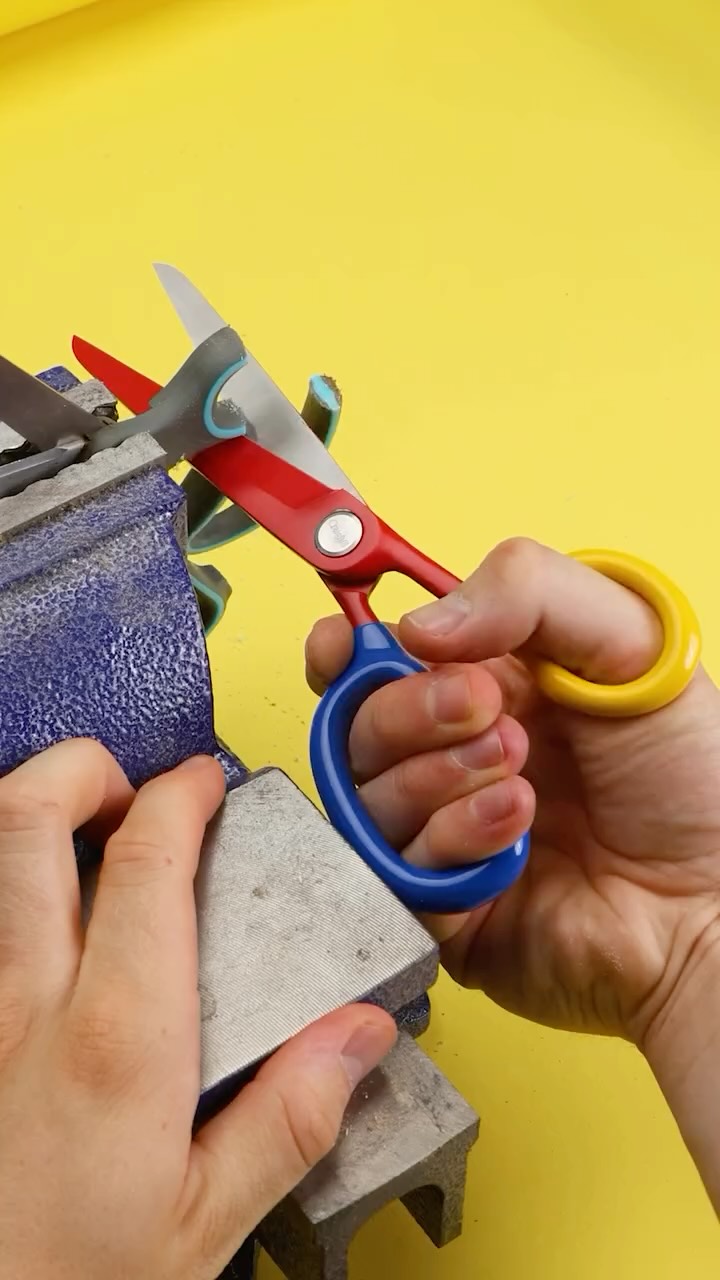
The first plastic injection molded scissors were made in the 1960s. Since then, this sheet metal and plastic design has slowly replaced the solid metal scissors of the past. They are cheaper and easier to manufacture.
At Craighill, we want our everyday objects to be durable, satisfying, and inspiring. So, we sought to create a more contemporary version of the scissors our grandparents owned.
The result is a pair of scissors that doesn't cut any corners (in manufacturing or design).
We hope you enjoy.
Transcript
The handles of these scissors were bending before the cutting was actually happening because the metal blade is only seated about a half an inch into the handle. This is, like, the first quality compromise that they make, and it's the first thing that we wanted to correct. Instead of having this two part construction, we kinda went back to scissors that you'd see in your grandparents' toolbox. The blade through the loop of the handle is one solid piece of metal. There's no weak spot where you're gonna have that kind of flex and flimsiness. The second quality compromise is materials. The blade, which is stamped out of thin sheet better, you rank, like, pretty easily pry them apart. You're cutting through the blister rank and it, like, kinda worst on you. This solid metal form gives you this wider spine that is way more rigid. It's gonna have consistent in plain sheer force to have precise cuts. Third quality compromise is aesthetics. These are so ugly. We always hide them in drawers, so we decided to celebrate the tool. We yes this red ceramic paint, paint, which is a super durable finish. And we did this vinyl dip handle that gives it, like, a little bit more grip, but also this beautiful primary colorway. They're a reminder to us to not cut corners with the design and manufacturing our products no that we don't end up with something like this.