@sensei.nick
Instagram · Yap
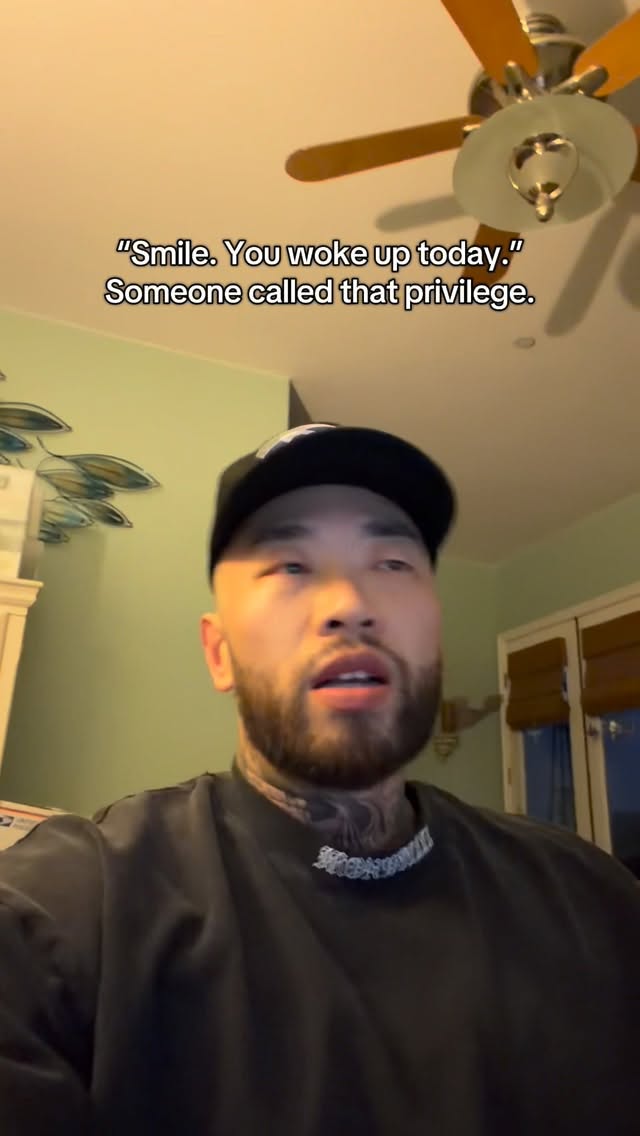
@sensei.nick wasn’t planning on sharing that until I got that message. I guess that’s today’s lesson. 🤷♂️

@sensei.nick
Instagram · Yap
@sensei.nick wasn’t planning on sharing that until I got that message. I guess that’s today’s lesson. 🤷♂️
Performance
Video #21979 · Yap
[01]
The creator addresses a negative comment he received on a simple post about gratitude, using it as a catalyst to break down the psychology of projection and victim mentality. He transitions into a vulnerable personal anecdote about his grandmother's recent passing to illustrate that his message came from a place of profound loss, not privilege. He concludes by challenging viewers to reframe their perspective on life, suffering, and the daily choice to appreciate simply waking up.
[02]
[03]
 128.8K1.7×Responding to hate comment with vlog@joshforeman2 · Vulnerable Monologue
 624.3KCreator reframes weed-induced paranoia as useful self-reflection@bradley.thor · Anecdotal Philosophy
 102.1K60×Monologue on breaking family cycles@kennethmerrill_ · Vulnerable Monologue
 158.1K15.8×Direct-to-camera motivational rant@lachiecubis · Motivational Mantra
 196.7K7.5×Tough love motivational rant@higherupwellness · Motivational Mantra
 1.1M45.8×Man in car rants passionately@higherupwellness · Vulnerable Monologue
 100.6KMotivational monologue over nature B-roll@leopardcreated · Motivational Mantra
 426.9K14.6×Direct talk on self-awe@bellasolanot · Vulnerable Monologue
 324.1KCreator addresses health rumors and outlines his future content philosophy@bradley.thor · Vulnerable Monologue
 70.1KVoiceover personal growth journey montage@coltinhill2 · Vulnerable Monologue
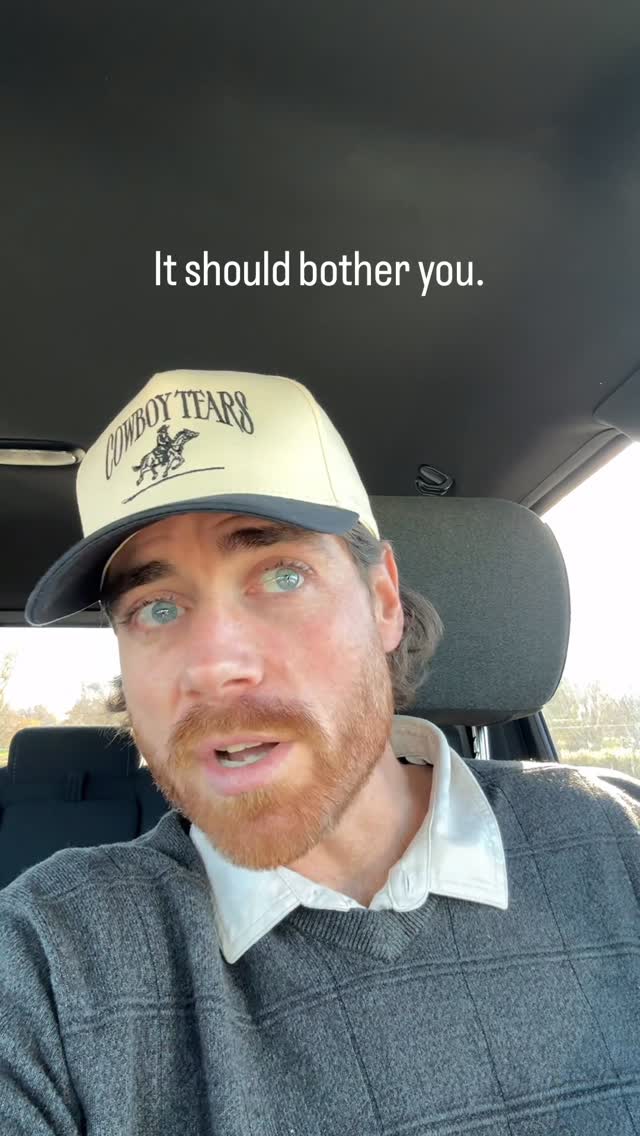 178.4K10.8×Car yap on spiritual growth@gregcolbeck · Anecdotal Philosophy
 2.8M82.3×Monologue on supporting other people@viralclubhouse_ · Vulnerable Monologue
[04]
[05]
What stops the scroll in the first 3 seconds
Title hook · 55%
"Smile. You woke up today." Someone called that privilege.
Verbal hook · 40%
So I posted something simple to my story.
Visual hook · 5%
Intimate, low-angle close-up of a tattooed speaker in a dimly lit room making direct, intense eye contact with the camera.
[07]
The promise the opener makes, and how the video pays it back
Hook
Presenting a simple, universally understood baseline action or statement to ground the viewer before abruptly introducing conflict.
Payoff
Delivering a final, hard-hitting philosophical contrast that resolves the narrative tension while leaving the audience with a profound, lingering shift in perspective.
[08]
The structural pattern this video runs on
Framework
The Projection Pivot
Leveraging an unjustified negative reaction to a benign statement as a catalyst to reveal a heavy personal truth, ultimately pivoting into a broader philosophical lesson on human behavior.
The Unjustified Critique
Revealing a harsh or negative external response to the baseline action, instantly generating narrative tension and viewer curiosity.
The Psychological Diagnosis
Reframing the conflict by analyzing the critic's underlying assumptions, introducing a psychological concept to elevate the discourse from a petty argument to an educational moment.
The Contextual Plot Twist
Shattering the critic's assumption by revealing the creator's actual, often highly emotional, hidden reality, firmly establishing the creator's moral high ground and authority.
The Broader Phenomenon
Zooming out from the specific interpersonal conflict to diagnose a wider societal or behavioral pattern, making the specific lesson universally applicable to the viewer's life.
wasn’t planning on sharing that until I got that message. I guess that’s today’s lesson. 🤷♂️
title · beginning
"Smile. You woke up today." Someone called that privilege.
contextual · beginning
Replied to your story Solo That is a privilege to be enough. Many of us out here need more than the thought that being alive is enough to propel our mental health forward. News flash buddy- you're privileged.
So I posted something simple to my story. Smile. You woke up today. That was it. And someone replied saying that being alive isn't enough for people's mental health and that I'm privileged for even saying that. Now the thing is, when people react like that, they're usually not responding to what was actually said. They're responding to what they assume it means, and that's projection. So they assume the person saying it must be speaking from comfort, from ignorance, or from an easy life, but the reality is usually the opposite. So perspective like that often comes from loss, from seeing how fragile life actually is. And in my case, that post was made while I was on my way to my grandmother's funeral. She went to bed and never woke up. So the message wasn't coming from privilege. It was coming from perspective. But there's another element happening in responses like this, which is the victim mentality. So victim mentality doesn't mean people don't struggle. People do struggle. Life is hard, and mental health is real. However, victim mentality shows up when someone hears a simple truth and immediately turns it into something to argue with. So a reminder to appreciate being alive is not the same thing as saying gratitude solves depression. It's not saying nobody needs help. It's not saying life is easy. It's just perspective. But some people are so used to filtering the world through suffering that even a small moment of gratitude feels offensive. So they twist the message. They turn privilege or perspective into privilege. They turn a reminder into ideology, and they turn something simple into something they can fight. And the irony is that the message wasn't meant to fix anyone's life. It was just a reminder. Because sometimes the most important perspective you can have in a moment is realizing that the thing you woke up complaining about today is something someone else didn't wake up to at all.