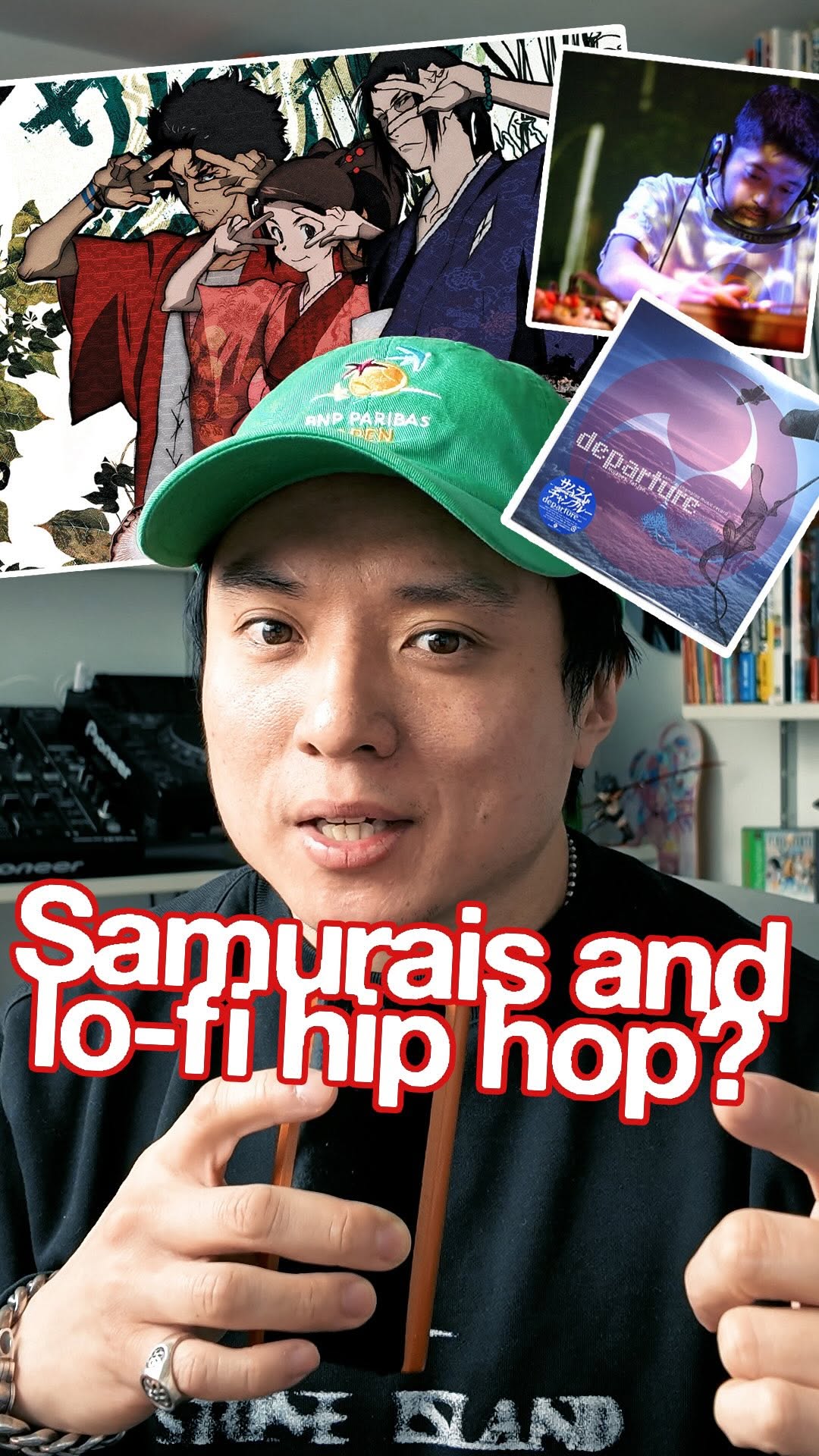
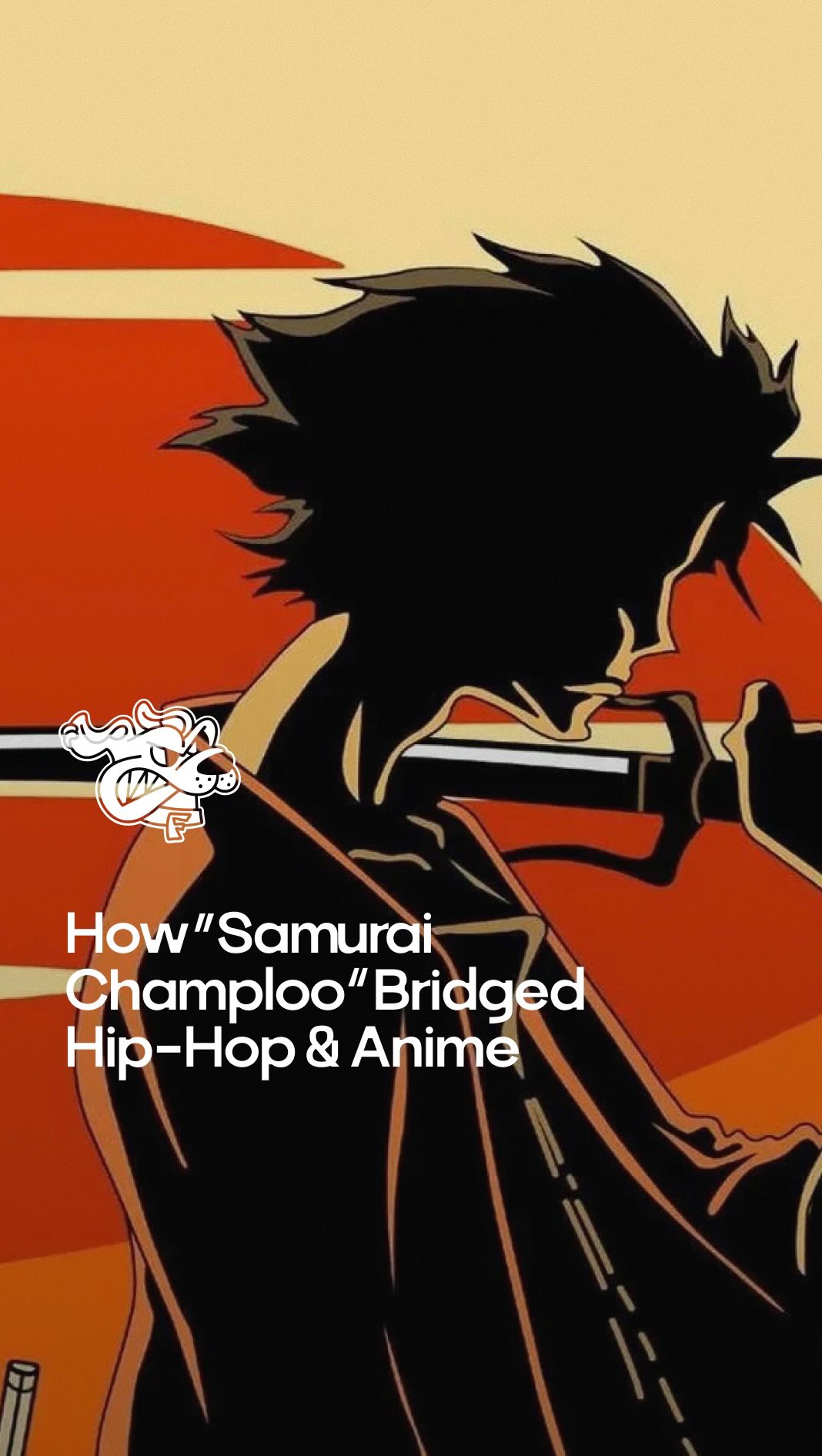
The creator delivers a talking-head style breakdown of the anime Samurai Champloo, explaining its profound impact on hip hop and the lo-fi music genre. He starts by introducing the show's premise and director, then transitions into a detailed analysis of how the show's themes mirror hip hop culture. The narrative then pivots to highlight the late producer Nujabes, detailing his unique sampling style and lasting influence on music. Throughout the video, the creator uses picture-in-picture B-roll of the anime and photos of the artists to visually support his points, concluding with a direct call-to-action asking viewers to share their memories in the comments.
Post caption
THE SOUNDS OF SAMURAI CHAMPLOO ⚔️🍳💦🔥🍃 WERE THE RHYTHM AND SOUL OF THE SHOW • AND HELPED THE DAWN OF THE LO-FI GENRE THANKS TO NUJABES, OFTEN CITED AS THE JAPANESE J DILLA 🍩 #SAMURAICHAMPLOO #NUJABES #LOFI
Transcript
This anime changed the sound of hip hop forever. Samurai Champloo is directed by Shinichiro Watanabe and is a historical drama intersecting with his love of hip hop culture. The name is derived from the Okinawan dish, 'Shampuru' which is a stir fry of different ingredients. And this theme of mixing is the perfect framing for the entire series, whether it's through music, ethnic identities, or the whole premise of the plot itself. After riding the wave of success that was Cowboy Bebop, Watanabe had this sort of financial and creative autonomy. Best Watanabe wanted to push away from the space noir and jazz infused themes of Cowboy Bebop. So the whole series is framed by the premise of hip hop. So when we think of the art of sampling and remixing, that theme can be found everywhere in this anime. Mugen is a rapping samurai better also in his fighting style, the parallels between hip hop and being an outcast. But then the trio also represents some very Japanese philosophies. But undoubtedly, one of the integral components of the show's success is the music. Jun Seba or Nujabez, who is often cited as the Japanese J Dilla, used his style of sampling jazz records and fusing it with these hip hop elements and style of sampling was the perfect layering piece for the whole show. Of course tier was also Fat John, Force of Nature and Succi, but Nujabez ended up being the definitive sound of the project. So long before the days of the no fi girl on YouTube, Nujabez was already channeling the sound of jazzy chords, peaceful instrumentals, building on production hip hop predecessors like J Dilla. So Samurai Champloo remains a testament to transcultural synthesis, taking the discipline of samurai, but also the improv mechanics of hip hop and rap. The untimely passing of Nujabez added to the mythos of this worse, but without a doubt the soundtrack is the rhythm and soul of the series. So do you remember Samurai Champloo? Do you listen to New Job Best? Let's have a discussion down in the comments.