@ffern.co How does an orange tree become a fragrance? • Spring 26
The bitter orange tree holds many tales within its branches. Each of its parts yields a different perfume with a new story to tell. 🌳
Mixing traditional and pioneering techniques, we’ve extracted four natural materials from the bitter orange tree. Discover how the scents of this ancient tree play together - starting with its fruit and blossom, then turning to its leaves and twigs. 🍊 🌿
When paired with ginger root, honeyed broom and Rose de Mai in Spring 26, the bitter orange tree’s notes sparkle, creating a fresh citrus-floral scent.
🎭 Created by @alixbortoli for Ffern
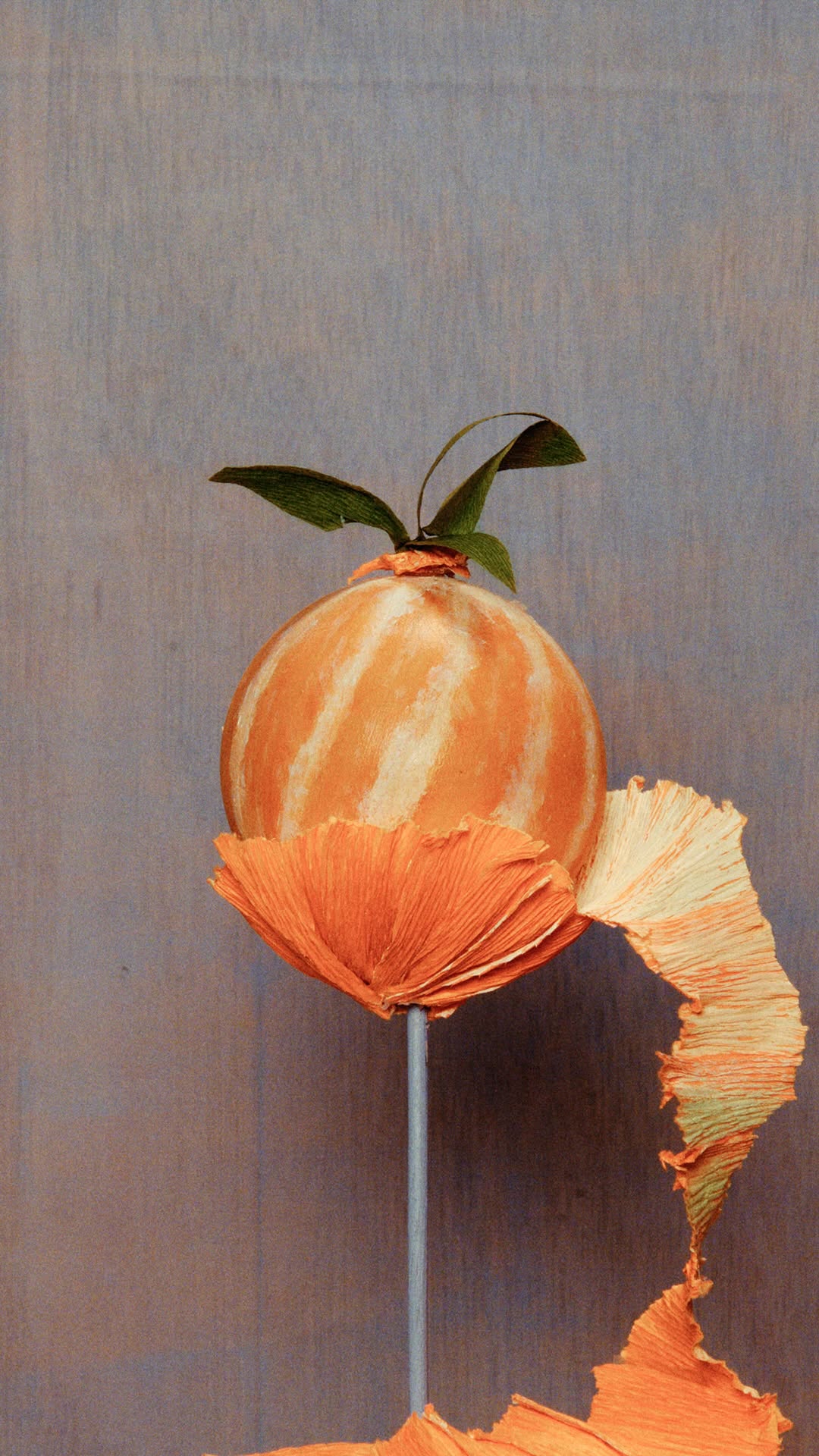
The creator uses a highly detailed, theatrical stop-motion diorama to visually narrate the process of creating a fragrance from a bitter orange tree. The video systematically breaks down the ingredients into three acts—fruit rind, blossoms, and leaves/twigs—using papercraft animations to represent each extraction, culminating in the reveal of the final Ffern perfume bottle.
A highly textured, paper-crafted orange with green leaves sits on a metal stand against a muted background, immediately establishing a unique, artistic stop-motion aesthetic.
[06]
Hook template
Steal this for your own video
How does a [raw natural source] become a [finished luxury product]?
— How does a raw cacao pod become a single-origin chocolate bar?
— How does a silkworm cocoon become a luxury evening gown?
— How does a field of lavender become a skincare serum?
[07]
Hook and payoff
The promise the opener makes, and how the video pays it back
Hook
The Alchemical Question: Posing a 'how does raw material X become refined product Y' question to create an immediate curiosity gap.
Payoff
The Synthesis Reveal: Bringing all the deconstructed elements together to reveal the final, tangible product, satisfying the initial hook's question.
[08]
Narrative framework
The structural pattern this video runs on
Framework
The Deconstructed Alchemy Blueprint
Breaking down a complex, refined product into its raw, natural components, systematically explaining the unique process and sensory contribution of each part to build perceived value for the whole.
1
The Source Establishment
Introducing the primary raw material as a multifaceted entity containing multiple distinct elements or 'stories'.
2
Component 1: The Bright Foundation
Isolating the first, most obvious element of the source, detailing its specific extraction method and its bright, uplifting sensory contribution.
3
Component 2: The Ethereal Heart
Moving to the second, more delicate element, explaining its transformation process and its light, airy sensory profile.
4
Component 3: The Grounding Depth
Highlighting the final, often overlooked element, describing its extraction and its deep, rich, grounding sensory characteristics.
Themes
Craftsmanship
Nature
Artisanal production
Storytelling
Techniques
Stop-motion animation
Papercraft
Voiceover
Diorama set design
Trends
Artisanal brand storytelling
ASMR visual textures
Post caption
How does an orange tree become a fragrance? • Spring 26
The bitter orange tree holds many tales within its branches. Each of its parts yields a different perfume with a new story to tell. 🌳
Mixing traditional and pioneering techniques, we’ve extracted four natural materials from the bitter orange tree. Discover how the scents of this ancient tree play together - starting with its fruit and blossom, then turning to its leaves and twigs. 🍊 🌿
When paired with ginger root, honeyed broom and Rose de Mai in Spring 26, the bitter orange tree’s notes sparkle, creating a fresh citrus-floral scent.
🎭 Created by @alixbortoli for Ffern
Text overlays
title · beginning
How can an orange tree become a fragrance?
contextual · middle
Act I The Bitter Orange
contextual · middle
Act II The Neroli and Orange Blossom
contextual · middle
Act III The Petitgrain Leaves and Twigs
branding · end
Ffern
Transcript
How can an orange tree become a fragrance? The fragrant better orange tree holds many tails within its branches. Each of its parts yields a different perfume with a new story to tell. Starting with the fruit, which captures spring's crisp, golden sunshine, we cold yes the bitter orange rind to produce a juicy, uplifting oil. Blowing in the breeze, blossoms are extracted to create neroli and orange blossom. Together, these two florals tell of petals floating on wind. The leaves and twigs lend something deeper that's rich and woody. The perfumer's ingredient, petitgrain, smells like rain evaporating off tree trunks in the first days of spring. Naturally captured in fern spring twenty six.