@craighillcompany
Instagram · Talking Head Edit
@craighillcompany If you agree with our decree, let us know: what vessel needs a spout next?

@craighillcompany
Instagram · Talking Head Edit
@craighillcompany If you agree with our decree, let us know: what vessel needs a spout next?
Performance
Video #23451 · Talking Head Edit
[01]
The creator explains the physics of pouring liquids and why spouts are necessary to prevent dribbling. He demonstrates how various common household items have spouts, questioning why cocktail shakers typically do not. Finally, he reveals a newly designed cocktail shaker with a built-in spout, detailing the collaboration and design process behind it to promote the new product.
[02]
[03]
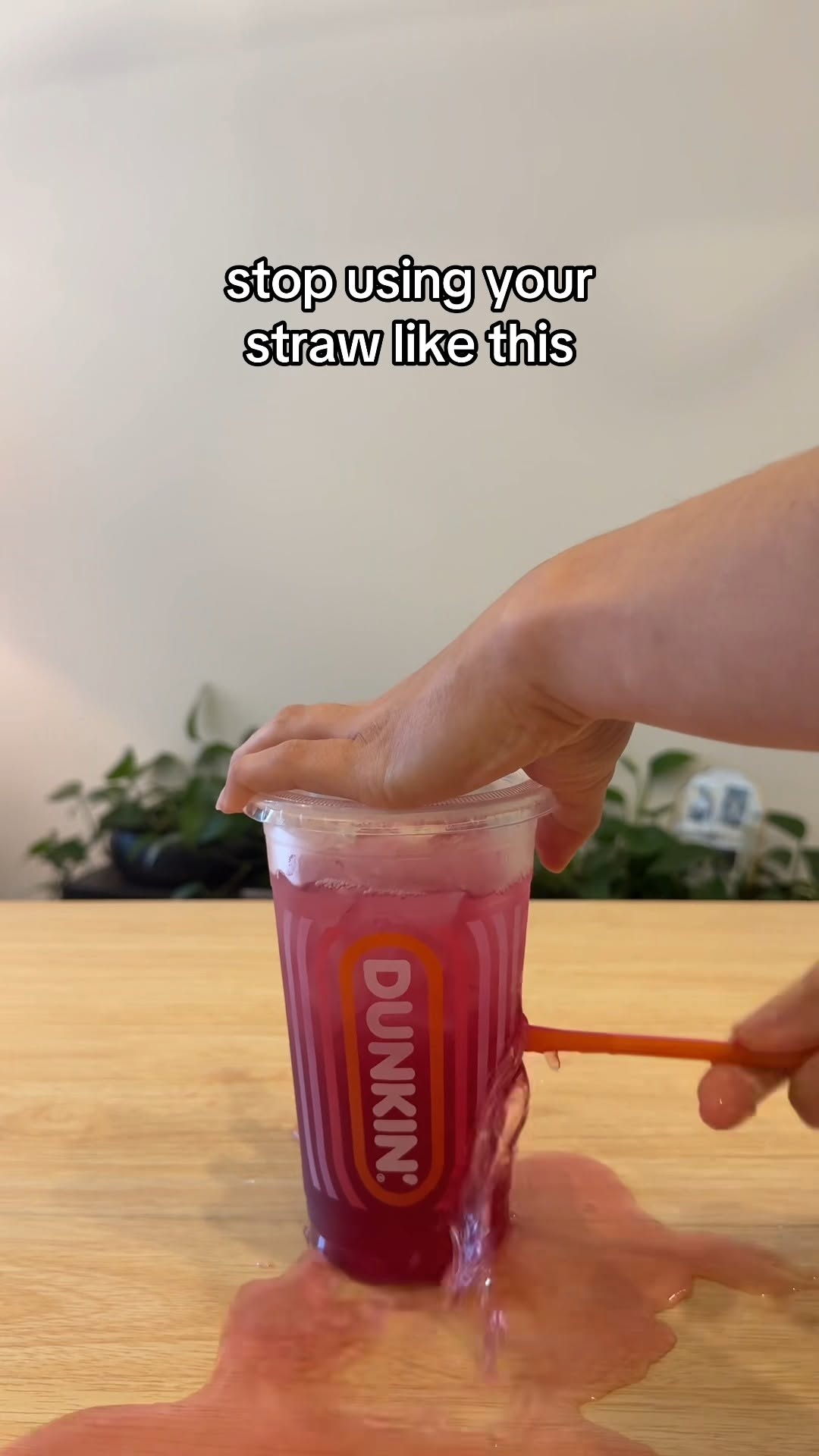 2.6M16.1×Wrong way then right way demo@dunkin · Good vs Bad
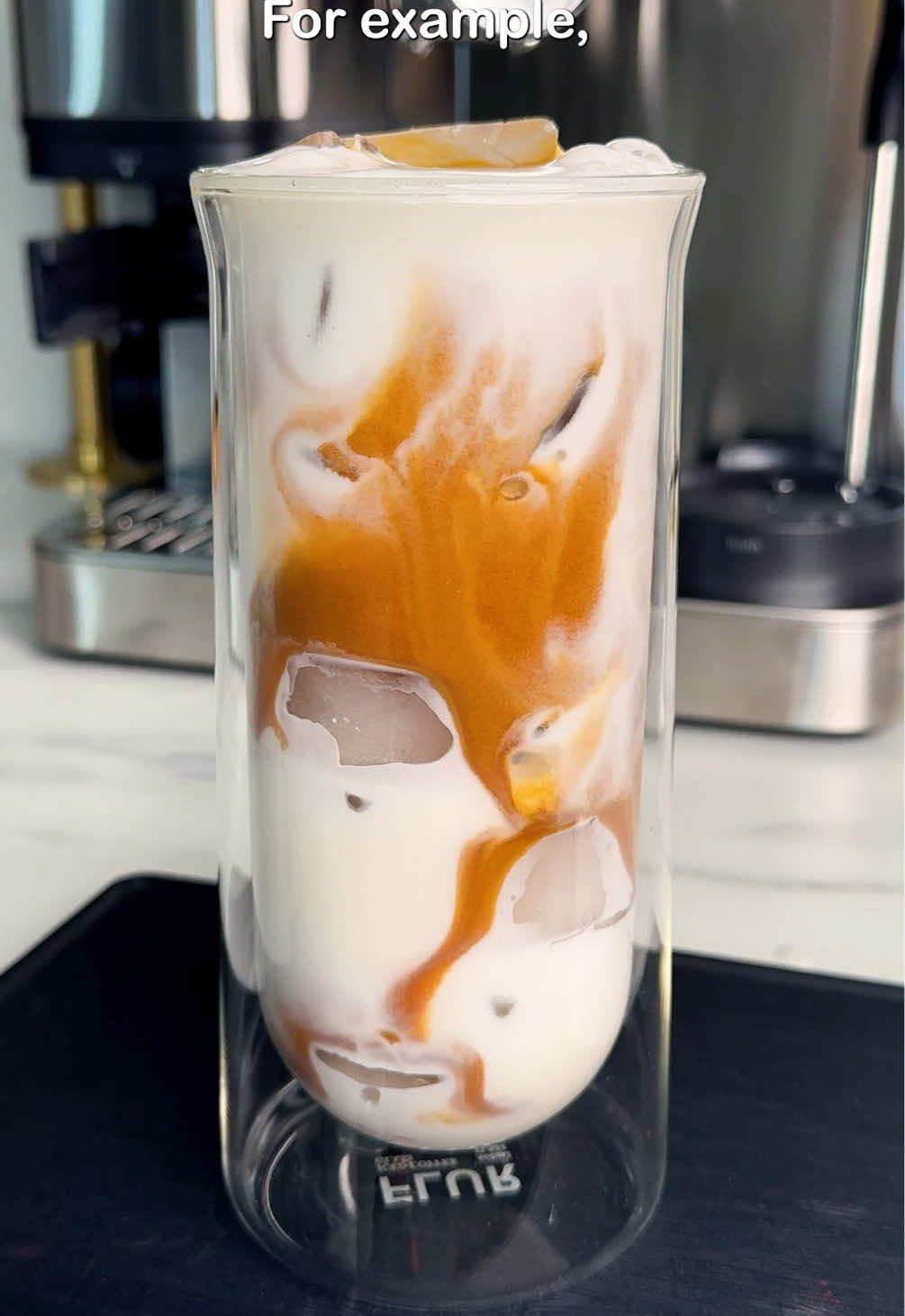 1.1M16.1×Flur iced coffee glass pitched as a fix for sweaty glassware@flurglassware · Showcase
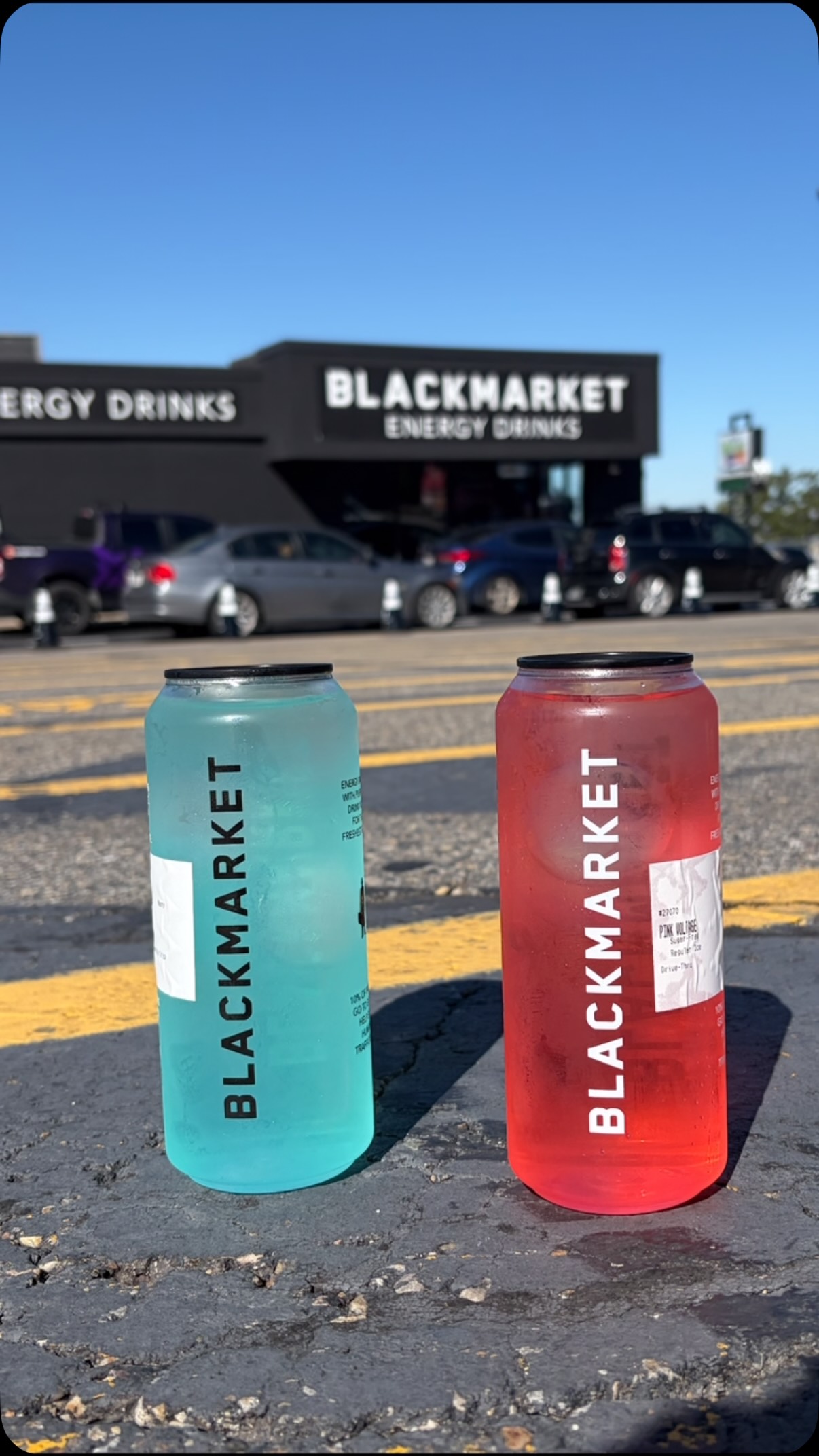 264.5KShowcasing a unique cafe experience@mannygriffiths · Location Showcase
 3.1M10.2×Storytime about learning to bartend@oldfashonedhussle · Anecdotal Philosophy
 2.3M19.6×Demonstrating product versatility with drinks@flurglassware · Product Demo
 217.7K2.7×Expert answers a common question@highproofpreacher · Q&A Response
 840.8K21.7×Satisfying diner milkshake assembly process@thechelseasquarediner · Process
 2.3M15.1×Funny pro tip for drinks@looo_bear · Pro Tip One Shot
 1.5M26×Frozen juice box drink hack@soberishmom · Tutorial / How To
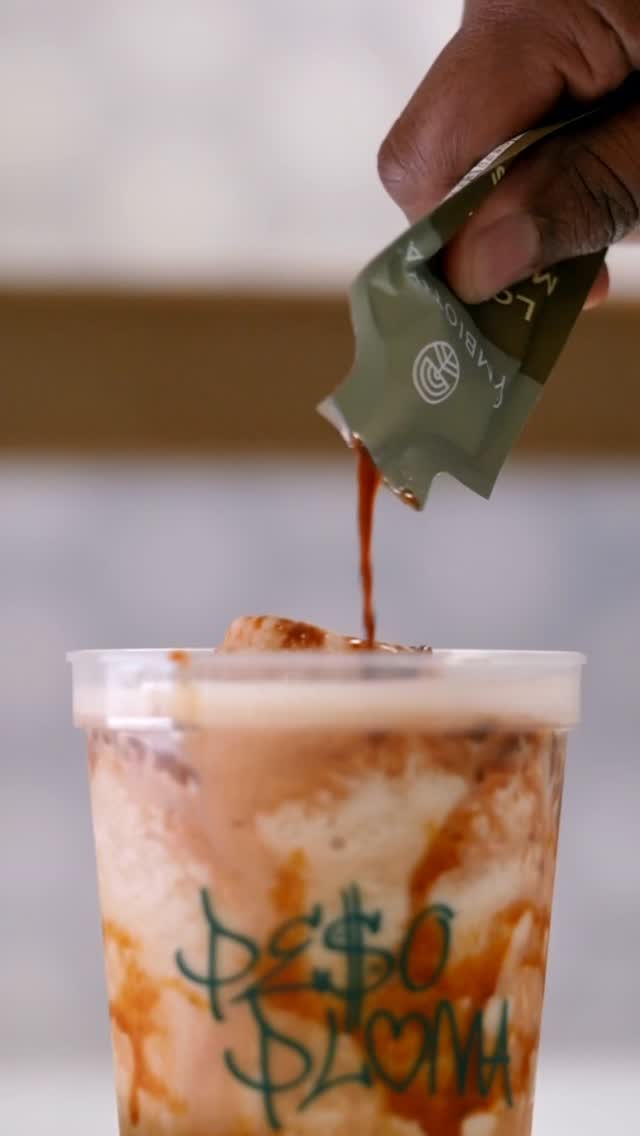 1.5M11.8×Aesthetic smoothie making product showcase@cymbiotika · Product Showcase
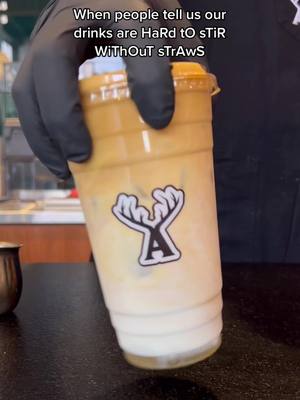 409.9K6.4×Shaking coffee to prove point@alfredcoffee · Hot Take
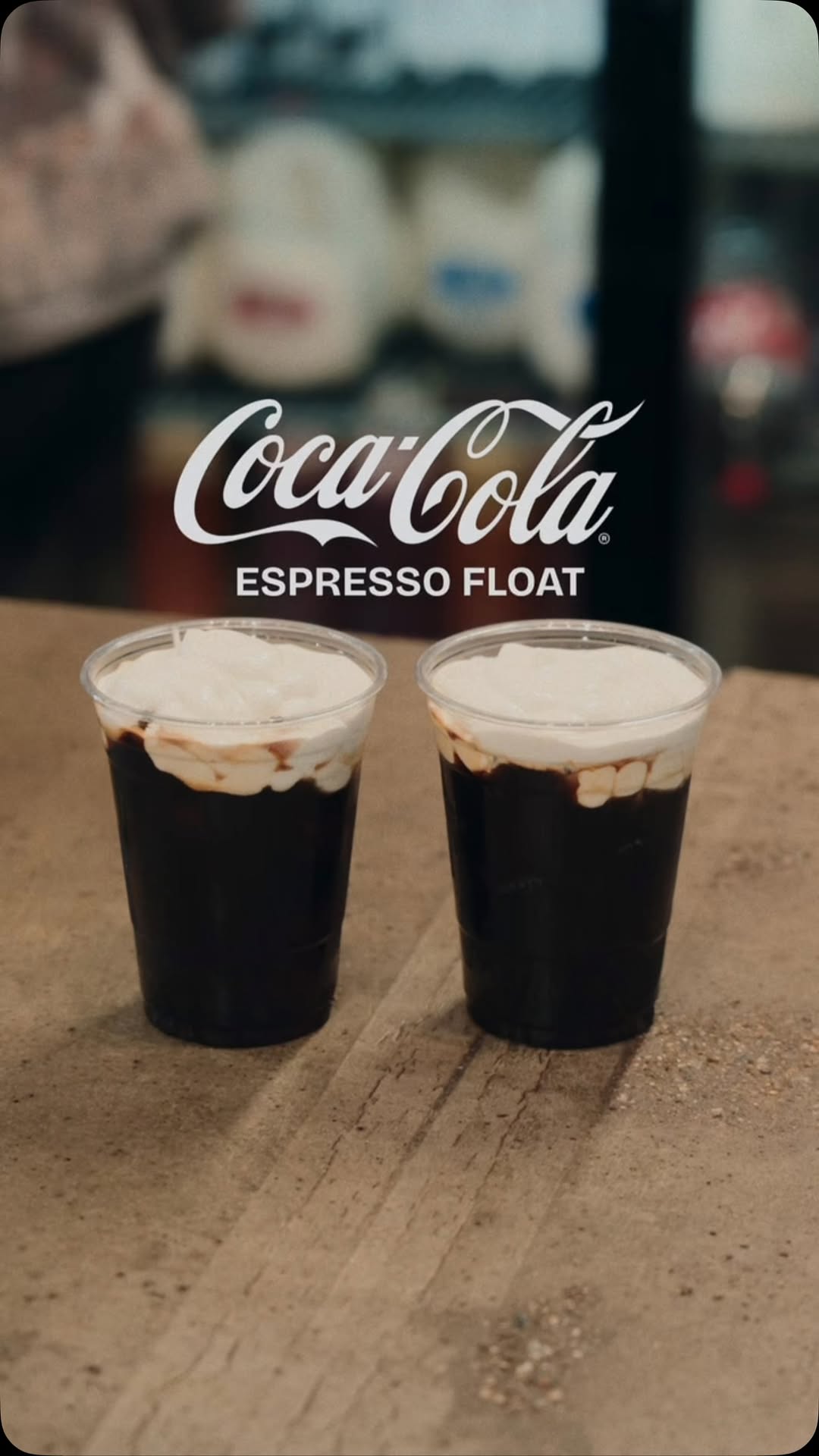 1.8M293.1×Drink recipe start to finish@985coffee · Tutorial / How To
[04]
[05]
What stops the scroll in the first 3 seconds
Verbal hook · 35%
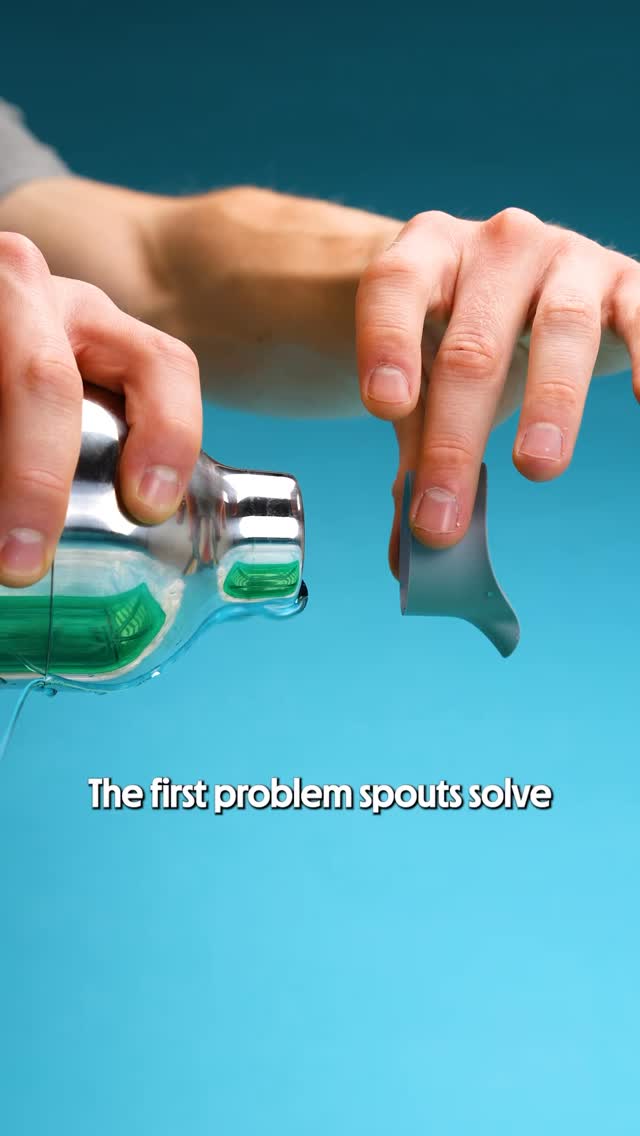
The first problem spouts solve is dribbling, which is when the adhesive tension of the liquid to the surface of the vessel is great enough to override the main flow of the liquid.
Visual hook · 65%
Extreme close-up of a person pouring bright blue liquid from a cocktail shaker, demonstrating the 'dribble' effect, followed by a close-up of a silicone spout attachment.
[06]
Steal this for your own video
Extreme close-up of being poured from to reveal an annoying , then cut to the that fixes it.
[07]
The promise the opener makes, and how the video pays it back
Hook
Start with a highly specific, technical explanation of a universally relatable annoyance to immediately establish authority and curiosity.
Payoff
Visually demonstrate the new product flawlessly solving the initial problem, followed by an open-ended question to drive community engagement.
[08]
The structural pattern this video runs on
Framework
The Physics-to-Product Pipeline
Educate the viewer on the technical mechanics of a common annoyance, establish a universal design rule to solve it, and reveal a custom product as the ultimate engineered solution.
The Physics Lesson
Break down the exact mechanics of the problem and the theoretical solution using technical terms paired with clear visual demonstrations.
The Universal Decree
Establish a definitive, opinionated design rule based on the physics lesson, creating a standard that all products in a category must meet.
The Evidence Gauntlet
Present a rapid-fire sequence of everyday items that successfully follow the decree, normalizing the solution and building agreement.
The Glaring Exception
Pivot to a specific product category that universally fails this rule, highlighting the absurdity of its design flaw and the pain point it causes.
The Industry Flaw
Explain the historical or manufacturing reasons why the industry has accepted this flawed design, setting up the creator's challenge.
The R&D Journey
Detail the technical hurdles of fixing the flaw and the collaborative, expert-driven process used to engineer the perfect solution.
If you agree with our decree, let us know: what vessel needs a spout next?
The first problem spouts solve is dribbling, which is when the adhesive tension of the liquid to the surface of the vessel is great enough to override the main flow of the liquid. A good spout solves that by having a sharp cut right at the lip of the vessel that breaks the adhesion between the liquid and the vessel itself. And that combines with more of an overhanging cantilever. Even if the liquid were worse stick to the vessel, it would have to travel against tier gravity to follow the surface. The second problem that's about to address is that even if you pour fast enough to overcome the surface tension issues, you end up with this wide flood of water. And so spout creates a narrow channel. You now have, like, a controlled, precise, clean pour. Considering these problems of spoutless vessels, I have a decree. A human scale vessel that holds liquid that's not the drinking vessel, I think that they should all have spouts. Laundry detergent, definitely not for rank, has a nice spout. Teapot, also not drinking directly from this, then this has a teapot spout. Watering rank. Classic teapot spout. Cast iron frying pan. That's spout, baby. Most already have spouts. So why don't cocktail shakers? The last time that you would like to have uncontrolled dribble is when you're pouring a cocktail When there's performance of shaking it and then you go to like pour it out and it's this embarrassing moment Tier reason that most cocktail shakers don't have stuff is because it's easier to create a more watertight seal when the cap that goes over top is sitting outside of the main body of the shaker worse. But we're not here to make the easiest cocktail shaker. We're here to make the best cocktail shaker. In order to do that, collaborated with the ceramics gurus at East Fork. We sent the first design over to them. They very politely schooled us on how spouts are formed with ceramics. And we wanted to kind of lean into that. What we ultimately landed on was this wide necked opening which is in part to receive the cap and provides enough material for you to have this elegant spout. And what you get from that is a beautiful dribbliss pour. Are there other non drinking vessels out there that need a spout?