@therealdanielpark
Instagram · Vlog
@therealdanielpark but fr why didn’t anyone stop me 😭 #smallvlog #college #university #filmmakingtips #storytelling

@therealdanielpark
Instagram · Vlog
@therealdanielpark but fr why didn’t anyone stop me 😭 #smallvlog #college #university #filmmakingtips #storytelling
Performance
Video #24135 · Vlog
[01]
The creator shares a personal anecdote about saying 'I love you' too early in a relationship, using a cinematic montage of B-roll footage and dynamic text overlays. He transitions from self-deprecation to a philosophical reflection on why society places so much weight on those three words, ultimately reframing his 'stupid' mistake as a moment of genuine honesty.
[02]
[03]
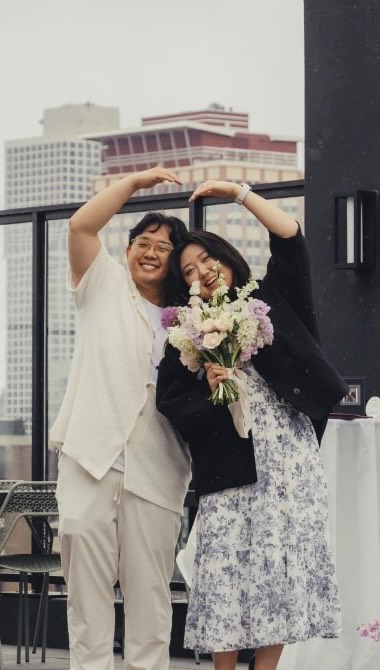 762.4K4.1×Near breakup to marriage proposal@bradjcho · Origin Story
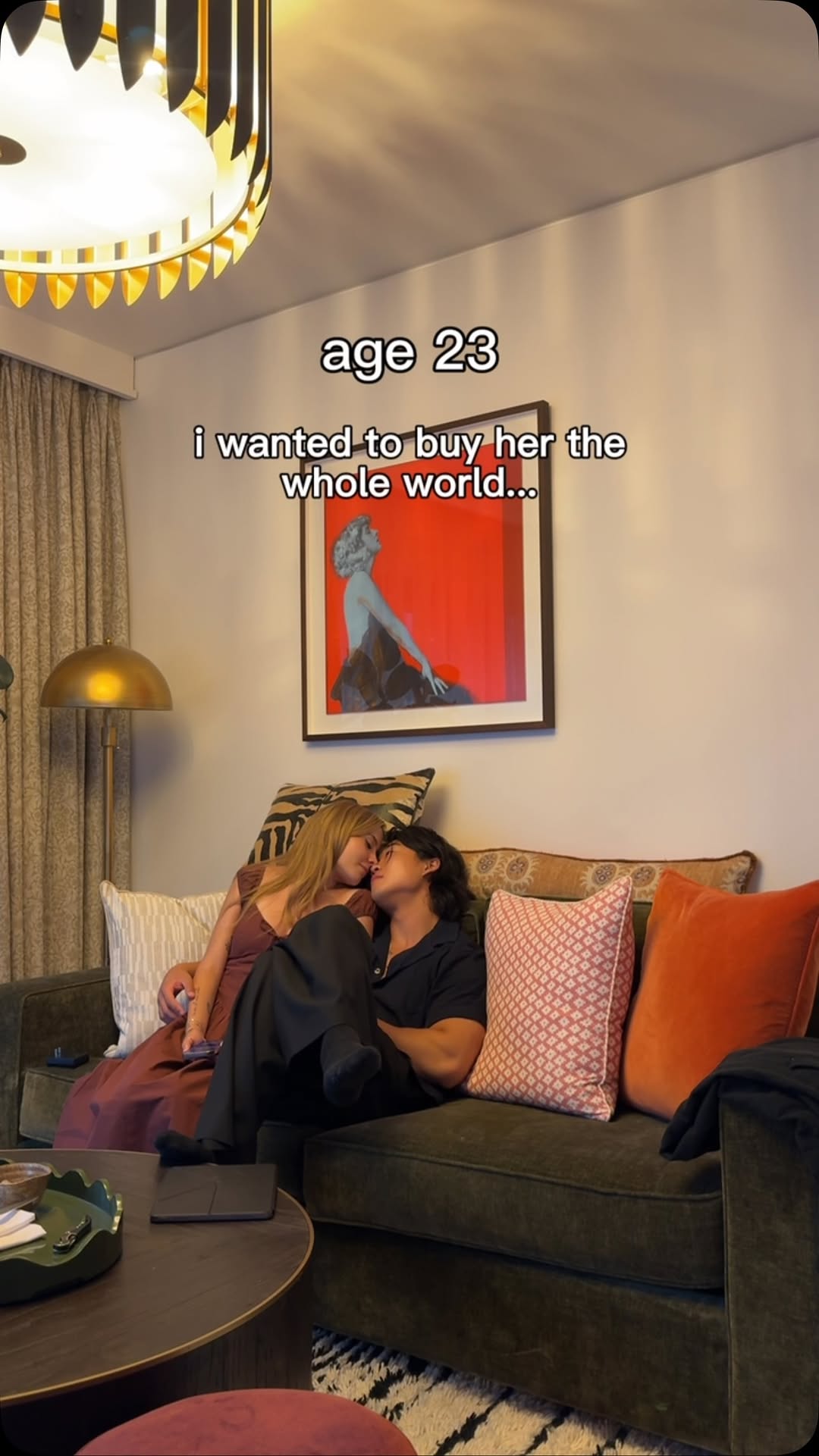 6.9M95.6×Personal growth story through montage@jun_yuh · Origin Story
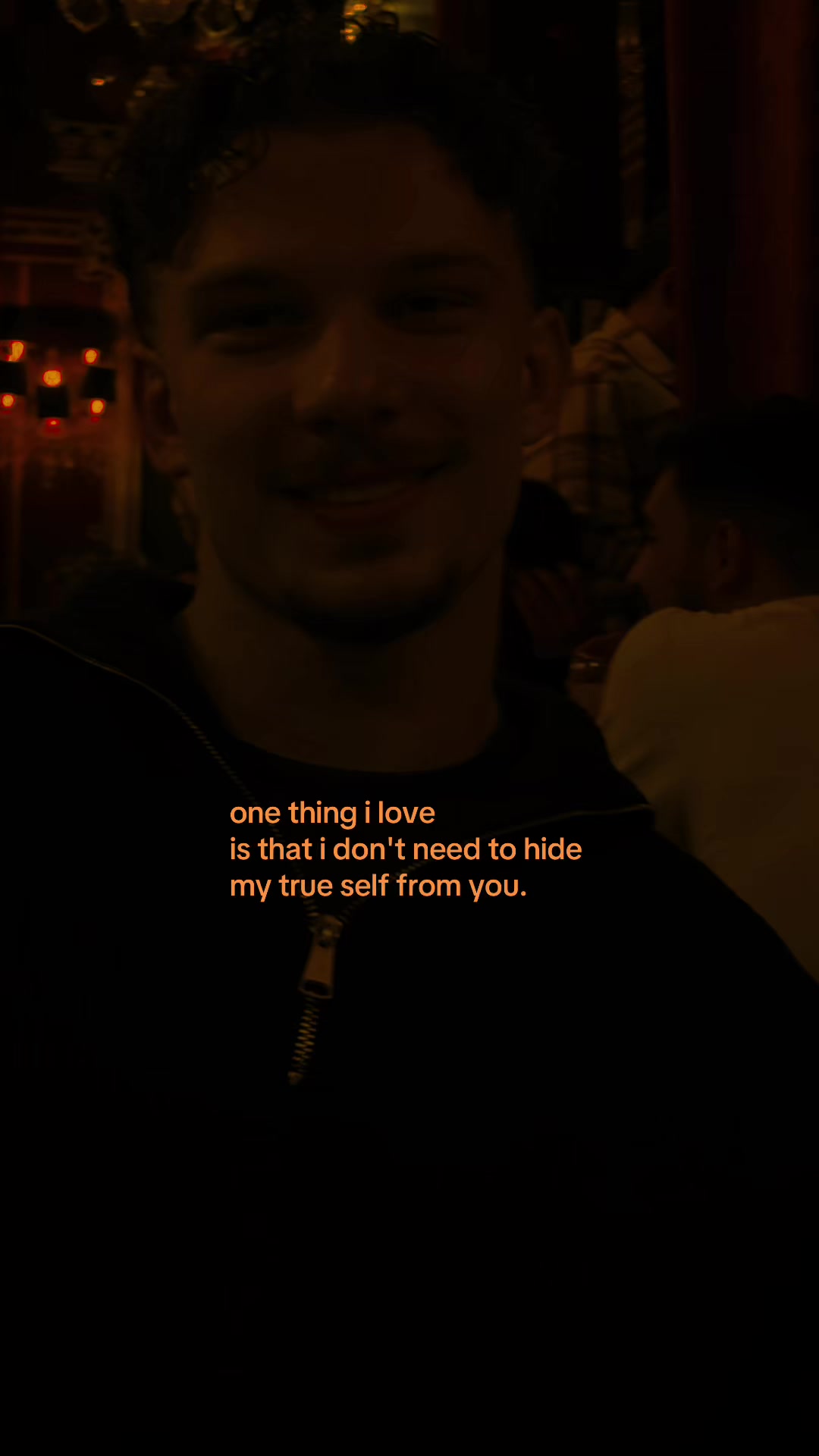 566.5K6.9×Personal statement over video clip@tonito.rt · Relatable One Shot
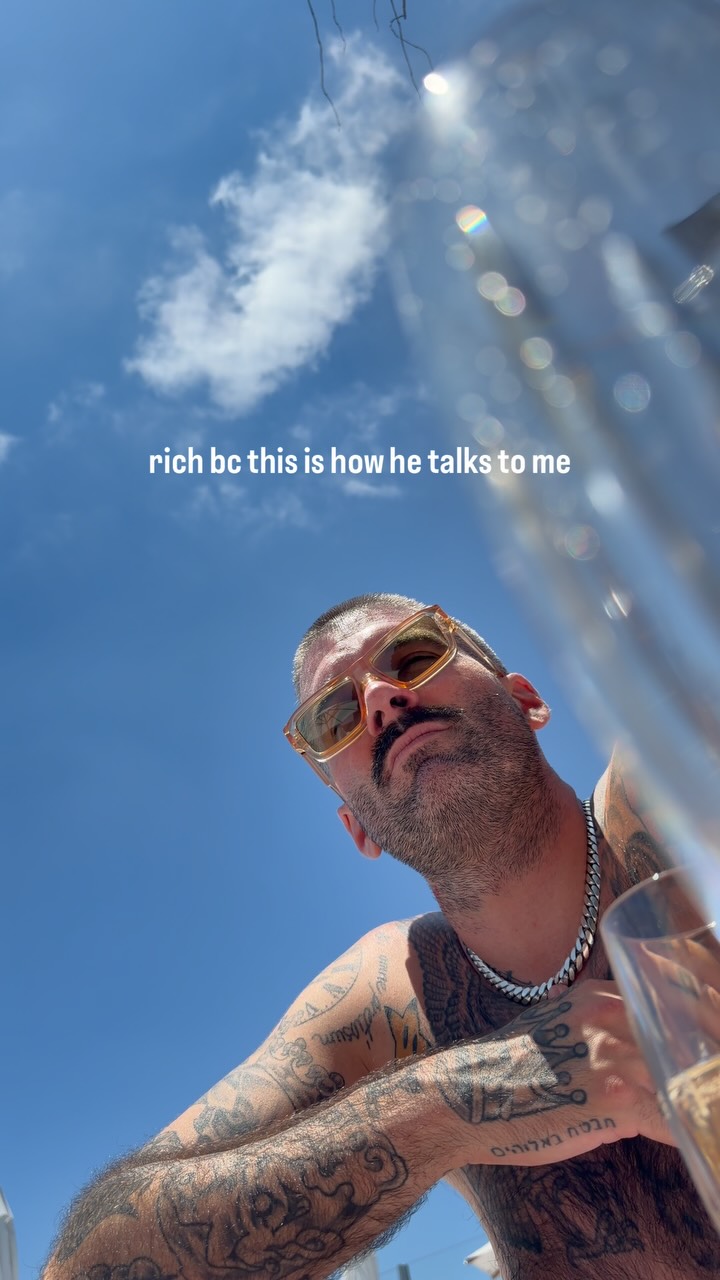 770.2K74.7×Romantic monologue with text context@clauddworld · Vulnerable Monologue
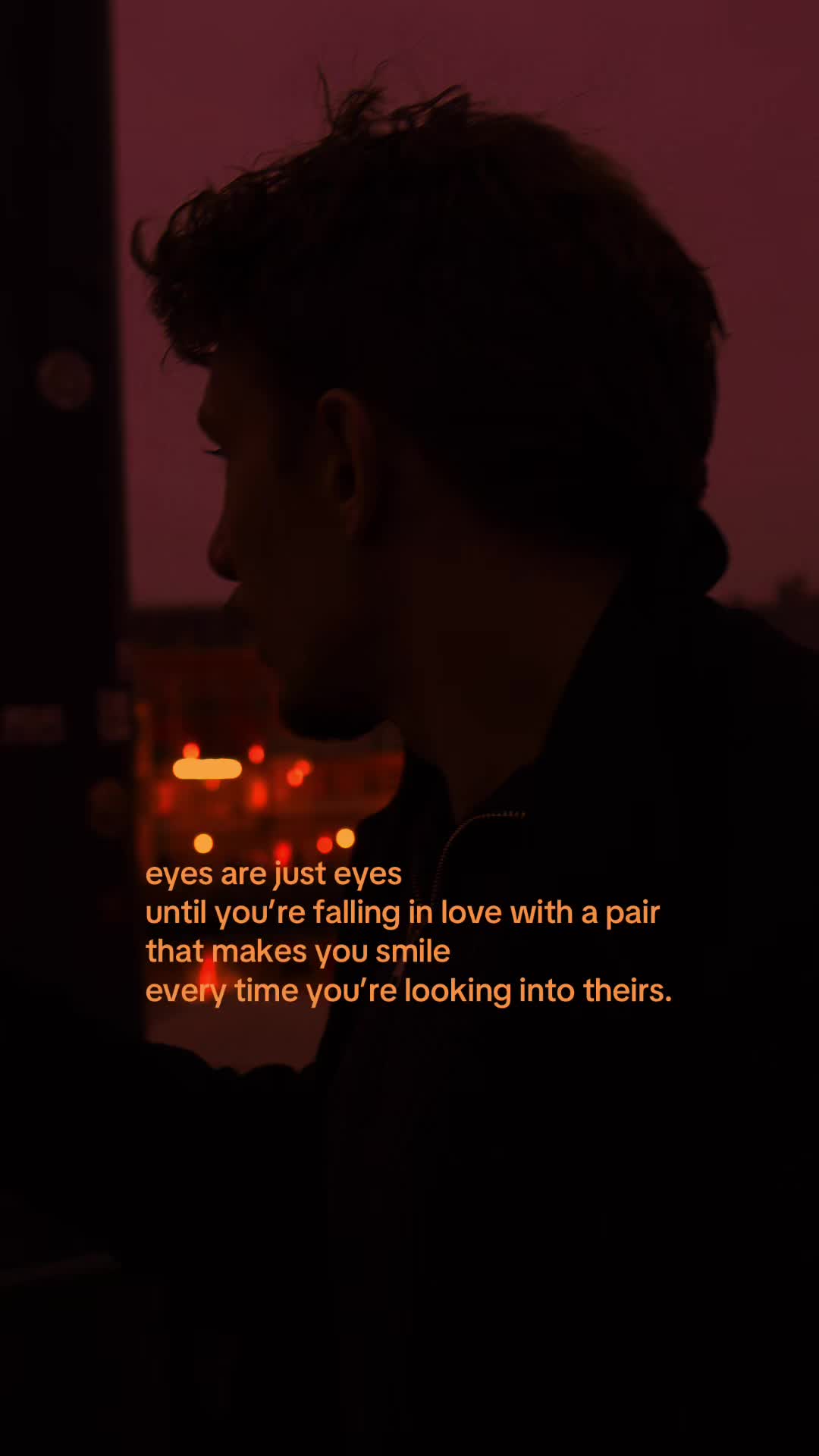 445.9K3.7×Romantic quote over night skyline@tonito.rt · Relatable One Shot
 180.8KMan praises girlfriend, saves for ring@bradjcho · Journey Documentation
 3M104.6×Text-driven relationship origin story montage@allybross · Origin Story
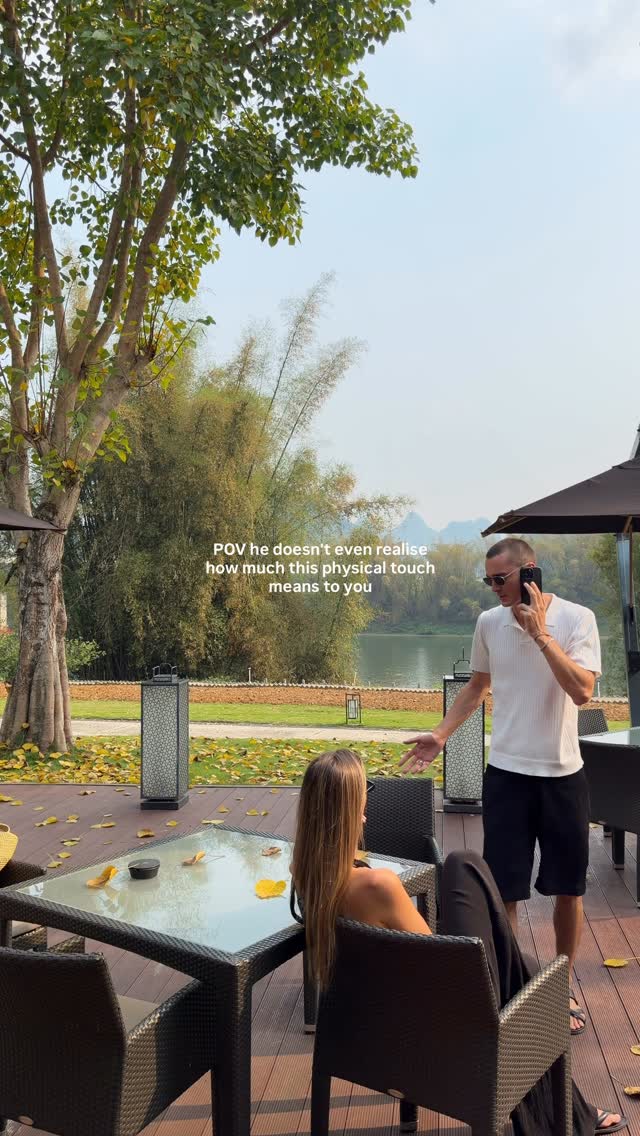 4.7M73.9×Relatable moment with emotional text@anastasia.sapri · Relatable One Shot
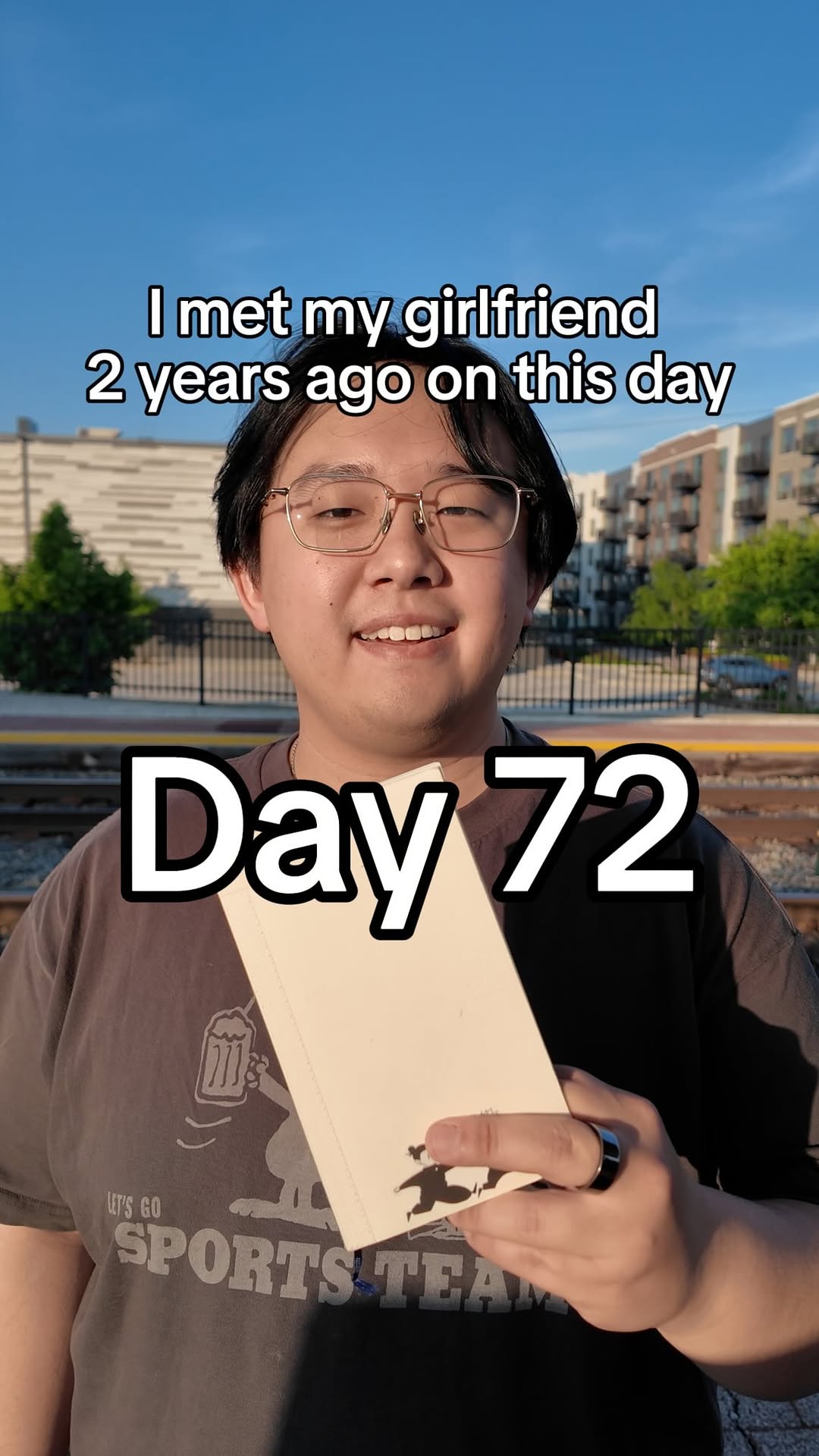 112.8KReads first date journal entry@bradjcho · Storytime
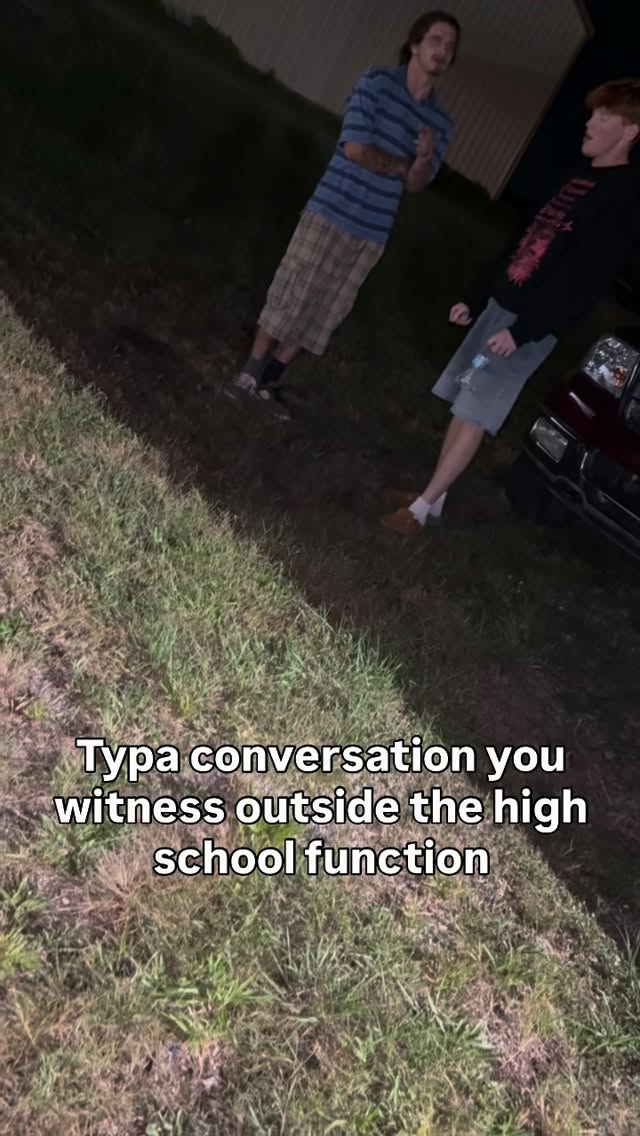 408.3K21.8×Candid conversation with relatable text@prescott_baer · Candid Spectacle
 1.6M4.8×Personal relationship journey montage@gracebeverley · Origin Story
 4M11.8×Emotional reaction to proposal memory@haylsa · Milestone Moment Showcase
[04]
[05]
What stops the scroll in the first 3 seconds
Title hook · 45%
When's the first time you fell in love?
Verbal hook · 30%
When's the first time you fell in love?
Visual hook · 25%
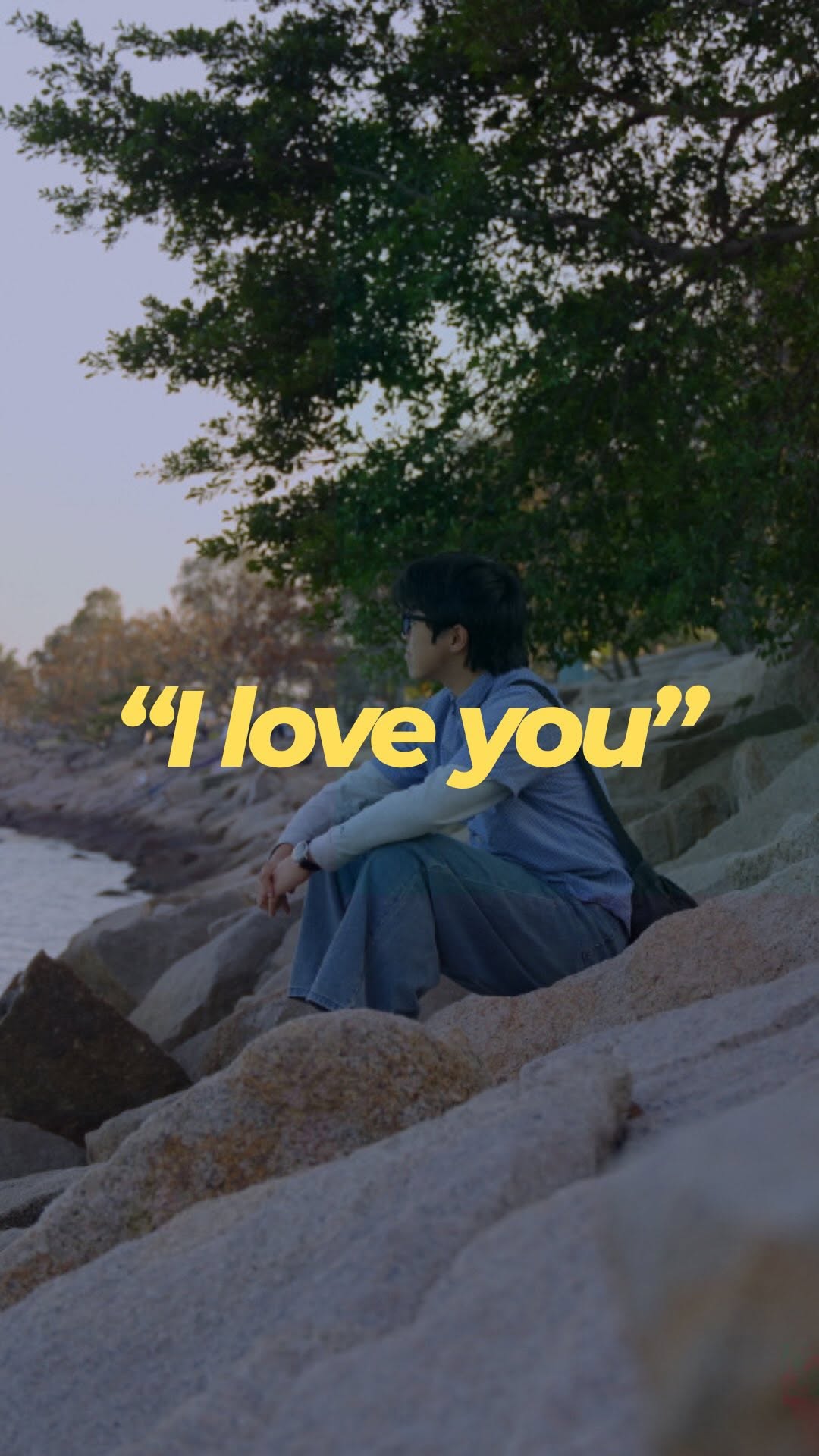
Large, bold yellow text overlay dominating the screen against a serene, low-light background of a person sitting by the water at dusk, creating immediate visual contrast.
[07]
The promise the opener makes, and how the video pays it back
Hook
A deeply personal, universally relatable question that immediately triggers the viewer's own memories and forces emotional investment.
Payoff
The Validating Resolution: Uses the newly established paradigm to justify the creator's initial vulnerable confession, providing emotional closure and a sense of self-acceptance for both the creator and the viewer.
[08]
The structural pattern this video runs on
Framework
The Vulnerable Paradigm Shift
The creator hooks the viewer with a universal emotional question, shares a self-deprecating personal anecdote, and then philosophically deconstructs societal norms to reframe their 'foolish' action as a profound, positive truth.
The Relatable Baseline
Establishes the common, often messy context of the topic to build immediate rapport and agreement with the audience.
The Vulnerable Confession
The creator reveals a personal, potentially embarrassing action related to the topic, lowering their status to build deep trust and connection.
The Philosophical Pivot
Shifts the narrative from a personal anecdote to a broader, analytical question about why society views this specific action a certain way.
The Nostalgic Contrast
Compares the heavy, current societal weight of the concept to a simpler time or mindset to highlight the absurdity of the modern norm.
The Paradigm Reframe
Proposes a new, simpler, and more forgiving definition of the core concept that relieves the pressure established earlier.
but fr why didn’t anyone stop me 😭 #smallvlog #college #university #filmmakingtips #storytelling
title · beginning
When's the first time you fell in love?
narrative · beginning
yeah. that person. young dumb probably not ready.
narrative · beginning
let me ask you something: did you ever say "I love you" to them?
narrative · middle
well probably not as early as I did. I said it after two weeks...
narrative · middle
yeah. it was stupid. and honestly? I get it. it's moving wayyyyyyyyyy too fast right? but in that moment it felt right.
narrative · middle
and that got me thinking: why does saying "I love you" SO much weight?
narrative · middle
when we were kids, we said it freely right? to friends, to family
narrative · end
but somewhere along the way, it turns into this big scary thing. like saying it means commitment or that you're not allowed to take it back
narrative · end
but maybe it's not that deep. maybe it's just three words that mean "I care about you right now"
narrative · end
so maybe saying it early wasn't me being stupid. maybe it was just me being honest.
branding · end
@therealdanielpark
When's the first time you fell in love? Yeah. That worse. When you were young, dumb, and probably not ready. No better me ask you something. Tier you ever say I love you to them? Love love love love love. Well, probably not as early as I did. I said it after two weeks. Yeah. It was stupid. And honestly, I get it. You know, it's moving way too fast. Right? Better that moment, it felt right. And that got me thinking, why does saying I love you good so much weight? When we're kids, we say it freely. Right? Like, to friends, to family. But somewhere along the way, it turns into this big scary thing. Like saying it means commitment or that you're not allowed to take it back. Yeah. But maybe it's not that deep. Maybe it's just three words that mean I care about you right now. So maybe say it early wasn't me being stupid. Maybe it was just me being honest.