@minnemals
Instagram · One Shot
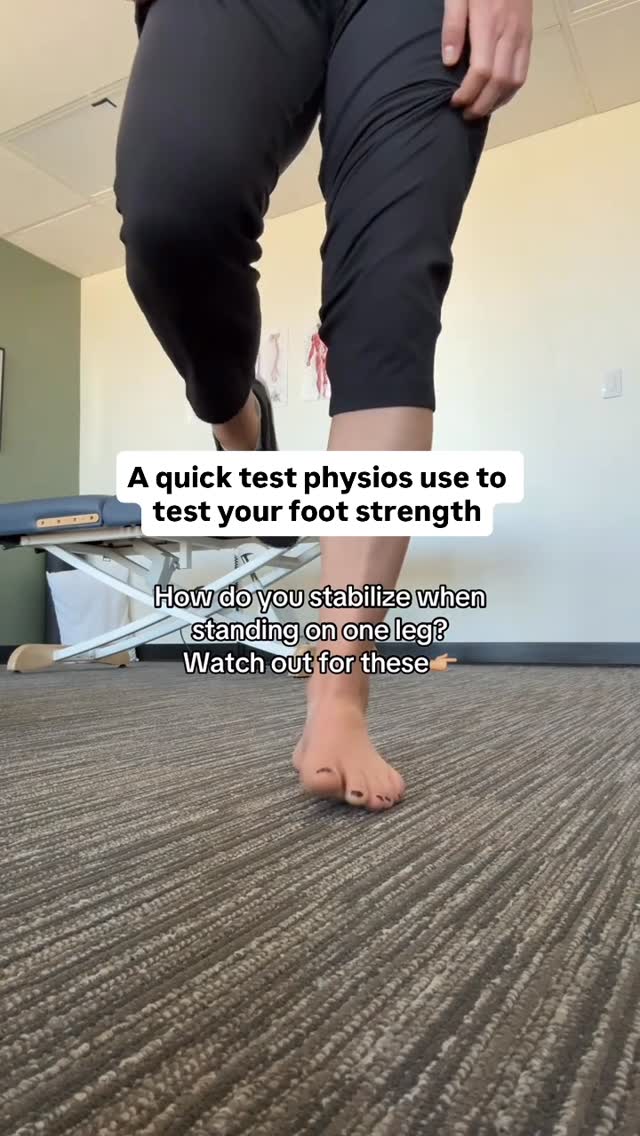
@minnemals How you lose your balance tells a lot of information of the underlying foot strength/weaknesses and what areas need work

@minnemals
Instagram · One Shot
@minnemals How you lose your balance tells a lot of information of the underlying foot strength/weaknesses and what areas need work
Performance
Video #24640 · One Shot
[01]
The creator, a physiotherapist, demonstrates a quick test for foot strength by standing on one leg. She then visually showcases three common signs of weakness—lifting the big toe and falling outward, the foot collapsing inward, and the toes scrunching—using text overlays to explain the specific muscle weaknesses each sign indicates.
[02]
[03]
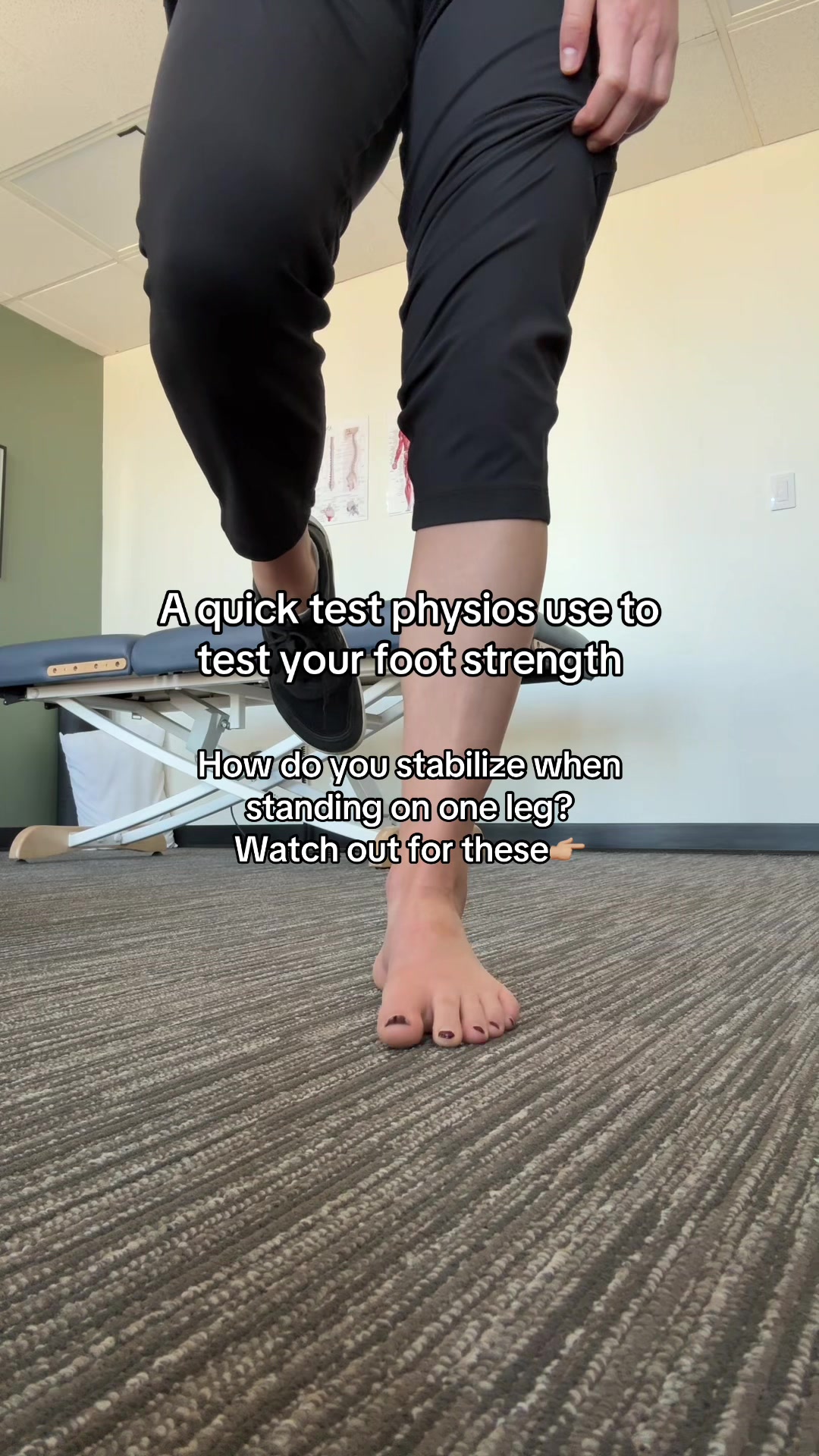 188.8KDemonstrating common foot balance errors@minnemals · Good vs Bad
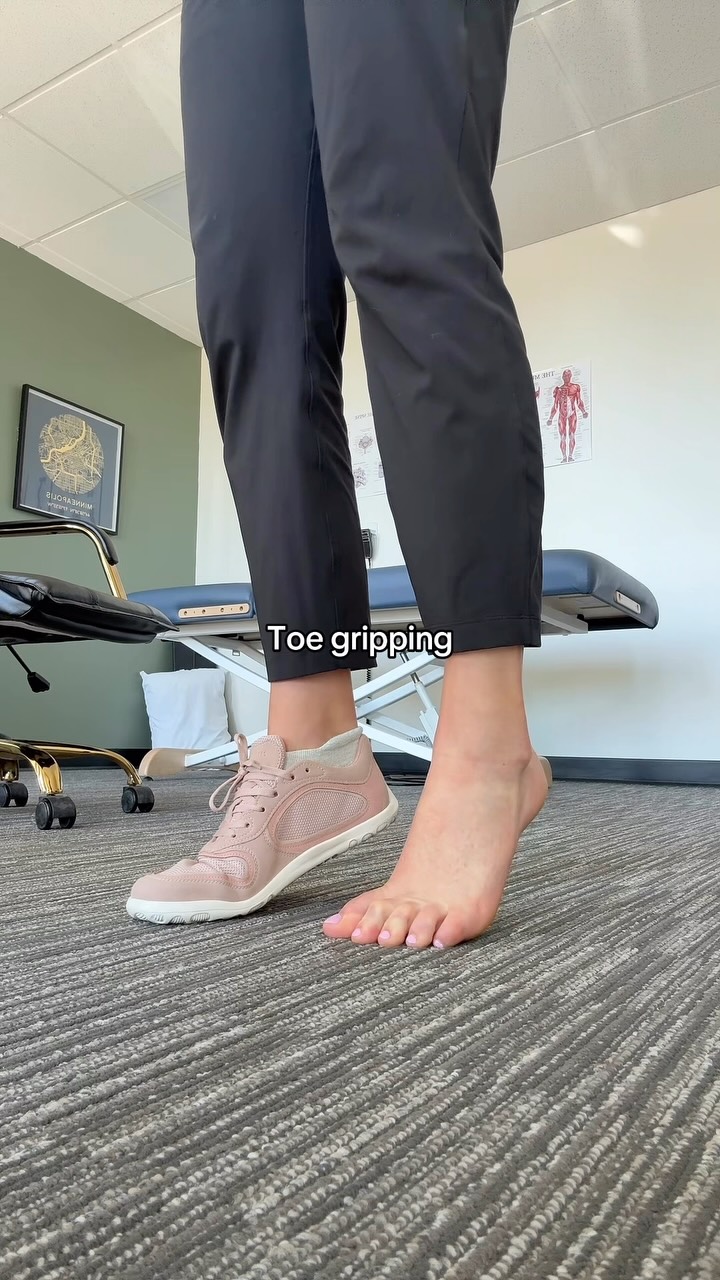 2M558×Visual signs of weak feet@minnemals · Rapid Fire Listicle
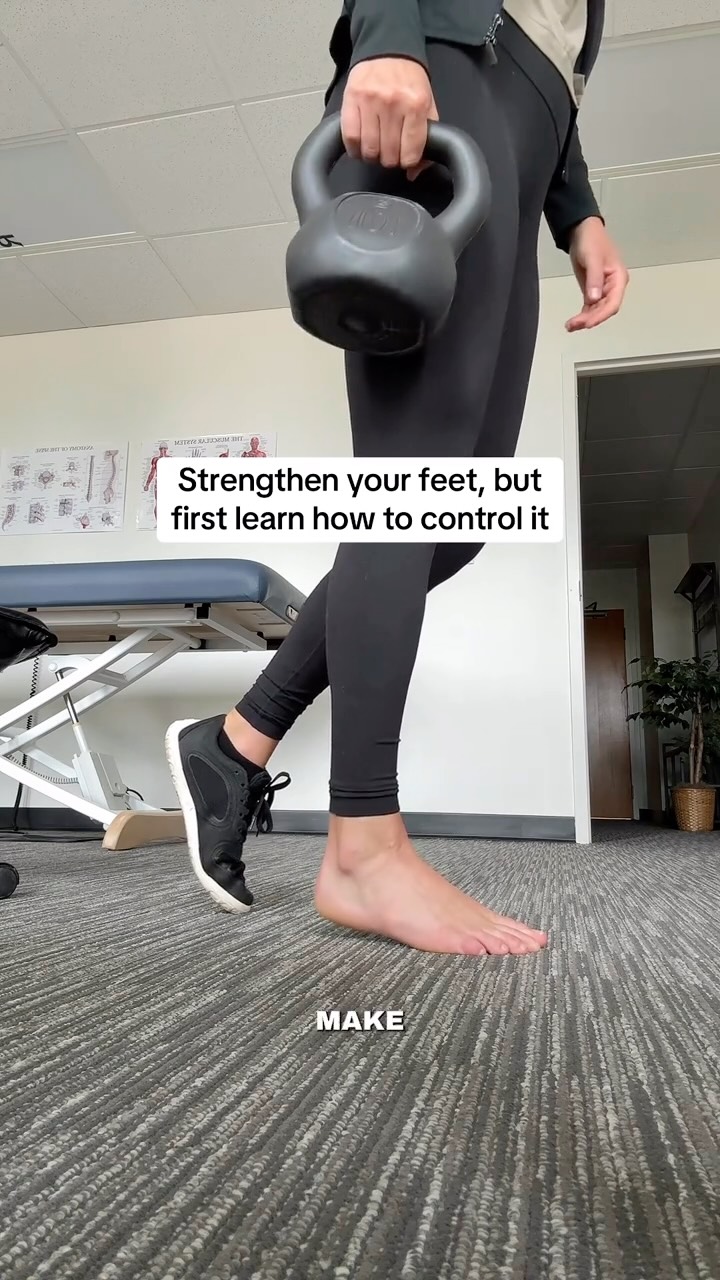 61.3KDemonstrates foot strengthening exercises@minnemals · Tutorial / How To
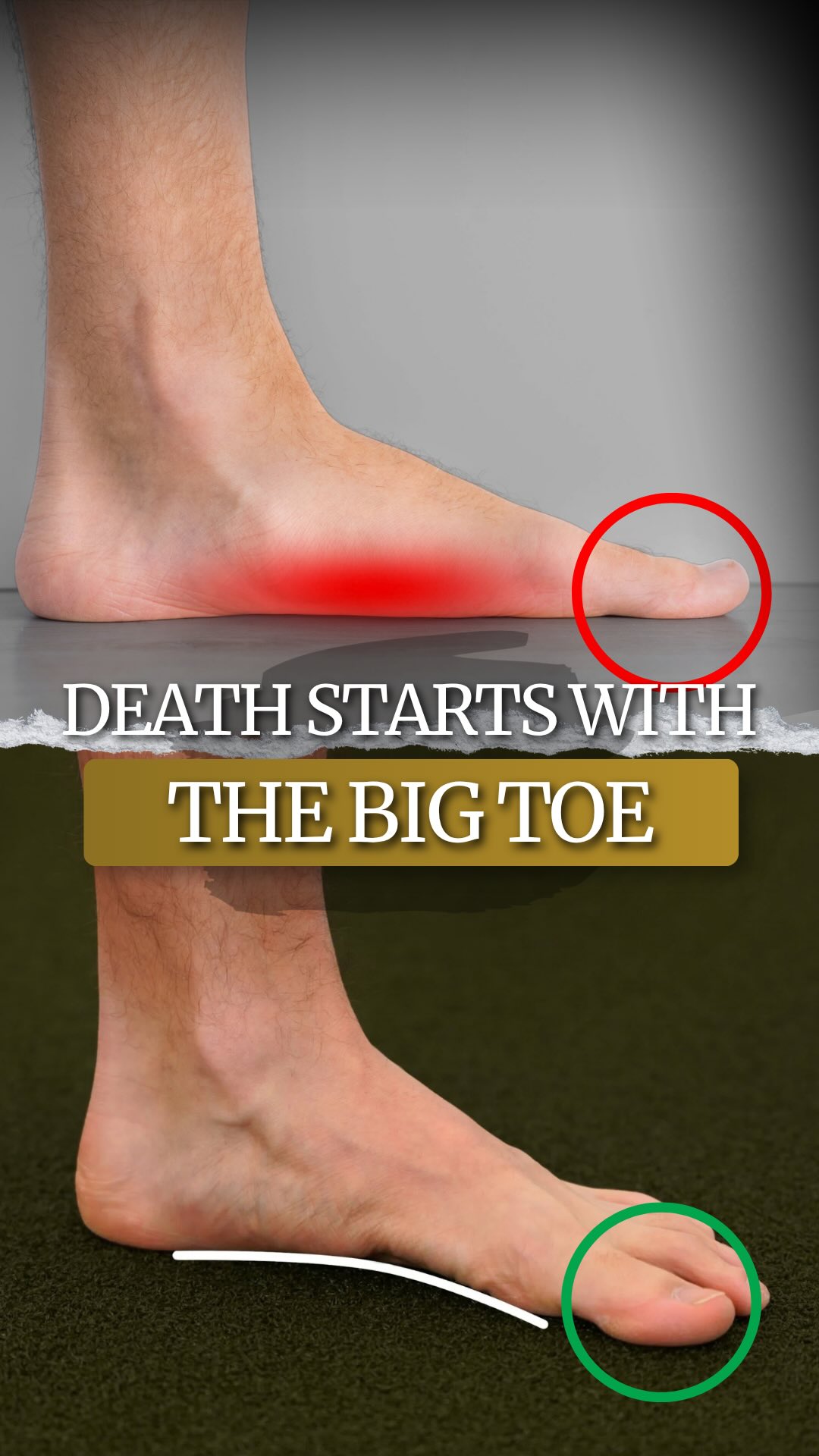 1.5M20.6×Foot health chain reaction explainer@fasciacompany · Breakdown
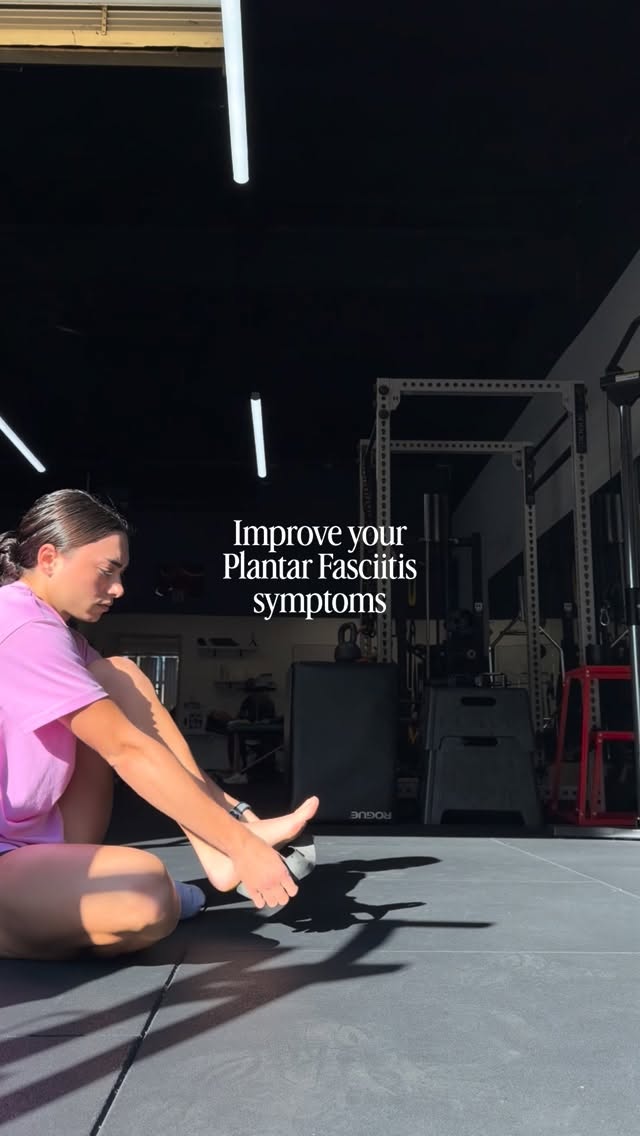 484K116.3×Foot pain exercise tutorial clips@athletic_edgept · Tutorial / How To
 414.6K7.6×How walking posture affects body@fasciacompany · Breakdown
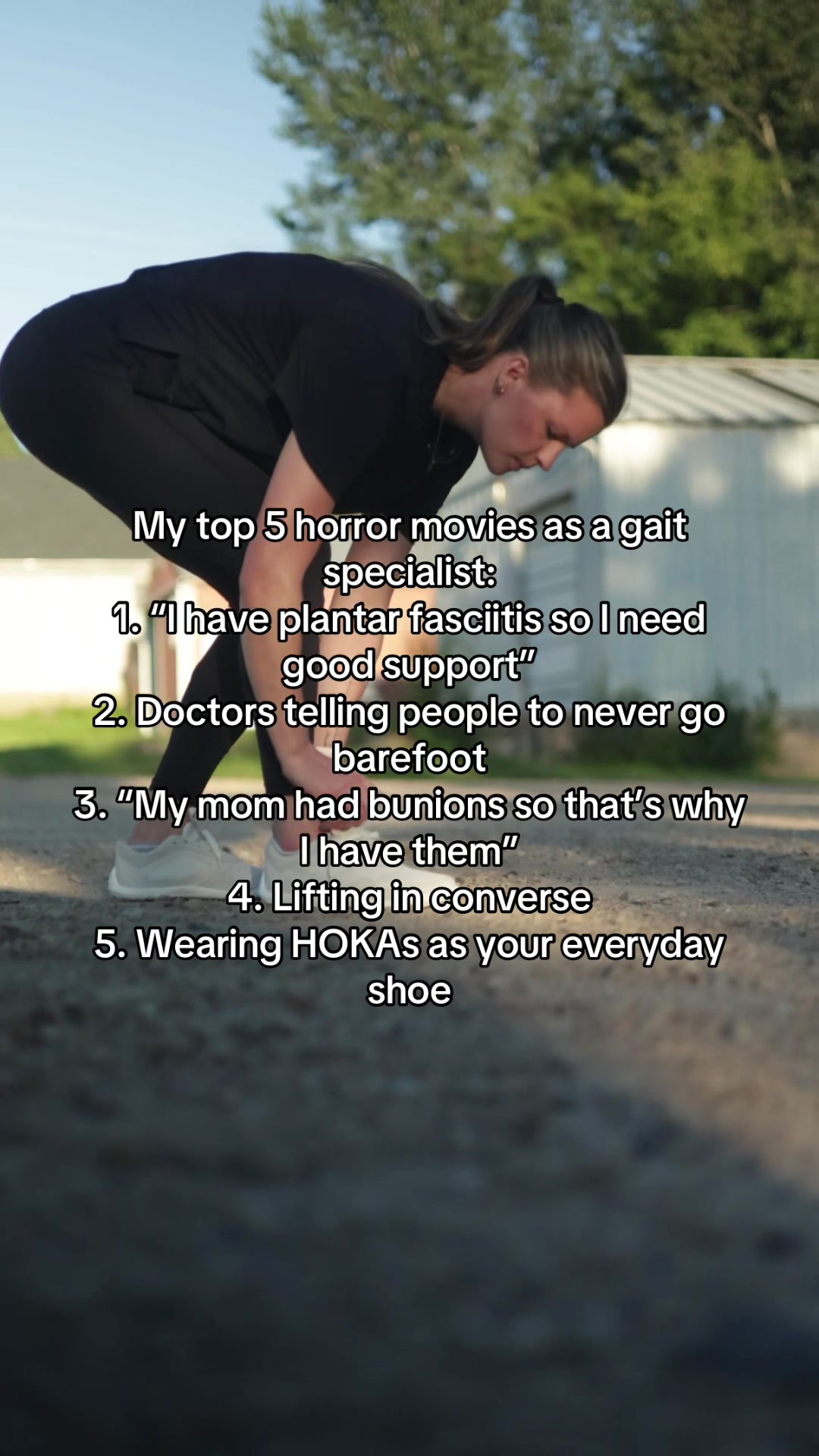 52KExpert lists common foot health mistakes@minnemals · Listicle One Shot
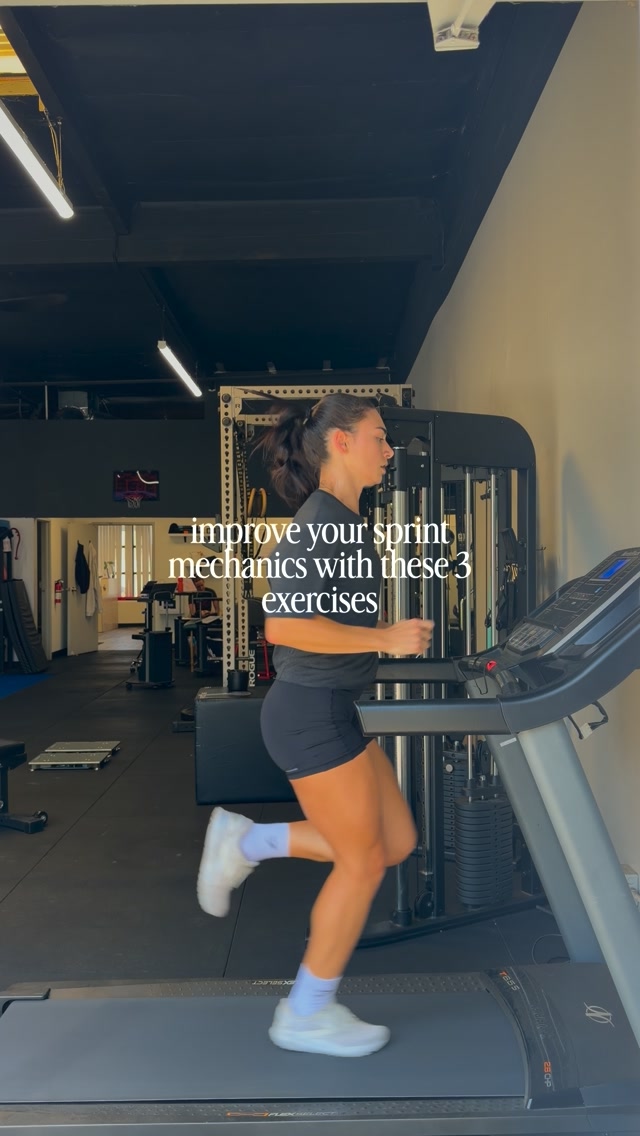 82.2KSprint mechanics exercise tutorial list@athletic_edgept · Tutorial / How To
 156.6K12.9×Fascia training athlete case study@hft.archives · Case Study Breakdown
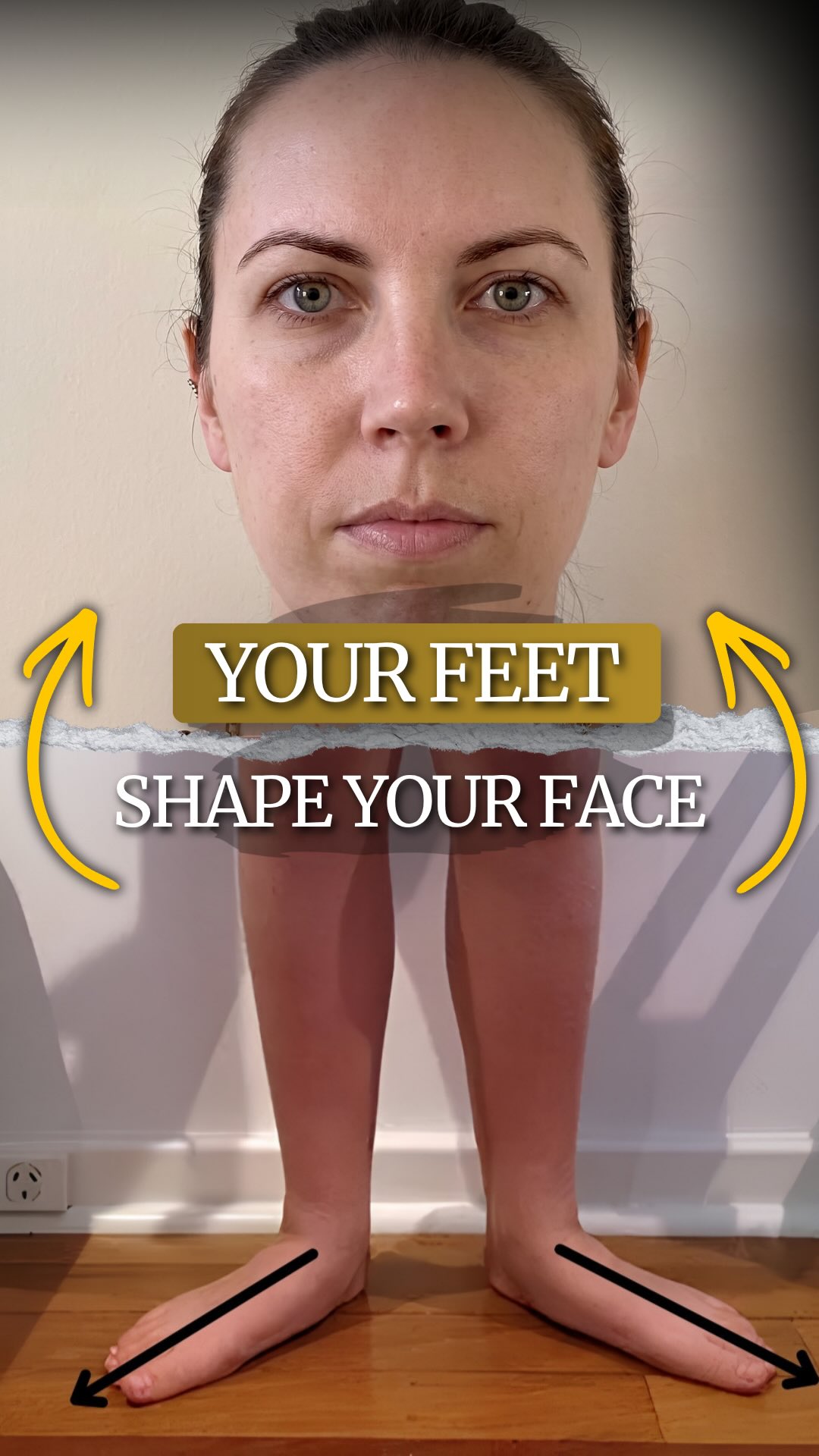 540.7K10.3×Connects foot posture to face@fasciacompany · Breakdown
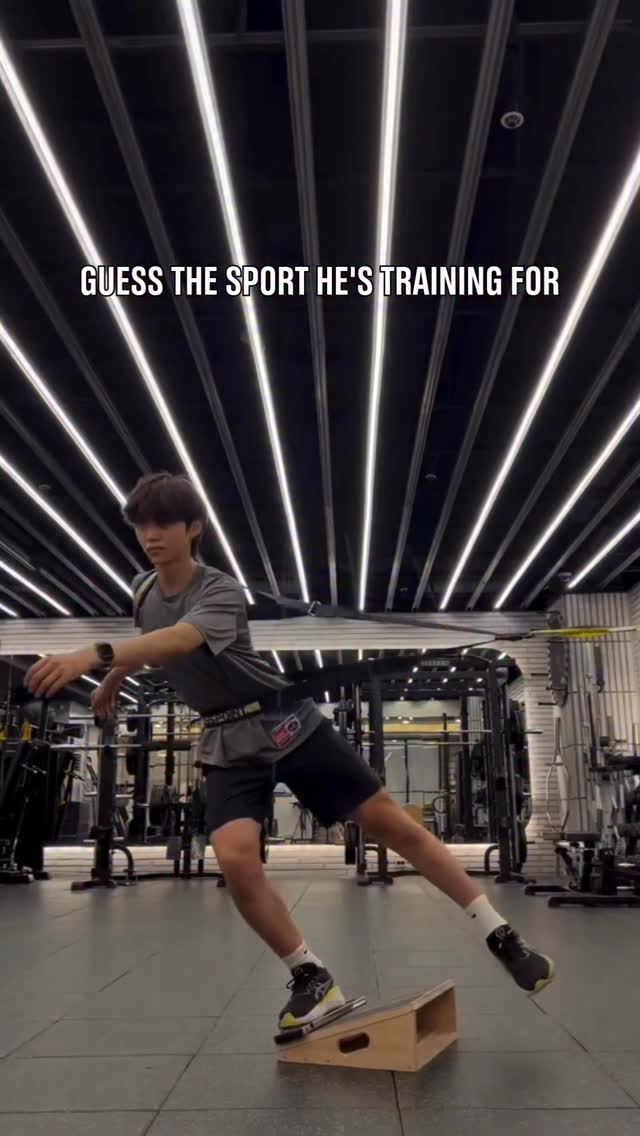 9.1M11.3×Guess the sport from exercise@olympics · Showcase
 1.9M151.3×Doctor lists six signs of longevity@nealkshah · Rapid Fire Listicle
[04]
[05]
What stops the scroll in the first 3 seconds
Title hook · 85%
A quick test physios use to test your foot strength
Visual hook · 15%
A medium close-up of the creator looking directly at the camera and holding up one finger, followed by a quick cut to a low-angle shot focusing on her feet on the floor.
[06]
Steal this for your own video
A quick test s use to check your .
[07]
The promise the opener makes, and how the video pays it back
Hook
A direct claim of expert knowledge ('physios use this') combined with a promise of a simple, valuable self-test, establishing immediate credibility and utility.
Payoff
The payoff is the cumulative diagnostic knowledge. The video ends abruptly after the last item, creating an open loop that implies the viewer now has a problem that the creator can help solve, driving follows and comments.
[08]
The structural pattern this video runs on
Framework
The Diagnostic Gauntlet
Presenting a simple self-assessment test and then systematically diagnosing the meaning behind different common failure modes, establishing authority and creating problem-awareness.
The Challenge Setup
Visually establishes the conditions of the test and explicitly tells the audience what to watch for, creating anticipation for the list of potential outcomes.
The First Failure & Diagnosis
Demonstrates the first common error and pairs it with an on-screen text diagnosis, establishing the video's core 'symptom-cause' pattern.
The Second Failure & Diagnosis
Demonstrates a second, distinct error and provides its corresponding diagnosis, offering another opportunity for viewer self-identification and reinforcing the creator's expertise.
The Final Failure & Diagnosis
Demonstrates the last error and diagnosis, completing the list and delivering the final piece of value before the video loops.
How you lose your balance tells a lot of information of the underlying foot strength/weaknesses and what areas need work
title · beginning
A quick test physios use to test your foot strength
informational · beginning
How do you stabilize when standing on one leg? Watch out for these
informational · middle
Lifting off big toe and falling outward (weak big toe engagement and peroneals)
informational · middle
Falling inward: uncontrolled pronation and weak supinator muscles
informational · middle
Toes scrunching: weak foot intrinsic muscles