@higherupwellness
Instagram · Single Take
@higherupwellness Here’s to growing our anterior midcingulate cortexes together

@higherupwellness
Instagram · Single Take
@higherupwellness Here’s to growing our anterior midcingulate cortexes together
Performance
Video #28168 · Single Take
[01]
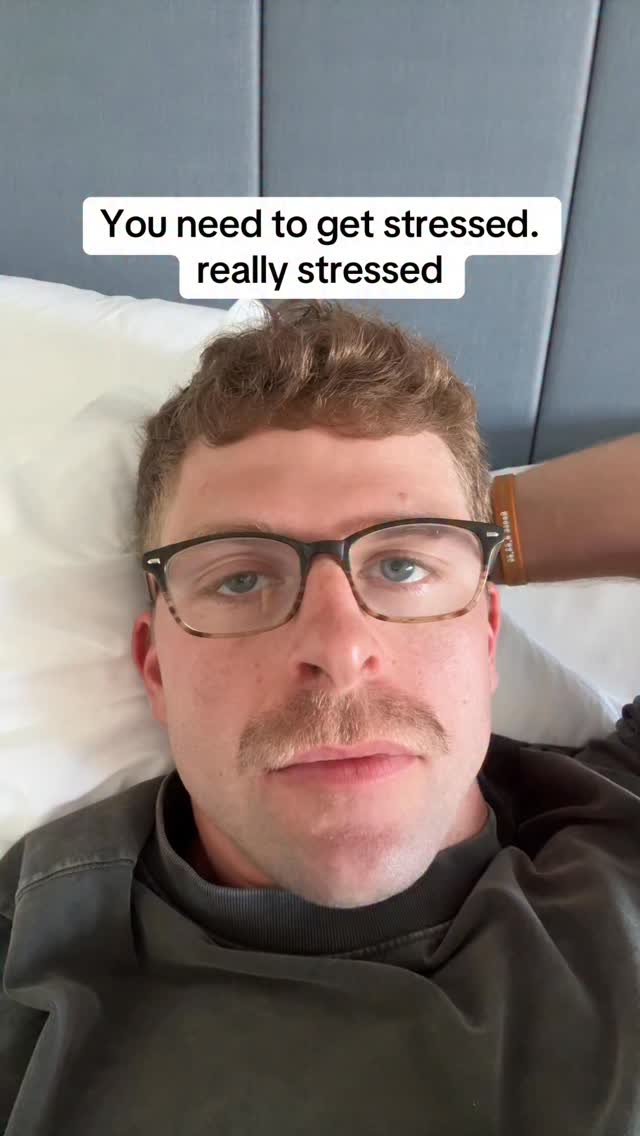
The creator, lying in bed after a 20-mile run, explains the concept of "manufactured stress." He argues that voluntarily engaging in difficult activities like long runs or ice baths trains the brain to better handle involuntary life stressors, as the brain doesn't differentiate the source of stress hormones. He supports this with a quote from Andrew Huberman and a personal anecdote about how doing hard things prepared him for a difficult 18-month period in his life, before concluding that he's going to take a nap.
[02]
[03]
 395K34.5×Cinematic trailer for athlete's race@bpnsupps · Journey Documentation
 189.8KShowing discipline through any emotion@lachiecubis · Motivational Mantra
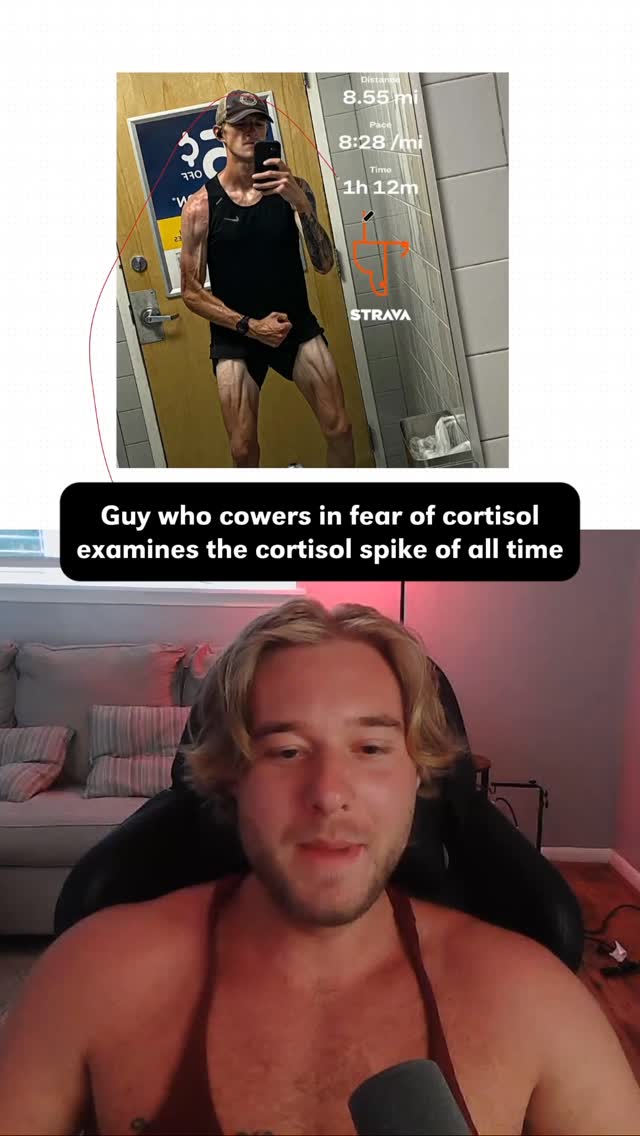 621.9K41.5×Creator critiques running with visuals@reecebrah · Hot Take
 105.6K20×Question answered with workout montage@lachiecubis · Motivational Mantra
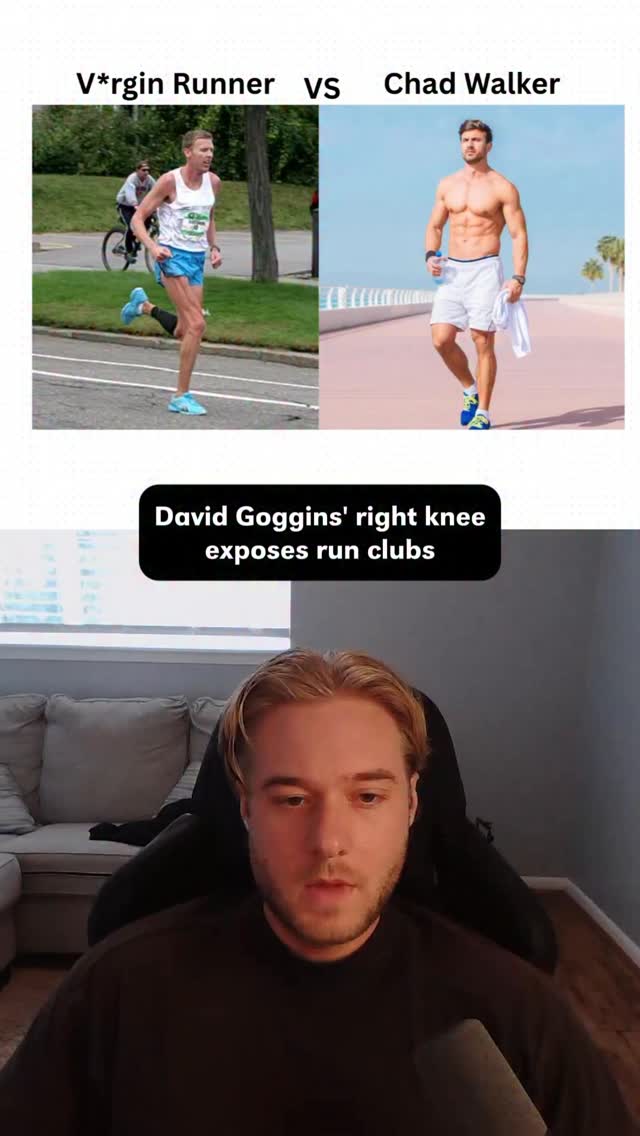 1.6M25.5×Creator critiques running using meme.@reecebrah · Hot Take
 575.9K25.2×Motivational speech over workout montage@jack.d_fitness · Motivational Mantra
 350.3K1.8×Showcasing a disciplined morning routine@colewinarick · Value Vlog
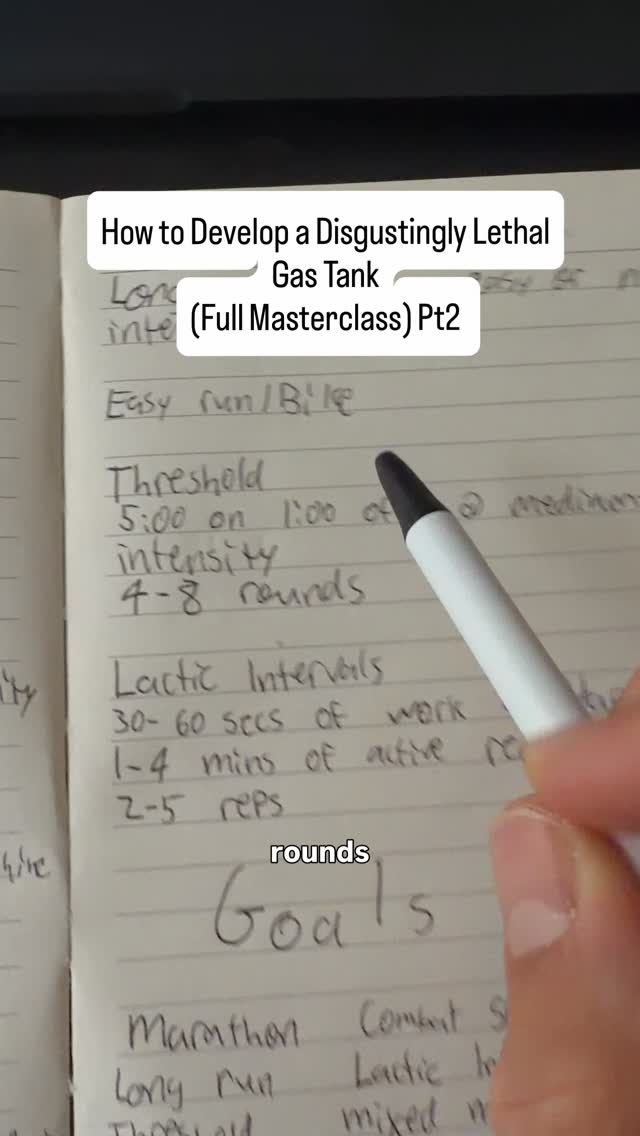 164.7K77.8×Points at notebook explaining workouts@brandon_trajano · Tutorial / How To
 232.3KCreator vlogs run without sleep@bigjohngolfs · Journey Documentation
 127.8K45.5×Motivational fitness montage answers question@lachiecubis · Motivational Mantra
 227.3K3.3×Tells story of running challenge@marcusmilione · Vulnerable Monologue
 88KAthlete case study explains training@abby_storer · Case Study Breakdown
[04]
[05]
What stops the scroll in the first 3 seconds
Title hook · 55%
You need to get stressed. really stressed
Verbal hook · 40%
I just ran 20 miles, and as it usually does, it sucked.
Visual hook · 5%
An intimate, close-up shot of the creator lying in bed, making direct eye contact with the camera, creating a raw and personal feel.
[07]
The promise the opener makes, and how the video pays it back
Hook
Begins with a candid admission of a difficult, relatable experience to establish immediate common ground and authenticity.
Payoff
Delivers a feeling of empowerment and intellectual clarity, providing the viewer with a new, actionable framework for handling a universal life challenge.
[08]
The structural pattern this video runs on
Framework
The Relatable Revelation
To transform a common personal struggle into a profound, actionable life lesson by building a logical argument supported by simplified science, expert authority, and personal testimony.
The Relatable Anchor
Grounds the narrative in a specific, visceral, and commonly understood negative experience, making the speaker instantly relatable.
The Conceptual Pivot
Transitions from the personal experience to a broader, more profound idea, often sparked by an external catalyst like a conversation or observation.
The Simplified Science
Introduces a simplified, binary scientific or logical premise (e.g., 'stress or no stress') to serve as the foundation for the core argument, lending it an air of authority.
The Equalizer Principle
Generalizes the premise by demonstrating how it applies to a wide range of disparate situations (physical, financial, emotional), making the concept universally relevant to the audience.
The Strategic Prescription
Presents the central thesis as an actionable strategy or mental model that directly addresses the challenges introduced earlier.
The Authority Stamp
Validates the thesis by citing a recognized expert, study, or quote, borrowing credibility and reinforcing the argument's legitimacy.
The Personal Testimony
Provides a powerful, personal anecdote that serves as a case study, demonstrating the successful application of the thesis in the creator's own life and adding emotional weight.
The Final Mandate
Concludes the argument with a concise summary and a simple, memorable instruction, encouraging the audience to adopt the new mindset without overthinking it.
Here’s to growing our anterior midcingulate cortexes together
title · throughout
You need to get stressed. really stressed
I just ran 20 miles, and as it usually does, it sucked. But I had a conversation with this guy, Tommy, I was running with today about the importance of stress being manufactured no that when unmanufactured, involuntary stress in your life comes upon you, you can handle it better. Our brains only and some of this is theoretical in my opinion. Our brains only recognize from a physiological and neurological standpoint stress or no stress. Meaning, it only recognizes cortisol, epinephrine, norepinephrine. It doesn't know if you're getting it from an ice bath or a long run when you're in pain, a sauna, or that your rinse due and it's late and you don't have the money or you have a sick parent. It doesn't recognize where stress comes from. It only recognizes stress. So in theory, if we can manufacture stress and sit in the stress of long runs, hot saunas, hard workouts, cold water, and say tier okay in this state, then we can better change our brain's relationship to real life stress. Andrew Huberman has this great quote. He says, we should do self elected hard things so that when life's nonelected challenges arise, we can say, I don't know how I'm gonna do get through this, but I know that I can do hard things. I, for one, went through a horrific eighteen month period of my life that I did not ask for. It was very involuntary, and I firmly believe that all the hard things I had done leading up to that taught my brain that we could sit in extreme stress and regulate our nervous system. Anyway, that's my thought for the day. I'm gonna take a nap. Oh, shit. It isn't easy, but it is simple. Don't over complicate