@thejaunt_
Instagram · Yap

@thejaunt_ Women sabotaging women

@thejaunt_
Instagram · Yap
@thejaunt_ Women sabotaging women
Performance
Video #28583 · Yap
[01]
The speaker presents a controversial thesis that 'women supporting women' is often a form of covert sabotage. He argues that women are incredibly competitive but hide it, providing examples like hairdressers giving bad haircuts to prettier clients and friends giving poor relationship advice. He concludes by stating that while genuine support exists, much of the performative support seen online has a 'nefarious energy' and feels inauthentic.
[02]
[03]
 549.3K18.2×Controversial take on women at work@womp_tomp · Hot Take
 642K267.9×Rebuts stereotype with personal story@addietheoptimist · Hot Take
 135.9K7.5×Commentary on another creator's behavior@womp_tomp · Breakdown
 805.6K10.5×Podcast debate on gender stereotypes@chriswillx · Debate
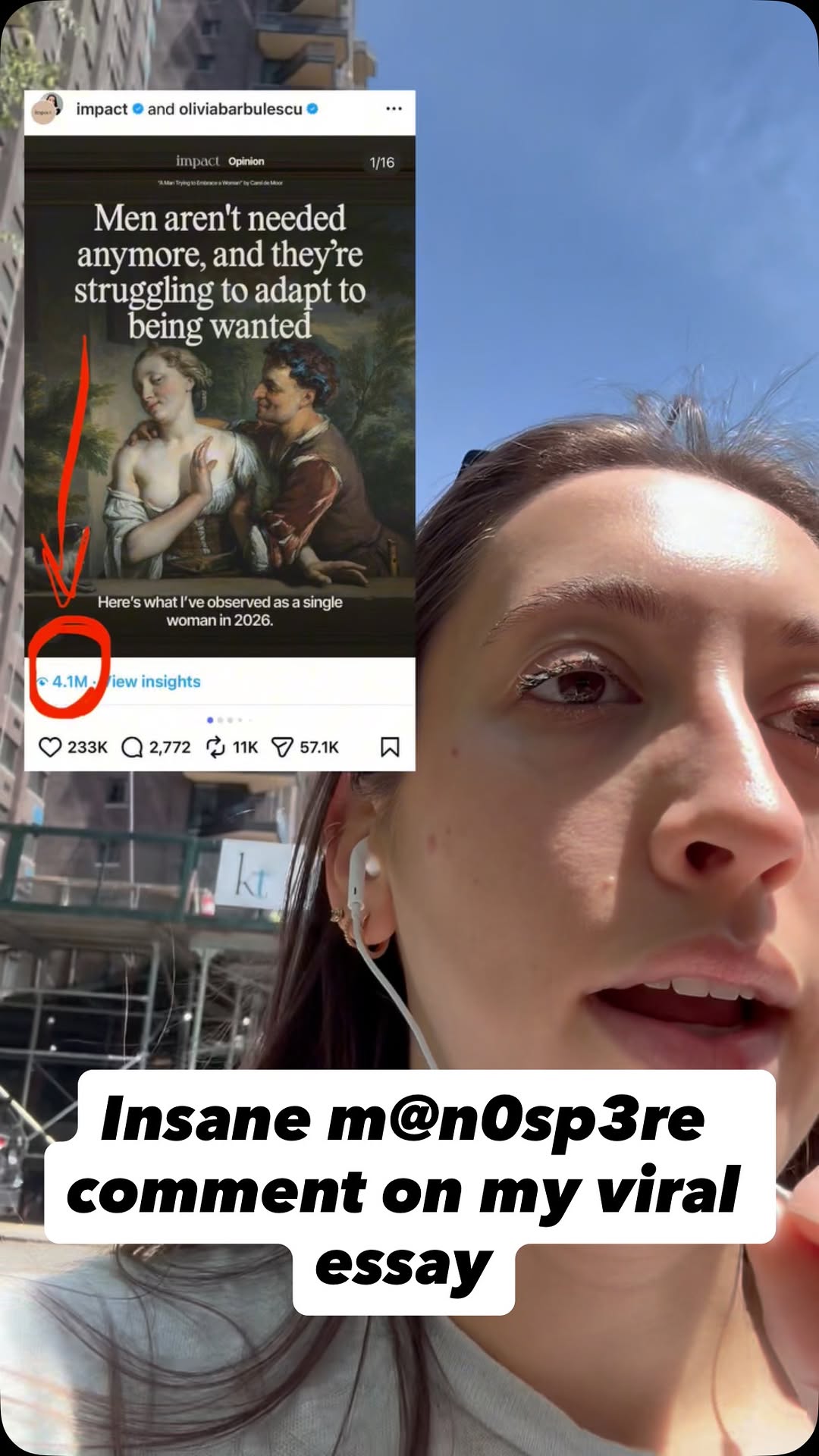 472.3K44.3×Creator deconstructs a hostile comment@oliviabarbulescu · Q&A Response
 492.7K8.4×Declarative statement about personality type@viralclubhouse_ · Hot Take
 758.9KExplaining capitalism's effect on dating@_glassmuseum · Breakdown
 3.2M380×Would you rather dating scenario@avni · This or That
 3.4M9.1×Podcast clip sharing crazy revenge story@codiesanchez · Anecdotal Philosophy
 1.5M3.8×Exposing contradictory motherhood standards@gracebeverley · Cultural Rant
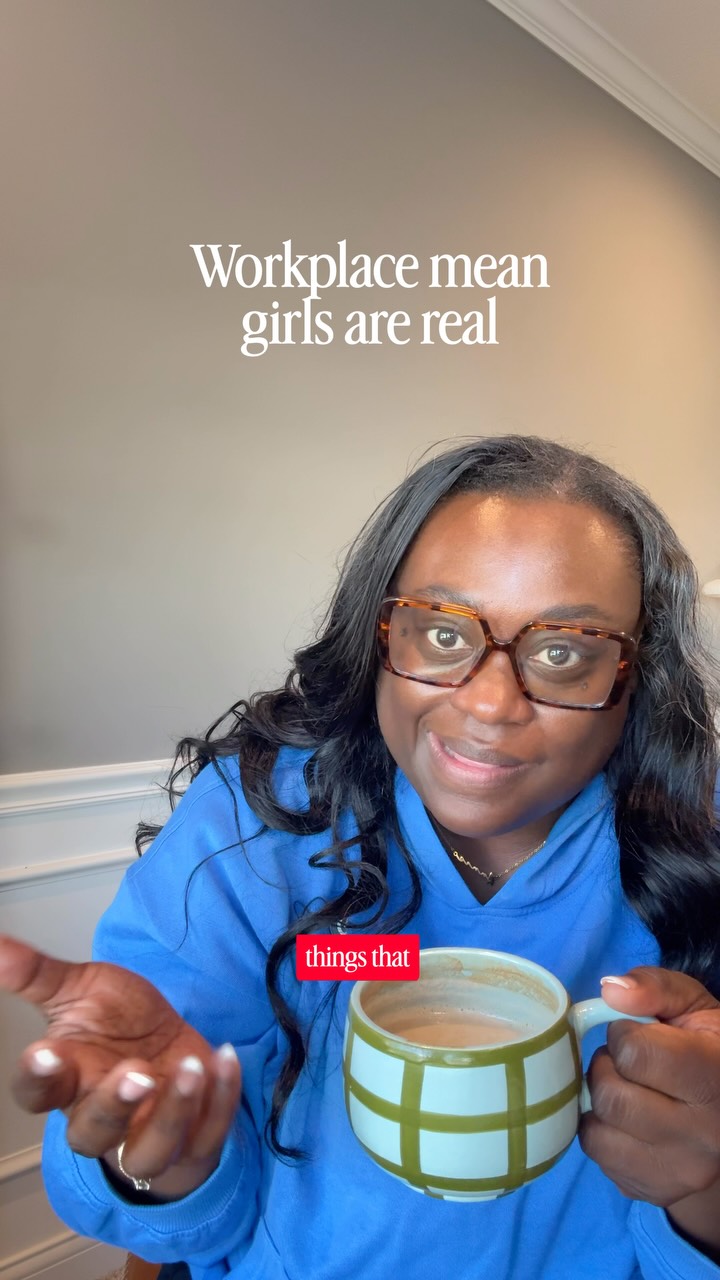 600.9K15.9×Sharing toxic workplace mean girls story@roxycouse · Vulnerable Monologue
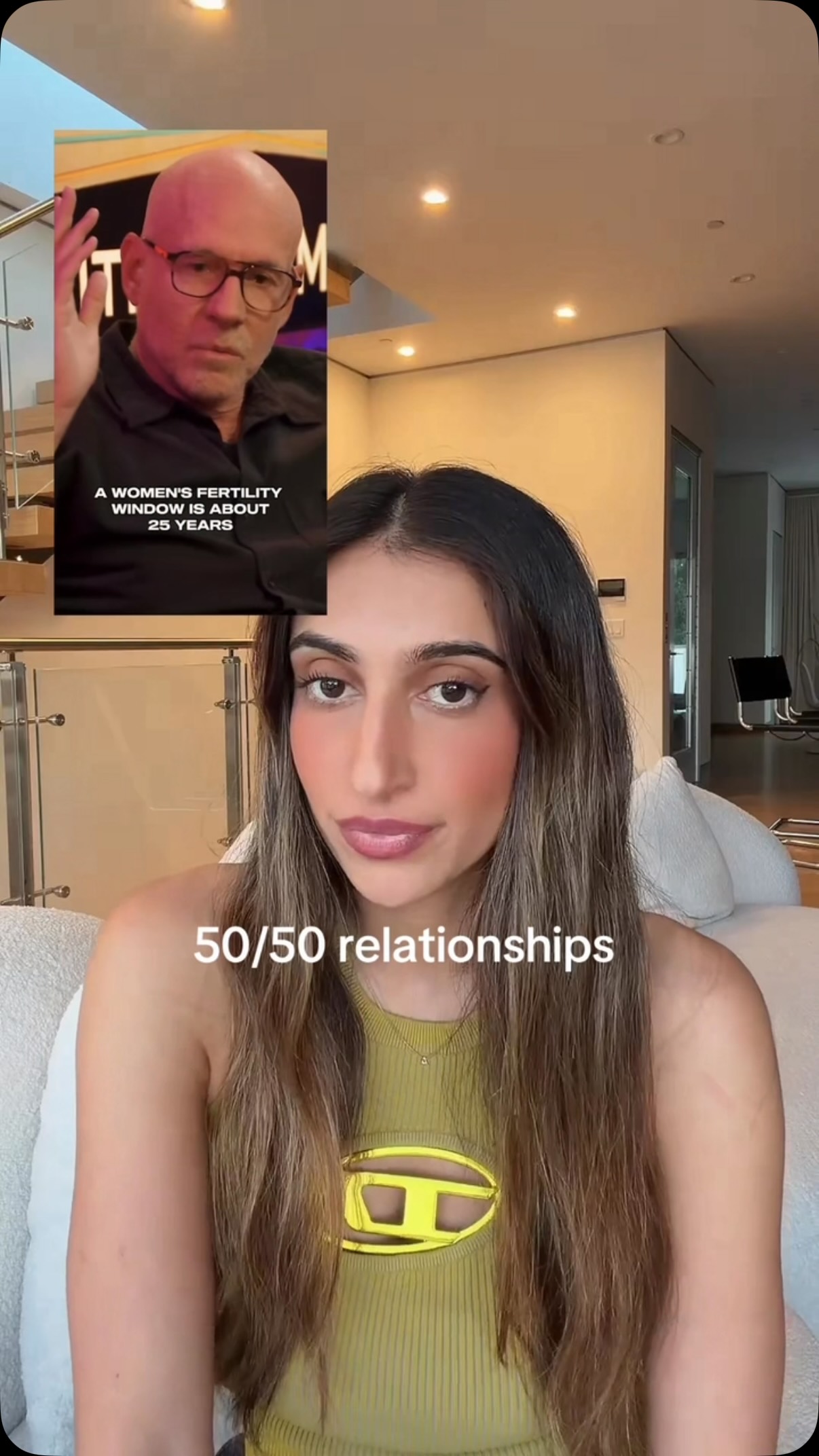 90.4K4.7×Creator reacts, shares relationship take@avni · Reaction
[04]
[05]
What stops the scroll in the first 3 seconds
Verbal hook · 75%
Women supporting women is oftentimes covert sabotage.
Visual hook · 25%
A medium close-up of the speaker looking directly and seriously into the camera, creating immediate human interest and a confrontational feel.
[06]
Steal this for your own video
is often .
[07]
The promise the opener makes, and how the video pays it back
Hook
A provocative, counter-narrative statement that challenges a widely accepted social norm or belief, immediately creating intrigue and division.
Payoff
An appeal to pure intuition, concluding that the 'feeling' of wrongness is the ultimate proof. This makes the argument emotionally resonant and difficult to refute with logic, validating the audience's suspicions.
[08]
The structural pattern this video runs on
Framework
The Covert Sabotage Framework
To present a controversial, counter-intuitive observation about a common social behavior, support it with relatable but unverified examples, and conclude by validating the viewer's gut feeling that something is 'off,' positioning the creator as a truth-teller.
The Psychological Premise
Explain the underlying, often hidden, human motivation that supposedly drives the behavior described in the hook, establishing a theoretical foundation for the argument.
The Evidence Cascade
Present a series of examples to support the premise, starting with a semi-authoritative one (a 'study') and transitioning to more common, relatable life scenarios (relationship advice, social media comments).
The Nefarious Reveal
Synthesize the examples to conclude that there is a hidden, negative intent or 'energy' behind the seemingly benign behavior, framing it as a widespread, unspoken conspiracy.
The Strategic Disclaimer
Briefly acknowledge the existence of exceptions to the rule. This inoculates the argument against accusations of overgeneralization and makes the speaker appear more reasonable and nuanced.
Women sabotaging women
Women supporting women is oftentimes covert sabotage. Like, women are incredibly competitive, perhaps even more than men, but they they don't allow themselves to show it, so it all has to be under the table. I talked before about how there was that study where they found that female hairdressers will kind of, like, sabotage their client's haircut and tell them that they should get it really short if they think that their client is prettier than them. I think girls do this with relationship advice. They'll tell their friend, like, break up with that guy. You could do better or, like, no. You should explore. Sleep around. You got all the time. Meanwhile, she's, like, 34 or whatever. Instagram photos where they post and it's unhealthy, and then everyone's like, perfect the way you are. Don't change anything. Love you so much. It's like, I don't know. It it seems blatantly obvious there's a nefarious energy behind many of those comments, many of those suggestions. I'm not saying that there's never girls genuinely supporting other girls. It's just you can feel that there's something wrong with the energy. It doesn't feel real.