@kidflamess
Instagram · Speaker address
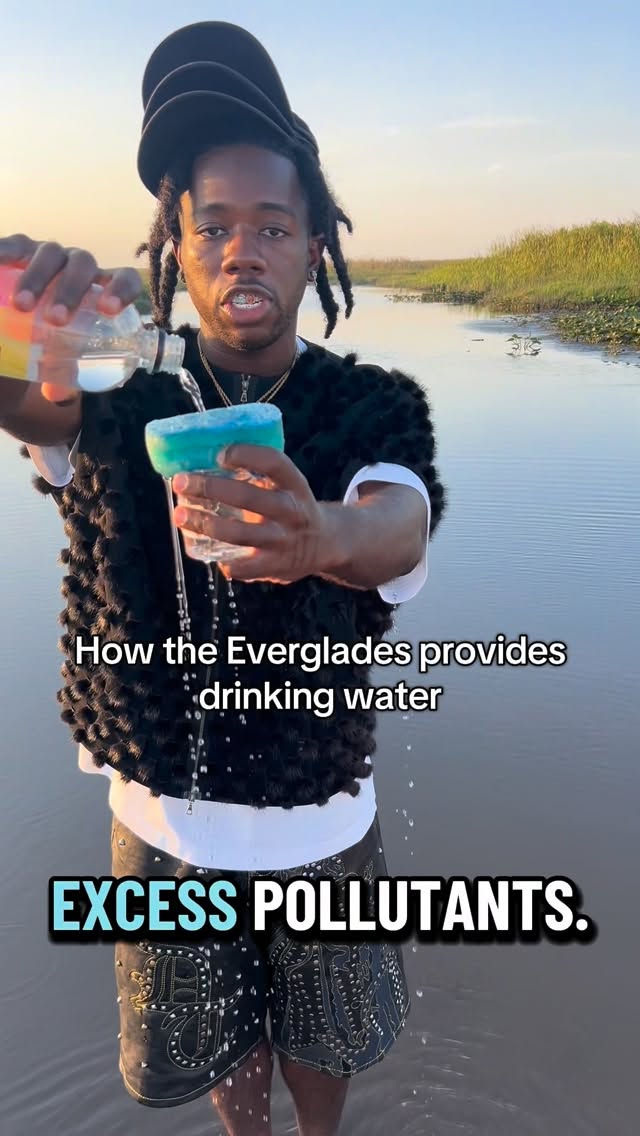
@kidflamess This is how the Everglades turns rain into drinking water for millions for people in South Florida. #researcher #wetlands #drinkingwater #ecology #stem

@kidflamess
Instagram · Speaker address
@kidflamess This is how the Everglades turns rain into drinking water for millions for people in South Florida. #researcher #wetlands #drinkingwater #ecology #stem
Performance
Video #28716 · Speaker address
[01]
The creator stands in a wetland environment and uses a sponge as an analogy for the Everglades to demonstrate how it absorbs and filters rainwater. He explains that plants and soil remove pollutants before the water moves into underground aquifers, which then undergoes further filtration to become clean drinking water for people.
[02]
[03]
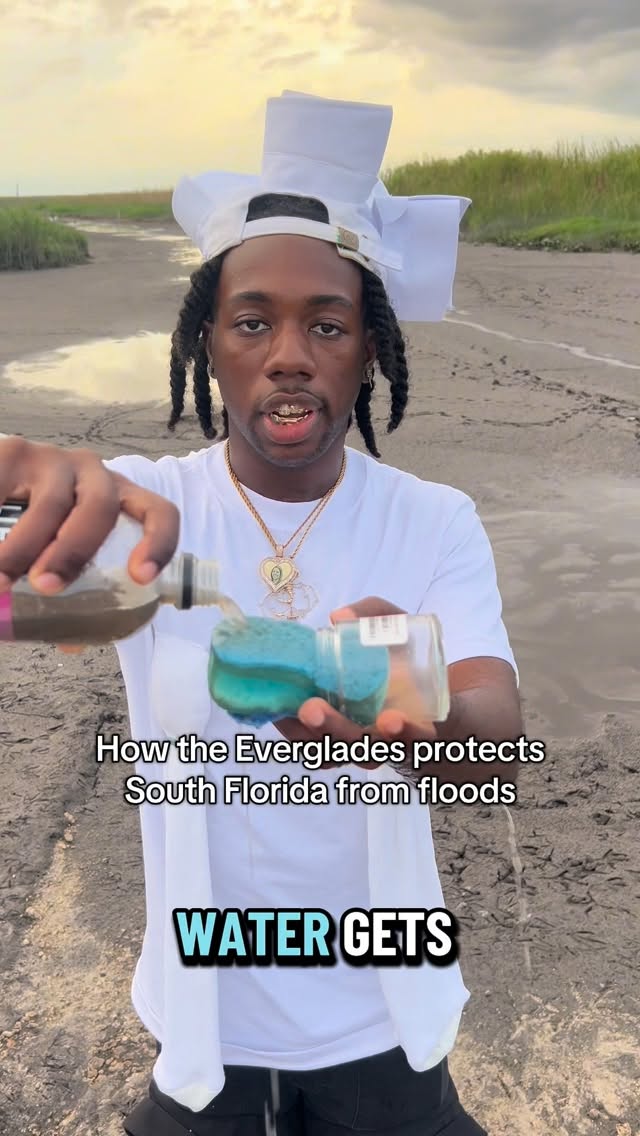 296K12.4×Explains nature with sponge analogy@kidflamess · Opportunity Explainer
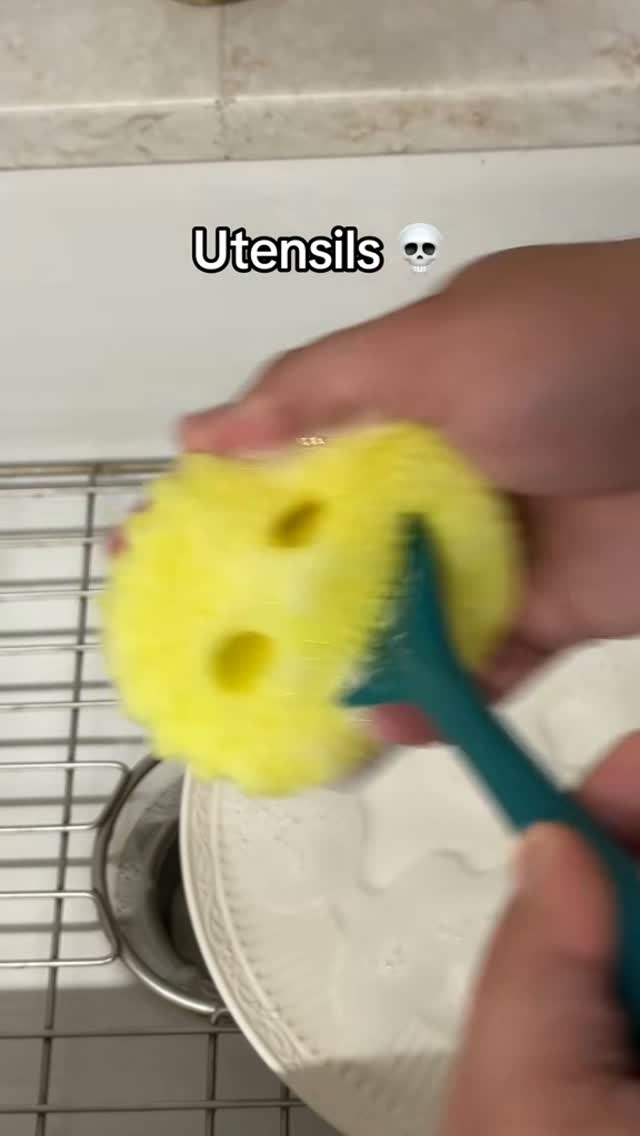 16.2M36.4×Relatable sponge cleaning meme video@scrubdaddy · Relatable One Shot
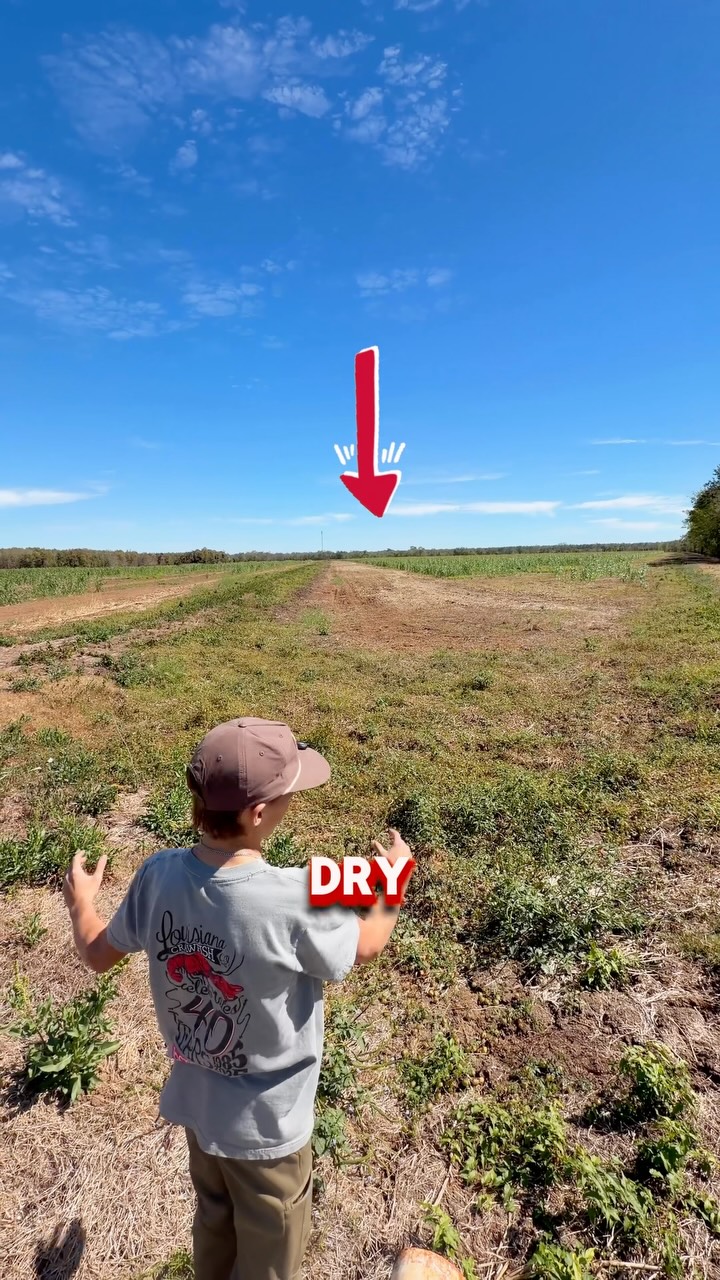 172.3K106.8×Son solves farm's water problem@lacrawfishco · Skit
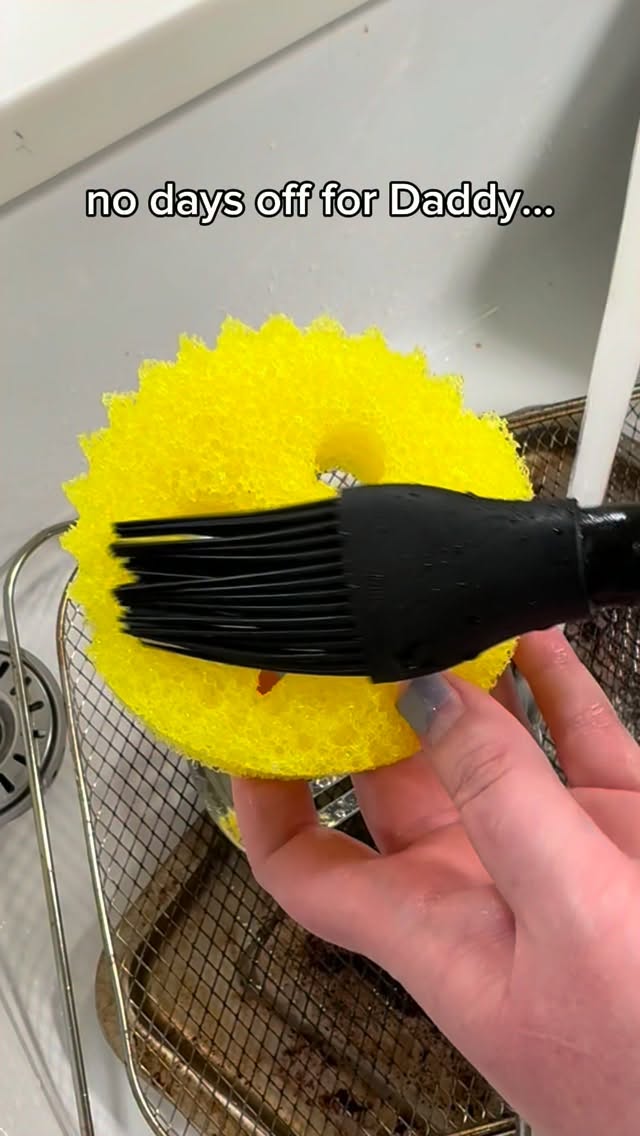 1.8M141.8×Personified sponge cleaning montage@scrubdaddy · Character Introduction
 215.4K23.2×Animated frog casts autumn spell@pinesol · Relatable Skit
 217.8K4.6×Son helps dad demo product.@noble.design.dessau · Product Demo
 5.4M7.3×Relatable cleaning struggle meme format@scrubdaddy · Relatable Skit
 149.9K35.4×Surreal animated product pitch skit@pinesol · Satirical Product Pitch
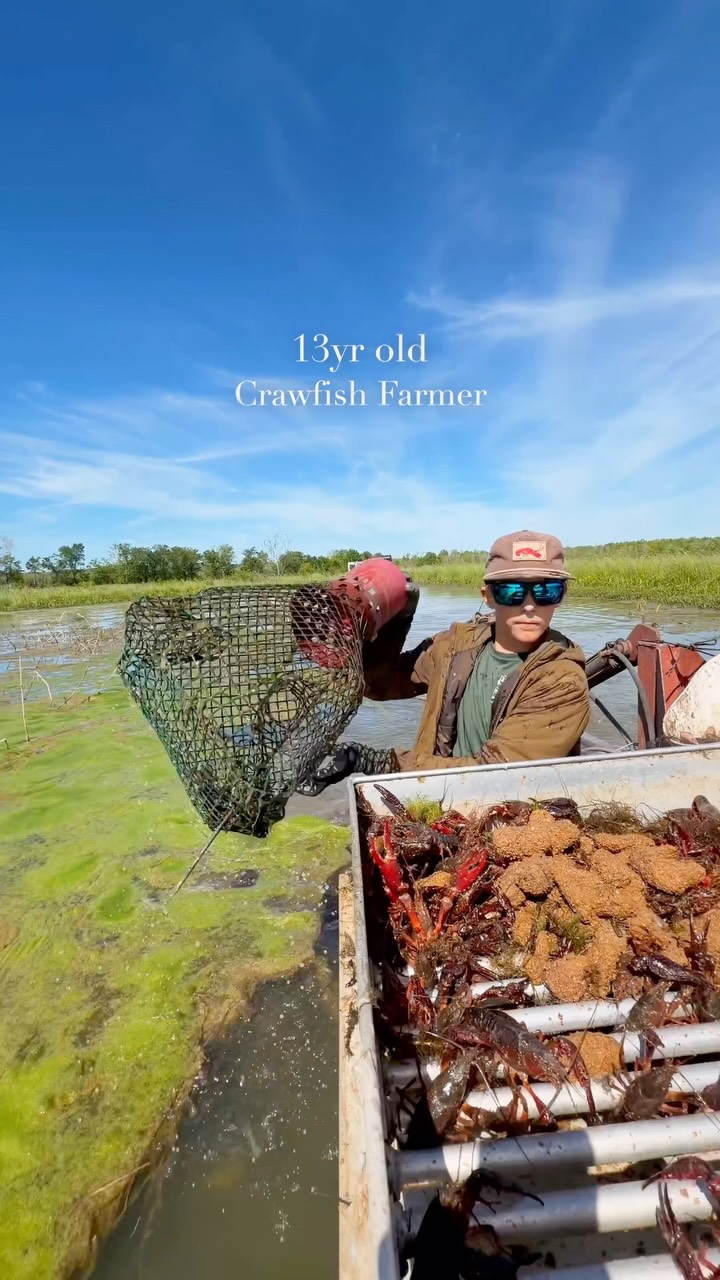 622.1K122.9×Young farmer shows crawfish harvesting@lacrawfishco · Process
 1.5M2×Introducing a gang of sponge characters@scrubdaddy · Brand Manifesto
 2.8M2.2×Sensual parody ad for sponges@scrubdaddy · Brand Manifesto
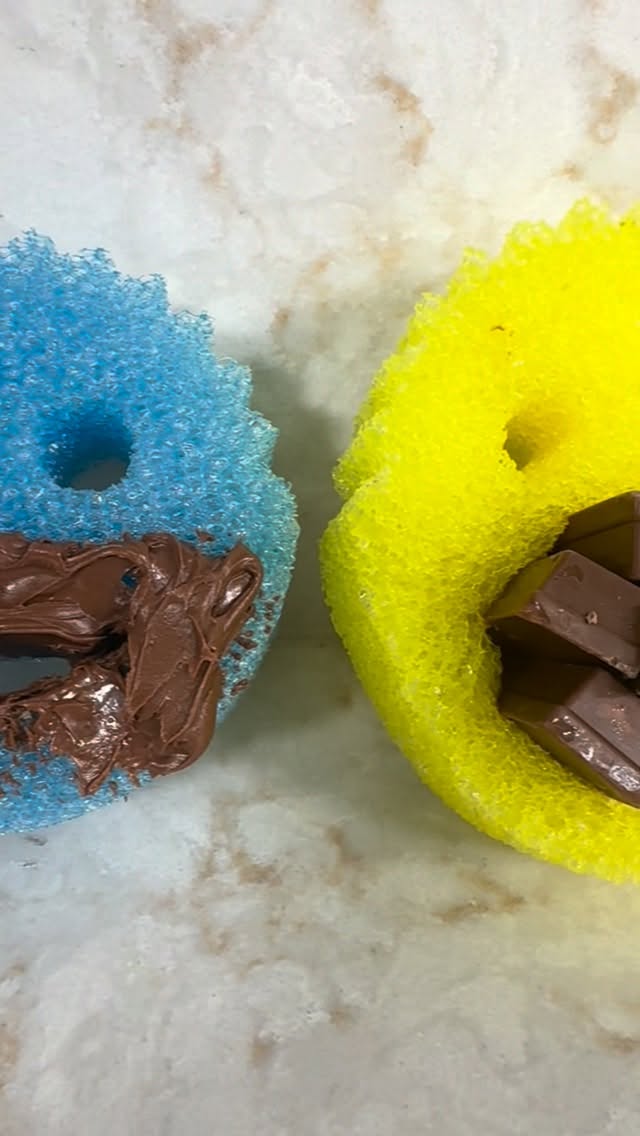 1M65.2×Product personification comedy skit@scrubdaddy · Skit
[04]
[05]
What stops the scroll in the first 3 seconds
Title hook · 45%
How the Everglades provides drinking water
Verbal hook · 35%
How the Everglades provides drinking water to people.
Visual hook · 20%
A man standing in a body of water, holding a sponge and a bottle, creating an unusual and contextually relevant setting.
[07]
The promise the opener makes, and how the video pays it back
Hook
A direct, curiosity-stoking question that clearly states the video's educational purpose and promises a clear explanation.
Payoff
The final outcome is explicitly stated, directly and satisfyingly answering the question posed in the hook and connecting the entire process to a relatable result.
[08]
The structural pattern this video runs on
Framework
The Analogical Explainer
To explain a complex, abstract, or large-scale process by mapping it onto a simple, physical, and relatable analogy that can be visually demonstrated step-by-step.
The Tangible Metaphor
The complex subject is immediately simplified by equating it to a common, understandable object, making the abstract concept accessible.
The Process Demonstration
The primary action of the process is visually demonstrated using the metaphor, grounding the explanation in a physical, observable event.
The Invisible Layer
A secondary, less-visible part of the process is explained verbally, adding a layer of scientific detail and depth to the visual demonstration.
The Subterranean Transition
The narrative moves from the visible surface-level process to the next, hidden stage, introducing a new environment and concept.
The Technical Term Defined
A key scientific term is introduced and immediately defined in simple, accessible language, educating the viewer without causing confusion.
The Final Polish
The last step of the process is stated, completing the sequence and setting up the final conclusion.
This is how the Everglades turns rain into drinking water for millions for people in South Florida. #researcher #wetlands #drinkingwater #ecology #stem
title · throughout
How the Everglades provides drinking water
contextual · beginning
EVERGLADES
title · beginning
DRINKING WATER TO
title · beginning
PEOPLE.
informational · middle
WHEN IT RAINS, WETLANDS SUCKS UP ALL THAT WATER,
informational · middle
AND THE PLANTS AND SOIL ALSO EXCESS POLLUTANTS.
informational · middle
MOVES INTO THESE AQUIFERS,
informational · end
WHICH IS AN RESERVOIR THAT STORES WATER
informational · end
UNDERGOES FURTHER FILTRATION.
informational · end
AND THAT'S CLEAN DRINKING WATER TO PEOPLE.
How the Everglades provides drinking water to people. So imagine the sponge is the Everglades. When it rains, the wetland sucks up all that better, and the plants and soil also helps to remove excess pollutants. And the water moves underground into these things called aquifers, which is an underground reservoir that stores better, and that undergoes further filtration, and that's what provides a clean drinking water to people.