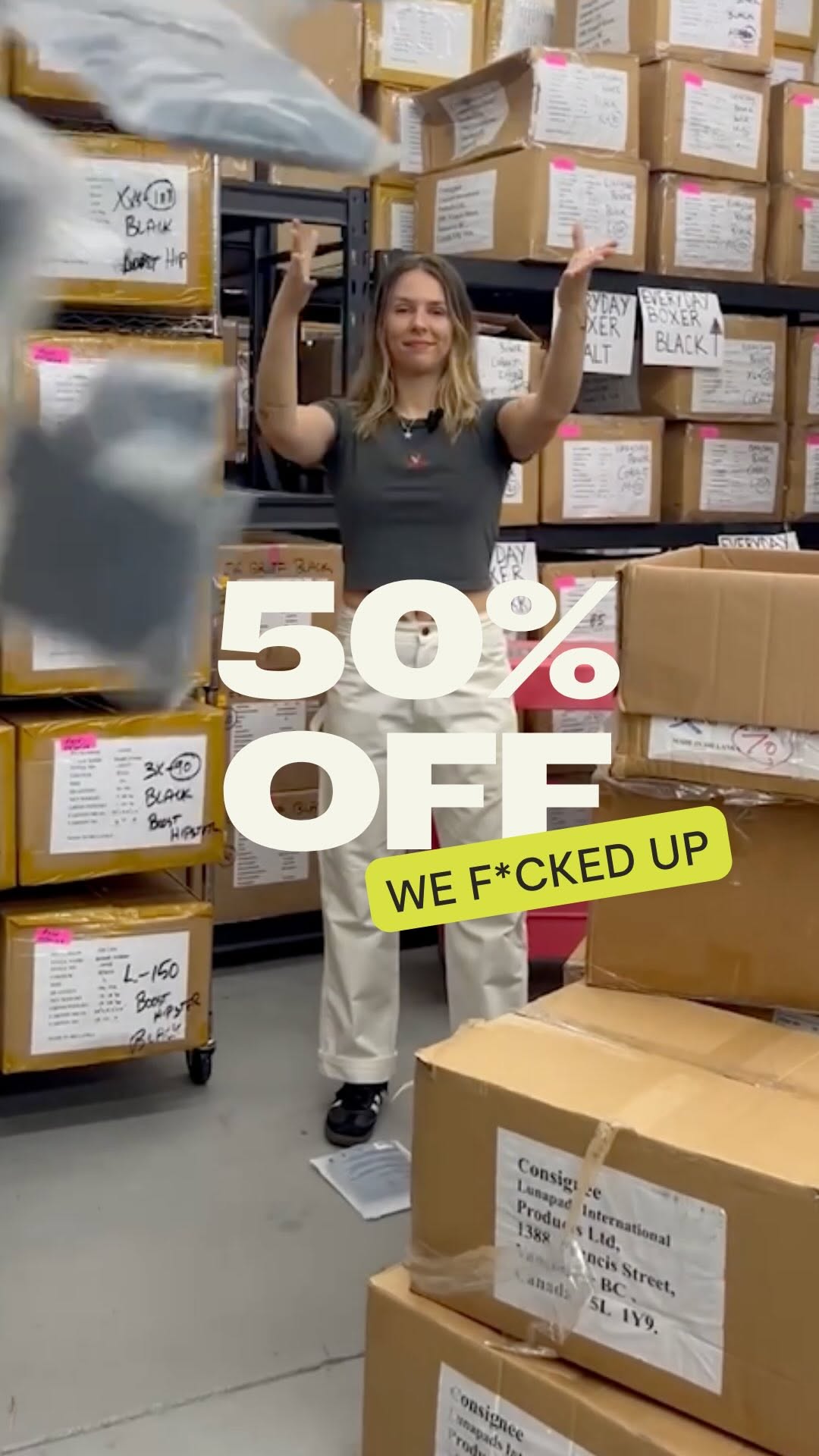
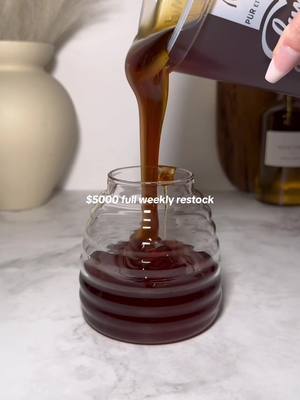
Framing a business mistake (e.g., over-ordering, poor planning) as a direct benefit to the customer, using self-deprecating humor and transparency to drive sales and build brand affinity.
- 1
The Nursery Rhyme Problem Statement
Introduce the core problem using a playful, disarming narrative device to create intrigue and avoid a negative or desperate tone.
- 2
The Noble Justification
Briefly explain the well-intentioned reason behind the mistake, aligning the brand with positive values and building audience empathy.
- 3
The Overwhelming Consequence
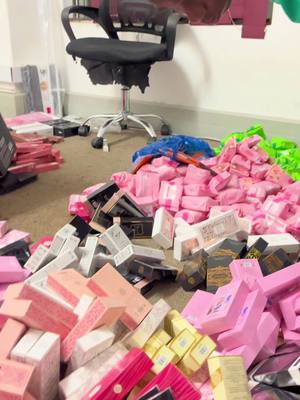
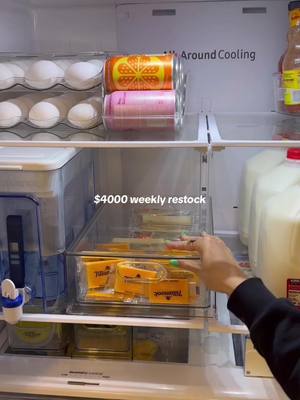
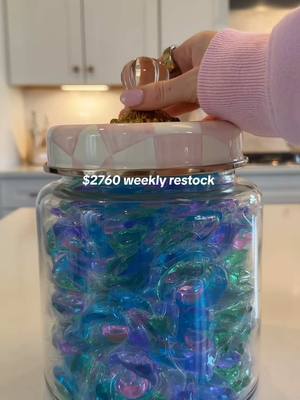
Visually escalate the scale of the problem through a series of shots that show its pervasiveness, making the situation feel both dire and comedic.
- 4
The Comedic Confession
A moment of direct, self-deprecating admission of failure, which humanizes the brand and builds trust through vulnerability.
- 5
The Product Pivot & Value Prop
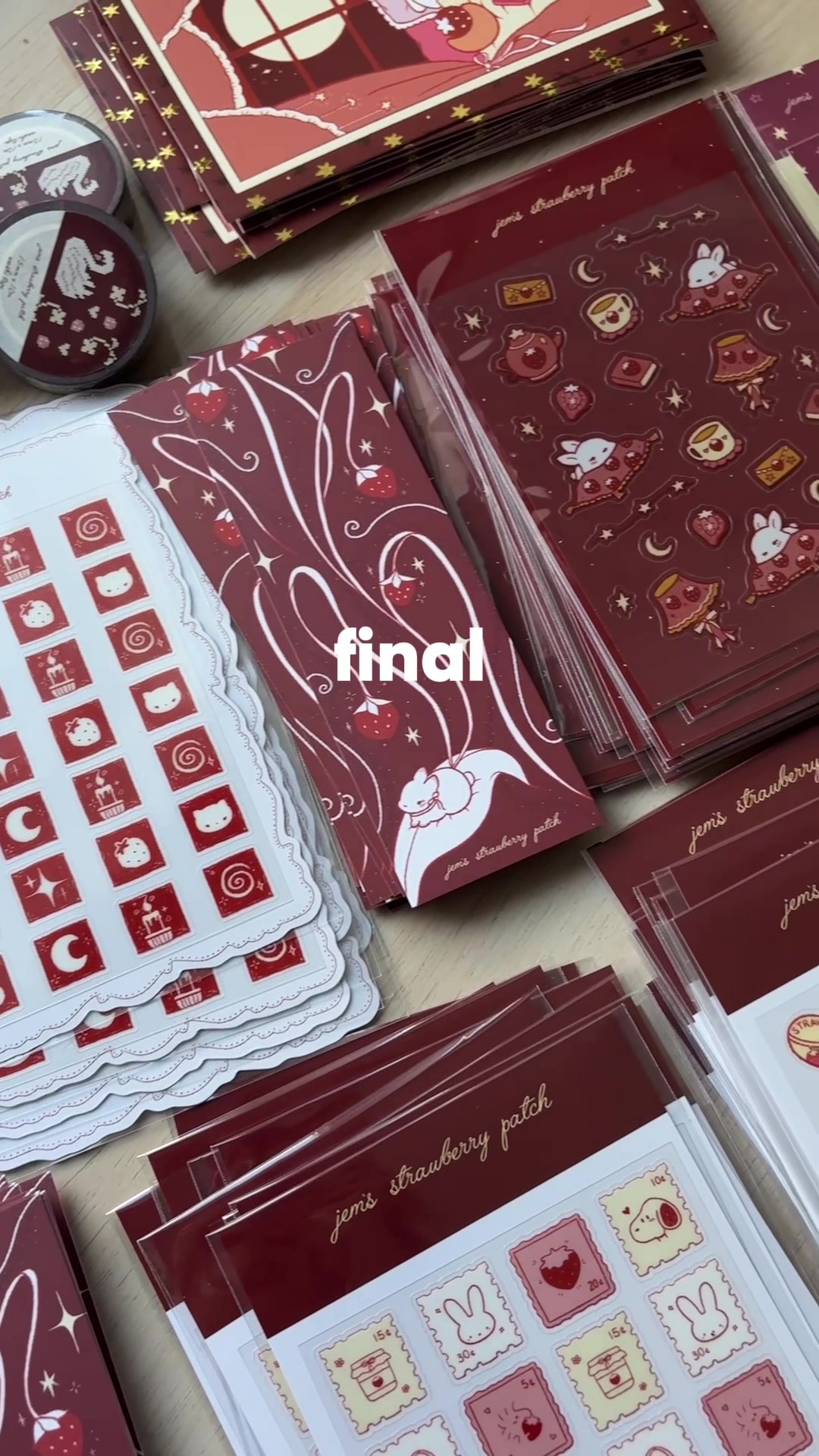
Abruptly shift focus from the problem to the product itself, rapidly communicating its core features and high quality to ensure the audience still desires it.
- 6
The Benefit Reinforcement
Use casual, memorable, and slightly edgy language to reinforce the product's key benefits, making the value proposition stick.
- 7
The Call to Action as Mutual Benefit
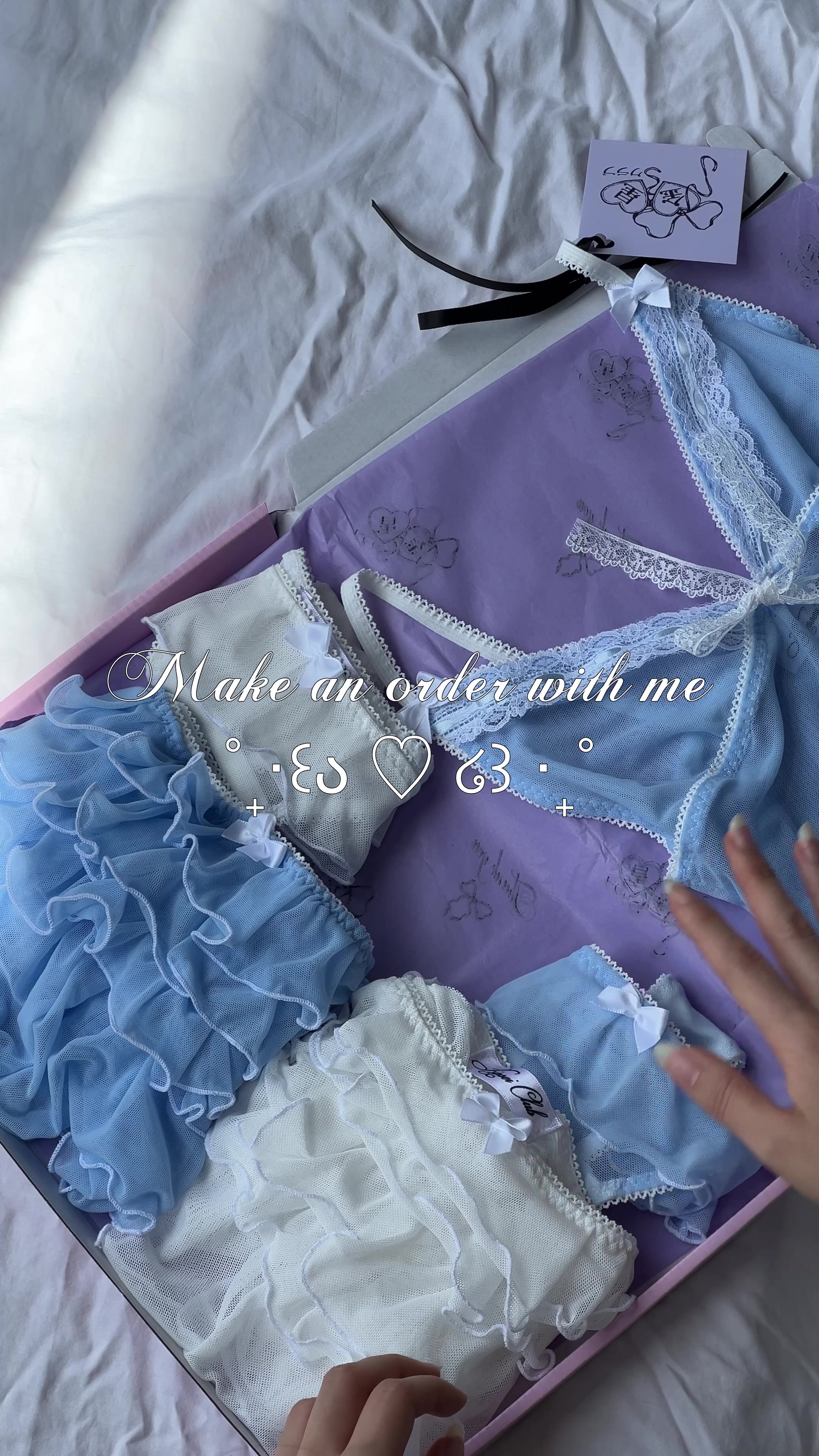
Explicitly frame the call to action as a win-win scenario where the customer's purchase solves the brand's problem and rewards the customer simultaneously.
- 8
The Final Plea / Comedic Coda
A short, final scene that reinforces the urgency and personal stakes of the problem, often featuring another character to add a final touch of humor and relatability.