@avnibarman_
Instagram · Talking Head Edit
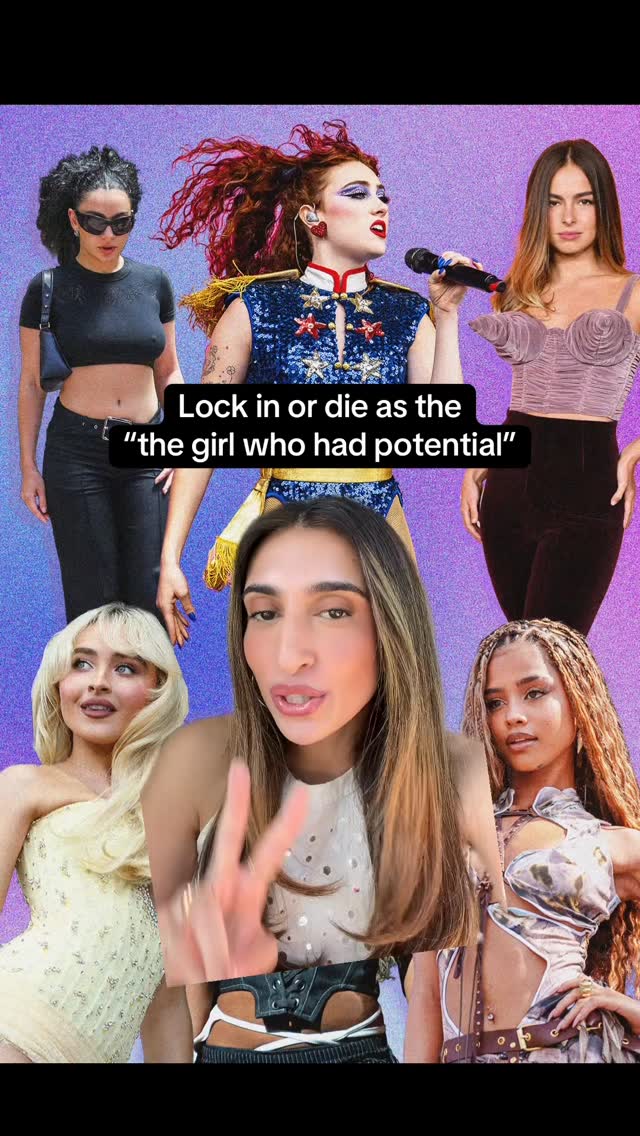
@avnibarman_ Comment “LOCK IN” if you want me to send you my yt video on what it actually means to “lock in” in 2026 and 3 ways you can start tomorrow👇

@avnibarman_
Instagram · Talking Head Edit
@avnibarman_ Comment “LOCK IN” if you want me to send you my yt video on what it actually means to “lock in” in 2026 and 3 ways you can start tomorrow👇
Performance
Video #29677 · Talking Head Edit
[01]
The creator introduces a dichotomy between two types of talented women, using Lindsay Lohan and Zendaya as archetypes. She analyzes Lindsay Lohan's career as an example of unfulfilled potential due to distraction and a lack of focus. She then contrasts this with Zendaya's career, arguing that Zendaya's success stems from intentional focus, strategic career moves, and protecting herself from industry distractions, ultimately defining this as "locking in" and urging viewers to focus on execution over potential.
[02]
[03]
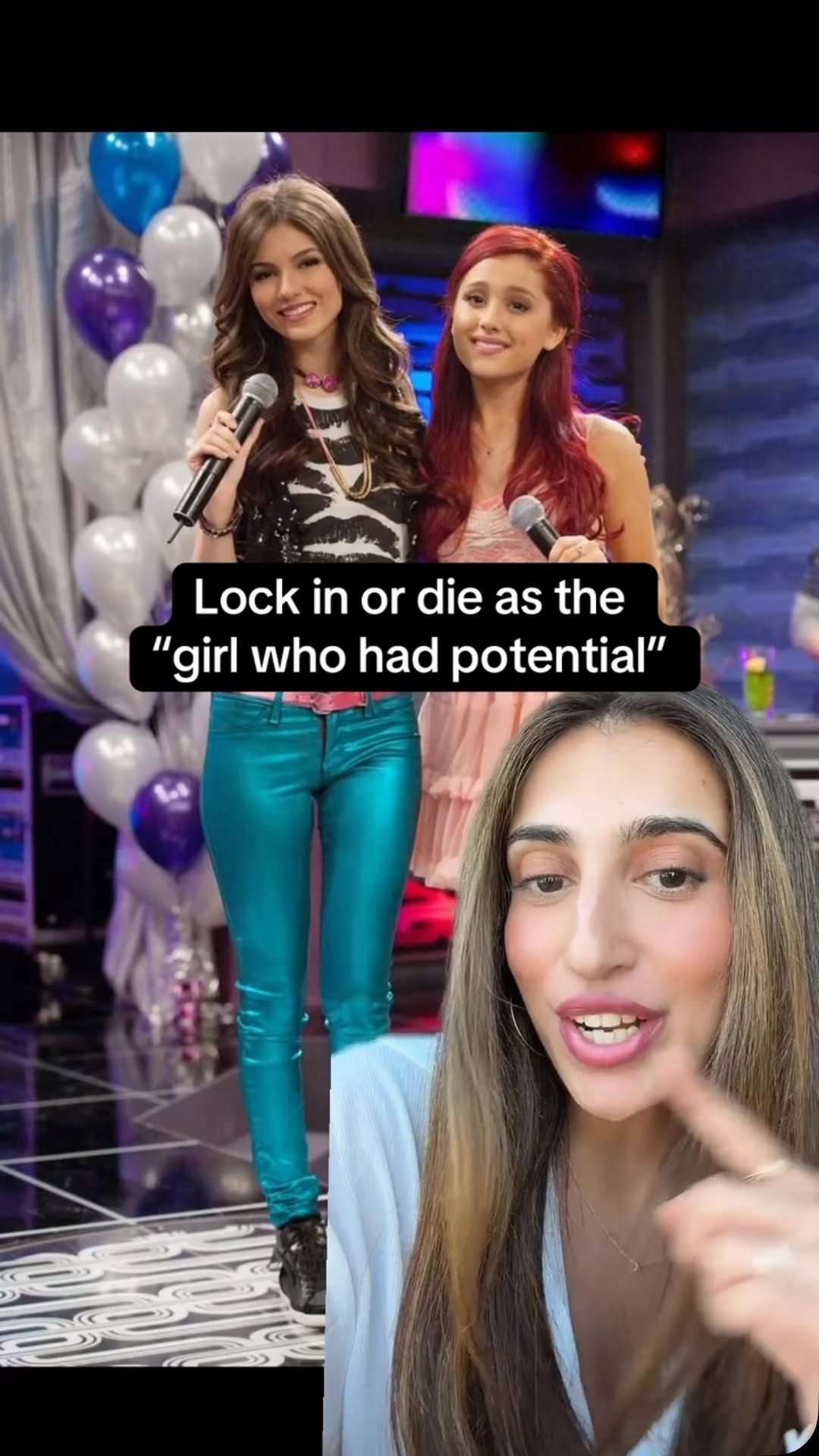 647K26.6×Celebrity case study teaches career lesson@avnibarman_ · Case Study Reminder
 1MNarrator profiles actress's career success.@mgthegenius · Character Profile
 4.3M11.2×Interview clip gives working mom advice@callherdaddy · Vulnerable Monologue
 122.4K1.9×Personal story career advice monologue@maggiesellers_ · Anecdotal Philosophy
 814.9K14.6×Rant about celebrity brand management@tasiaalexis · Cultural Rant
 2M4.9×Podcast interview teaser clip montage@callherdaddy · Hype Teaser
 716K53×Creator breaks down study findings@itsmariahbrunner · Breakdown
 5.9M11.7×Motivational interview soundbite montage@callherdaddy · Ask an Expert
 1M12×Podcast clip about career motivation@reikoslivingroom · Vulnerable Monologue
 518.8K50.4×Cope with work stress by acting@_misomelon · Anecdotal Philosophy
 1.5M8.5×Makeup routine with dating advice@chloeabeth4545 · Anecdotal Philosophy
 93.3KCreator rant defending a celebrity@life.withkeri · Hot Take
[04]
[05]
What stops the scroll in the first 3 seconds
Title hook · 50%
Lock in or die as the “the girl who had potential”
Verbal hook · 35%
There are two types of talented girls in this world.
Visual hook · 15%
A dynamic collage of six different women is shown behind the speaker, creating immediate visual density and curiosity about who they are and how they connect to the title.
[06]
Steal this for your own video
There are two types of in this world: the ones who and the ones who .
[07]
The promise the opener makes, and how the video pays it back
Hook
A polarizing statement that divides the world into two distinct, relatable types, immediately forcing the viewer to self-categorize and creating intrigue about the definitions.
Payoff
A direct challenge to the viewer that positions them at the same crossroads as the archetypes, followed by a call-to-action that funnels them to another platform for a deeper, more detailed solution.
[08]
The structural pattern this video runs on
Framework
The Archetype Dichotomy
The video establishes a binary classification of people using two well-known figures as archetypes. It then deconstructs the cautionary tale of the first archetype to create a problem, and presents the second as the aspirational solution, ultimately revealing a core principle that differentiates them.
The Deceptive Similarity
Establishes the common starting point for both archetypes, highlighting that they appear identical at first. This builds suspense for the eventual divergence and makes the core lesson more profound.
Case Study 1: The Cautionary Tale
Analyzes the first archetype, detailing their initial promise and eventual failure. This serves to define the negative outcome and establish the central problem (e.g., wasted potential).
Case Study 2: The Aspirational Model
Introduces the second archetype as a direct contrast to the first, framing them as the embodiment of success and the ideal path.
The Central Insight
Reveals the single, core principle or mindset that separates the two archetypes. This is the video's main thesis and 'aha' moment, shifting from 'what' happened to 'why' it happened.
The Failure Mechanism
Explains the specific behaviors and psychological traps that lead to the failure of the first archetype, making the cautionary tale more universal and relatable.
The Success Mechanism
Details the specific, actionable habits and strategies employed by the second archetype. This provides a practical blueprint for the viewer to follow.
The Compounding Principle
Explains the long-term result of the success mechanism, illustrating how consistent, focused action leads to exponential results over time.
The Emotional Stakes
Re-frames the choice between the two paths in stark, emotional terms, emphasizing the tragedy of the negative outcome to increase the viewer's motivation to change.
Comment “LOCK IN” if you want me to send you my yt video on what it actually means to “lock in” in 2026 and 3 ways you can start tomorrow👇
title · beginning
Lock in or die as the “the girl who had potential”
contextual · beginning
The Lindsay Lohan girls
contextual · beginning
and the Zendaya girls
Are two types of talented girls in this worse. The Lindsay Lohan girls and the Zendaya girls. And what's scary is in the beginning, they look almost identical. They're both beautiful, charismatic, naturally gifted, and everyone around them can tell they have the it factor. That was Lindsay Lohan in the early two thousands. She had Mean Girls, Freaky Friday, The Parent Trap. By the time she was a teenager, Hollywood revolved around her. I mean, everyone agreed she was special, and they were right. But talent can only take you so far. Around that time, another girl entered the industry, Zendaya. And the reason Zendaya became Zendaya is not because she's dramatically more talented. Because she understood something that most high potential people don't realize until it's too late. Your future is built on what you consistently focus on, not what you're capable of. A lot of smart, ambitious people become addicted to potential instead of execution. They overthink, get distracted, chase too many versions of themselves, commit to too many things, and keep telling themselves that they'll get serious later on. I mean, that's what happened to Lindsay. The issue was never ability. It was distraction. Public partying, legal issues, rehab. Meanwhile, Zendaya spent the last decade doing the exact opposite. In an industry built to distract young stars, she's been so intentional about protecting her focus. She keeps her circle small, avoids unnecessary drama, and disappears for long stretches to fully focus on projects like the Odyssey and Dune. Every career move is connected to a long term trajectory instead of short term attention. And because of that, every few years she levels up again. It's not because she got tier. It's because she stayed focused long enough to let the compounding effects happen. That's what locking in actually looks like. It's focusing deeply on the future you want long enough for your life to actually change. And honestly, one of the saddest things in the world is when someone has the capability of being extraordinary and doesn't focus on one thing long enough to become who they could have been. There's a version of your life waiting on the other side of locking in. So if you're ready, I just posted a YouTube on how to actually lock in no you don't spend the rest of your life being the girl with potential instead of becoming who you're capable of being.