@_devontewest
Instagram · Skit
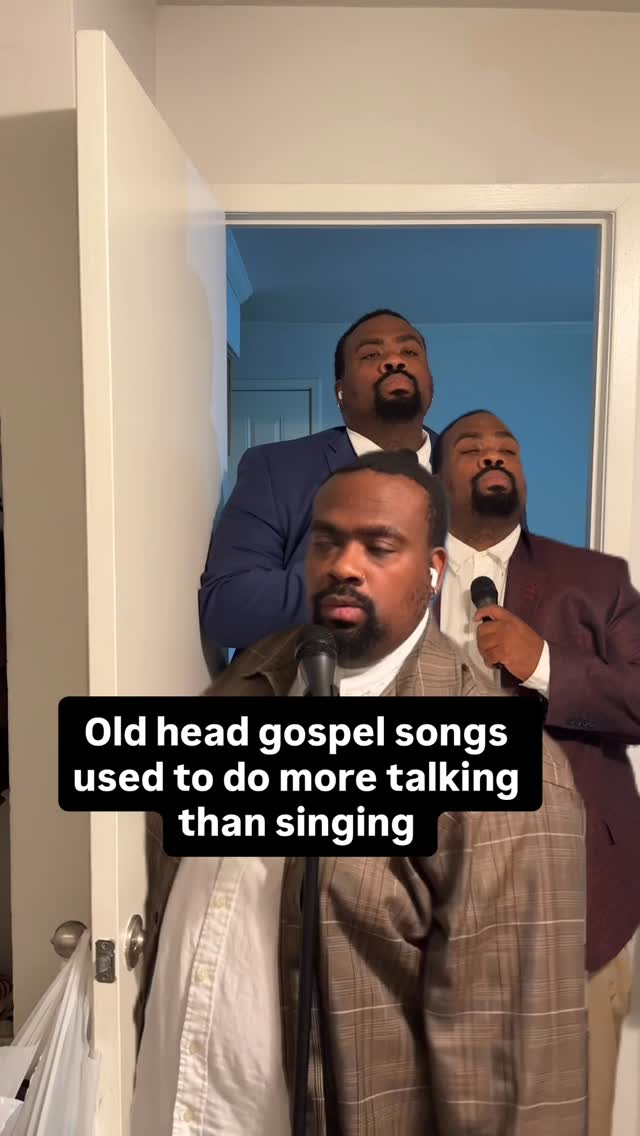
@_devontewest Always had a 8 minute story time with a few harmonies 😂😂😂😂😂😂😂😂 always fye doe

@_devontewest
Instagram · Skit
@_devontewest Always had a 8 minute story time with a few harmonies 😂😂😂😂😂😂😂😂 always fye doe
Performance
Video #29728 · Skit
[01]
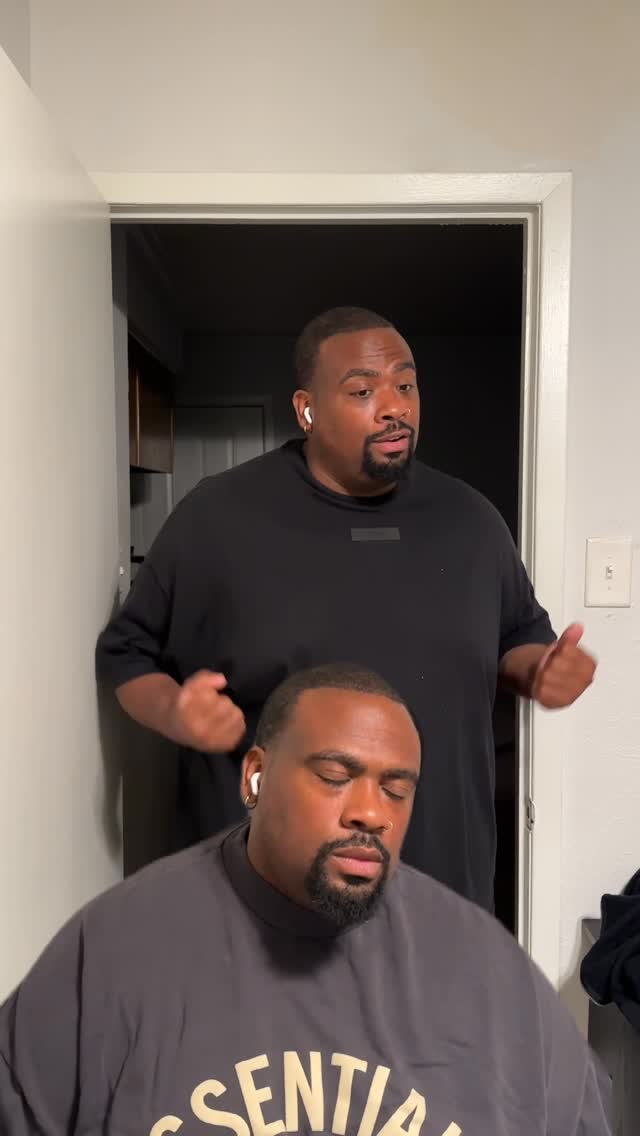
A creator performs a comedic skit parodying the style of traditional gospel music, acting as both the lead singer who tells an emotional, spoken-word testimony about getting sick and the two backup singers who provide harmonized choruses.
[02]
[03]
 450.3K1.7×Comedic skit about church singers@_devontewest · Relatable Skit
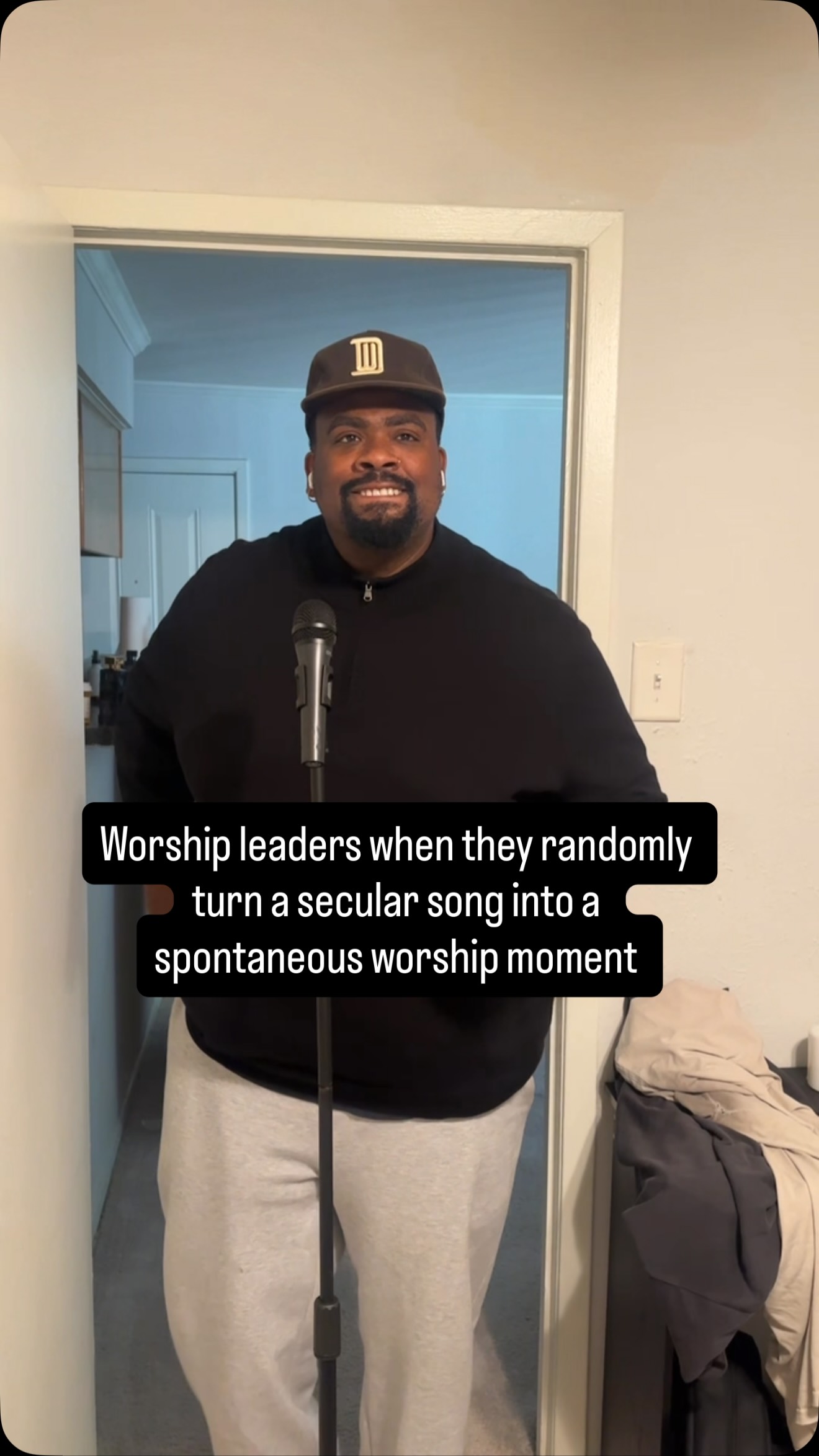 556K4.2×Worship leader turns secular song religious@_devontewest · Relatable Skit
 482.4K6.2×Parody of worship leader singing@_devontewest · Relatable Skit
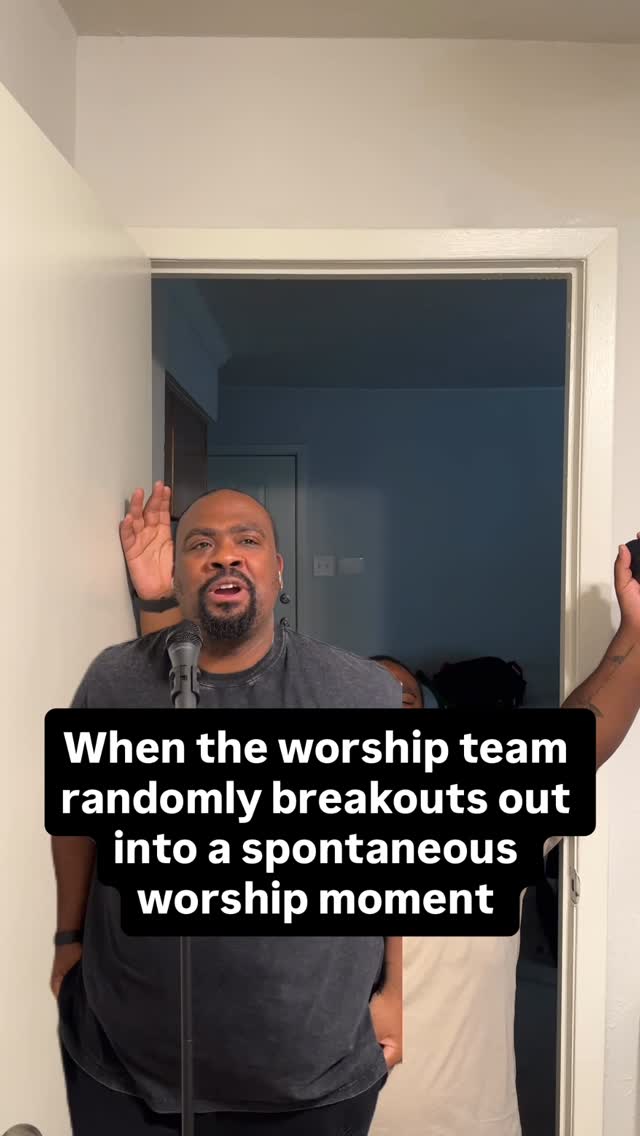 1.8M5.7×Comedic skit about worship teams@_devontewest · Relatable Skit
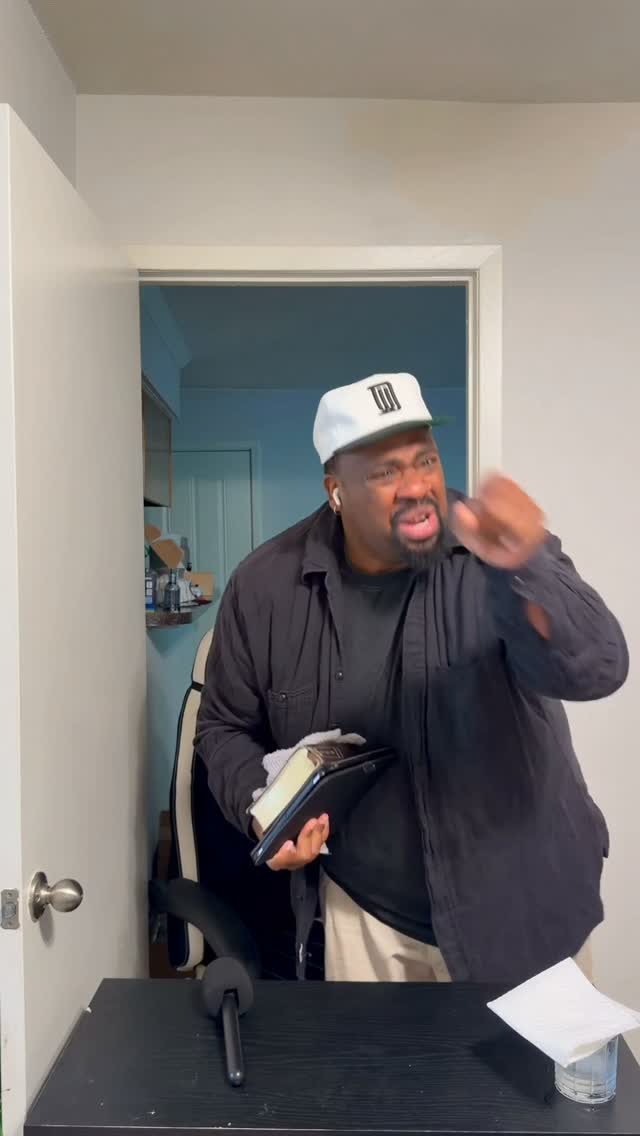 344.9K2.5×Relatable skit about church preachers@_devontewest · Skit
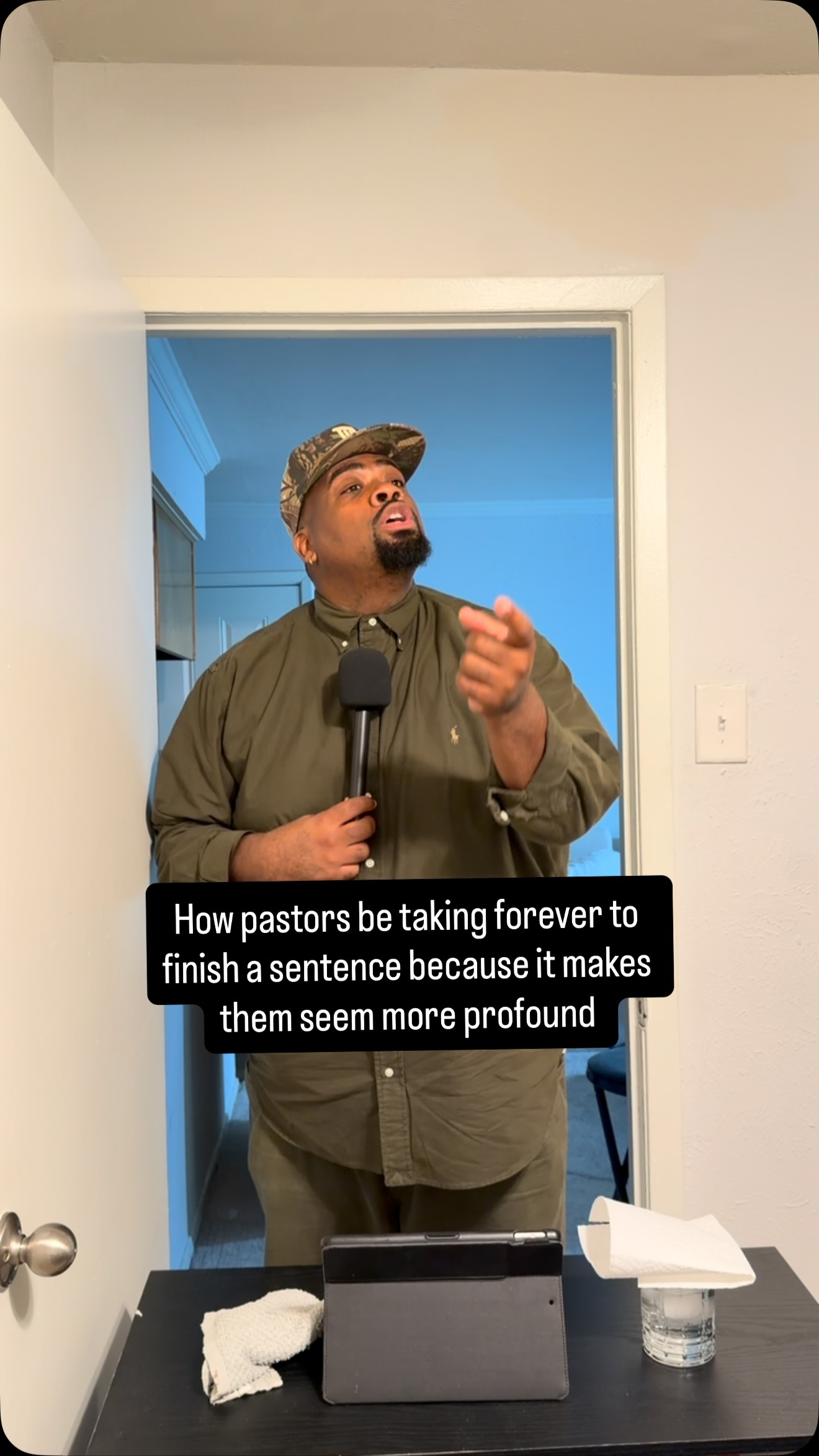 1.2M9.4×Pastor sermon parody skit@_devontewest · Relatable Skit
 797K6.4×Relatable church worship interruption skit@_devontewest · Relatable Skit
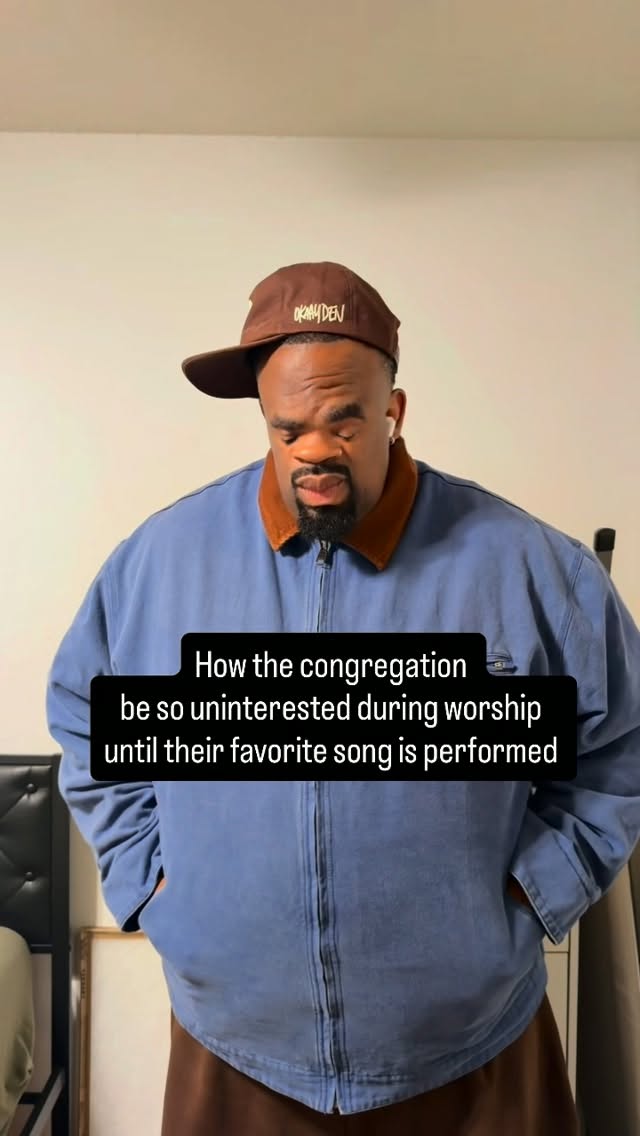 1.4M12.2×Skit contrasting worship song reactions@_devontewest · Relatable Skit
 1.2M11.6×Relatable church worship skit.@_devontewest · Relatable Skit
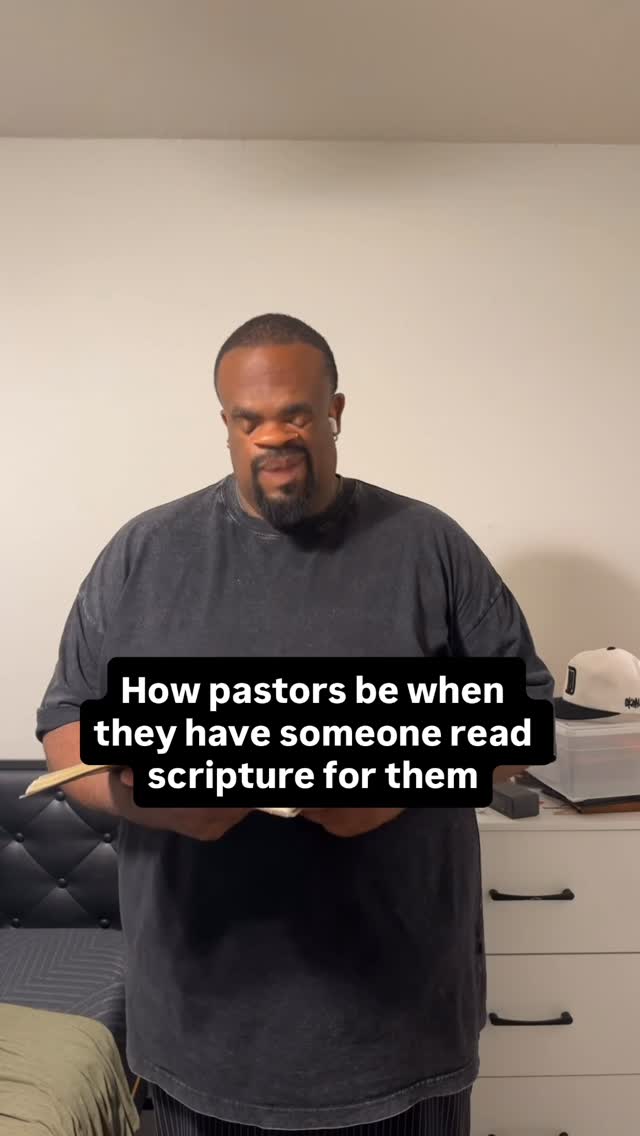 2.9M25×Pastor interrupts scripture reading skit@_devontewest · Relatable Skit
 501.4K3.7×Relatable skit about hungry friend@_devontewest · Relatable Skit
 1.6M20.8×Relatable church service comedy skit@_devontewest · Relatable Skit
[04]
[05]
What stops the scroll in the first 3 seconds
Title hook · 55%
Old head gospel songs used to do more talking than singing
Verbal hook · 15%
I had got sick.
Visual hook · 30%
An immediate visual of one person composited to appear as a trio of gospel singers, with the lead singer performing with high emotion.
[07]
The promise the opener makes, and how the video pays it back
Hook
A text overlay presents a clear, relatable, and slightly judgmental thesis about a specific genre or trope, immediately setting the viewer's expectation for a demonstration.
Payoff
The performance repeatedly cycles back to the powerful, sung chorus, which provides a satisfying musical resolution while the lingering spoken-word sections provide the ultimate comedic payoff, confirming the initial observation.
[08]
The structural pattern this video runs on
Framework
The Demonstrative Parody
To prove a humorous or relatable observation about a specific performance style by creating an exaggerated, yet authentic, example of it. The narrative alternates between the observed trope (talking) and the expected norm (singing) to create a comedic and satisfying rhythm.
The Personal Testimony
The performance begins by embodying the core trope, using a spoken-word narrative to establish a relatable problem or story, setting the foundation for the parody.
The Harmonic Refrain
A contrasting musical element is introduced (the sung chorus), which provides a satisfying release and highlights the absurdity of the primary trope (the talking) by juxtaposing it with the expected norm.
The Escalating Hardship
The narrative returns to the primary trope (spoken word), but escalates the emotional stakes of the story, deepening the parody and increasing viewer engagement.
The Scriptural Anchor
The personal story is connected to a universal or well-known parallel (like a biblical story), elevating the parody by mimicking a classic structural element of the genre.
The Preaching Climax
The spoken narrative is pushed to its most extreme, emotional peak, transitioning into a highly stylized vocal run that completely blurs the line between the trope and the norm.
The Lingering Sermon
After the song's apparent musical conclusion, the performance continues with more of the primary trope (talking), serving as the final, comedic proof that definitively validates the initial thesis.
Always had a 8 minute story time with a few harmonies 😂😂😂😂😂😂😂😂 always fye doe
title · throughout
Old head gospel songs used to do more talking than singing
I had got sick. Doctor said I wouldn't get well. Say what you gonna do? You know, I told him. I told him. I don't know. Hallelujah. I mean, I know that's all you got sometime. Yes, sir. Yes, sir. I I tier to go to daddy. Tell the story, darling. That one there. Yes, sir. I went to mama. She can't give me care. I don't know what I'm a do, but you know what I did. Yeah. I told her. What time I don't know. I don't know why you're gonna get your but I know I've got the Lord singing for me, church.