@codiesanchez
Instagram · Skit
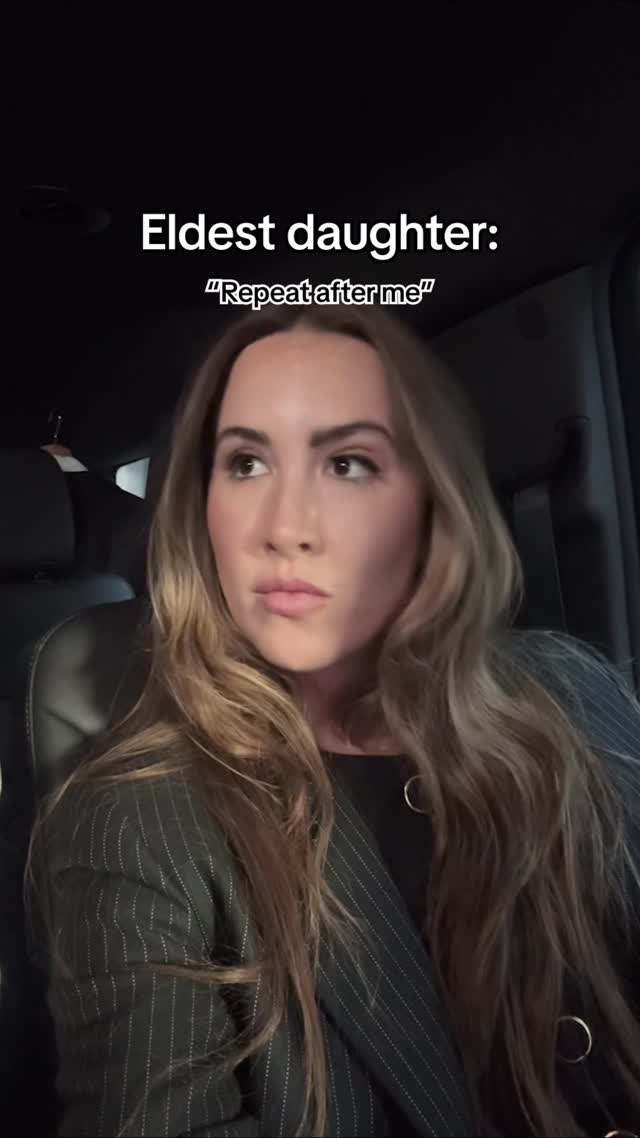
@codiesanchez The official slogan of every first-born girl since the dawn of time... "I've got it" 😭

@codiesanchez
Instagram · Skit
@codiesanchez The official slogan of every first-born girl since the dawn of time... "I've got it" 😭
Performance
Video #30411 · Skit
[01]
The creator performs a lip-sync to a comedic audio track, portraying an 'eldest daughter' being prompted to repeat affirmations about asking for help. After initially complying, she breaks from the script and reverts to a mindset of hyper-independence, humorously refusing to ask for help and insisting she will handle everything alone, thus embodying a common stereotype.
[02]
[03]
 6.4M6.5×Lip-syncing an intense motivational speech@elizabethvasilenko · Lip Sync Trend
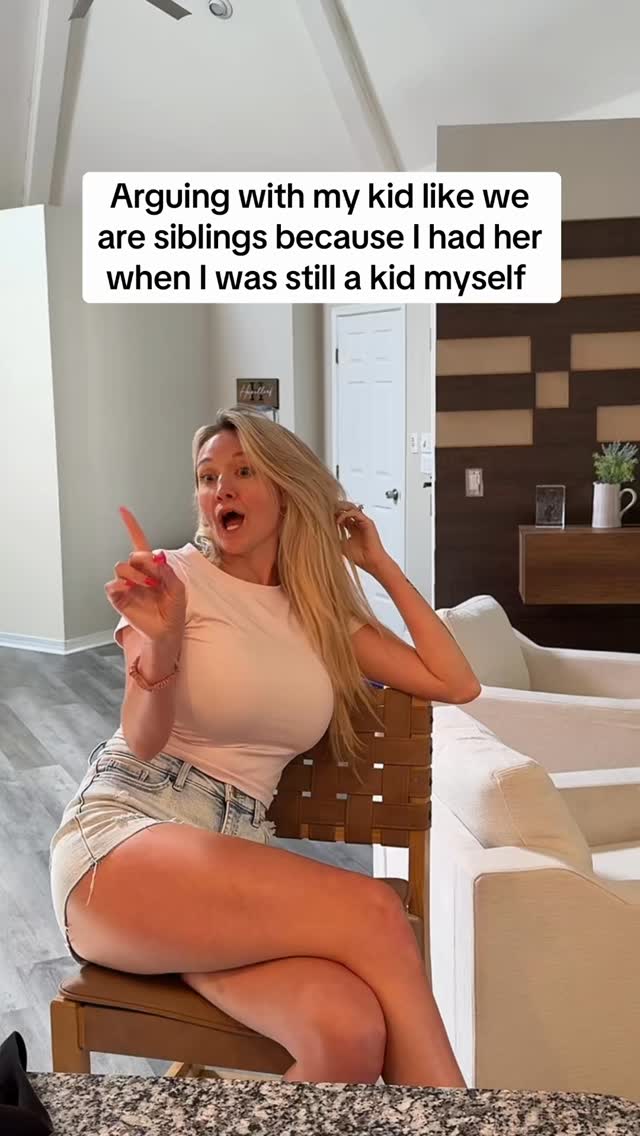 702.3K3.5×Relatable young mom lip sync@tasiaalexis · Relatable One Shot
 3MCreator performs comedic audio lip-sync@lolayounggg · Lip-Sync Parody
 770.4K4.7×POV of a suspicious friend@kalitaku · Relatable One Shot
 249.2KLip-syncs to inspirational audio clip@scrubnumberone · Motivational Mantra
 71.1K3.6×Relatable text over lip-sync performance@djs3npai · Relatable One Shot
 1.5MLip-syncing a funny audio clip@blakesdailybread · Skit
 157.5KLip-syncing to bad date story@bittybby2 · Skit
 1.9MDirect to camera lip-sync performance@lolayounggg · Lip-Sync Parody
 2.6MEmotional close-up lip-sync performance@lolayounggg · Relatable One Shot
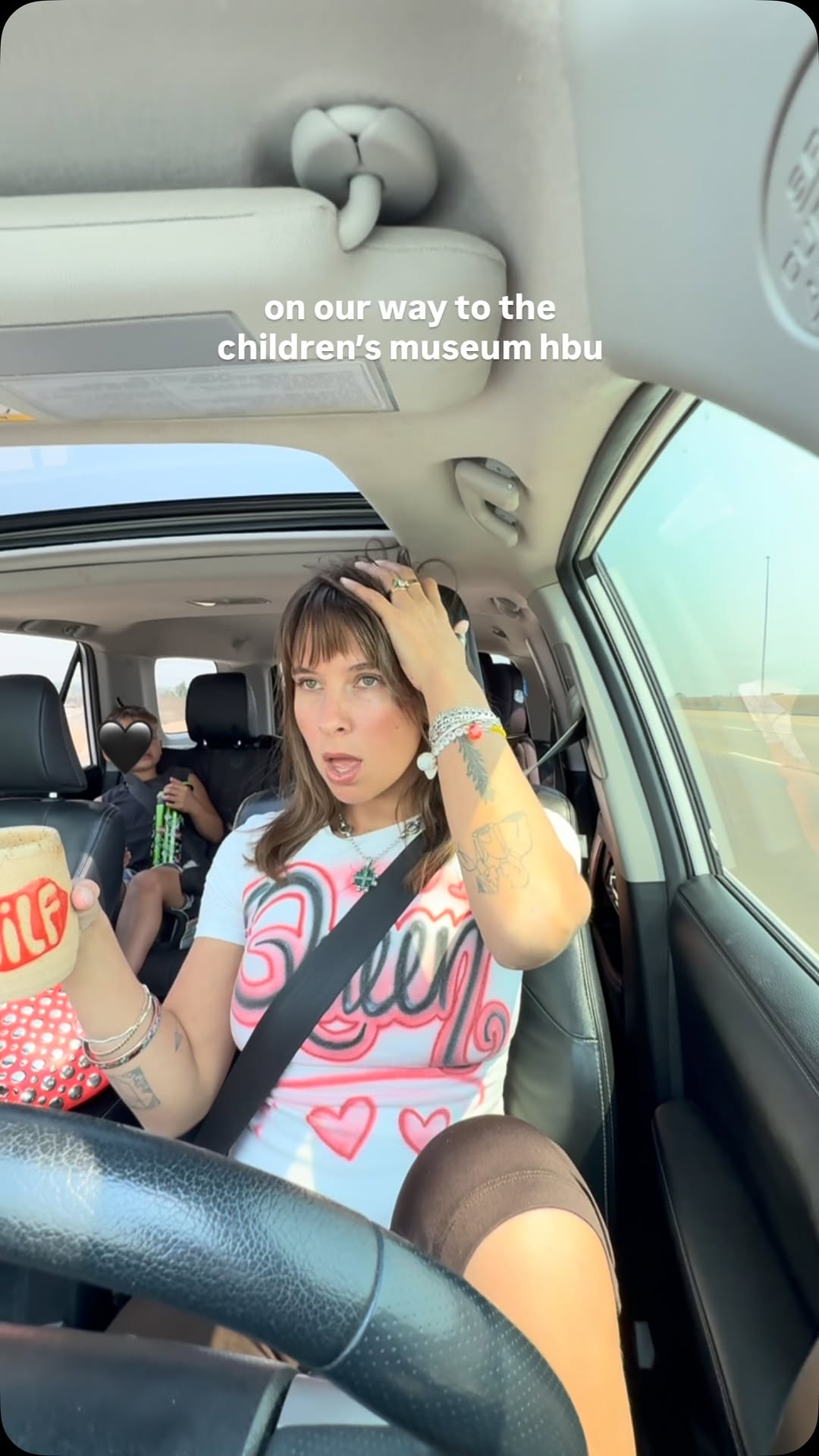 266.1K9.9×Mom lip-syncs affirmations in car.@amandaaafowler · Lip Sync Trend
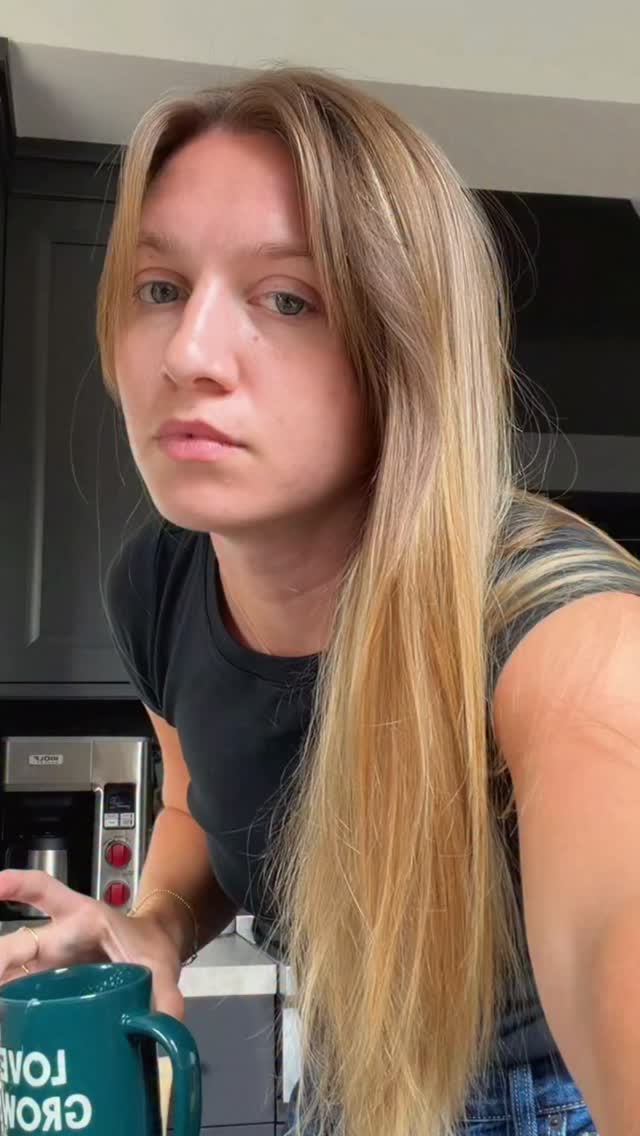 1.2M10.4×Creator lip-syncs relatable audio@annaxsitar · Lip Sync Trend
[04]
[05]
What stops the scroll in the first 3 seconds
Title hook · 45%
Eldest daughter:
Verbal hook · 40%
Repeat after me.
Visual hook · 15%
A close-up shot of a woman in a dimly lit car with her eyes closed, conveying a sense of stress or exhaustion before the dialogue begins.
[06]
Steal this for your own video
:
[07]
The promise the opener makes, and how the video pays it back
Hook
The video immediately labels the subject with a highly relatable archetype ('Eldest daughter:') and presents them in a state that visually confirms the stereotype (looking weary), creating instant recognition and intrigue.
Payoff
The authority figure reacts with confusion and failure ('Wait, what? No.'), which validates the subject's resistance and confirms for the audience that the stereotype is unshakable, delivering a satisfying and humorous resolution.
[08]
The structural pattern this video runs on
Framework
The Stereotype Confirmation
A character representing a well-known social archetype is put through a corrective exercise designed to 'fix' their defining trait. The humor and payoff come when the character completely rejects the lesson and instead delivers a monologue that perfectly embodies and reinforces the original stereotype.
The Guided Re-programming
An external, authoritative voice leads the subject through a call-and-response drill, breaking down a 'healthy' mindset into simple, digestible phrases. This establishes a therapeutic or corrective premise.
The Integration Challenge
The authority figure escalates the exercise by asking the subject to synthesize all the learned phrases into one complete statement. This builds tension and sets the expectation for a successful resolution.
The Instinctive Reversal
Instead of repeating the correct statement, the subject subverts expectations by delivering a monologue that is the polar opposite of the lesson, perfectly articulating the core beliefs of their ingrained archetype. This is the comedic twist and the central punchline.
The official slogan of every first-born girl since the dawn of time... "I've got it" 😭
title · beginning
Eldest daughter:
contextual · beginning
“Repeat after me”
contextual · beginning
Okay
contextual · beginning
“I will”
contextual · beginning
“ask for help”
contextual · beginning
“when I need it”
contextual · middle
“Because people care for me”
contextual · middle
“and I don’t need to do this alone”
contextual · middle
Okay, now see the whole thing together
contextual · middle
“I will ask for help when I need it”
contextual · middle
“because people care for me”
contextual · middle
“and I don’t need to do this alone”
contextual · end
I don’t know how,
contextual · end
but I’ll figure it out.
contextual · end
I’ll do it on my own.
contextual · end
I don’t want to be a burden
contextual · end
“Wait, what?”
Repeat after me. Okay? I will I will ask for help ask for help when I need it when I need it because people care for me because people care for me and I don't need to do this alone and I don't need to do this alone. Okay. Now say the whole thing together. I will ask for help when I need it because people care for me, and I don't need to do this alone. I don't know how, but I'll figure it out. I'll do it on my own. I don't wanna be a burden on anybody. Wait. What? No.