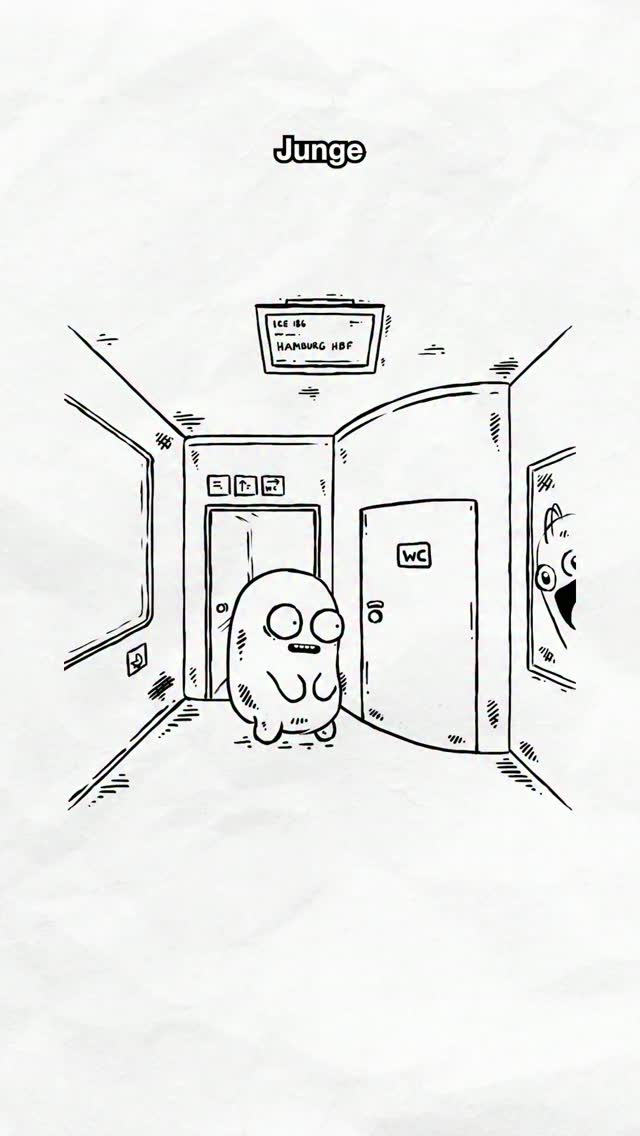
A satirical evaluation of a simplified or toy version of an object by applying the rigorous, real-world standards of the original. The humor arises from the intentional mismatch between the object and the criteria, delivered with deadpan authority.
- 1
The Capacity Failure
Establishes the absurd scale of comparison by evaluating the object's capacity against an industrial standard, concluding with a judgment of its inadequacy.
- 2
The Practicality Test
Uses a physical gag to test the object's utility for a common, real-world task, highlighting its obvious physical limitations.
- 3
The Performance Deception
Presents a key performance metric (e.g., speed, power) and then reveals the only way to achieve it is through a logical loophole that defeats the object's purpose.
- 4
The Missing Amenity
Inquires about a standard feature or service of the real-world version and sarcastically dismisses its absence in the simplified object.
- 5
The Quality Critique
Examines the object for a premium or high-end feature and delivers a judgment that consigns it to the lowest possible class or tier.
- 6
The Bait-and-Switch Gag
Pretends a feature works, then immediately reveals it doesn't, directly addressing the audience as if they've been tricked.
- 7
The Safety Concern
Frames a core feature of the simplified object (e.g., ease of use) as a dangerous lack of regulation, adding a layer of mock seriousness.
- 8
The Meta-Critique
Uses the review of the toy to make a subtle, satirical jab at a well-known flaw of the real-world object or brand.
- 9
The Human-Factor Problem
Addresses a basic human need and presents a comically inappropriate or primitive solution required when using the object.
- 10
The Unanswered Question
Poses the most critical question about the object's performance, but defers the answer indefinitely, often as a final meta-joke.