@pleasedontmakemefocus
TikTok · Talking Head Edit
@pleasedontmakemefocus a politician who can make people move!! also sorry this video got messed up in export whoops #zohranmamdani #andrewcuomo #kamalaharris #nycmayor #nyc

@pleasedontmakemefocus
TikTok · Talking Head Edit
@pleasedontmakemefocus a politician who can make people move!! also sorry this video got messed up in export whoops #zohranmamdani #andrewcuomo #kamalaharris #nycmayor #nyc
Performance
Video #33119 · Talking Head Edit
[01]
The creator explains the political success of Zohran Mamdani by arguing that his campaign, based on hope and collective obligation, is a direct threat to a modern American political system that thrives on emotional manipulation and cruelty. She supports this thesis by tracing a post-WWII cultural shift from 'moral formation' to 'self-fulfillment,' discusses the power of negative emotions in politics via affect theory, and contrasts Mamdani's community-focused ideology with the divisive tactics of both major parties.
[02]
[03]
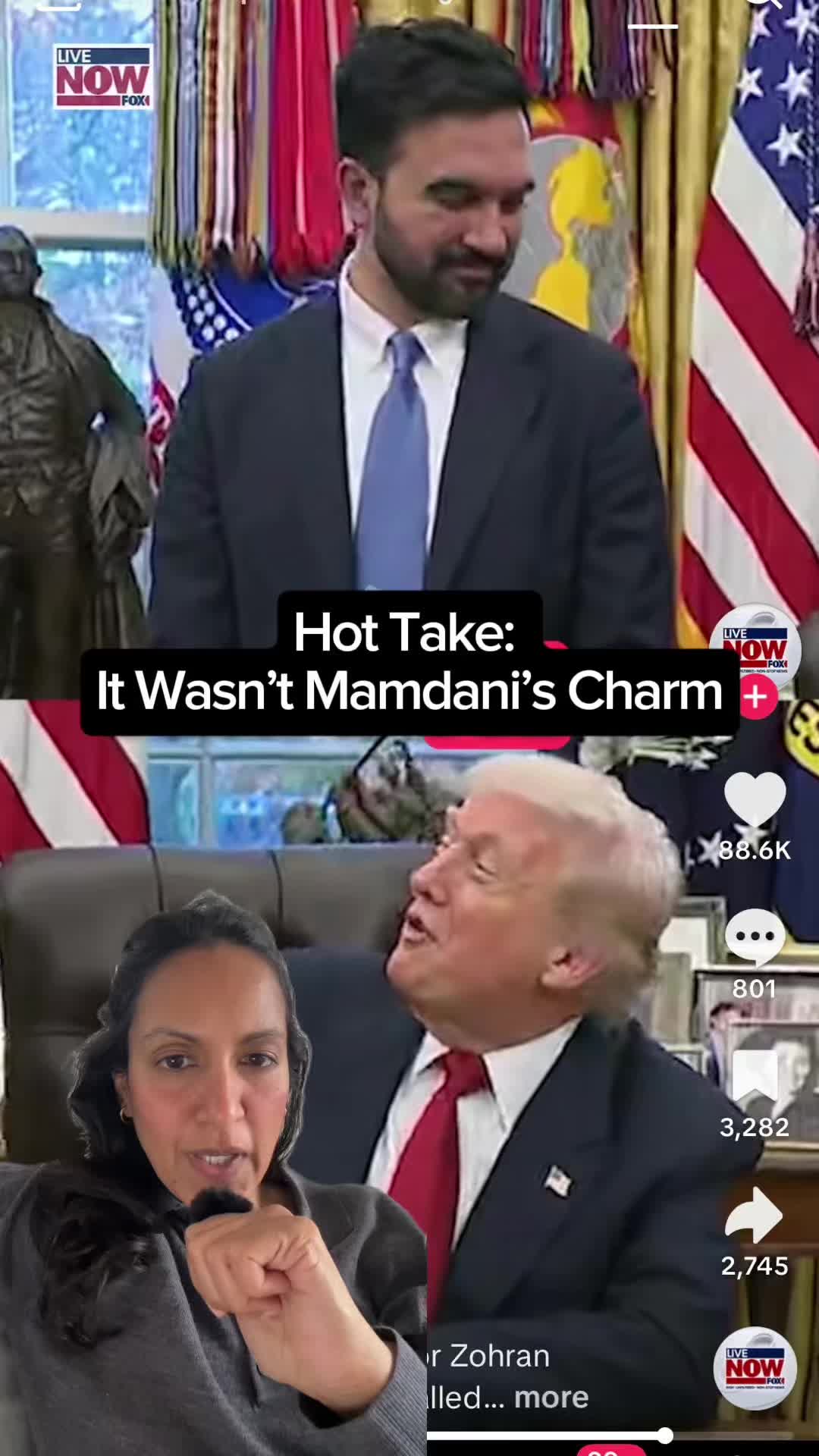 1.1M2200×Split-screen analysis of political interaction@bigpictureclub · Case Study Breakdown
 1.9MExplaining political conspiracy with overlays@marcotrunzo · Conspiracy Breakdown
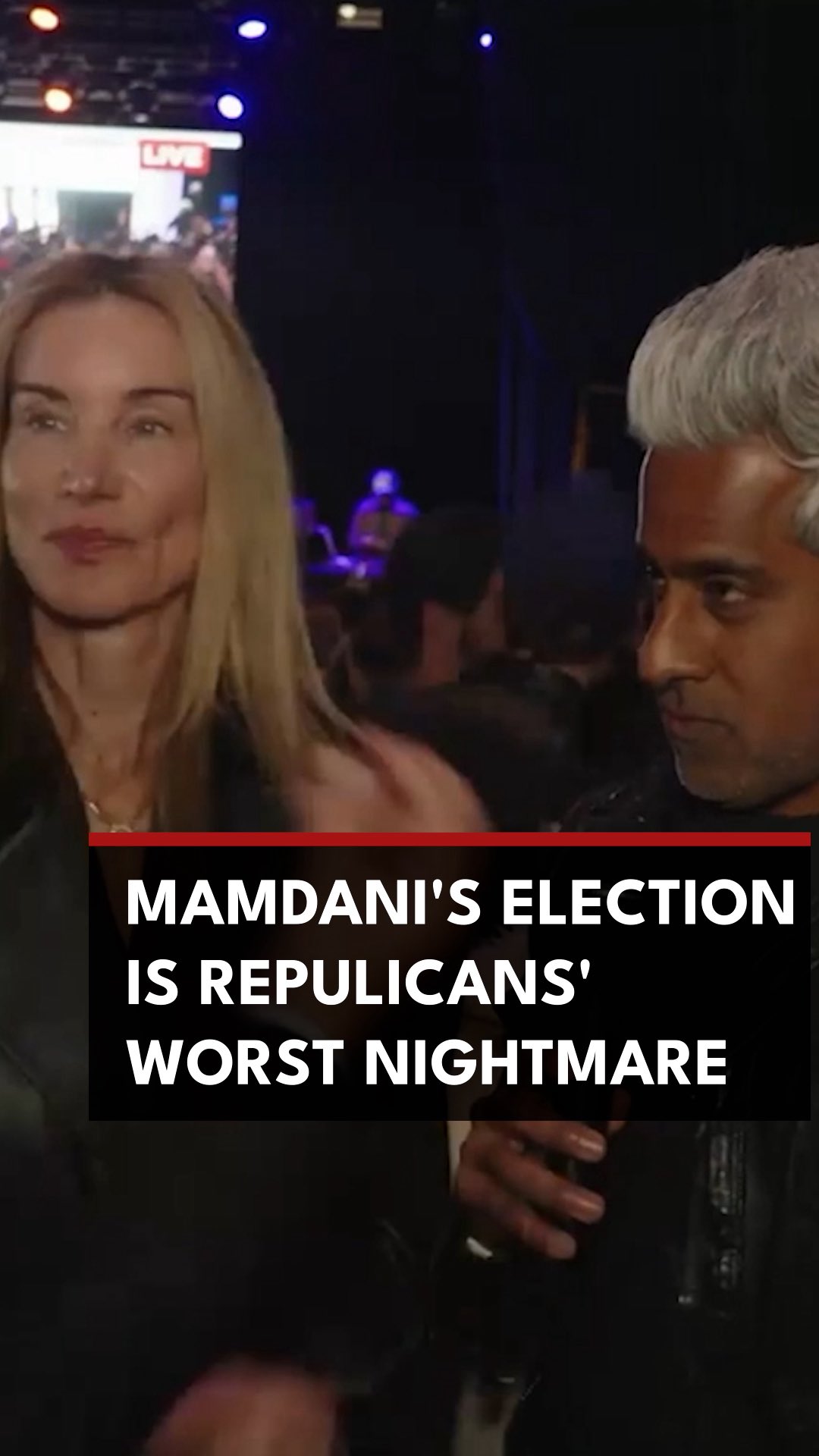 684.6K2×Explaining 'dis-pronunciation' in politics@zeteonews · Advocacy Journalism
 2.7M97.5×Satirical ideology to anger everyone@womp_tomp · Hot Take
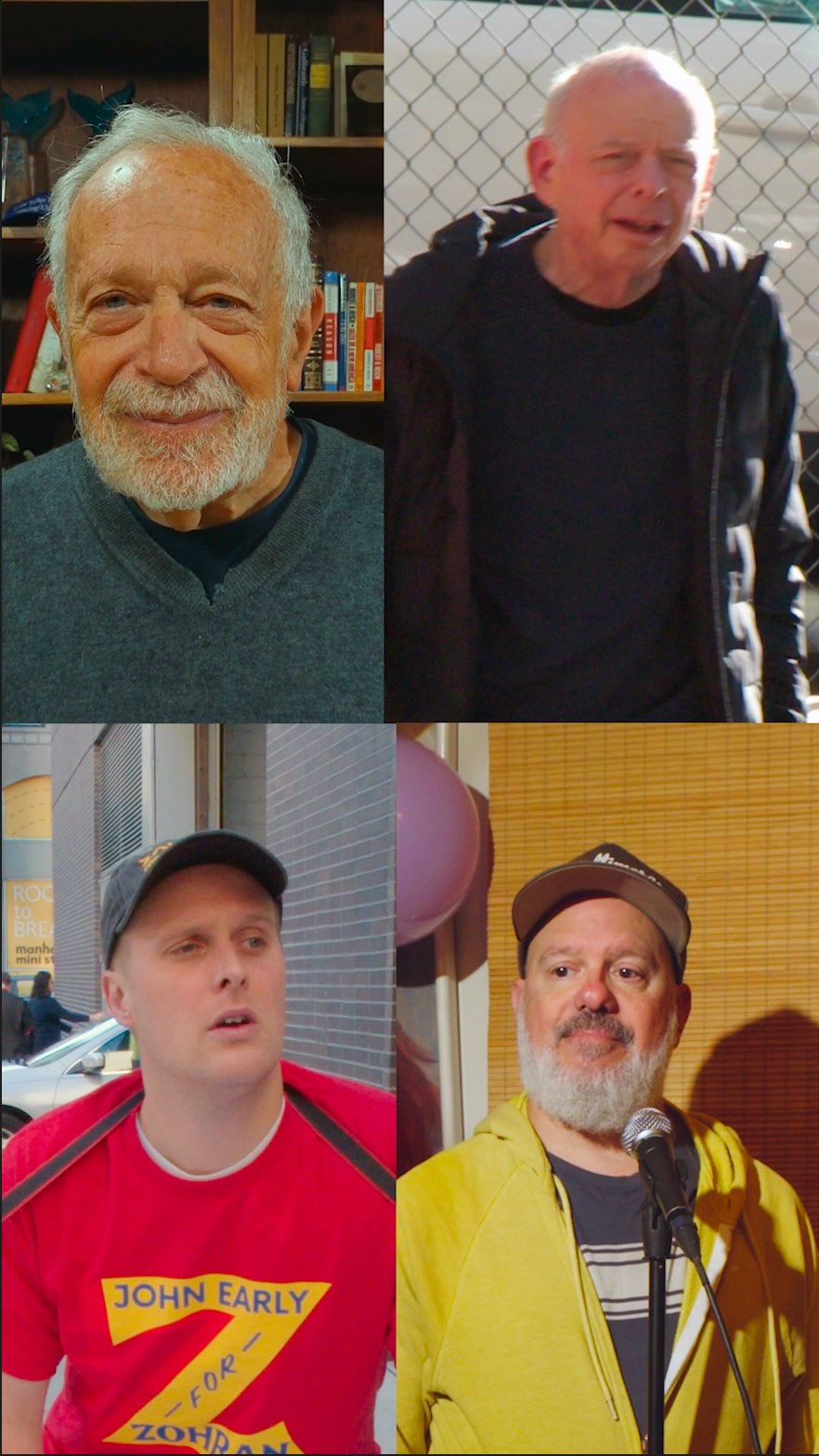 2.7M14.6×Satirical canvassing for NYC mayor@zohrankmamdani · Satire
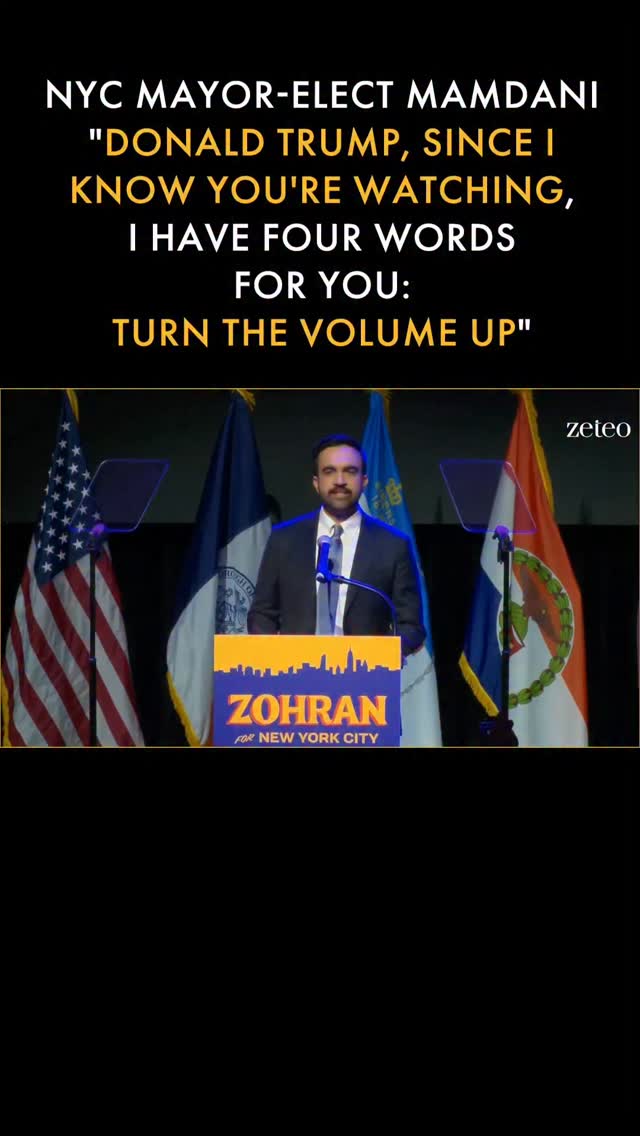 1.9M4.6×Politician's fiery speech to Trump@peopleforbernie · Hot Take
 1.1M13.7×Split-screen political commentary rant@womp_tomp · Hot Take
 148.3K4.3×Local political PAC takedown endorsement@chiosse · Breakdown
 401.2K6.1×Aggressive political rant to camera@womp_tomp · Hot Take
 3.3M6.2×Erika Kirk on NYC female voters@nytdealbook · Ask an Expert
 544K1.3×Political victory announcement carousel post.@zeteonews · News Carousel
 343.4K5×Split screen political commentary rant@womp_tomp · Reaction
[04]
[05]
What stops the scroll in the first 3 seconds
Title hook · 55%
to understand how zohran mamdani went from polling at 1%
Verbal hook · 40%
Understand how Ziram Omdani went from pulling at 1% to winning the New York City election is to understand how the biggest threat to American politics on both sides is hope.
Visual hook · 5%
A medium close-up of the creator speaking directly to the camera, featuring distinctive pink blush makeup and long, decorated fingernails which create immediate visual interest.
[07]
The promise the opener makes, and how the video pays it back
Hook
Pose a question about a surprising outcome (e.g., an underdog's victory) and immediately offer an abstract, counter-intuitive one-word answer ('hope') that frames the entire argument.
Payoff
The Conclusive Threat: Conclude by stating that the protagonist's success is profoundly threatening because it offers a viable, hopeful alternative that could dismantle the manipulative system by reminding people of a better way.
[08]
The structural pattern this video runs on
Framework
The Systemic Threat Blueprint
To explain the significance of a person or movement by first diagnosing a widespread, systemic problem they directly challenge, thereby framing their success as a fundamental threat to the established, manipulative order.
The Protagonist's Ethos
Define the core, principled belief of the subject that sets them in opposition to the norm (e.g., serving people vs. manipulating them).
The Historical Diagnosis
Use an external source (an article, study) to trace the origin of the current dysfunctional system to a specific historical shift in societal values.
The Psychological Mechanism
Introduce a psychological or sociological theory that explains *how* the dysfunctional system manipulates people on an emotional level.
The System's Weaponization (Part 1)
Provide a clear example of how one major faction (e.g., a political party, a corporate ideology) actively uses this psychological mechanism for control and social bonding.
The System's Complicity (Part 2)
Argue that the opposing faction also benefits, often passively or quietly, from the same system, establishing the problem as pervasive and systemic, not partisan.
The Antidote Ideology
Position the protagonist's ideology or method as the direct counter-solution to the diagnosed systemic problem (e.g., organized people over organized money).
The Emotional Reframing
Re-apply the psychological theory from an earlier beat to show how the protagonist's approach reroutes negative emotional manipulation into a positive, empowering force (e.g., humiliation to dignity).
a politician who can make people move!! also sorry this video got messed up in export whoops #zohranmamdani #andrewcuomo #kamalaharris #nycmayor #nyc
title · beginning
to understand how zohran mamdani went from polling at 1%
title · beginning
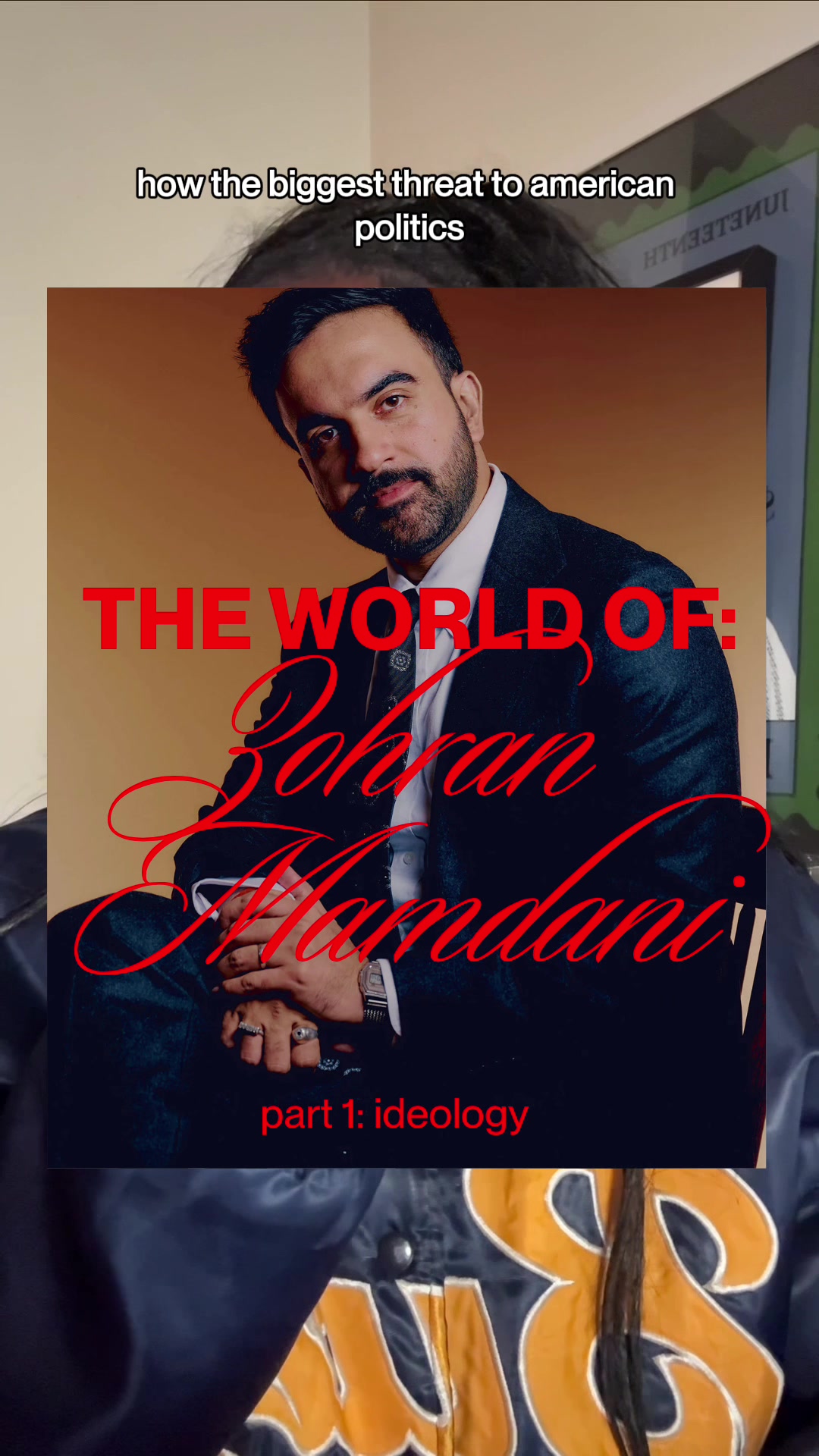
THE WORLD OF: Zohran Mamdani part 1: ideology
informational · beginning
VOTE ZOHRAN KWAME MANDANI FREEZE THE RENT FOR EVERY RENT-STABILIZED TENANT BUILD 200,000 NEW AFFORDABLE HOMES STAND UP TO BAD LANDLORDS DELIVER UNIVERSAL NO-COST CHILDCARE MAKE BUSES FAST AND FREE IMPROVE SAFETY ON OUR STREETS AND SUBWAYS
informational · end
WE JUST PASSED THREE MILLION DOORS KNOCKED ELECTION DAY IS TODAY POLLS CLOSE AT 9 PM
Understand how Ziram Omdani went from pulling at 1% to winning the New York City election is to understand how the biggest threat to American politics on both sides is hope. So he's clearly operating with this belief that politics is supposed to materially serve people and not emotionally manipulate them. So in this article by David Brooks, he explains how after World War two, America decided that moral formation, this idea that status is tied to character, reputation, and how well you show up for others, America decided that that idea needed to no. And instead, society shifted into this belief that people are just naturally good and just need to find themselves. So people start to prioritize self fulfillment instead of community obligation. And if you fast forward to the two thousands, social scientists were showing that negative emotional charge like shame, disgust, humiliation worse all more psychologically powerful and socially bonding than any positive feelings, and that became politically useful. Because as Adam Better wrote, in Trumpism, cruelty is the point. Like, it doesn't rely on competence. It relies on the shared emotional pleasure in somebody else's pain. And Republicans understand that cruelty will keep their followers manageable because you will never organize with people that you've been taught to hate. And Democrats also quietly benefit from the same culture because if people don't believe in collective action, they'll never demand better from the institutions that fail them. And Ziran's ideology rejects all of that where his politics is organized people over organized money. And I think just reasserting the fact that politicians are public servants, and they should feel obligated to build housing and transit and better childcare options and more public services. And seen through effect theory, his politics really reroute the emotional charge away from humiliation as bonding towards dignity. And that's why the world of Ziran is so threatening because it reminds people that we actually should feel a collective obligation to one another, that we really should be investing and reinvesting more in moral formation because that is the most dangerous thing to a system that depends on keeping people manipulated.