@thejaunt_
Instagram · Single Take

@thejaunt_ Gauging intelligence by humor

@thejaunt_
Instagram · Single Take
@thejaunt_ Gauging intelligence by humor
Performance
Video #34476 · Single Take
[01]
The creator presents a theory that links a person's sense of humor to their level of intelligence. He categorizes intelligence into low, mid, and high tiers, explaining what type of humor each group appreciates and why, before defining the characteristics of low, mid, and high-brow humor itself.
[02]
[03]
 311.3K124.7×Explaining a rare creative intelligence@kolbykirschner · Breakdown
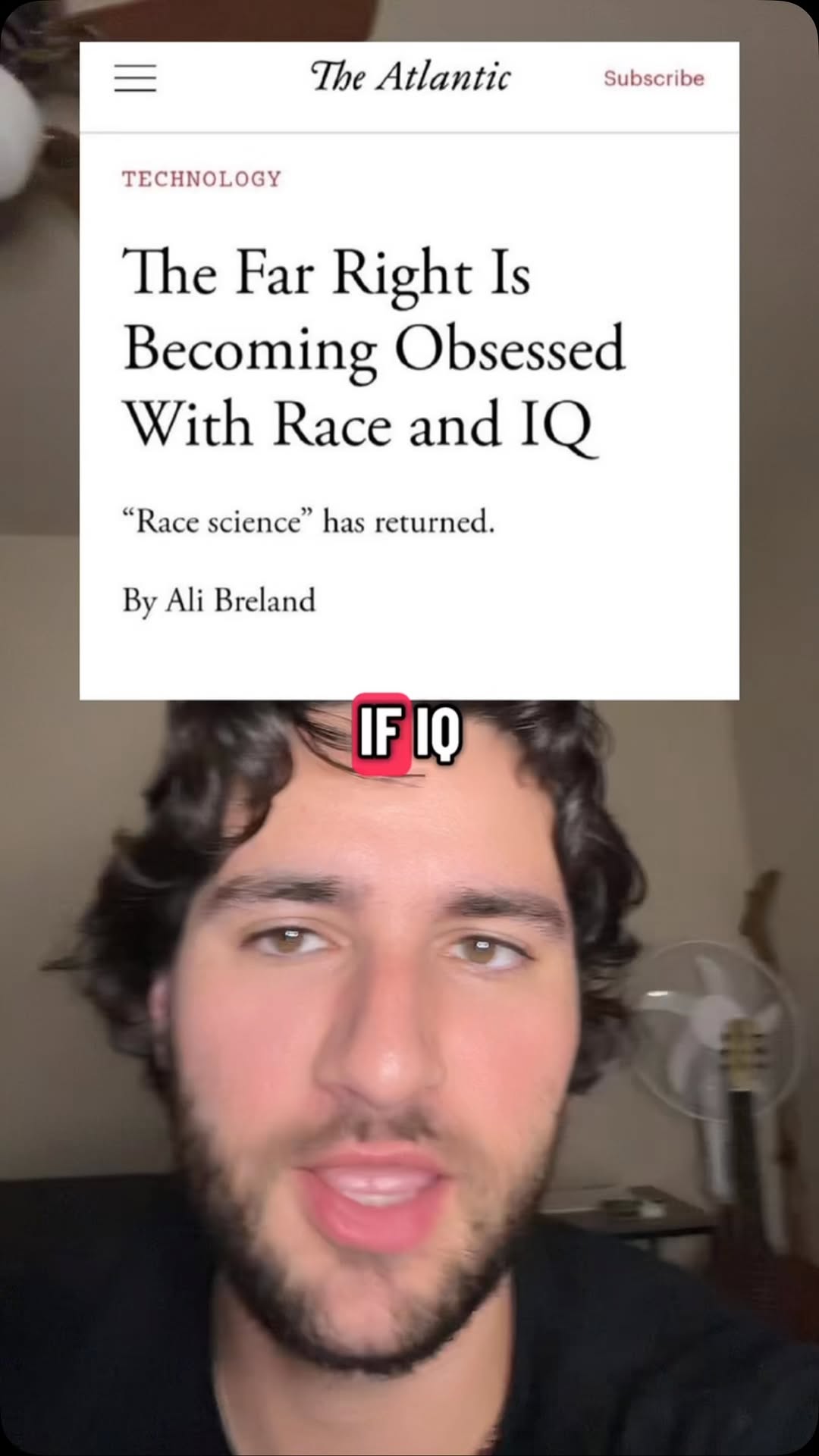 375.6K11.3×Political rant using memes and overlays@womp_tomp · Hot Take
 1.4M13.6×Using averages to test intelligence.@higherupwellness · Breakdown
 94K8.5×Satirizing rare personality type videos@sensei.nick · Satirical Expertise
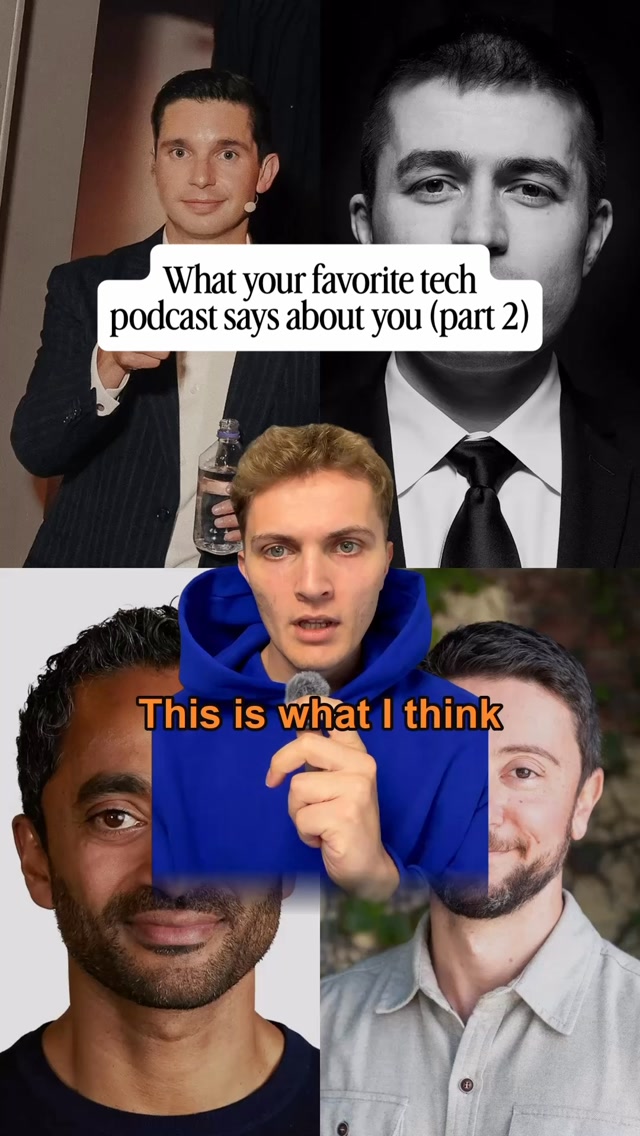 109.1K10.2×Tech podcast listener stereotype roast@dibratto · What Your X Says About You
 385K11.5×Debating IQ and stereotype accuracy@womp_tomp · Breakdown
 868.7K55×Comedic roast of middle children.@couldbaret · What Your X Says About You
 3.2M23.5×Subverting the meaning of 'deep conversation'@couldbaret · Hot Take
 120.9K9.6×Explaining a relatable personality type@justinbernardino · Vulnerable Monologue
 57.1K1.6×Explains the psychology of bullying@squidpakter · Anecdotal Philosophy
 247.1K6.5×Comedic rant about being confused@realdanyang · Anecdotal Philosophy
 304.2K16.6×Creator explains a dating dynamic@thejaunt_ · Anecdotal Philosophy
[04]
[05]
What stops the scroll in the first 3 seconds
Title hook · 45%
you can gauge someone's level of intelligence
Verbal hook · 50%
You can gauge someone's level of intelligence based on what they find funny.
Visual hook · 5%
A direct-to-camera, low-angle close-up of the speaker's face, creating an immediate and personal connection.
[06]
Steal this for your own video
You can gauge someone's based on what they .
[07]
The promise the opener makes, and how the video pays it back
Hook
A bold, universal claim that offers a new, simple method to judge a complex human trait like intelligence.
Payoff
The detailed, abstract explanation of the 'high-tier' concept, which validates the entire framework and flatters the viewer who understands it, making them feel part of the 'in-group'.
[08]
The structural pattern this video runs on
Framework
The Tiered Psychology Framework
To present a system for categorizing people into a three-tiered hierarchy (e.g., Low, Mid, High) based on a specific behavior, and then to define the characteristics and psychology of each tier, creating a sense of intellectual discovery for the viewer.
The Governing Thesis
States the core principle that allows for the categorization, establishing the video's entire premise in a single sentence.
The Baseline Analysis (Mid-Tier)
Describes the 'average' or middle category first, establishing a relatable reference point and its core motivation (often related to social signaling).
The Simple Extreme (Low-Tier)
Describes the lowest or simplest category, contrasting it with the baseline and attributing its behavior to a lack of awareness.
The Nuanced Apex (High-Tier)
Describes the highest category, presenting it as the most complex and desirable. It introduces a surprising characteristic that subverts expectations (e.g., sharing a trait with the low-tier) and provides a sophisticated rationale.
The Definitive Ranking
Summarizes the hierarchy and explicitly ranks the categories based on a specific metric (e.g., 'widest range' vs. 'most narrow'), reinforcing the framework's authority.
The Definitional Gauntlet
Systematically defines the abstract terms used for each tier (low, mid, high), moving from the most concrete and simple examples to the most abstract and complex, thereby proving the thesis.
Gauging intelligence by humor
title · beginning
you can gauge someone's level of intelligence
title · beginning
based on what they find funny
informational · beginning
mid wits don't laugh at low humor because they want to distinguish themselves from the stupids
informational · beginning
Low Intelligence find low humor funny
informational · middle
High Intelligence finds low and high humor funny
informational · middle
however they generally don't find mid level humor funny because they feel that it tries too hard for its own sake
informational · middle
low humor is stupid it's like potty jokes and slapstick stuff
informational · middle
mid humor is like sarcasm and puns
informational · end
high humor is not about what is said or what is done but what is selectively not said or not done
You can gauge someone's level of intelligence based on what they find funny. So mid intelligence or medium intelligence mainly just finds mid level humor funny. Midwits don't laugh at low humor because they wanna distinguish themselves from the stupids. Low intelligence find low humor funny. They're blissfully oblivious to the other levels of humor. High intelligence finds low and high humor funny. However, they generally don't find mid level humor funny because they feel that it tries too hard for its own sake. So intelligent people have the widest range of things that they find funny, followed second by low intelligence because low humor accounts for most humor, and the most narrow sense of humor is that of the midwit or average intelligence. It's hard to classify what's high, low, or mid humor, better, basically, low humor is stupid. It's like potty jokes and slapstick stuff. Low humor, though, is universal. Mid humor is like sarcasm and puns. It's highly cultural dependent. And high humor is layered and mostly uses omission to create a humorous effect. So high humor is not about what is said or what is done, but what is selectively not said or not done. High humor is mostly postmodern in that you never know for sure if the joker is making a joke or being serious, and they're withholding that information provides a certain lightness.