@davejorgenson1
Instagram · Split screen

@davejorgenson1 Directing President Trump’s “Storytime” interview with Usha Vance.

@davejorgenson1
Instagram · Split screen
@davejorgenson1 Directing President Trump’s “Storytime” interview with Usha Vance.
Performance
Video #35287 · Split screen
[01]
The creator plays the role of a director for a fictional "storytime" episode with Donald Trump, using a split-screen to show himself holding up absurd cue cards that prompt Trump's rambling and self-referential commentary on a children's book about US presidents. The video satirizes Trump's public persona and the nature of political interviews by creating a comedic, fictionalized behind-the-scenes narrative.
[02]
[03]
 909.8K43.7×Director cue cards parody speech@davejorgenson1 · Skit
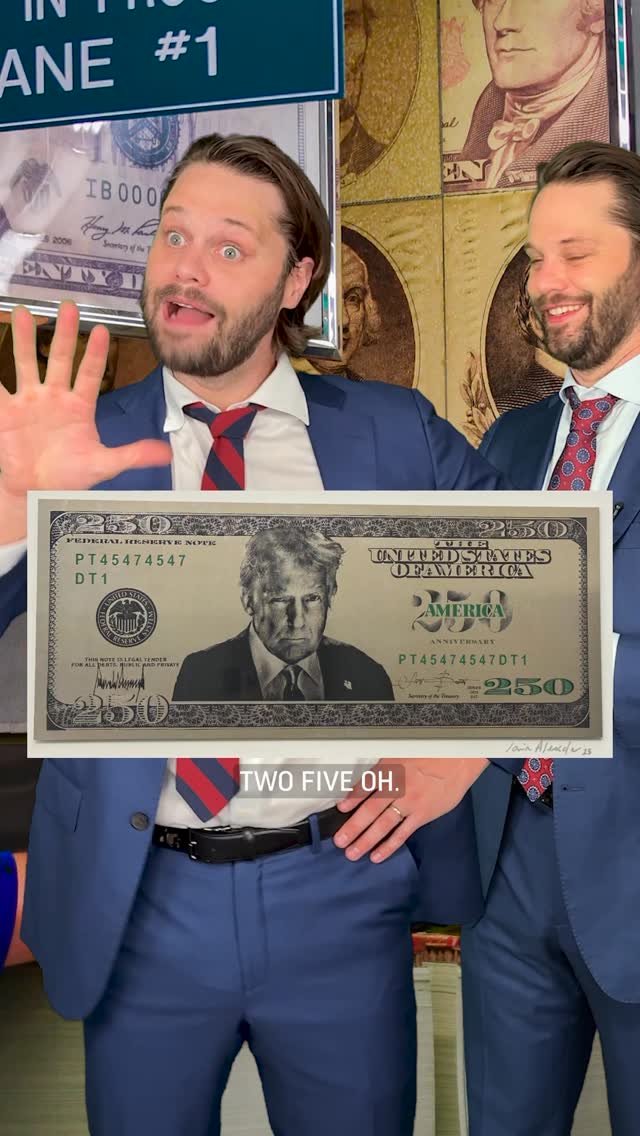 942.9K22.6×Satirical skit about Trump's currency@davejorgenson1 · Skit
 1.2M156.8×Creators rap battle as Trump@dumblitstudios · Skit
 603.9K2.7×Comedic Trump impression about moon@austinnasso · Character Impersonation
 1.8M42.4×Greenscreen skit satirizing political news@davejorgenson1 · Skit
 121KFriend steals the impression bit@the.unpaid.interns · Relatable Skit
 550.6K16.9×Reframing footage with critical text@9irlnews · Hot Take
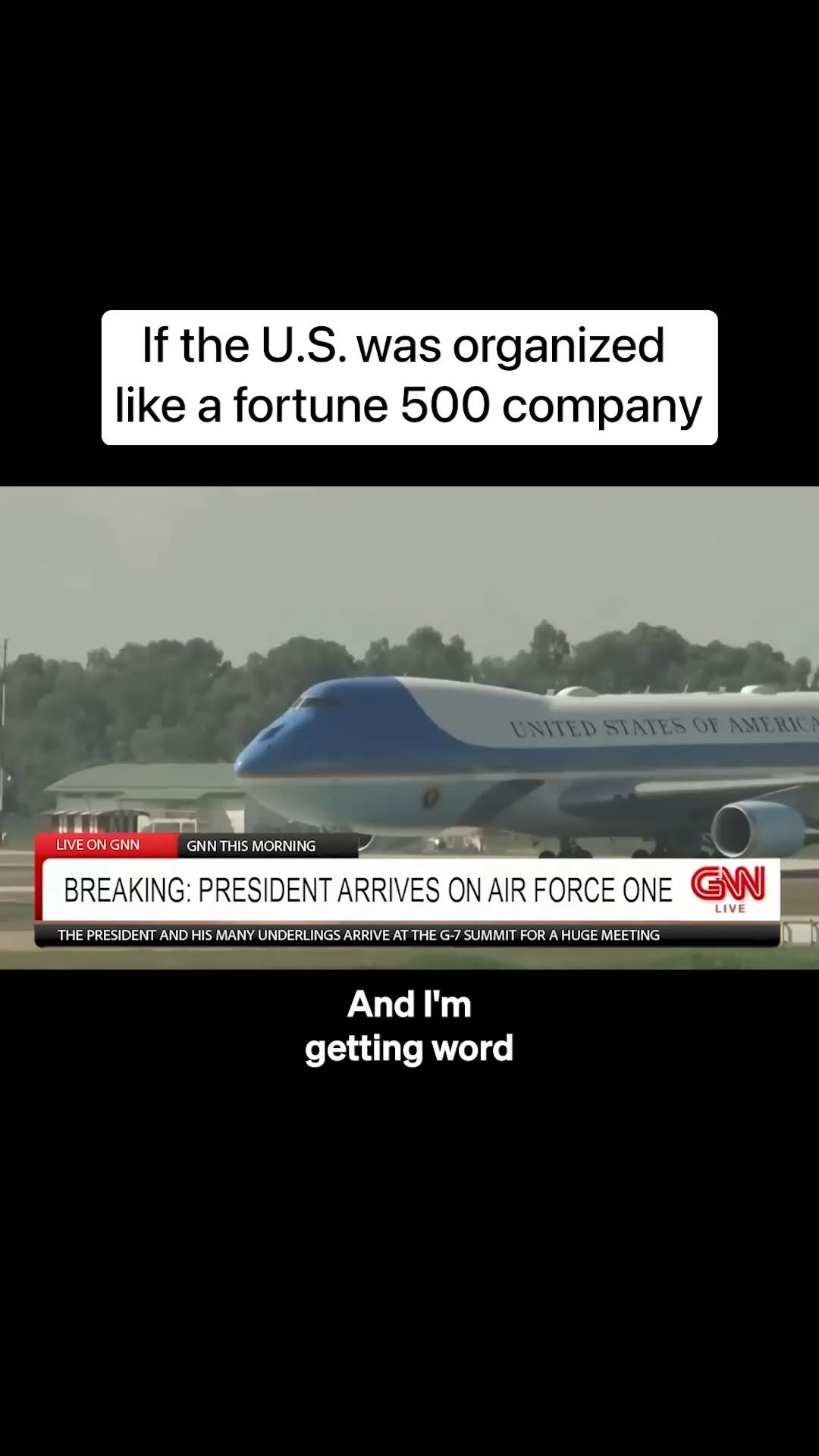 374.1KCorporate government satire news report@goodworkmb · Skit
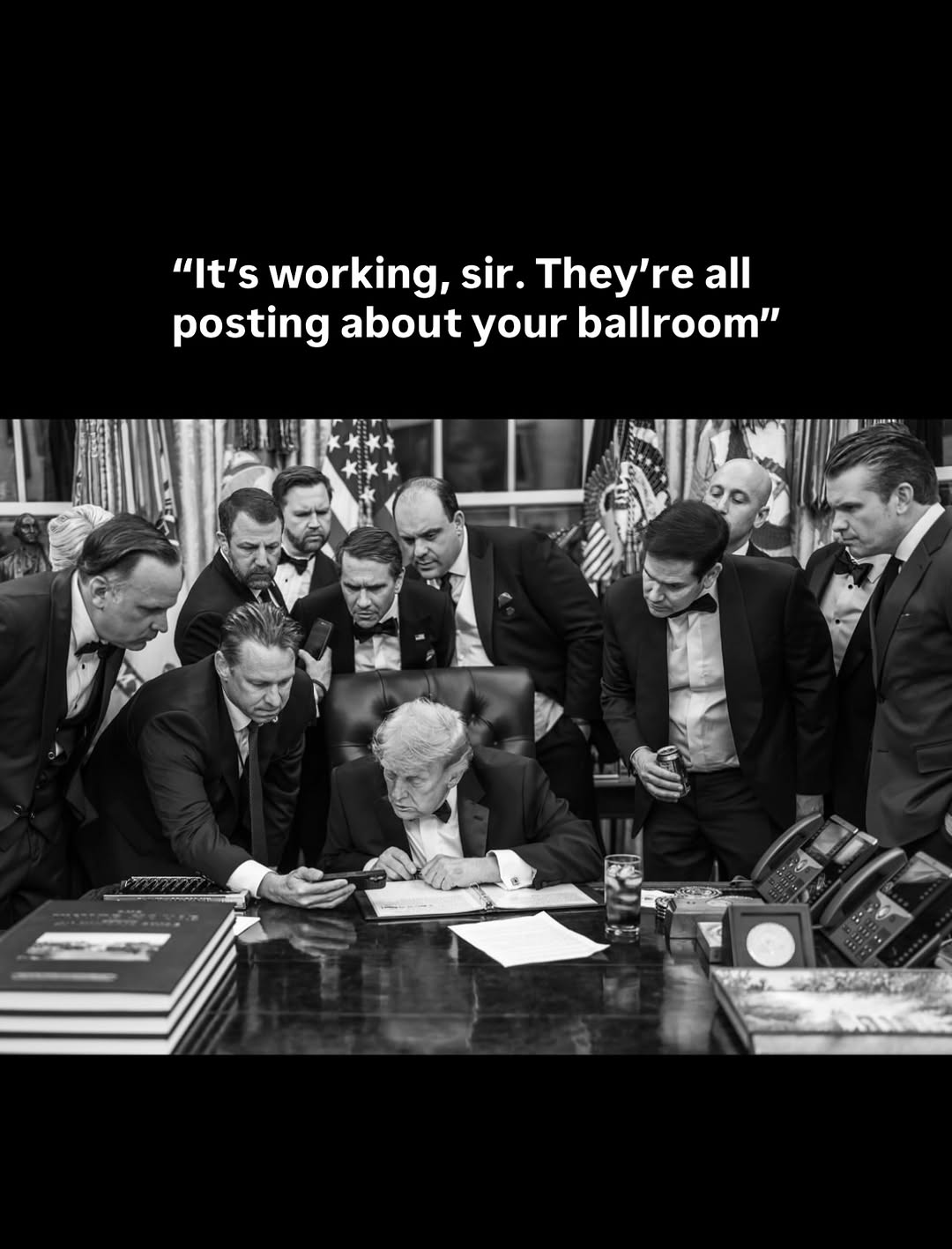 175.7K4.8×Satirical meme of Trump in the Oval Office.@emilyinyourphone · Satirical Advice
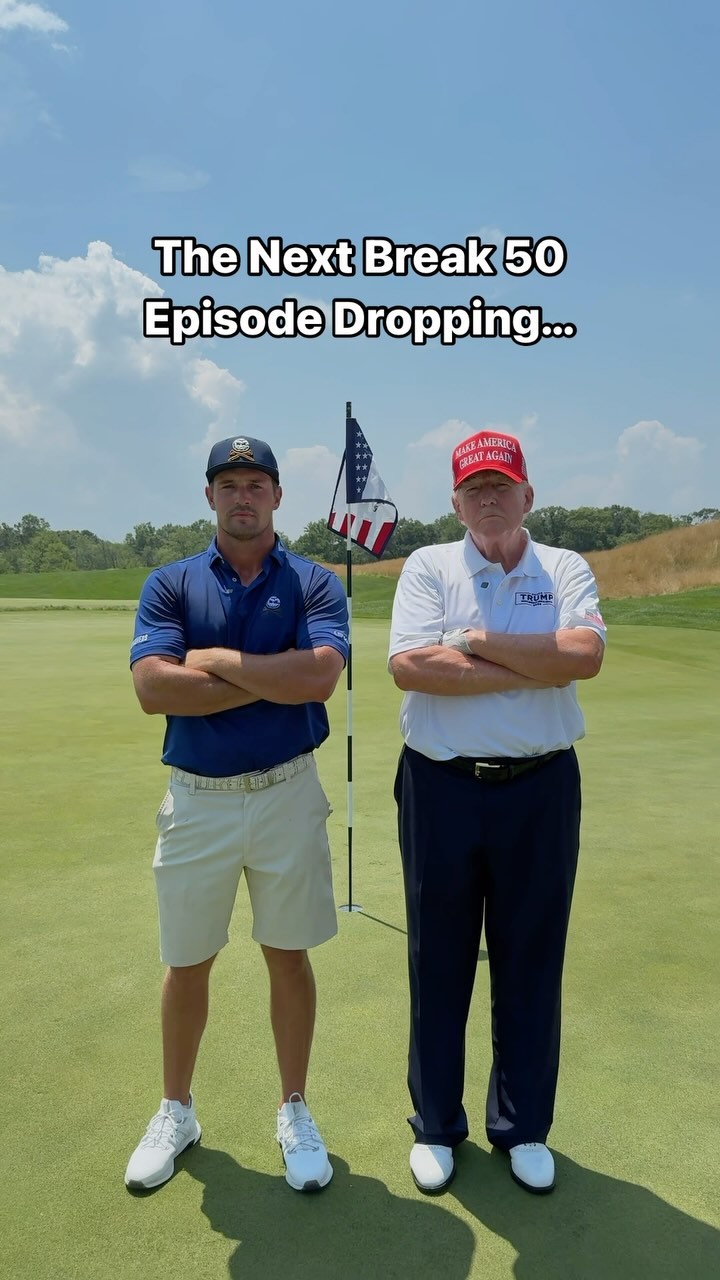 7.2MPosing for an episode announcement@brysondechambeau · Hype Teaser
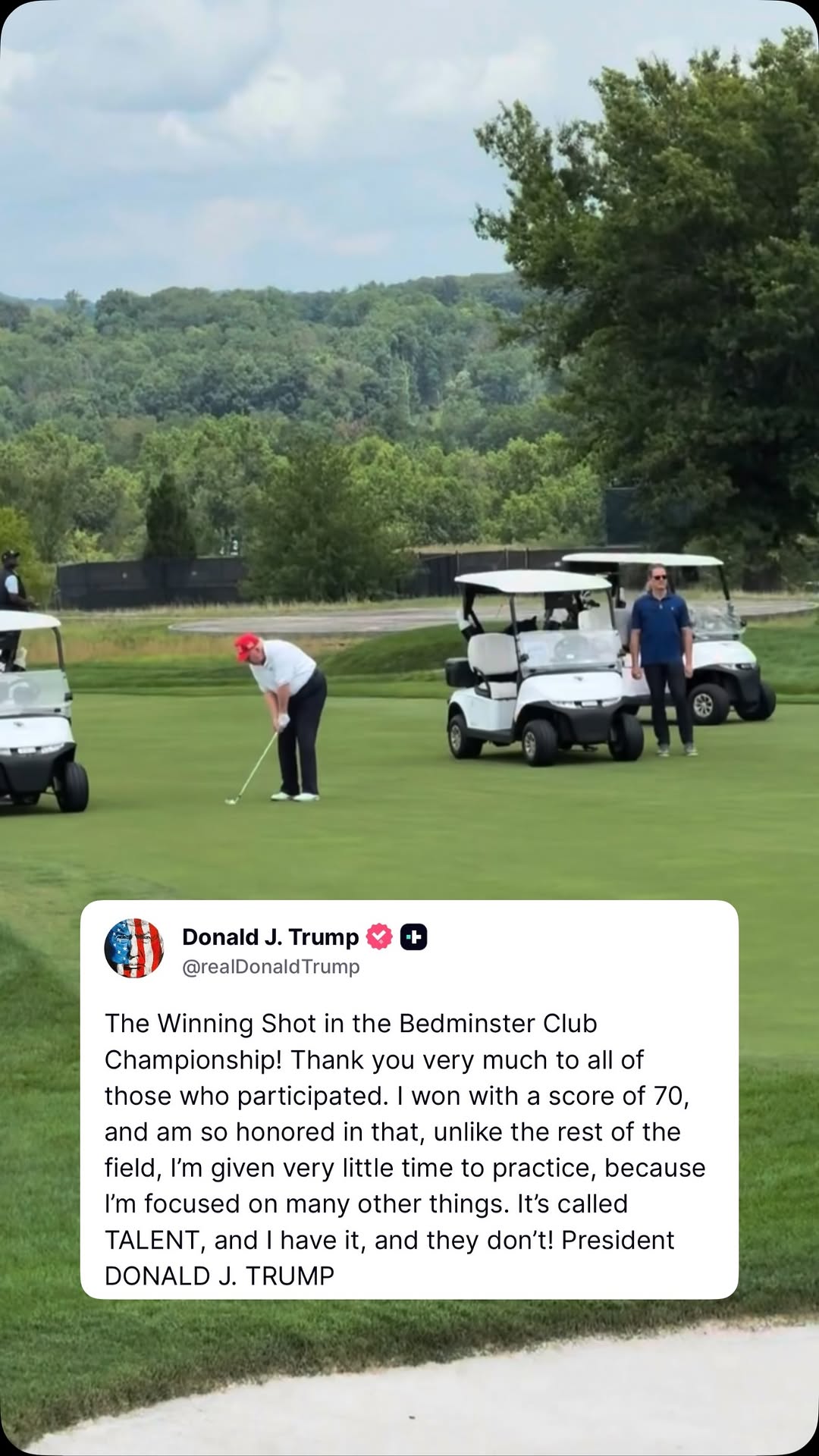 1.4M11.5×Golf shot then award ceremony@ziregolf · Event Showcase
 2M11.3×Satirical statue news report montage@wired · Candid Spectacle
[04]
[05]
What stops the scroll in the first 3 seconds
Title hook · 25%
Directing Trump's Storytime episode
Verbal hook · 15%
President Trump, thank you so much for inviting us into your office today.
Visual hook · 60%
The immediate split-screen format showing a formal interview with Donald Trump in the top frame and a man holding a cue card in the bottom frame, creating instant curiosity about the connection between the two scenes.
[06]
Steal this for your own video
Split-screen: on top, holding on bottom — as if they're secretly running the whole thing.
[07]
The promise the opener makes, and how the video pays it back
Hook
A title card and split-screen visual immediately establish the central gimmick: a behind-the-scenes 'director' is controlling a well-known public figure's interview, creating instant curiosity about how the absurd prompts will be answered.
Payoff
The interview concludes with the interviewer offering a polite, standard closing, which contrasts sharply with the absurdity of the preceding conversation. The director gives a final, satisfied gesture, providing a clean comedic resolution.
[08]
The structural pattern this video runs on
Framework
The Puppet Master Reframe
To create comedy by juxtaposing authentic, decontextualized footage of a subject with a fictional 'director' character who appears to be prompting the subject's absurd statements via cue cards. The humor derives from the uncanny alignment between the fake prompts and the real responses.
The Confusing Premise
The director issues a vague but strange opening instruction, prompting the subject to deliver a rambling, self-important, and confusing description that sets the tone for the interview.
The Narcissistic Reveal
The director prompts the subject to reveal a self-centered habit, which the subject immediately confirms, reinforcing a key character trait for comedic effect.
The Random Pivot
The director instructs the subject to make an abrupt and illogical pivot to a completely different topic, creating a jarring non-sequitur.
The Ironic Correction
The director's prompt serves as a factual correction to the subject's previous statement, creating a layer of dramatic irony where the 'director' is more knowledgeable than the subject.
The Awkward Tangent
The director instructs the subject to take a normal topic and make it strange and uncomfortably personal, often by directing an odd question to the interviewer.
The Unexpected Compliment
The director prompts the subject to praise a known rival or adversary, creating humor through the subversion of expectations.
The Niche Small Talk
The director prompts a deep-dive into a bizarrely specific and irrelevant topic, leading the subject on a strange, meandering monologue.
The Historical Downplay
The director instructs the subject to gloss over or minimize a major historical controversy, resulting in a comically understated and evasive explanation.
The Unnecessary Detail
The director prompts the subject to include a specific, often loaded, and unnecessary detail when referring to another person.
The Factual Error Pivot
The director prompts the subject to make a nonsensical connection between an illustration and a real-world plan, showcasing a break from logic.
The Body Image Loop
The director prompts the subject to comment on their own body. After the initial response, the prompt is repeated, forcing the subject to double down and compare themselves to a historical figure in a self-deprecating way.
Directing President Trump’s “Storytime” interview with Usha Vance.
title · beginning
Directing Trump's Storytime episode
President Trump, thank you so much for inviting us into your office today. Rank you. Thank you, Isha. Would you mind telling the kids who are watching a little bit about this office and what makes it so special? It's the most powerful piece of real estate probably in the world. Everything starts here, ends here, starts again. Do you have any time to read for fun these days? So I end up reading mostly newspapers. I usually read, stories about myself. Now I know you brought up a special book today. I did. Here's your cover. It's called president's play. So exciting. Rank, spot, run. We used to have run, spot, Worse. Remember when I was maybe you're much younger. But when I was growing up, we had a book rank, spot, run. That was the title of the book. Here's a man, president Harry Truman, it says, took walks. We do like walking here. Right. And you like do you walk with your husband? We do. Good. We try very hard. President Bill Clinton ran. I don't think I'll ever no that. I don't see myself doing that. I don't know. But, he's actually was a nice guy. I like Bill Clinton a lot. I still do. And then you have president Abraham Lincoln rode horses. He liked riding horses. Pulling off horses is not good. No. It's not. So well, we had a a nice good horse that's extremely slow, lazy. And maybe right up. President Richard Nixon, he spent a lot of time fighting to stay in office because he had a lot of a lot of people got him into trouble, and he got himself into trouble, I guess. Barack Hussein Obama as a basketball player. I don't know if he's a good basketball player. I tend to doubt it. And here's, John Quincy Adams. He swam in what was called the Tier Tiber, D I B E R. I don't know if it exists anymore. In fact, I think we're building a beautiful ballroom on top of it based on this picture. I don't know if I look good in a bathing suit. I haven't had a bathing suit in a long time. So I'm looking at these pictures of people swimming, and I'm saying, I don't know. Others like president William Taft, he was our heaviest president, and I have to be careful because I don't wanna supersede his record. Anything like that would be possible if I allowed it to happen. Thank you very much. Well, thank you for everything that you're doing for children. Thank you.