@jrp.co
Instagram · Yap
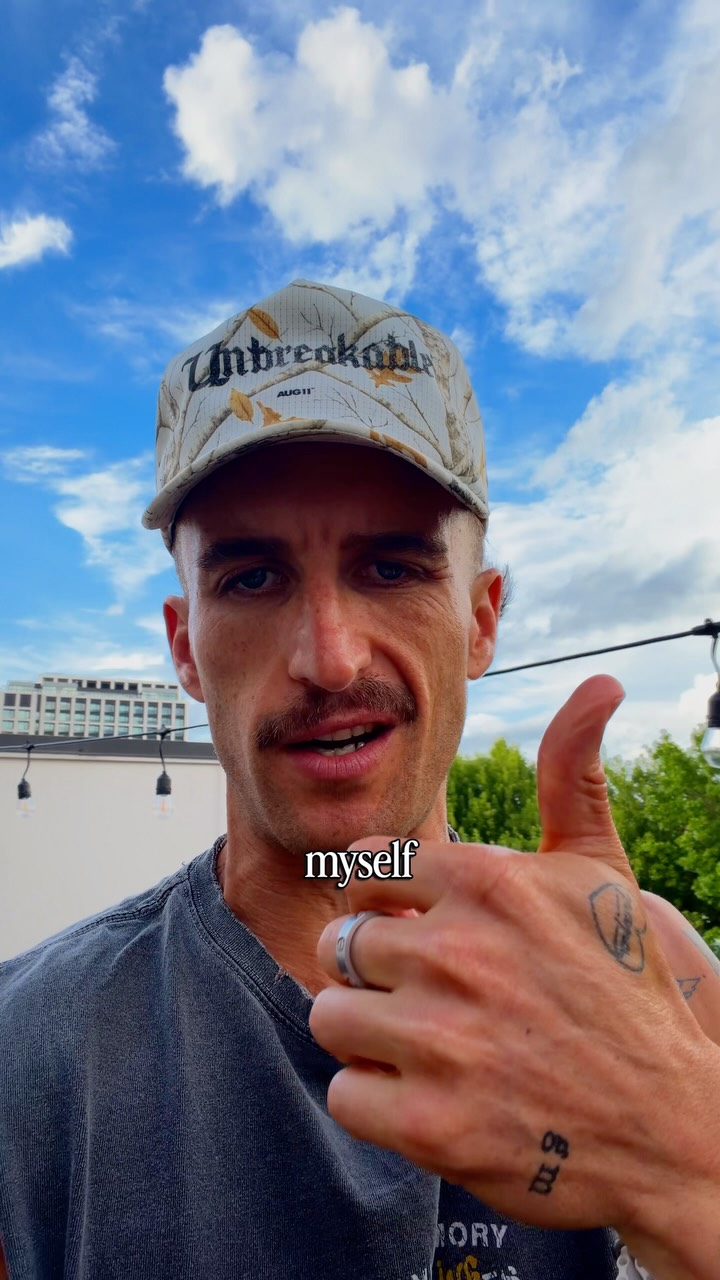
@jrp.co Let me talk for a second

@jrp.co
Instagram · Yap
@jrp.co Let me talk for a second
Performance
Video #36296 · Yap
[01]
The creator, a 36-year-old man, directly addresses the camera to defend his lifestyle of being single with no kids or major responsibilities. He challenges the societal notion that true happiness is only found in a nuclear family, questioning why his current freedom can't be considered happiness, while also clarifying that he does desire a family in the future.
[02]
[03]
 1M76.3×Monologue on intentional single lifestyle@jrp.co · Vulnerable Monologue
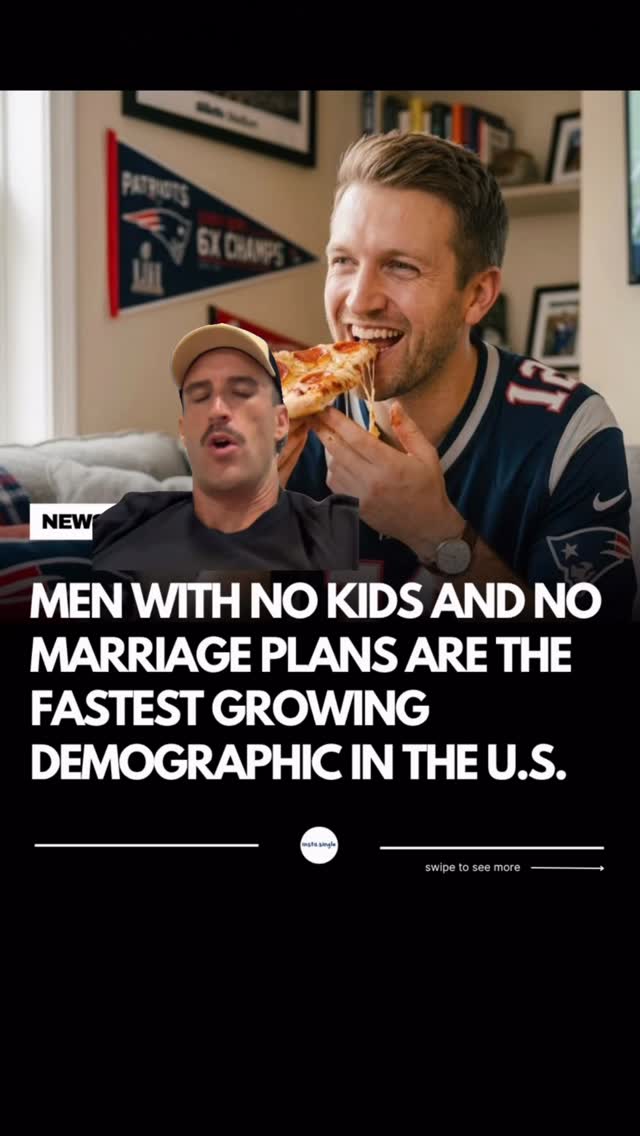 330.4K35.6×Creator reacts to dating headline@jrp.co · Headlines
 290.9K12.5×Sarcastic monologue on being single@jrp.co · Relatable Skit
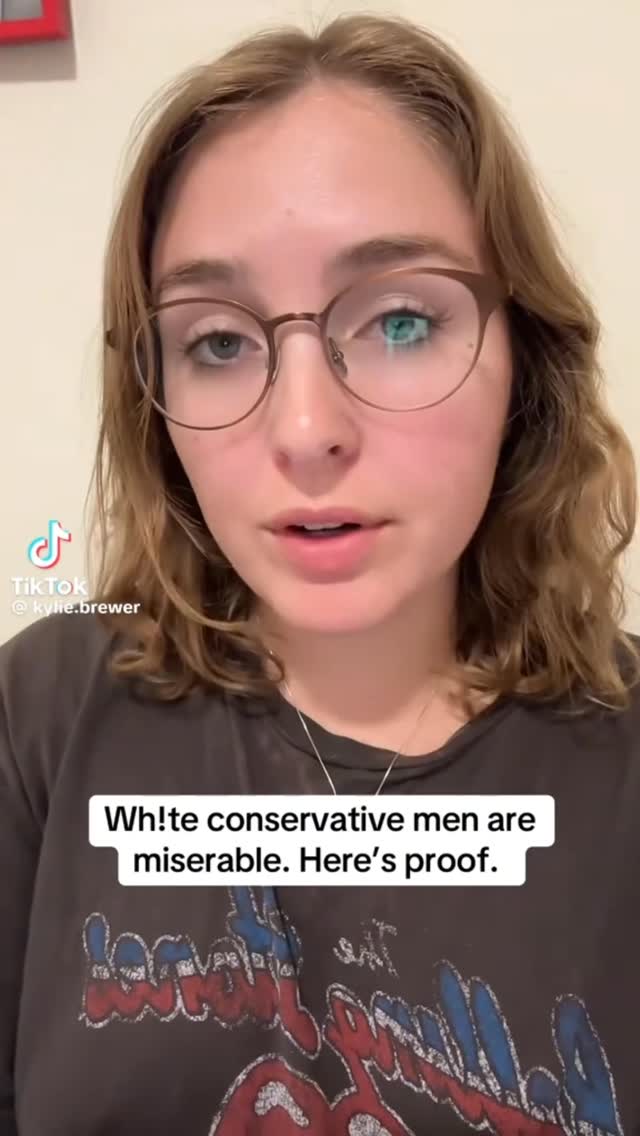 573.6K30.8×Man reacts to and critiques video.@womp_tomp · Reaction
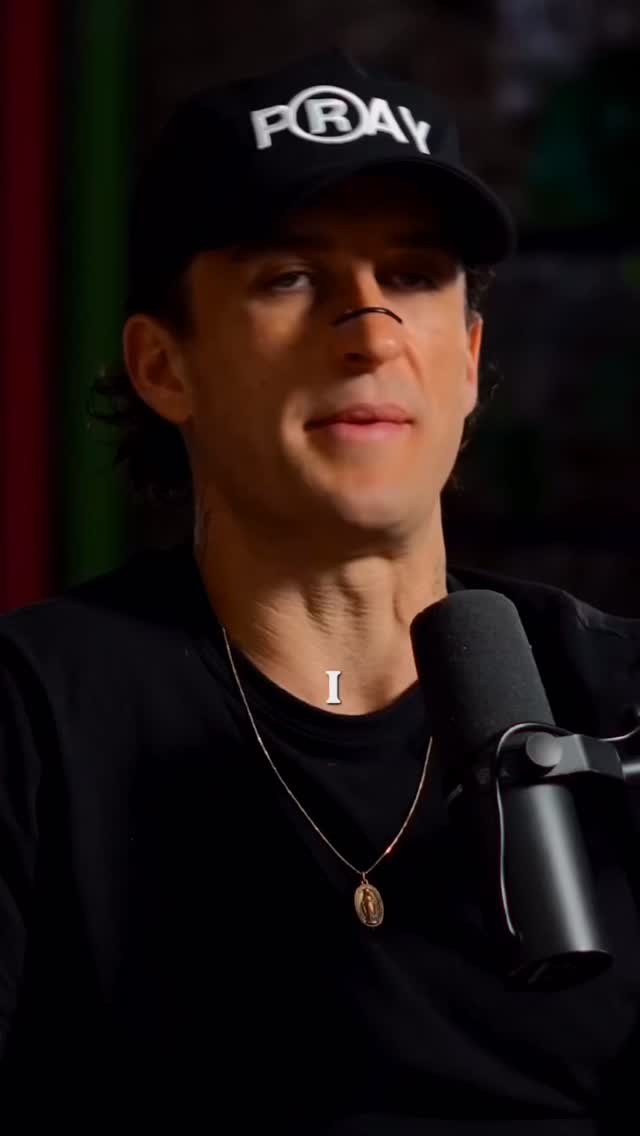 1.4M81.8×Passionate monologue on being single@jrp.co · Vulnerable Monologue
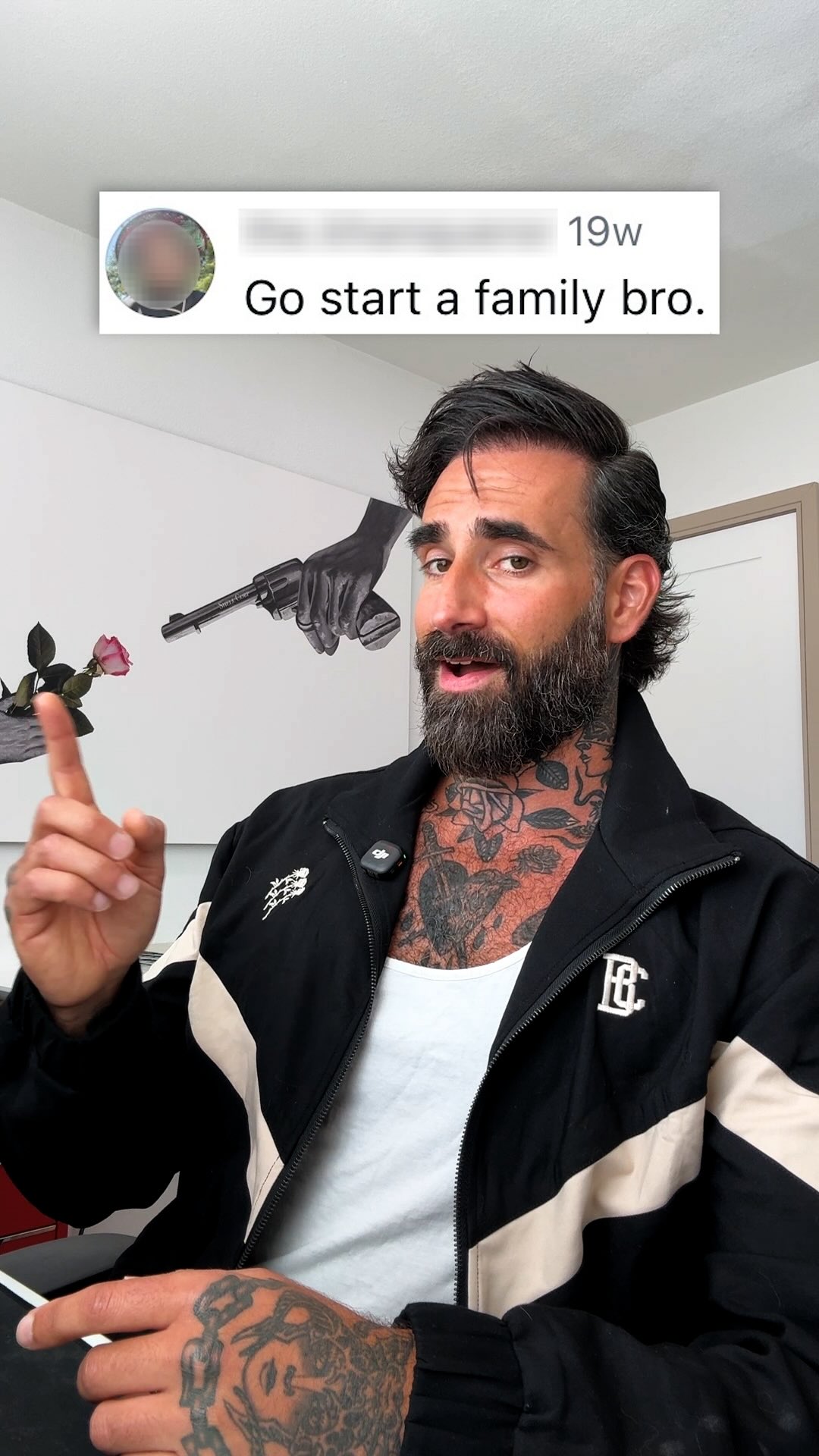 2.3M9.3×Creator tells personal family story@miketornabene · Anecdotal Philosophy
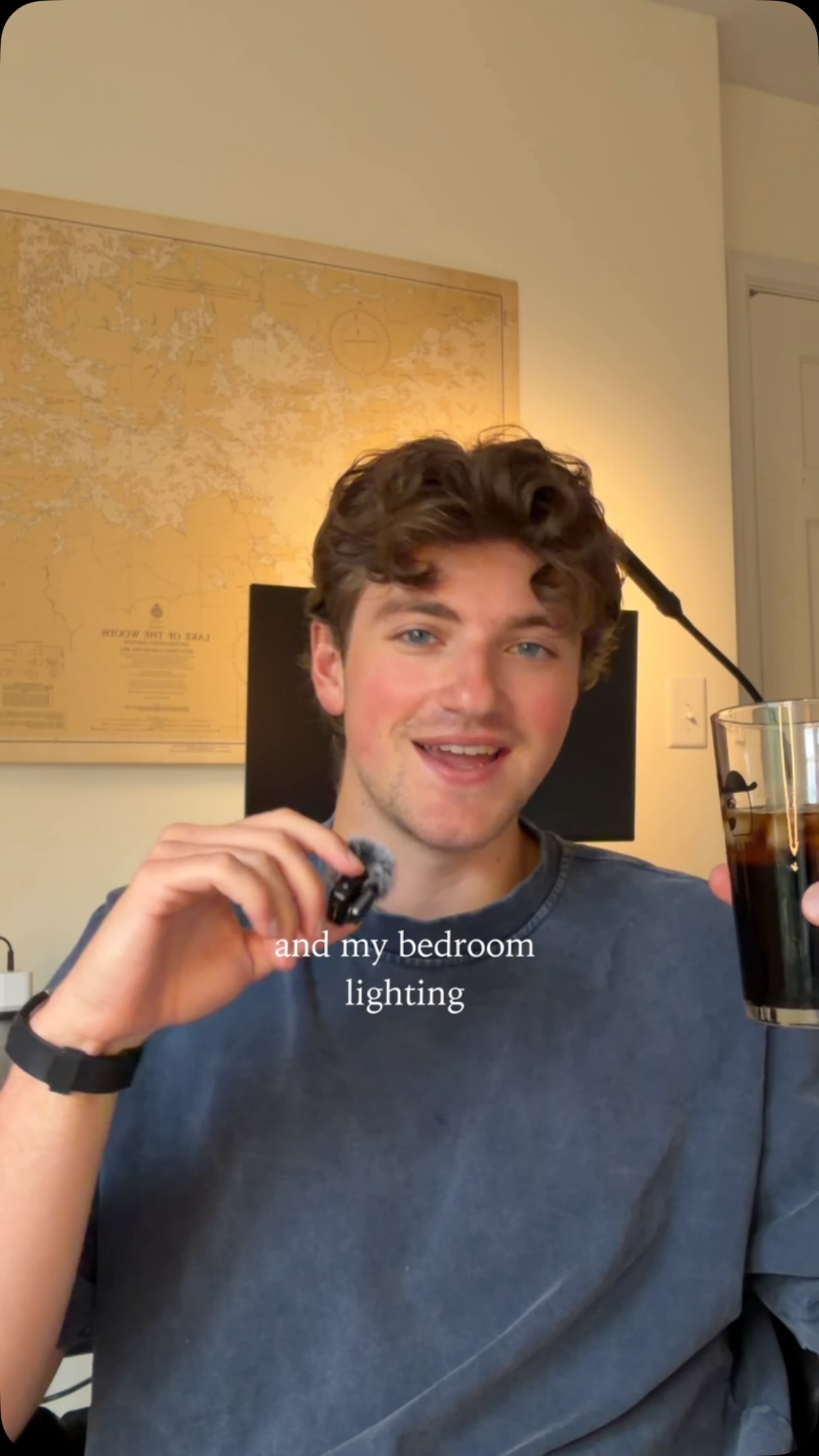 4.1M36.4×Personal story on identity vs consumerism@bitterbuilds · Vulnerable Monologue
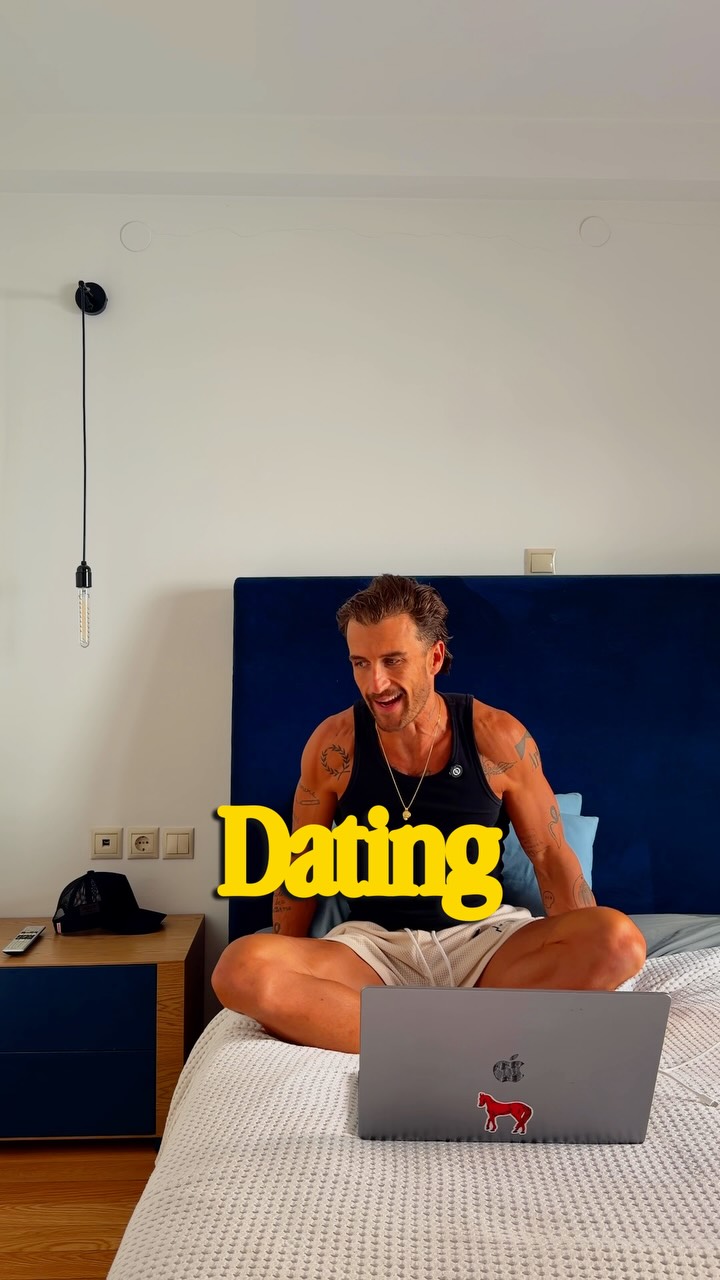 700.9K24.8×Man explains dating while happy@jrp.co · Vulnerable Monologue
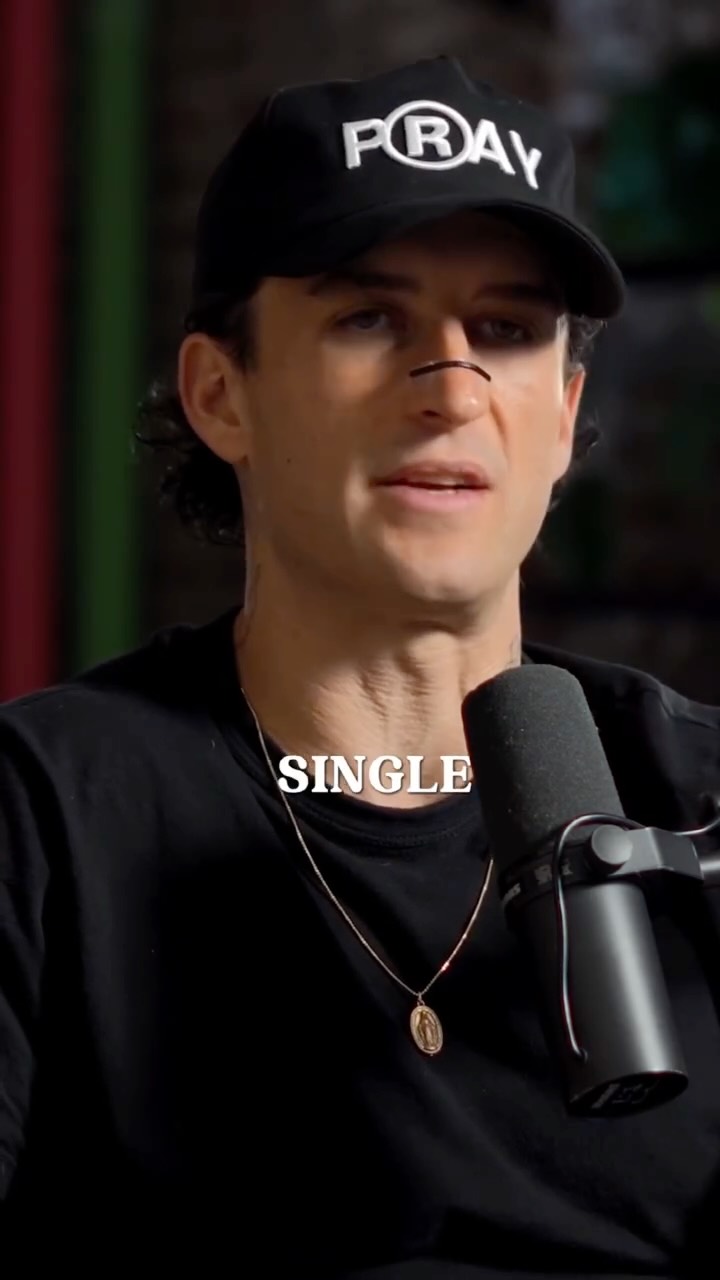 1.5M66.4×Passionate monologue on self-fulfillment@jrp.co · Vulnerable Monologue
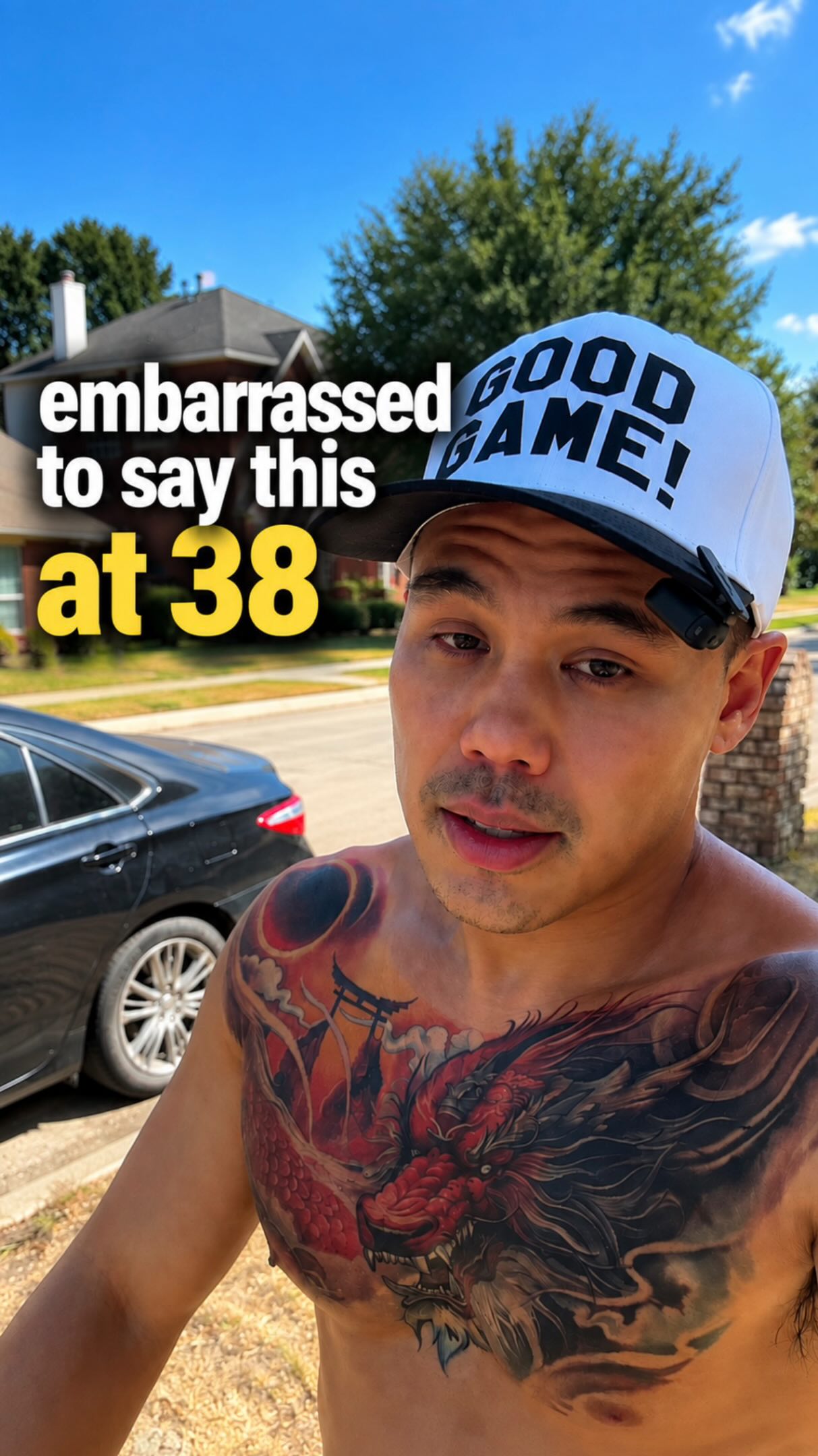 137.9KVulnerable monologue about starting over@nguyenandrise · Vulnerable Monologue
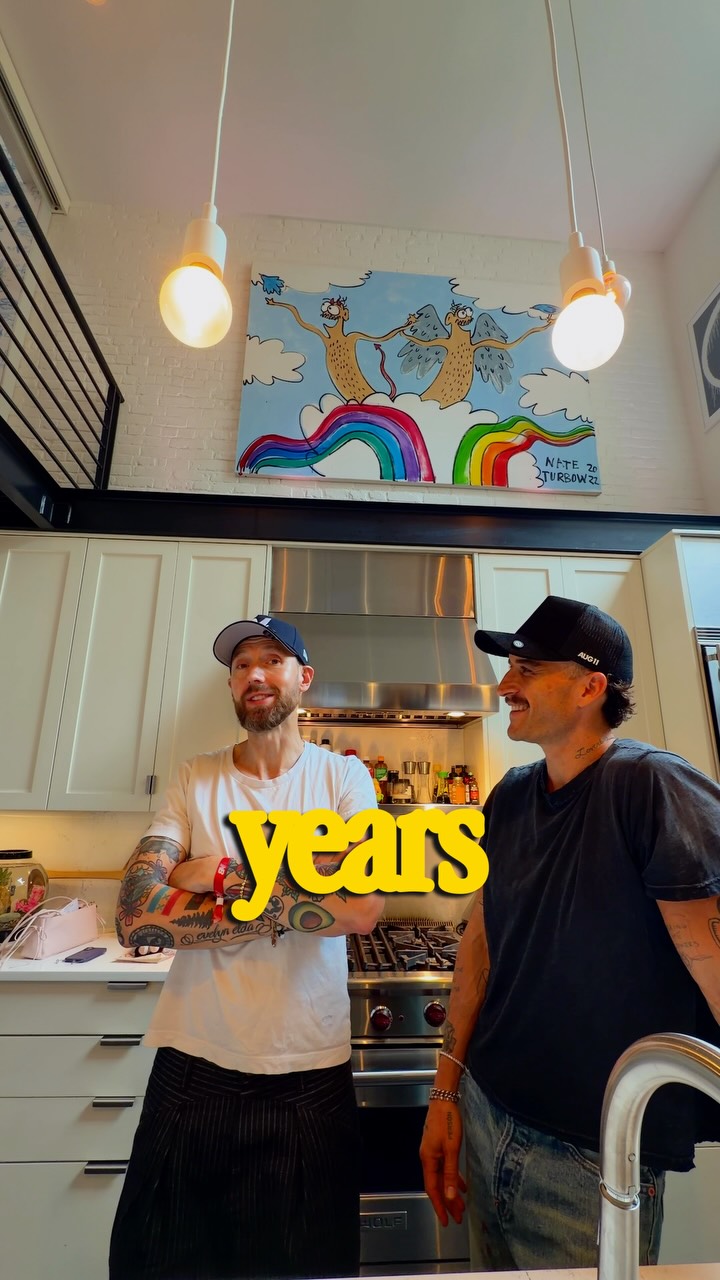 1.7M25.8×Comparing single vs married lifestyles@jrp.co
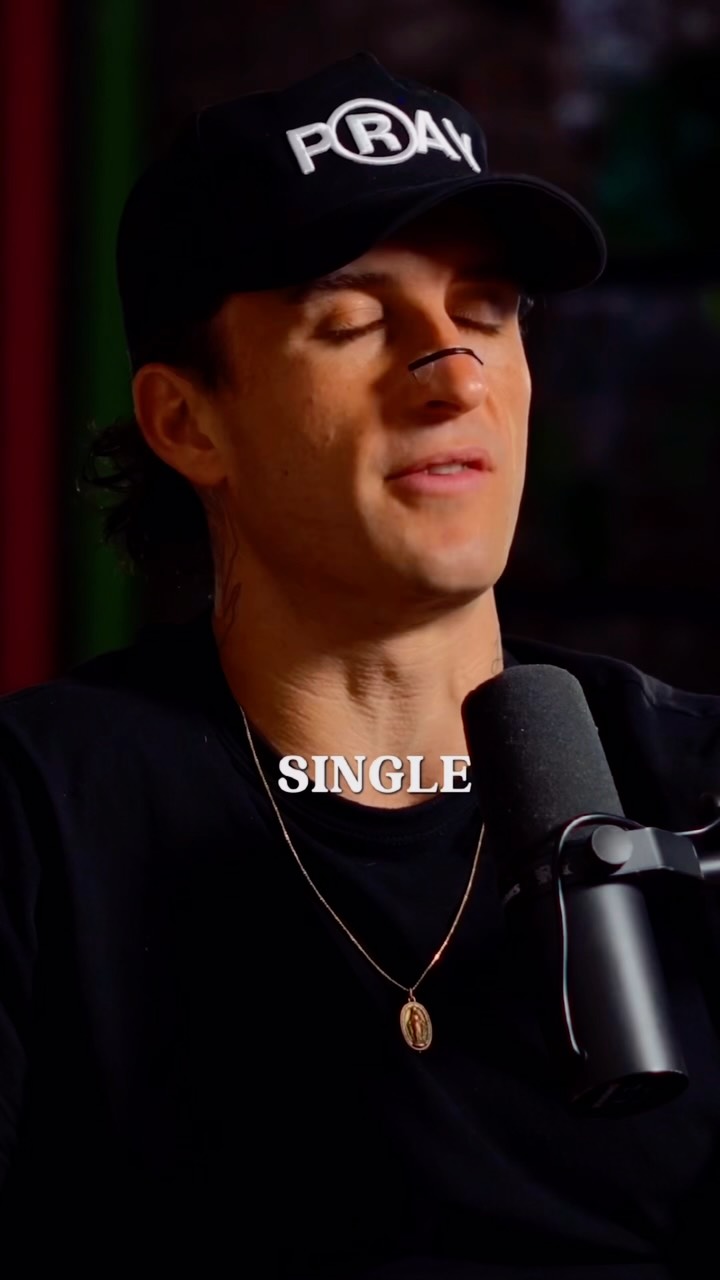 489.8K14.5×Podcast clip on relationship philosophy@jrp.co · Vulnerable Monologue
[04]
[05]
What stops the scroll in the first 3 seconds
Verbal hook · 70%
I'm 36. I have no wife, no girlfriend, no kids, no dog.
Visual hook · 30%
A direct, close-up shot of the man speaking intensely to the camera, creating immediate eye contact and human connection.
[06]
Steal this for your own video
I'm . I have no , no , no .
[07]
The promise the opener makes, and how the video pays it back
Hook
The Contrarian Status Report: The creator immediately states a personal situation that runs counter to common societal expectations, delivered as a rapid-fire list of 'lacks' (no wife, no kids, etc.) to establish a controversial position.
Payoff
The Concluding Judgment: The video ends not with a summary, but with a final, challenging question and a definitive judgment on the mindset of those who believe happiness must be deferred, leaving the audience to ponder the creator's philosophical stance.
[08]
The structural pattern this video runs on
Framework
The Contrarian Manifesto
Defending an unconventional choice or belief against a widely held societal norm by first articulating the criticism and then systematically dismantling it through rhetorical questions and personal evidence.
The Conflict Introduction
Explicitly states that this unconventional status provokes a negative reaction from others, framing the personal choice as a source of external conflict.
The Opponent's Voice
Articulates the specific criticism or label used by the opposition ('Peter Pan syndrome'), effectively creating a 'strawman' argument that will be deconstructed.
The Rhetorical Challenge
Poses a direct, philosophical question ('Why can't I know what true happiness is right now?') that undermines the core assumption of the criticism.
The Lived-Experience Proof
Provides a concrete, visual example from the creator's immediate environment (the rooftop, the cold plunge) as evidence for the validity and happiness of their current position.
The Freedom Reframe
Recontextualizes a perceived negative ('zero responsibilities') as a chosen, positive state of being, reinforcing the argument for personal freedom.
The Strategic Concession
Acknowledges a desire for the conventional outcome in the future ('Yes, I want a wife... kids'). This disarms critics, builds credibility, and makes the present-day argument seem more reasonable and less absolute.
Let me talk for a second
I'm 36. I have no wife, no girlfriend, no kids, no dog. I work for myself. I get to go to sleep when I worst, and I get to wake up when I worst. And apparently, that pisses people off. You call it Peter Pan syndrome. You say that you'll know what true happiness happiness is when you finally have no wife and kids. Hey, why can't I know what true happiness is right now? Why can't me rank out on my rooftop on a Sunday afternoon filling up my cold punch on the 4th Floor of my house best true happiness? Why can't me having zero responsibilities that I don't want to be responsible for be true happiness? Yes, I want a wife. Yes, I want kids. Kids. Yes. I want a dog. Yes. I want the whole nuclear family thing. But why do I have to have that in order to be happy? I am convinced that the people who believe that you can only experience true happiness when you are