@palome
Instagram · Skit

@palome One phrase, countless meanings. Ça va?

@palome
Instagram · Skit
@palome One phrase, countless meanings. Ça va?
Performance
Video #37208 · Skit
[01]
The creator uses a series of short, scripted scenes to demonstrate the different contextual meanings of the common French phrase "ça va." She contrasts the literal translation with its nuanced use in various social situations, such as a greeting, a response to concern, and an opinion on a film, to humorously educate viewers on French communication.
[02]
[03]
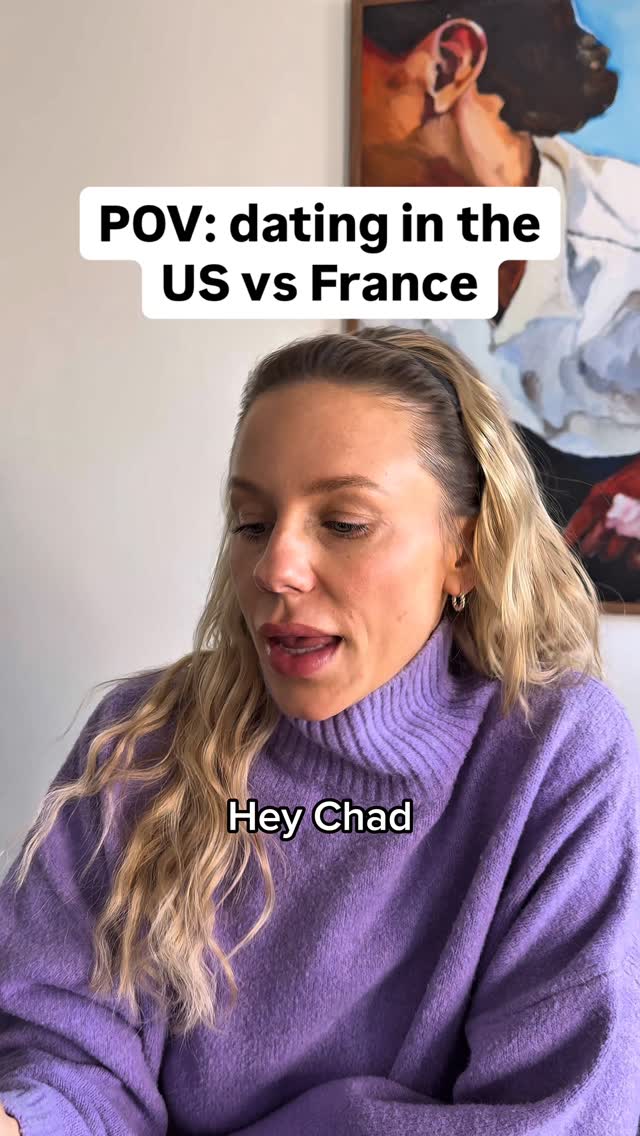 750.3KSkit comparing US vs France dating@atfrenchies · Skit
 831.8K50.7×Satirical French citizenship interview skit@americanfille · Skit
 379.3K1.2×Rapid fire stereotypical girl behaviors@nikki_howard · Relatable Skit
 1.1M6.2×Skit visualizing internal monologue@tylerbenderr · Relatable Skit
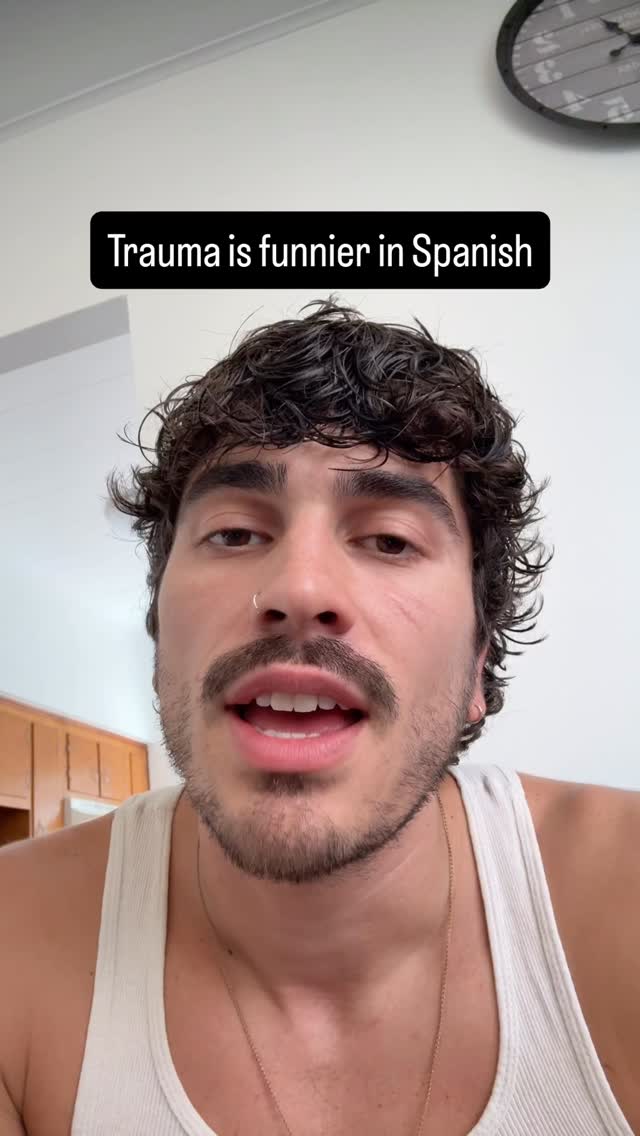 949.2K2×Explains why trauma is funnier@maxmanticof_ · Anecdotal Philosophy
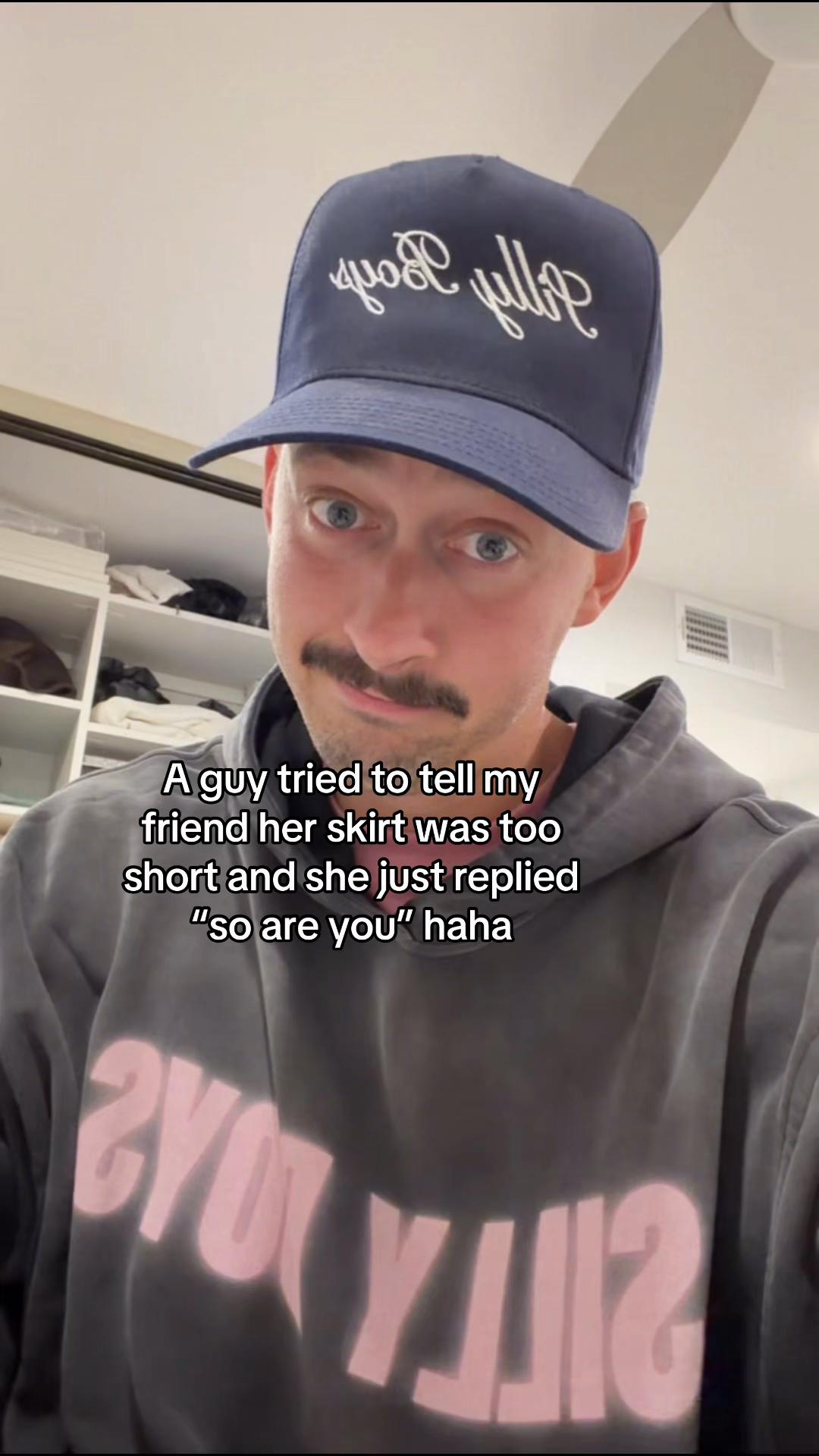 808.2K417.9×Direct to camera joke delivery@sillyboysapparel
 798.4K18.5×Editing questions to make boyfriend crazy@vinceandkins · Relatable One Shot
 6.9MRelatable skit about celebrity crushes@nikki_howard · Relatable Skit
 766.5K33.9×Skit comparing cultural pregnancy reactions@royaventurera · Stereotype Satire
 146.3K2.4×POV skit about stoned misunderstanding@getzenco · Relatable Skit
 2.5M11.8×Relatable text with visual punchline@looo_bear · Relatable One Shot
 4.3M1.1×Realization about girlfriend's TV show@guywithamoviecamera · Relatable One Shot
[04]
[05]
What stops the scroll in the first 3 seconds
Title hook · 45%
One of the first mistakes people
Verbal hook · 35%
One of the first mistakes people make when learning French is thinking ça va means I'm fine.
Visual hook · 20%
A wide shot of a woman standing on a classic, ornate Parisian balcony, immediately establishing a strong sense of place and aesthetic.
[06]
Steal this for your own video
One of the first mistakes make is thinking means .
[07]
The promise the opener makes, and how the video pays it back
Hook
The Common Misconception Hook: State a widely accepted 'fact' or definition and immediately debunk it, creating an instant knowledge gap that the viewer feels compelled to fill.
Payoff
The Conclusive Thesis: Summarizes the entire video's point in a witty, memorable statement that reinforces the central idea, often punctuated by a final, ironic use of the concept itself.
[08]
The structural pattern this video runs on
Framework
The Hidden Meanings Framework
To deconstruct a single, common phrase or concept by revealing its multiple, context-dependent, and often contradictory meanings through a series of short, illustrative scenes.
The Positive Baseline
Presents the first and most straightforward application of the concept. This acts as a control case and establishes a baseline expectation for the viewer before subverting it.
The Emotional Inversion
Presents a second example where the concept is used to mean the complete opposite of the first. This is the core reveal that proves the video's thesis and delivers the first major 'aha' moment.
The Nuanced Qualifier
Presents a third, more subtle example that expands the concept's application beyond the initial binary (e.g., from personal feelings to a lukewarm opinion), demonstrating its versatility and depth.
One phrase, countless meanings. Ça va?
informational · beginning
One of the first mistakes people
informational · beginning
make when learning French is
informational · beginning
thinking "ça va"
informational · beginning
means "I'm fine"
informational · beginning
It doesn't.
contextual · beginning
Ça va?
contextual · beginning
Ça va, et toi?
contextual · middle
Oui, ça va.
informational · middle
And that means "I'm great"
contextual · middle
Are you okay?
contextual · middle
Ça va, ça va...
informational · middle
That one means "I'm not okay"
informational · middle
and please stop asking.
contextual · middle
So, did you like the film?
contextual · middle
Oui, ça va.
informational · middle
That means "not really".
informational · end
French is a beautiful language
informational · end
and you only need two words.
contextual · end
Ça va.
One of the first mistakes people make when learning French is thinking means I'm fine. It doesn't. And that means I'm great. Are you okay? That one means I'm not okay, and please stop asking. No, did you like the film? That means no really. French is a beautiful language, and you only need two words.