@earth
Instagram · Vlog
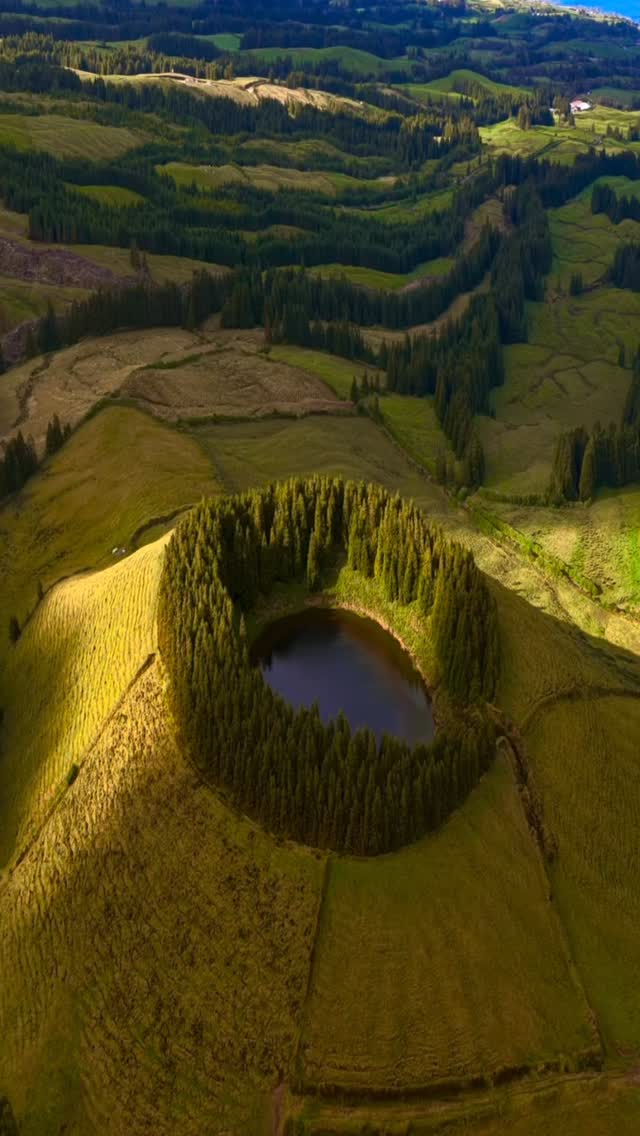
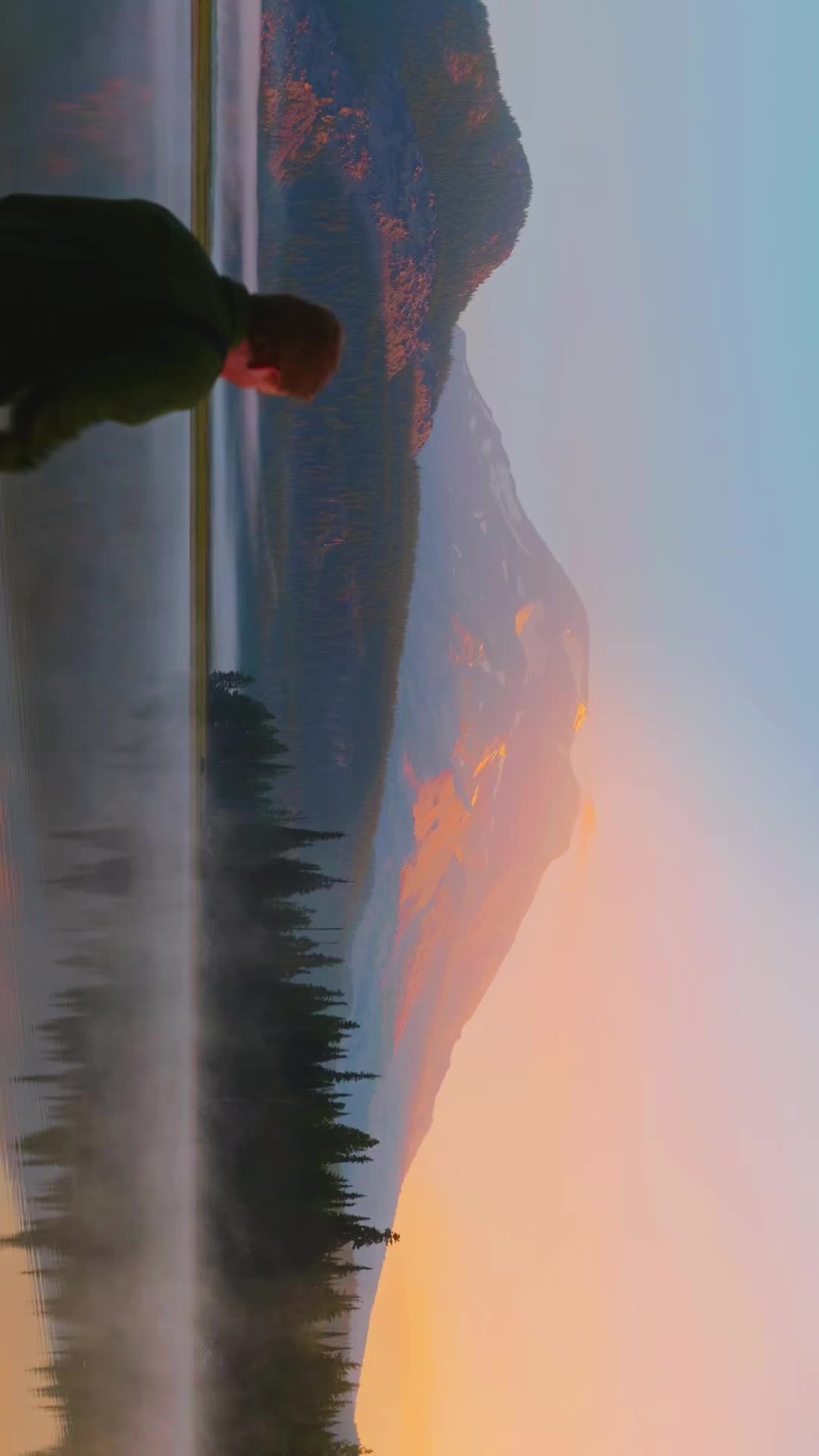
@earth Video by @ilhan1077 This lagoon in the sky is a reminder of the beauty that can follow destruction. Nestled in a crater on the island of São Miguel in the Azores, Lagoa de Pau Pique formed after a volcanic eruption.¹,² Explosions leave barren depressions in the landscape. These zones don’t stay lifeless for long. Pioneering microbial communities can blow in from the air or arrive from nearby soil. Equipped with adaptations suited to these hot, acidic environments, over time, microbes can silently engineer the environment to be conducive for other life to take root and grow.³ ¹ Corada, A. S., Andrade, C., & Cruz, J. V. (2026). Hydrogeochemical characterization of volcanic lakes at the Sete Cidades Volcano (São Miguel, Azores). Water, 18(8), 935. https://doi.org/10.3390/w18080935 ²Cruz, J., Antunes, P., Amaral, C., França, Z., & Nunes, J. (2006). Volcanic lakes of the Azores archipelago (Portugal): Geological setting and geochemical characterization. Journal of Volcanology and Geothermal Research, 156(1–2), 135–157. https://doi.org/10.1016/j.jvolgeores.2006.03.008 ³Hadland, N., Hamilton, C. W., & Duhamel, S. (2024). Young volcanic terrains are windows into early microbial colonization. Communications Earth & Environment, 5(1). https://doi.org/10.1038/s43247-024-01280-3