Viral Hooks
Trending short videosFolk song performance with archival footage
N

@nts_radio

Instagram · Performance Highlight
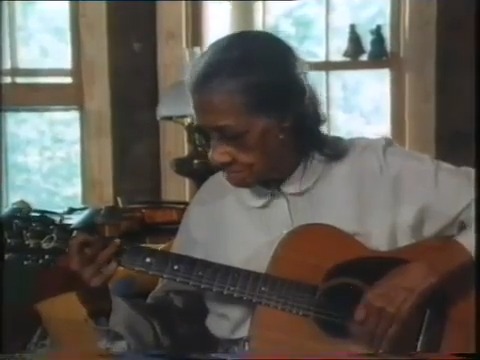
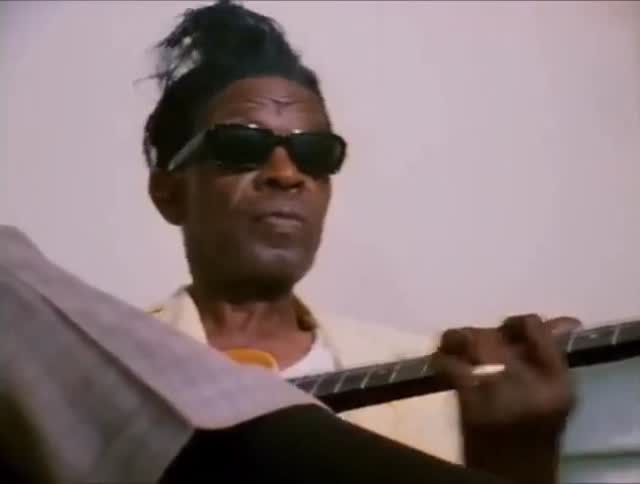
@nts_radio Elizabeth Cotten wrote one of the most beloved folk songs of the 20th Century when she was only 11 years old. It was only after a chance meeting decades later that the song became famous. A self taught musician, Cotten learned guitar left-handed, using a standard string setup, essentially playing upside down. She wrote "Freight Train" as a child in the early 1900s, inspired by the rumbling carriages rolling down the tracks near her house in North Carolina. In the early 1950s, after Cotten had long retired from guitar playing, she was working as shop assistant, and reunited a lost child with her mother. The mother and child were Penny and Ruth Seeger of the influential Seeger folk dynasty. Cotten began working with the family, caring for their children. She was encouraged by the family to play music again, and re-learned to play the guitar, essentially from scratch, in her 60s. Peggy Seeger went to England in the 1950s, and often performed her one-time nanny's songs – "Freight Train" in particular became very popular in the burgeoning British folk revival. With many mistaking it for a public domain standard, it would end up becoming altered, and copyrighted by a British skiffle act. Copyright would eventually be rightfully returned to Cotten with the help of the Seeger family. Cotten's own first recording of "Freight Train", was in 1957, five decades after she wrote it as a child. It would be covered by The Beatles, Bob Dylan, Joan Baez, Jerry Garcia and countless thousands more. Listen to performances from Cotten, Johnny Cash, Mississippi John Hurt and more with our Guide To: Pete Seeger's Rainbow Quest, live now: nts.live/1
View original on Instagram

The edit1 shot · 0 text
Shots2:46

Performance

Views
869.9K
Likes
47.1K
Comments
273
Engagement
5.5%
Outlier
23.1×
Length · 9 Aug 2026
2:46

Video #38950 · Performance Highlight

Folk song performance with archival footagefrom @nts_radio

[01]

Overview

The video features folk musician Elizabeth Cotten performing her iconic song 'Freight Train' on an acoustic guitar. The performance is intercut with black-and-white archival footage of trains, rural landscapes, and people traveling, visually complementing the song's lyrics and themes of travel, life, and death.

[02]

Simple outline

  1. 1Showcase unique talent
  2. 2Introduce core theme
  3. 3Broaden with historical context
  4. 4Return to artist for payoff

[03]

Related videos

[04]

Classification

Concepts
Live PerformanceNostalgia Highlight
Elements
Archival FootageB-Roll Cutaway

[05]

Hook analysis

What stops the scroll in the first 3 seconds

Visual hook · 100%

An intimate medium shot of an elderly woman focused intently on playing an acoustic guitar, establishing an authentic and personal musical performance.

[06]

Hook template

Steal this for your own video

An intimate medium shot of [identity slot: unexpected or overlooked person] deeply absorbed in [action slot: skilled or expressive activity] — no introduction, no context, just the [object or instrument] and their [emotion/descriptor slot: quality that commands attention].

  • — An intimate medium shot of a 90-year-old woman deeply absorbed in throwing pottery on a wheel — no introduction, no context, just the clay and her steady, unhurried hands.
  • — An intimate medium shot of a blind chess player deeply absorbed in reading the board by touch — no introduction, no context, just the pieces and his quiet, total concentration.
  • — An intimate medium shot of a teenage girl deeply absorbed in conducting an invisible orchestra — no introduction, no context, just the open air and her absolute, unself-conscious command.

[07]

Hook and payoff

The promise the opener makes, and how the video pays it back

Hook

An immediate, intimate demonstration of a unique skill or talent, presented without introduction, to establish authenticity and capture attention through raw ability.

Payoff

The final moment focuses tightly on the creator, delivering a quiet but powerful emotional resolution that emphasizes their personal connection to the now-contextualized work.

[08]

Narrative framework

The structural pattern this video runs on

Framework

The Legacy Showcase

To elevate a single performance or creation by framing it within its broader historical and cultural context, thereby giving it deeper meaning and emotional weight.

  1. 1

    The Creator's Statement

    The artist begins to articulate the core theme or message of their work through their medium, connecting the skill to a narrative.

  2. 2

    The Contextual Shift

    The narrative pivots from the individual creator to archival or illustrative B-roll footage that visually represents the world, era, or ideas that inspired the work.

  3. 3

    The Thematic Montage

    A sequence of visuals that deepens the audience's understanding of the work's subject matter, creating an emotional connection between the creator's theme and a shared human experience.

  4. 4

    The Climactic Return

    The narrative returns to the creator for the final, concluding part of the performance, now imbued with the weight of the historical context just shown.

Themes

  • Nostalgia
  • History
  • Mortality
  • American folk culture

Techniques

  • Live performance capture
  • Use of archival footage

Post caption

Elizabeth Cotten wrote one of the most beloved folk songs of the 20th Century when she was only 11 years old. It was only after a chance meeting decades later that the song became famous. A self taught musician, Cotten learned guitar left-handed, using a standard string setup, essentially playing upside down. She wrote "Freight Train" as a child in the early 1900s, inspired by the rumbling carriages rolling down the tracks near her house in North Carolina. In the early 1950s, after Cotten had long retired from guitar playing, she was working as shop assistant, and reunited a lost child with her mother. The mother and child were Penny and Ruth Seeger of the influential Seeger folk dynasty. Cotten began working with the family, caring for their children. She was encouraged by the family to play music again, and re-learned to play the guitar, essentially from scratch, in her 60s. Peggy Seeger went to England in the 1950s, and often performed her one-time nanny's songs – "Freight Train" in particular became very popular in the burgeoning British folk revival. With many mistaking it for a public domain standard, it would end up becoming altered, and copyrighted by a British skiffle act. Copyright would eventually be rightfully returned to Cotten with the help of the Seeger family. Cotten's own first recording of "Freight Train", was in 1957, five decades after she wrote it as a child. It would be covered by The Beatles, Bob Dylan, Joan Baez, Jerry Garcia and countless thousands more. Listen to performances from Cotten, Johnny Cash, Mississippi John Hurt and more with our Guide To: Pete Seeger's Rainbow Quest, live now: nts.live/1
Transcript

Alright. Freight train, freight train rank on fast. Freight train, freight train runs on fast. Please don't tell what train I'm on. They won't know what route I'm gone. When I am dead and in my grave. No more good time ere I crave. Place the stone at my head and be tell them all that I'm gone to sleep. When I die, Lord, bury me deep way down on Good Chelsea Street. Then I can tier Old Number 9 as she comes rolling by. Freight train, freight train rank our face. Freight train, freight train runs no fast. Please don't tell what train I'm on. They won't know what route I'm gone.