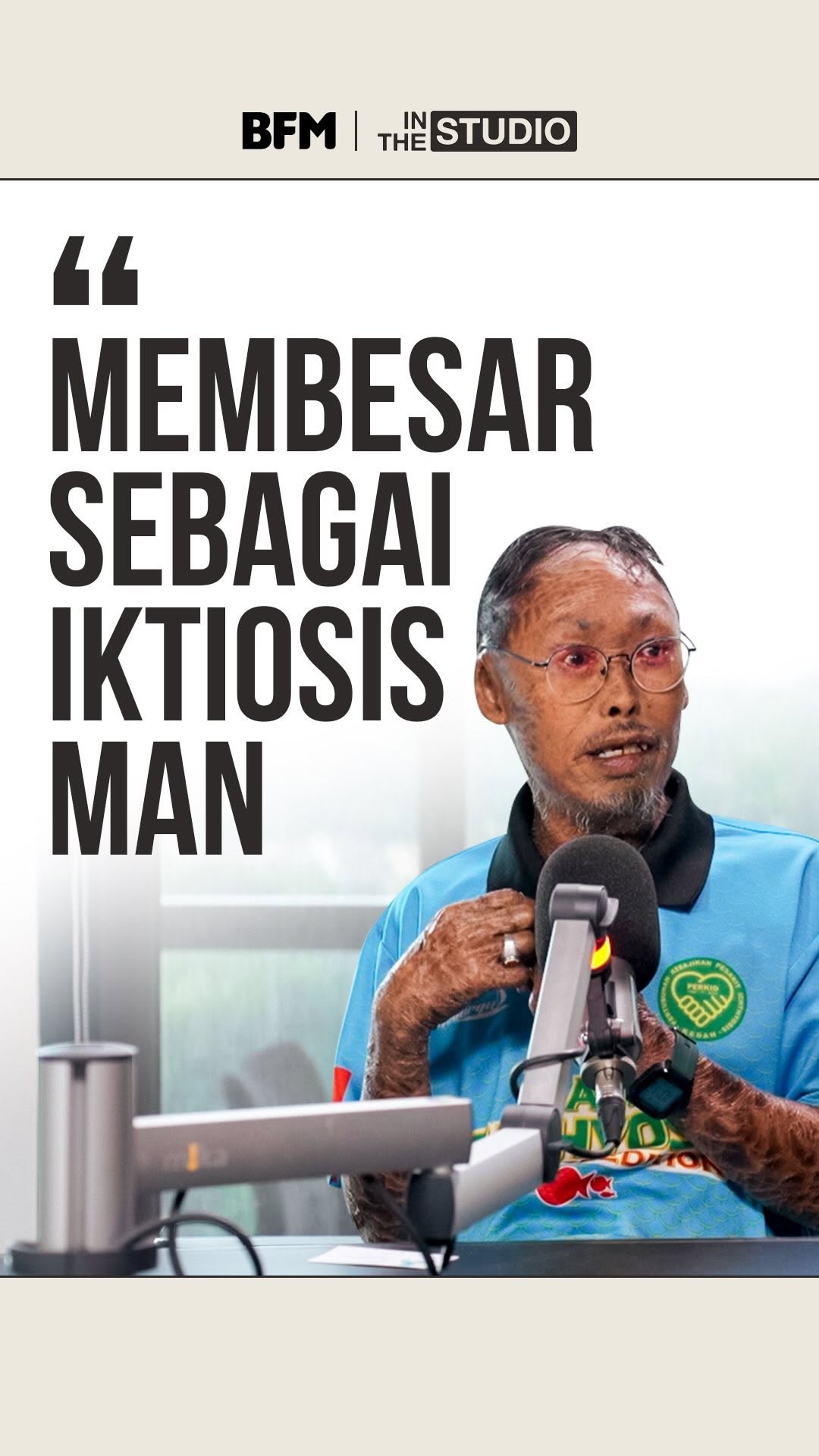
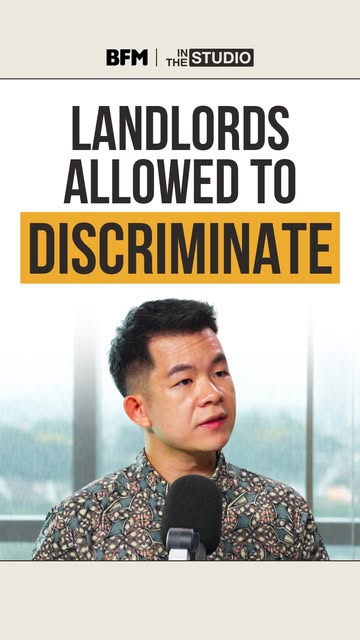
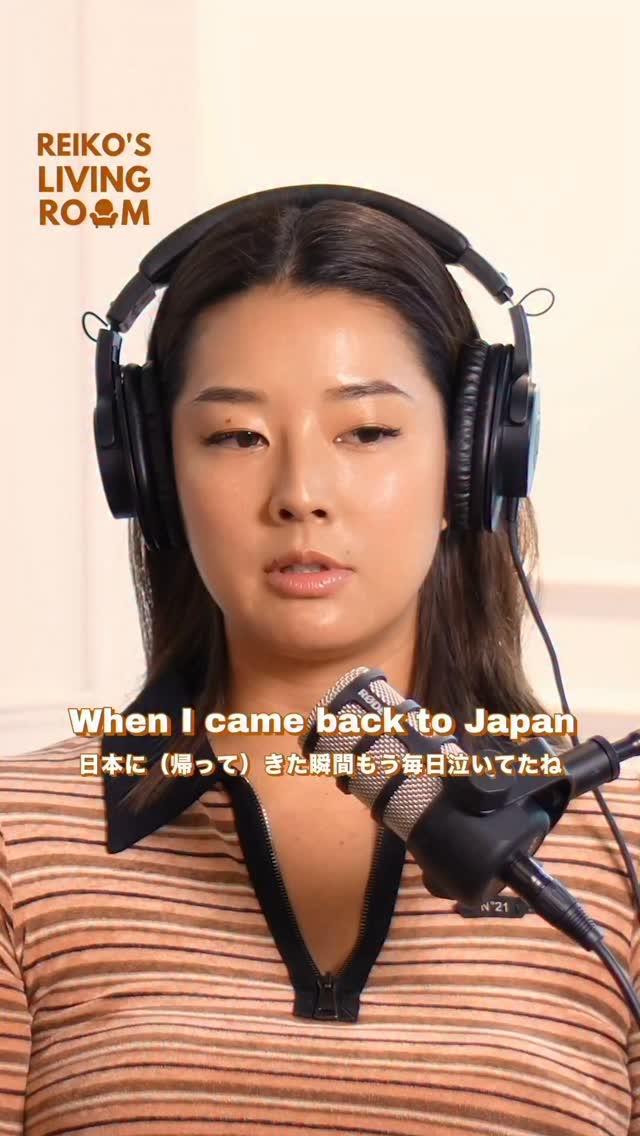
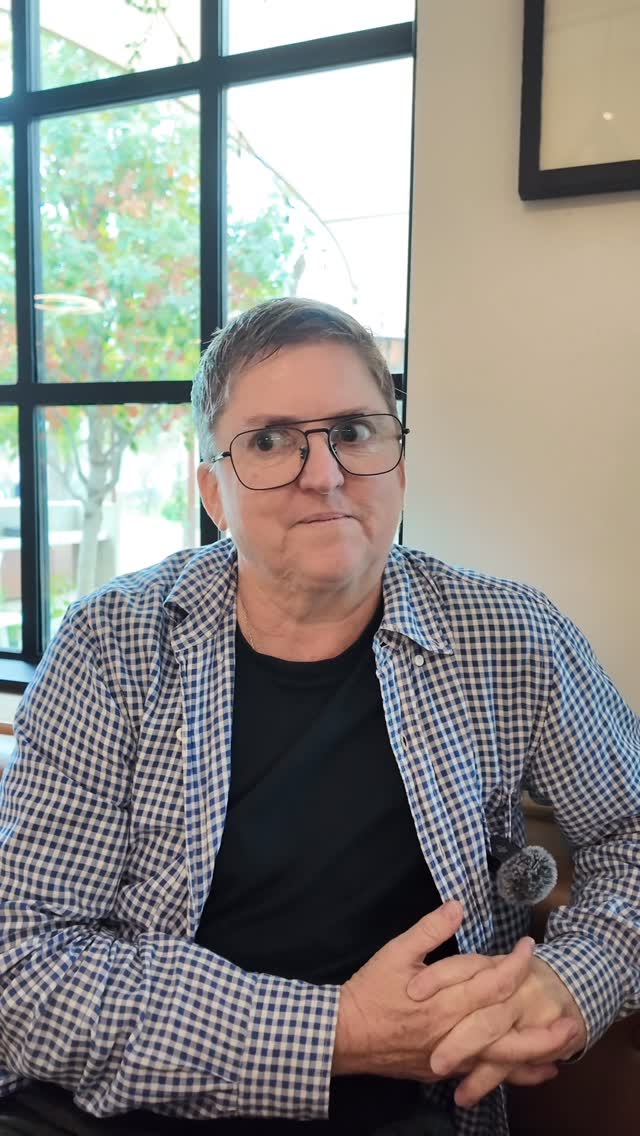
To generate deep empathy by presenting a personal story of injustice and then validating the emotional weight of that story through the authentic reaction of a third party, thereby mirroring and amplifying the audience's emotional response.
- 1
The Stigmatizing Quote
The subject shares a specific, hurtful statement made to them that encapsulates the prejudice and social rejection they face.
- 2
The Vicarious Heartbreak
The camera cuts to a listener (the interviewer) having a raw, authentic emotional reaction (crying). This acts as a mirror for the audience's feelings, validating the story's emotional impact and giving the viewer permission to feel.
- 3
The Broadened Impact
The subject transitions from the personal anecdote to explain how this single experience represents a larger, systemic problem affecting them and others in their situation, raising the stakes from personal to societal.
- 4
The Formal Inquiry
The listener asks a direct, clarifying question that formally names the systemic issue (e.g., discrimination), giving the audience a clear label for the injustice being discussed.
- 5
The Emphatic Affirmation
The subject confirms that the issue is not an isolated incident but a frequent, ongoing struggle, reinforcing the severity of the problem.
- 6
The Humble Aspiration
The subject provides a concrete, highly relatable example from their past where they sought a simple, basic opportunity, making their struggle feel grounded and universal.
- 7
The Cruel Irony
The subject explains a specific detail about the past example that makes the implied rejection even more unjust or tragic, deepening the audience's sense of empathy.