@joshfraseryoung
TikTok · One Shot
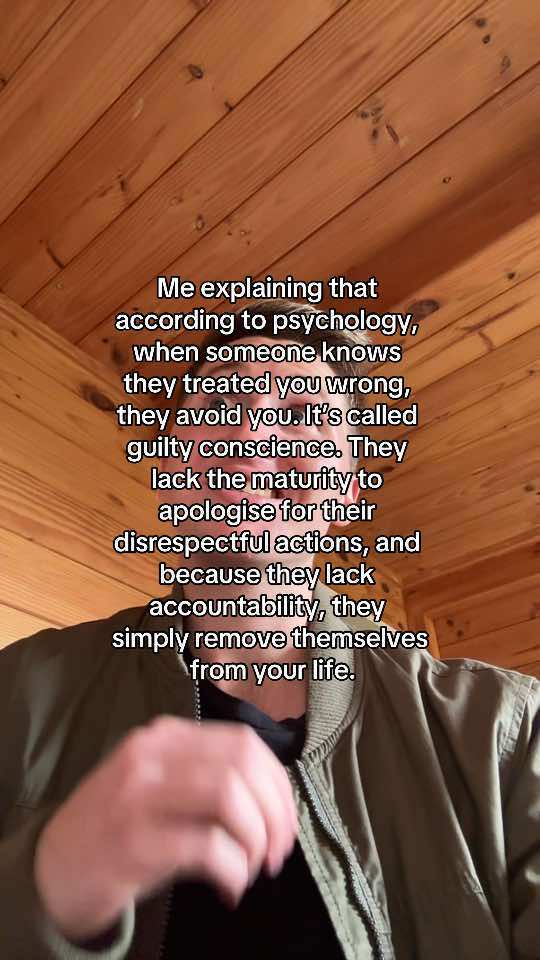
@joshfraseryoung #psychology #psychological #psychologyfacts #psychologicalfactss #psychologyfact #psychologicalfact

@joshfraseryoung
TikTok · One Shot
@joshfraseryoung #psychology #psychological #psychologyfacts #psychologicalfactss #psychologyfact #psychologicalfact
Performance
Video #39372 · One Shot
[01]
The creator presents a psychological concept entirely through a text overlay, explaining that people with a 'guilty conscience' avoid those they've wronged because they lack maturity and accountability. Throughout the video, the creator is shown in a single shot against a wood-paneled wall, making subtle hand gestures while ambient music plays.
[02]
[03]
 10.2MExplaining behavior with text overlay@joshfraseryoung · Relatable One Shot
 10.5MPsychology insight via text overlay@joshfraseryoung · Relatable One Shot
 17.9MRelatable psychology fact on screen@joshfraseryoung · Relatable One Shot
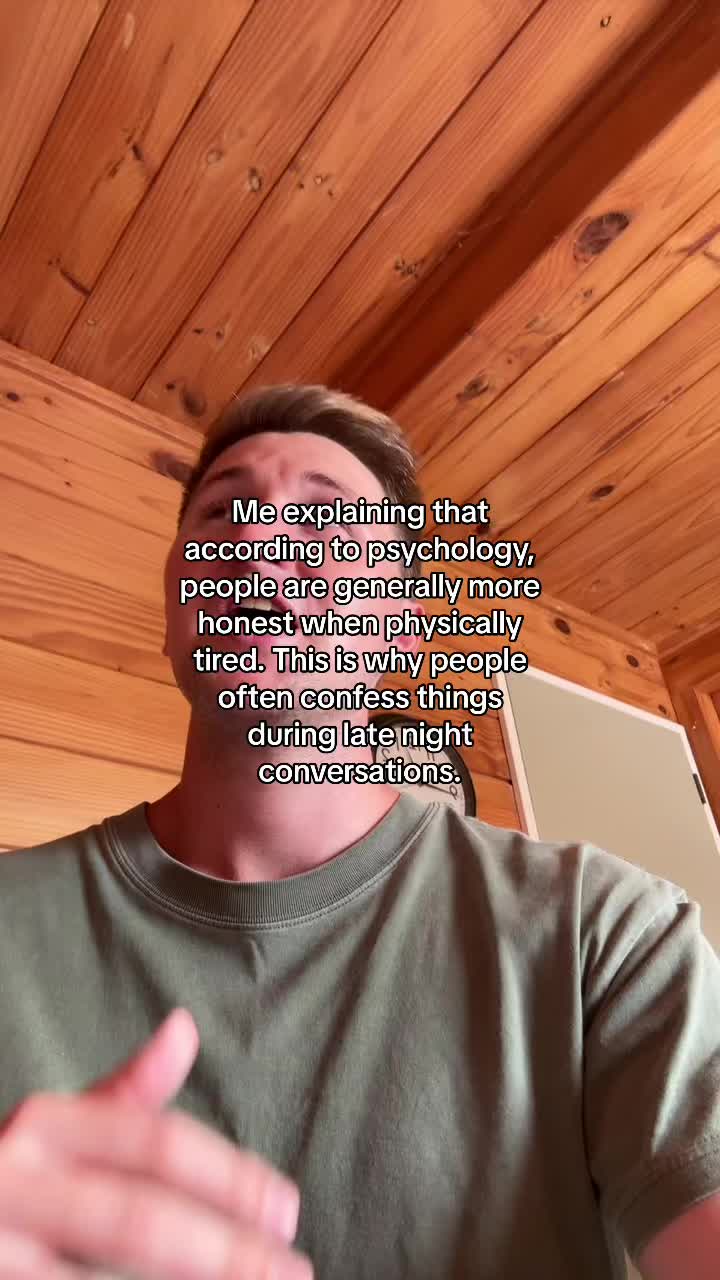 12.5MRelatable psychology fact one-shot@joshfraseryoung · Relatable One Shot
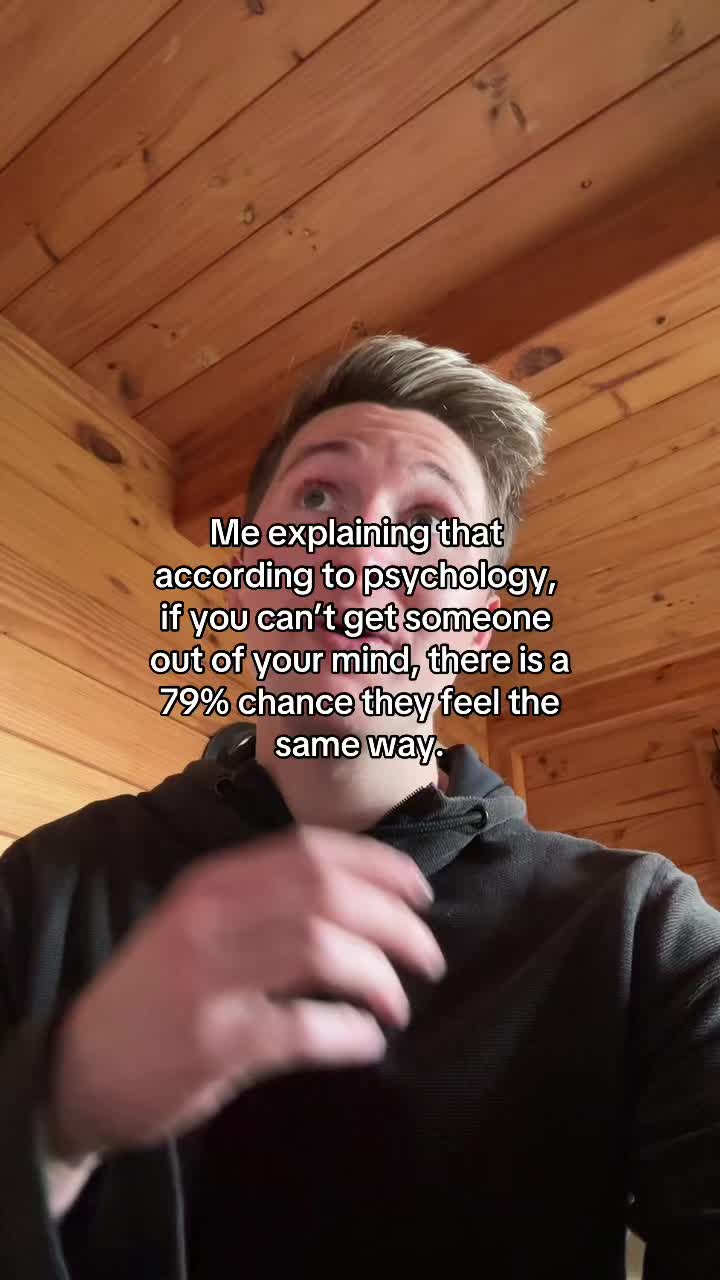 13.7MRelatable psychology fact text overlay@joshfraseryoung · Relatable One Shot
 839.7K13×Simple shot with affirmation text@tonito.rt · Motivational Mantra
 3.7M20.7×Moody quote over subway shot@tonito.rt · Relatable One Shot
 4.8M63.6×Motivational quote over moody visuals@tonito.rt · Motivational Mantra
 10.6MRelatable psychological fact text overlay@joshfraseryoung · Relatable One Shot
 3.4M46.3×Relatable quote over moody video@tonito.rt · Relatable One Shot
 1.2MBreakup advice over contemplative shot@joshfraseryoung · Listicle One Shot
 1.1MText hook over moody visual@eberbarrera21 · Read Caption
[04]
[05]
What stops the scroll in the first 3 seconds
Title hook
Me explaining that according to psychology, when someone knows they treated you wrong, they avoid you. It's called guilty conscience.
Visual hook
A low-angle shot of the creator looking down towards the camera, creating a direct and slightly intimate perspective. The creator's subtle hand gestures add a small amount of movement to an otherwise static scene.
[07]
The promise the opener makes, and how the video pays it back
Hook
The video opens with a text overlay that frames the content as an expert explanation ('according to psychology') of a highly relatable social scenario, immediately capturing the attention of anyone who has experienced it.
Payoff
The viewer is left with a simple, satisfying, and empowering explanation for a complex emotional situation, feeling understood and validated.
[08]
The structural pattern this video runs on
Framework
The Psychological Reframe
To present a common, often painful, social experience and provide a concise, authoritative psychological explanation that reframes the situation, validates the viewer's feelings, and empowers them by attributing the cause to the other person's character flaw.
The Common Ground Problem
The text explicitly describes a common, confusing behavior (someone treating you wrong and then avoiding you), establishing an immediate connection and shared experience with the viewer.
The Formal Diagnosis
A formal psychological term ('guilty conscience') is assigned to the behavior. This elevates the viewer's personal experience into a recognized phenomenon, providing validation and a sense of intellectual clarity.
The Root Cause Analysis
The explanation shifts from the behavior to the person's internal state, diagnosing the root cause as a specific character flaw (lacking maturity and accountability). This reframes the situation and shifts the perceived responsibility away from the viewer.
The Inevitable Outcome
The narrative concludes by stating the logical consequence of the diagnosed flaw (they remove themselves from your life). This provides a definitive and empowering sense of closure for the viewer.
#psychology #psychological #psychologyfacts #psychologicalfactss #psychologyfact #psychologicalfact
informational · throughout
Me explaining that according to psychology, when someone knows they treated you wrong, they avoid you. It's called guilty conscience. They lack the maturity to apologise for their disrespectful actions, and because they lack accountability, they simply remove themselves from your life.