Viral Hooks
Trending short videosComedic skit explains sand economy
N

@npr

Instagram · Greenscreen Talking Head

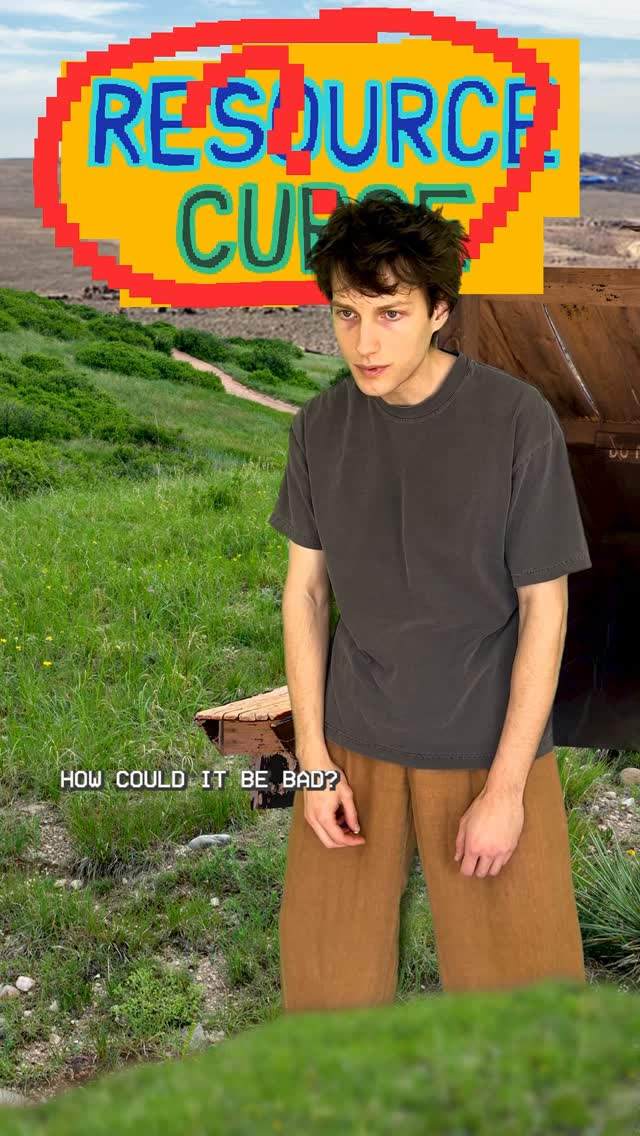
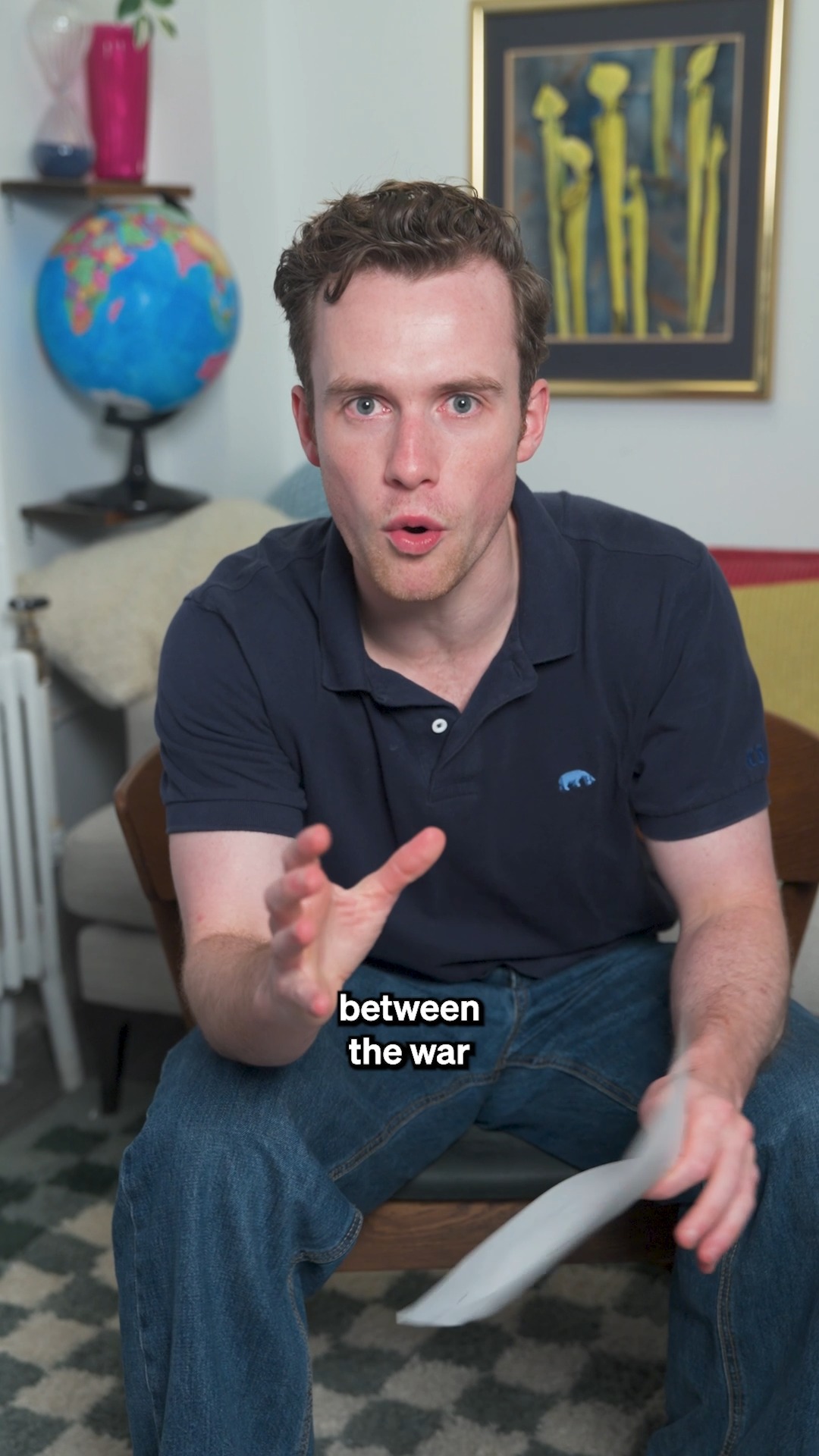
@npr You wouldn't steal a beach... The summer school world tour stops by Jamaica this week More like this in our book Planet Money: A Guide to the Economic Forces That Shape Our Lives Producer: @jackcorbe • Jack Corbett / NPR. Editor: @alexgoldmark • Alex Goldmark/NPR.

View original on Instagram

The edit1 shot · 11 text
Shots Text1:20

Performance

Views
294.4K
Likes
15.2K
Comments
70
Engagement
5.2%
Outlier
9.5×
Length · 24 Aug 2026
1:20

Video #40167 · Greenscreen Talking Head

Comedic skit explains sand economyfrom @npr

[01]

Overview

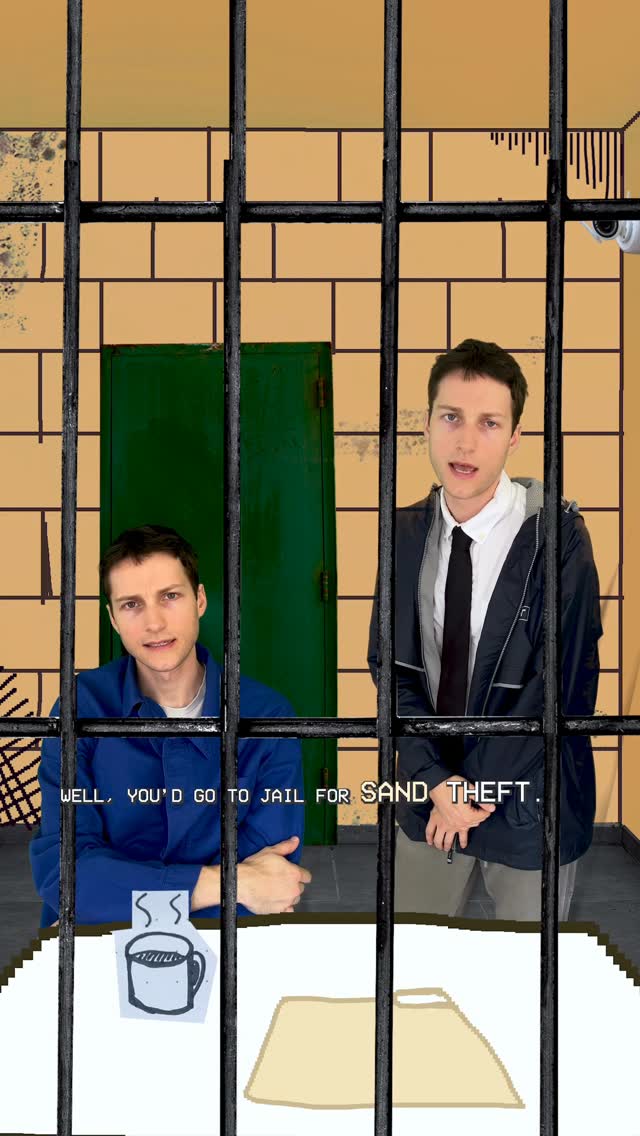
The creator begins by offering to visualize a trillion dollars, but the video quickly pivots into a comedic skit where he is arrested for "sand theft." Playing two characters—an inmate and a detective—he explains the immense economic value of sand, its status as the second most-used resource, the existence of a black market, and its critical role in construction and technology. He debunks the idea of using desert sand, explains the concept of a linear economy, and highlights the environmental issue of using sand faster than it can be naturally created, before finally circling back to the trillion-dollar theme as a mind-bending conclusion.

[02]

Simple outline

  1. 1Pose a high-concept question
  2. 2Pivot to an absurd consequence
  3. 3Reveal the surprising 'why'
  4. 4Debunk a common misconception
  5. 5Connect back to the original question

[03]

Related videos

[04]

Classification

Concepts
Strange but TrueBreakdownSkit
Elements
Green Screen CompositeHandwritten Graphic OverlayImage OverlayJump CutGraphic OverlayText Overlay

[05]

Hook analysis

What stops the scroll in the first 3 seconds

Title hook · 65%

SpaceX's IPO Just Made Elon Musk The World's First Trillionaire

Verbal hook · 30%

Now that trillionaires are a thing, here's a quick way to visualize how much one trillion is.

Visual hook · 5%

A speaker with a bruised eye stands in front of a dynamic, abstract digital background, using expressive hand gestures.

[06]

Hook template

Steal this for your own video

Now that [surprising new reality] is a thing, here's a quick way to understand [mind-bending concept].

  • — Now that AI lawyers are a thing, here's a quick way to understand what it actually costs you.
  • — Now that $10,000 water bottles are a thing, here's a quick way to understand the luxury resale economy.
  • — Now that 100-year mortgages are a thing, here's a quick way to understand generational debt.

[07]

Hook and payoff

The promise the opener makes, and how the video pays it back

Hook

A timely, high-concept thought experiment is proposed to grab immediate attention and establish relevance.

Payoff

The narrative returns to the original hook, using the information taught throughout the video to provide a novel and satisfying answer, rewarding the viewer's attention and completing the narrative loop.

[08]

Narrative framework

The structural pattern this video runs on

Framework

The Bait, Pivot, and Payoff

Hook the audience with a broad, relatable high-concept question, then immediately pivot to a niche, seemingly absurd problem. The narrative then explains the surprising connection between the two, debunking common assumptions along the way, and concludes by using the newly acquired knowledge to resolve the initial hook, creating a satisfying full-circle moment.

  1. 1

    The Narrative Pivot

    The initial thought experiment is abruptly subverted with an unexpected, absurd consequence, creating a strong curiosity gap that shifts the video's entire premise.

  2. 2

    The Theatrical Framing

    A new scene or context is established (e.g., an interrogation) to frame the upcoming explanation as a high-stakes reveal, not just a simple list of facts.

  3. 3

    The Core Thesis Reveal

    The central, counter-intuitive truth that explains the absurd pivot is stated directly, answering the 'why' question posed by the hook.

  4. 4

    The Extreme Anecdote

    A shocking, real-world example is used as proof to make the abstract thesis feel concrete, tangible, and significant.

  5. 5

    The Rapid-Fire Justification

    A quick succession of diverse examples demonstrates the ubiquity and importance of the subject, solidifying its value in the viewer's mind.

  6. 6

    The Common Sense Objection

    The narrative voices the audience's most likely and logical counter-argument, showing an understanding of the viewer's thought process.

  7. 7

    The 'Insider Knowledge' Rebuttal

    The objection is dismantled with specific, non-obvious information, which elevates the creator's authority and makes the viewer feel they are learning a secret.

  8. 8

    The Systemic Zoom-Out

    The specific topic is connected to a broader, universal concept or system, giving the niche subject profound, far-reaching implications.

Themes

  • Resource scarcity
  • Unseen economies
  • Environmental impact

Techniques

  • Comedic framing
  • Data visualization
  • Skit

Trends

  • Edutainment
  • Lo-fi animation

Post caption

You wouldn't steal a beach... The summer school world tour stops by Jamaica this week More like this in our book Planet Money: A Guide to the Economic Forces That Shape Our Lives Producer: @jackcorbe • Jack Corbett / NPR. Editor: @alexgoldmark • Alex Goldmark/NPR.

Text overlays

  • title · beginning

    SpaceX's IPO Just Made Elon Musk The World's First Trillionaire

  • branding · beginning

    JACK CORBETT Visualizer, npr planet money

  • branding · throughout

    summer school

  • contextual · beginning

    every single grain of sand

  • informational · middle

    BY VOLUME, SAND'S THE SECOND MOST USED RESOURCE WORLDWIDE

  • informational · middle

    AN ENTIRE BEACH IN JAMAICA WAS STOLEN IN THE MIDDLE OF THE NIGHT!

  • contextual · middle

    THERE'S A PLANET MONEY EPISODE ABOUT IT

  • informational · middle

    Singapore buys sand and dumps it along its edge to make its landmass bigger.

  • informational · middle

    You need coarse sand for construction.

  • informational · end

    humans are extracting sand faster than earth can create it.

  • informational · end

    $1.05 TRILLION

Transcript

No that trillionaires are a thing, here's a quick way to visualize how much 1,000,000,000,000 is. If you were to take every single grain of sand from one square mile of beach, well, you'd go to jail for sand theft. Why would you do it? Why would you steal all that sand? I know exactly why. By volume, sand is the second most used resource worldwide after water. There's a black market for it. An entire beach in Jamaica was stolen in the middle of the night. Wait. What did you just say? One more time. There's a plenty of money episode about it. Oh, cool. Cement for construction? Sand. Glass for this bone? Sand. Singapore buys sand and dumps it along its edge to make its land mass bigger. Its territory has grown 20% since the seventies. But you still sand from a desert. We have so much of that stuff. See, that's the wrong kind of sand. You need worse sand for construction. Desert sand is too smooth and silky. In the sand industry, it's what's called a linear economy. Meaning sand is extracted, it's turned into stuff, that stuff is then used, and then that stuff is thrown away, which is an issue because humans are extracting sand faster than Earth cannot create it. It can take a million years to turn a rock in the sand. If I were to pay you, I don't know, $60 an hour to watch a rock being turned in the sand for every hour of every day for one million years, then if you did that whole thing one more time, you'd have a trillion dollars.

Comedic skit explains sand economy | Viral Hooks