@maejeanvintage
Instagram · Vlog
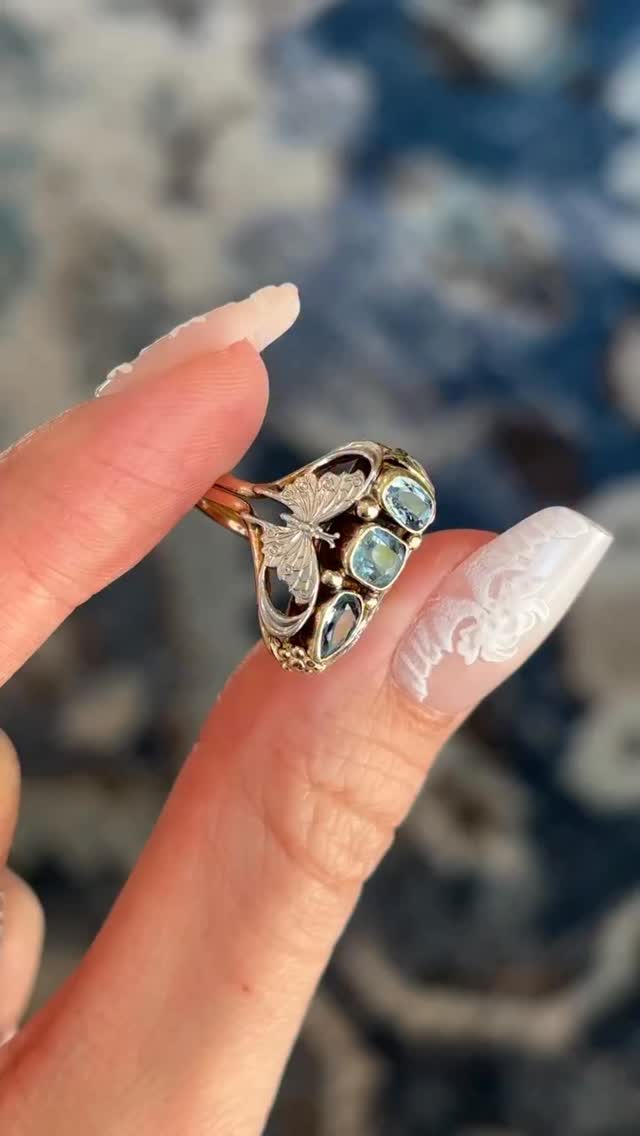
@maejeanvintage Getting gem identification on a ring this morning! 🩵 #MJVJewelry #VintageJewelry #Tourmaline

@maejeanvintage
Instagram · Vlog
@maejeanvintage Getting gem identification on a ring this morning! 🩵 #MJVJewelry #VintageJewelry #Tourmaline
Performance
Video #4059 · Vlog
[01]
The creator presents a vintage ring with blue gemstones and challenges the viewer to identify them. They then walk through a detailed gemological process of elimination, using tools like a refractometer, dichroscope, and microscope, and referencing a gem identification manual to rule out common guesses like topaz and aquamarine. After analyzing properties like refractive index, pleochroism, and inclusions, the creator reveals the gemstones are blue tourmaline and concludes with a personal anecdote about an employee claiming the ring for herself.
[02]
[03]
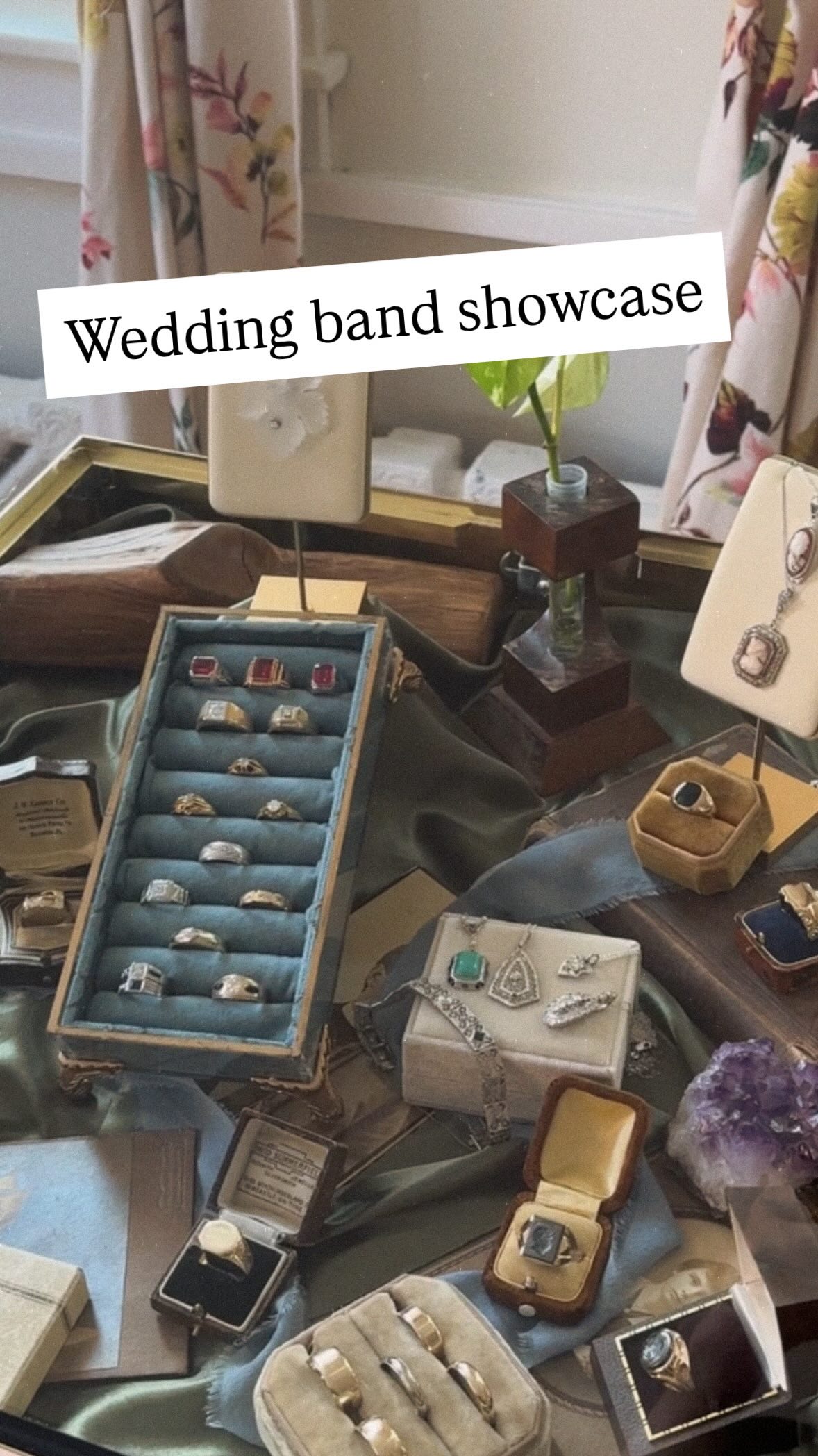 579.7K26.7×Jeweler narrates client selection process@maejeanvintage · Showcase
 4.1M18.9×Man documents buying engagement ring@bradjcho · Journey Documentation
 671K60.5×Vintage rings by decade showcase@maejeanvintage
 106.5K41.1×Expert explains ring design flaws@fourwordsnz · Anti-Recommendation List
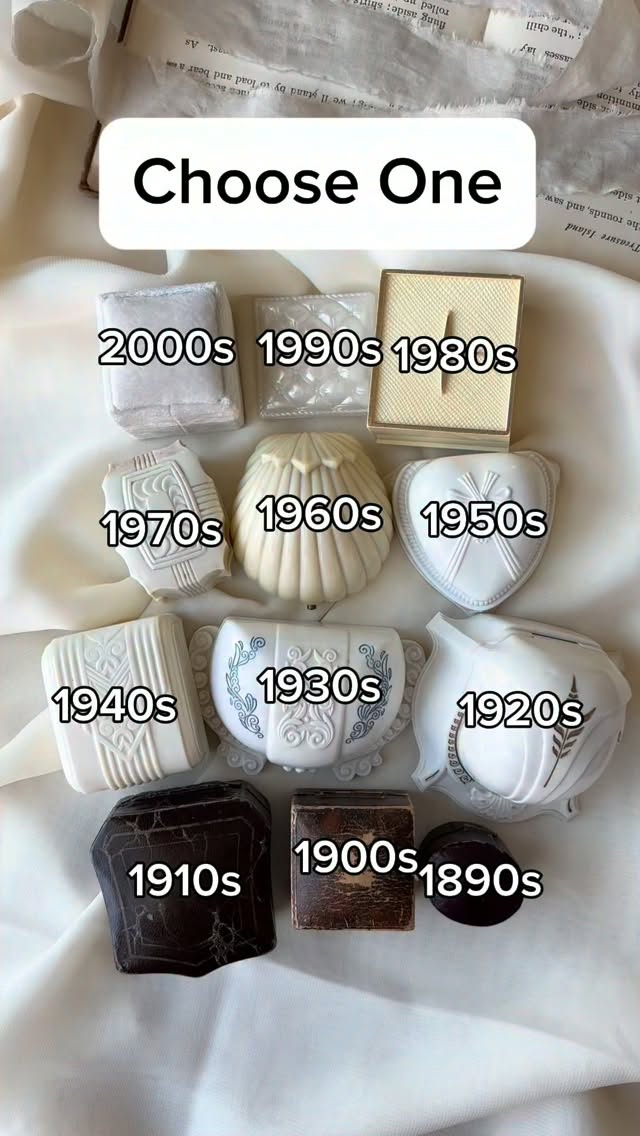 413.4K19.1×Showcasing vintage rings by decade@maejeanvintage · Evolution Showcase
 784.7K38.9×Jeweler explains three common ring flaws.@fourwordsnz · Breakdown
 722.8K1.1×Creator shares her jewelry essentials@chloeabeth4545 · Product Showcase
 813.6K37.7×Showcasing personalized jewelry curation process@maejeanvintage · Behind The Scenes
 1.1M28.5×Guess the antique object's purpose@maejeanvintage · What Is X?
 1.8M12.1×Direct to camera product showcase@chloeabeth4545 · Product Showcase
 852.8KCreator gives tour of jewelry@chloeabeth4545 · Showcase
 1.4M18.6×Expert shows how to spot fakes@tessohara · Value Vlog
[04]
[05]
What stops the scroll in the first 3 seconds
Verbal hook · 45%
I bet you can't guess what gemstone this is.
Visual hook · 55%
An extreme close-up shot of an intricate, beautiful ring with light blue gemstones, held between manicured fingers with a shallow depth of field.
[06]
Steal this for your own video
I bet you can't guess what this is.
[07]
The promise the opener makes, and how the video pays it back
Hook
A direct challenge to the viewer's knowledge, framing the content as a solvable puzzle or a guessing game to create immediate investment.
Payoff
The dual satisfaction of solving the intellectual puzzle and hearing a personal, human-interest story about the object, which makes the entire process feel more meaningful.
[08]
The structural pattern this video runs on
Framework
The Expert's Deduction
A narrative structure that transforms a technical identification process into a compelling mini-mystery. It engages the viewer with a challenge, walks them through a logical process of elimination using expert tools and knowledge, and concludes with a satisfying reveal and a personal story-based epilogue.
The Common Hypothesis
Introduce the object and the most logical, common-sense, but ultimately incorrect, initial assumptions about its identity.
The First Disqualification
Apply a specific, technical test to systematically disprove the initial assumptions, demonstrating expertise and deepening the mystery.
The Process of Elimination
Introduce and subsequently rule out other potential candidates using a series of different tests, showcasing the thoroughness of the expert process.
The Converging Evidence
Present the final pieces of data from multiple sources that all point towards a single, definitive conclusion, building to the final answer.
The Grand Reveal
State the correct identification clearly and confidently, solving the initial mystery and providing educational context.
The Personal Epilogue
Conclude with a short, relatable story about the object's ultimate fate, adding an emotional layer and a sense of closure that increases its perceived value.
Getting gem identification on a ring this morning! 🩵 #MJVJewelry #VintageJewelry #Tourmaline
I bet you can't guess what gemstone this is. Before testing these, we thought they might be blue topaz or aquamarine, but the refractive index is in the 1.63 to 1.66 range, which are definitely not in range for topaz, aquamarine, or even spinel or sapphire. It would be in range for apatite or forsterite, but the stones' reaction under fluorescence as well as their inclusions in pleochroism rule those out. A look through the microscope shows that the stones are doubly refractive with a medium to strong blue pleochroism. Under magnification, she can see thread like liquid and gas inclusions. Multiple tests point to all three of these gemstones being blue tourmaline, which comes in many colors and is one of the October birthstones. This sweet blue tourmaline butterfly ring won't be making it to the shop because our inventory manager, Dahlia, saw it and had to claim it for herself.