@aranisagoodboy
TikTok · Single Take
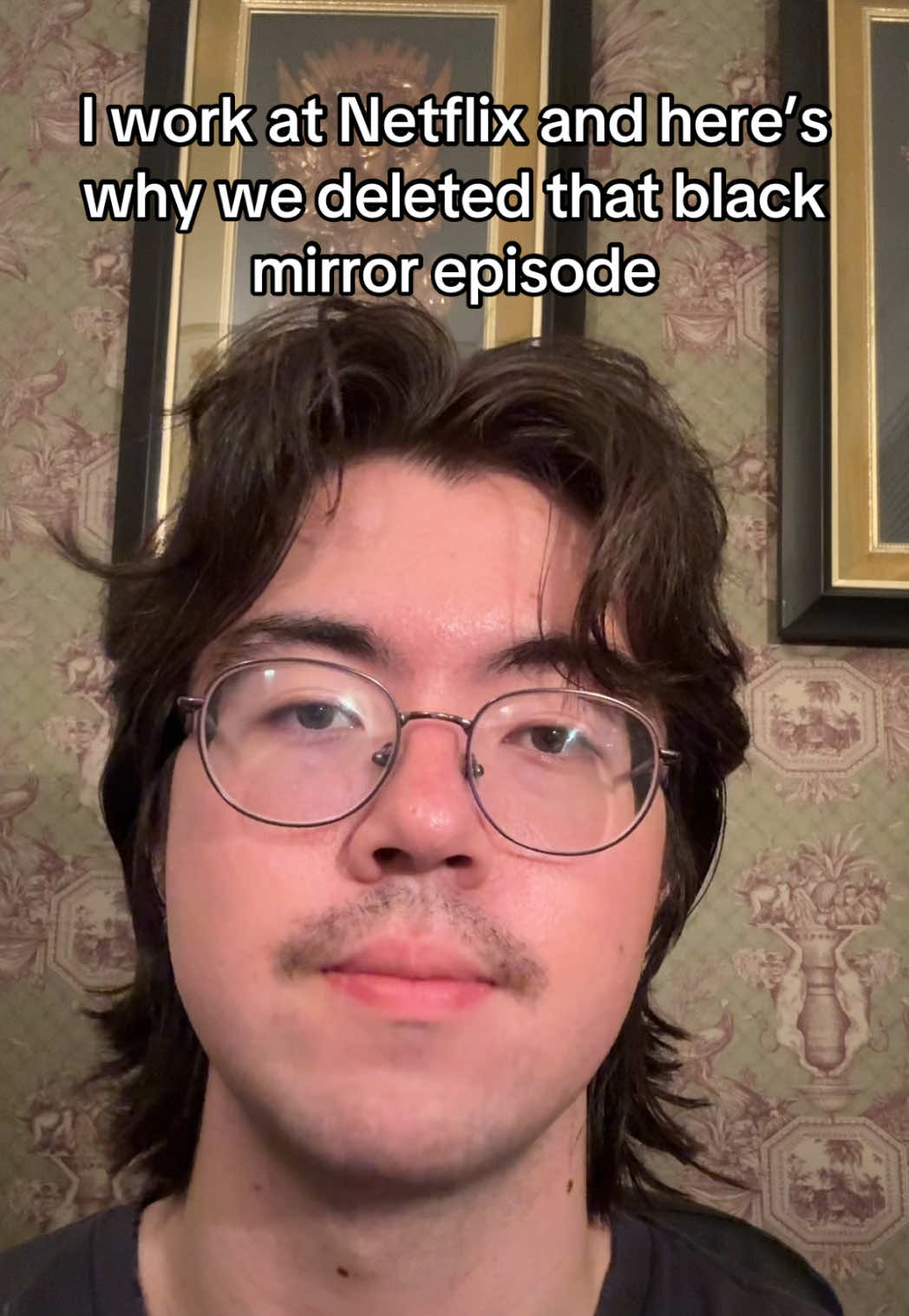
@aranisagoodboy #blackmirror #netflix

@aranisagoodboy
TikTok · Single Take
@aranisagoodboy #blackmirror #netflix
Performance
Video #40656 · Single Take
[01]
A creator, posing as a Netflix employee, tells a fabricated story explaining why a fictional 'Black Mirror' episode was deleted. He details the episode's plot, claims it was removed for being too depressing and causing subscriber loss, and concludes by teasing that another episode will soon be cut, urging viewers to watch them all.
[02]
[03]
 309K63.4×Relatable text overlay over simple shot@lamottagroup · Relatable One Shot
 10.2M43.1×Comedic POV about proven conspiracies@bigtugg · Archetype Performance
 697.1K2.8×Direct to camera personal story@notnicogrigg
 146.9K46.7×Relatable meme about customer service@babylonbrews · Relatable One Shot
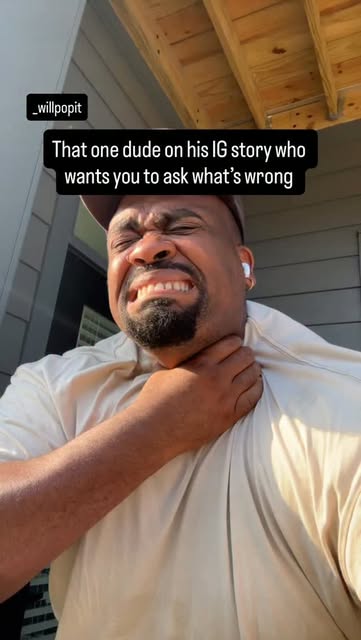 5.6M55.6×Parody of attention-seeking IG stories@_devontewest · Stereotype Satire
 2.1M7.9×Teasing drama for YouTube stream@notnicogrigg · Hype Teaser
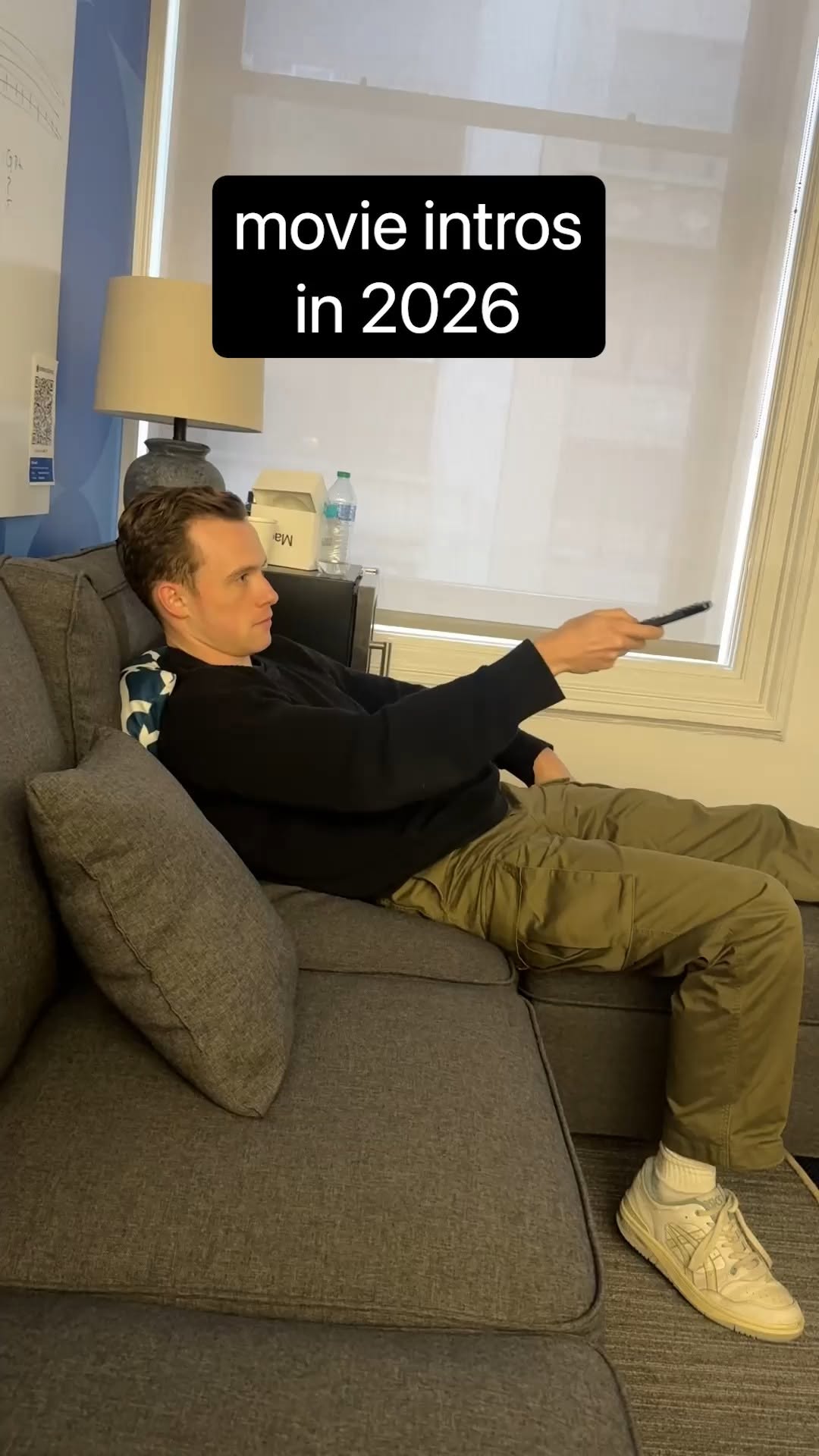 66.2M315.2×Future movie intros corporate consolidation satire@goodworkmb
 553.9KMeta skit about nature documentaries@dangerbean_55 · Relatable Skit
 12.5M16.5×Satirical Netflix documentary preparation scene@netflix · Mockumentary Sketch
 460.2KSatirical documentary style comedy skit@nbcsnl · Mockumentary Sketch
 5.4M13.2×Skit promoting upcoming podcast episode@callherdaddy · Hype Teaser
 1.4M3.7×Reply to comment life update@notnicogrigg · Q&A Response
[04]
[05]
What stops the scroll in the first 3 seconds
Title hook · 55%
I work at Netflix and here's why we deleted that black mirror episode
Verbal hook · 40%
Hi everyone, I work at Netflix and here's why we deleted the episode of Black Mirror where the guy pays, like, $3, and then he can skip through all the boring parts of his life.
Visual hook · 5%
A direct-to-camera, medium close-up shot of the speaker, establishing immediate eye contact with the viewer in a personally decorated room.
[06]
Steal this for your own video
I work at and here's why we deleted
[07]
The promise the opener makes, and how the video pays it back
Hook
A direct-to-camera claim of insider status ('I work at [Company]') combined with a promise to reveal the secret reason behind a controversial or mysterious action.
Payoff
The viewer is rewarded with the feeling of possessing exclusive, 'forbidden' knowledge and is left with a new mystery to anticipate, encouraging re-engagement with the source material and the creator's content.
[08]
The structural pattern this video runs on
Framework
The Insider's Conspiracy
The creator assumes the persona of an insider to reveal a 'hidden truth' about a popular topic. The narrative is built on a plausible but fictional premise, supported by 'internal data' and a 'corporate cover-up,' which creates a compelling mini-conspiracy.
The Plausible Premise
The creator describes a specific, believable (but fictional) event or product detail that grounds the story in a reality the audience recognizes, making the subsequent revelation feel credible.
The Core Justification
The primary, often emotional or qualitative, reason for the 'secret' action is revealed, explaining the 'why' behind the initial hook.
The Data-Backed Evidence
The creator adds a layer of authenticity by citing quantitative 'proof' or internal metrics (e.g., analytics, subscriber loss) that supposedly forced the organization's hand.
The Cover-Up Protocol
The narrative escalates by revealing the conspiracy element: the deliberate decision by the organization to erase the event from the public record and deny its existence.
The Reality Anchor
The creator contrasts the fictional secret with a known, public event, using the real-world example to make the fabricated story seem more plausible by comparison.
The Ominous Forecast
The creator concludes by teasing another, similar secret event that is about to happen, creating a new curiosity gap, a sense of urgency, and a call to action.
#blackmirror #netflix
title · throughout
I work at Netflix and here's why we deleted that black mirror episode
Everyone. I work at Netflix, and here's why we deleted the episode of Black Mirror where the guy pays, like, $3, and then he can skip through all the boring parts of his life. And then he wakes up, and he's, like, good, and he only remembers the loading screen. That whole episode, yeah, we deleted it for a very specific reason. And the reason why was that was just too depressing. People would come on Netflix, watch the show, watch a specific episode, and click off. Like, we can see those statistics and analytics, and it was really hurting our subscriber base when people were getting so depressed by it. They were unsubscribing even. And no, eventually, best made the decision to cut it. And, also, never acknowledge that it existed, which was part of the marketing. Like, if we acknowledge it, oh, because, of course, it got a little bit of a following. Like, people actually did some people did like the episode. If we acknowledge it, we took it down. We got in a lot of trouble. So we just cut it and then acted like it never existed. It's one of the only Black Mirror episodes we've ever taken down. The other one was the better stash one, but that's because the copyright issues, and everyone knows about that. Another episode's also gonna get cut, and everyone's gonna pretend like it doesn't exist anymore. But I can't say which one it's gonna be. You're just gonna have to find out, I guess. So I guess watch all the episodes now while you can.