@fdotinc
Instagram · Talking Head Edit
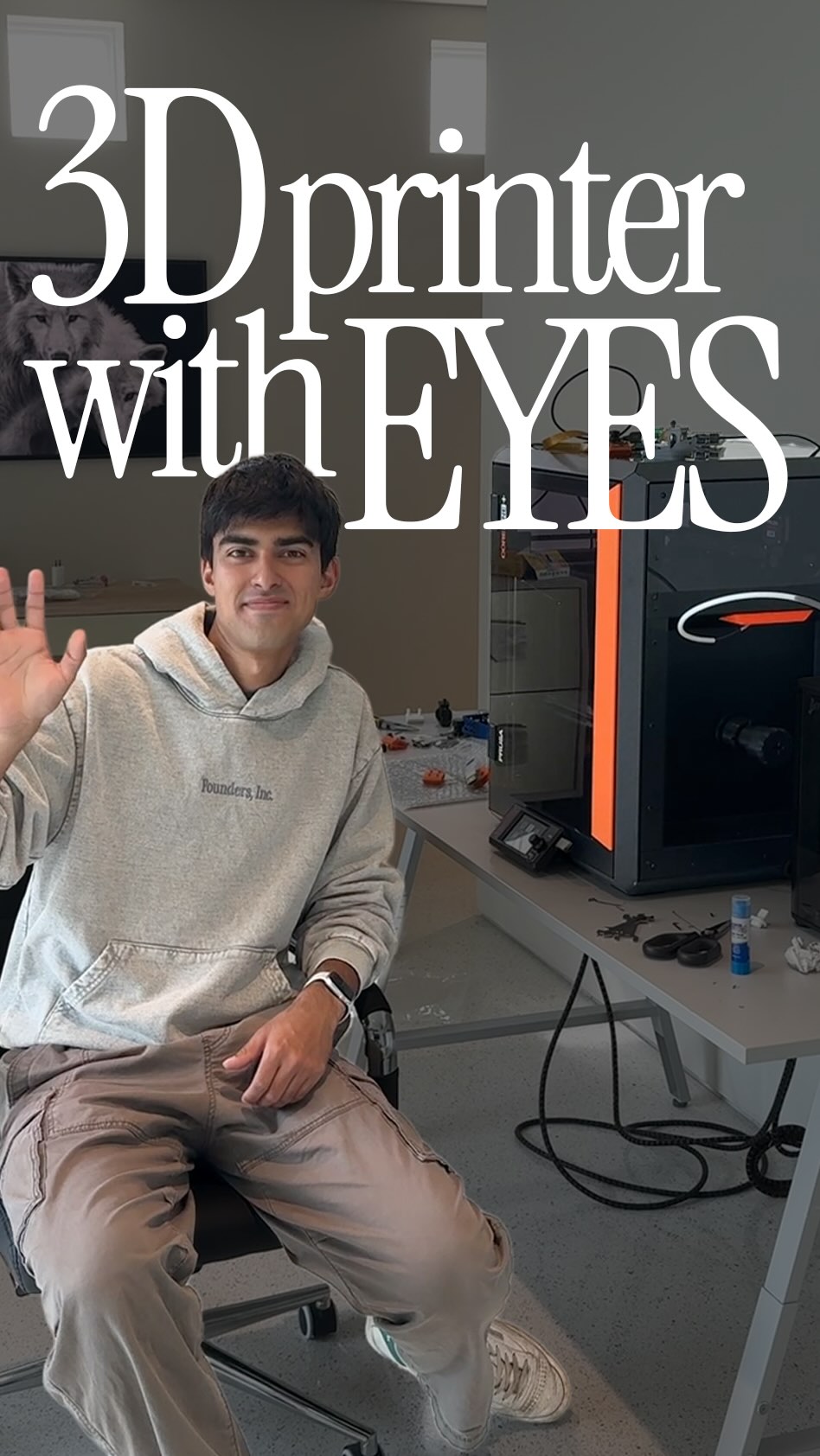
@fdotinc your 3D prints will he perfect now #tech #engineering #startup #3dprinting #fyp

@fdotinc
Instagram · Talking Head Edit
@fdotinc your 3D prints will he perfect now #tech #engineering #startup #3dprinting #fyp
Performance
Video #40779 · Talking Head Edit
[01]
The creator explains the limitations of 3D printers using a 'terrible chef' analogy, detailing how they blindly follow a recipe (G-code/M-code) without the ability to correct errors. He then introduces a new AI technology that monitors prints in real-time, compares them to the ideal model, and rewrites the code on the fly to fix mistakes. The video concludes by promoting the startup program, Founders Inc, where this technology was developed, and includes a call-to-action to comment 'blueprint'.
[02]
[03]
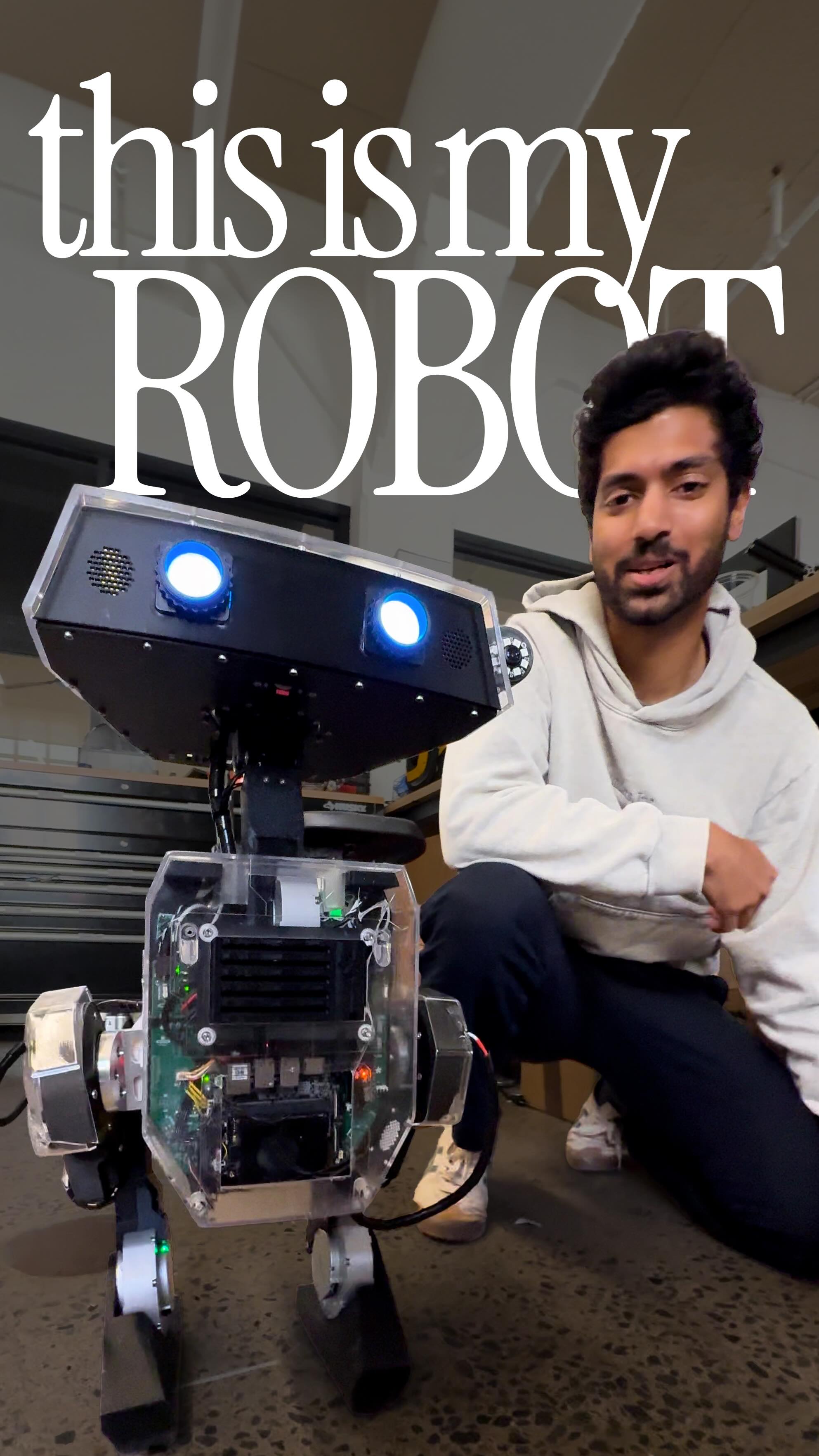 426.1K11.8×Explaining a custom robot build@fdotinc · What Is X?
 2.2M1.8×DIY AI dream recorder gadget showcase@imsteviesells · Product Demo
 503.4KCreator refutes expert via split-screen@ashabuilds · Split Screen Explainer
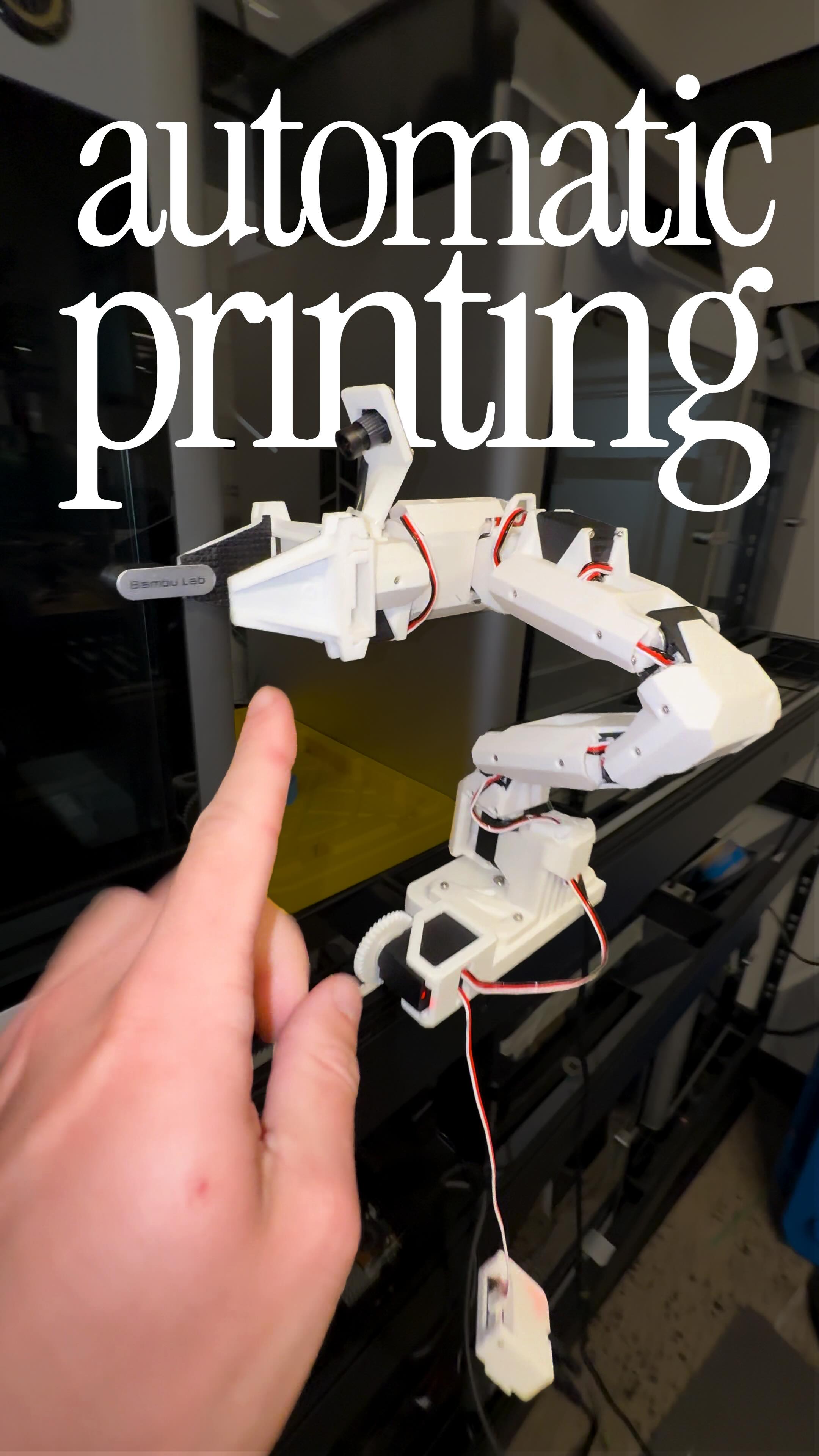 515.2K14.3×Explaining a custom automation setup@fdotinc · Showcase
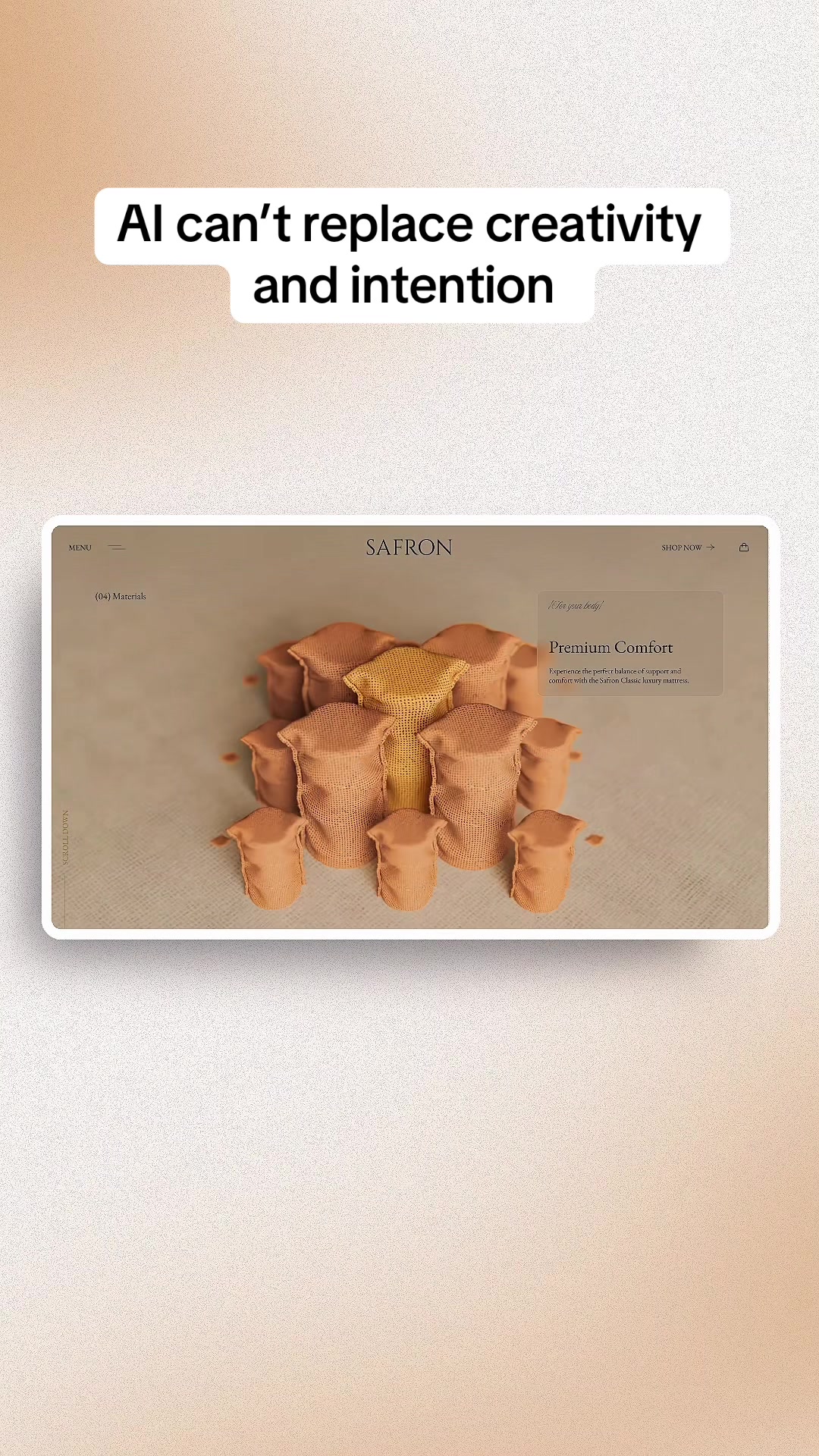 1.8M695.8×AI website hype vs reality@marcelodesignx
 541.5K1.1×AI builds a castle in Blender@rileybrown.ai · Tutorial / How To
 1.2M21.7×Personal story of using AI tool@johnbucog · Origin Story
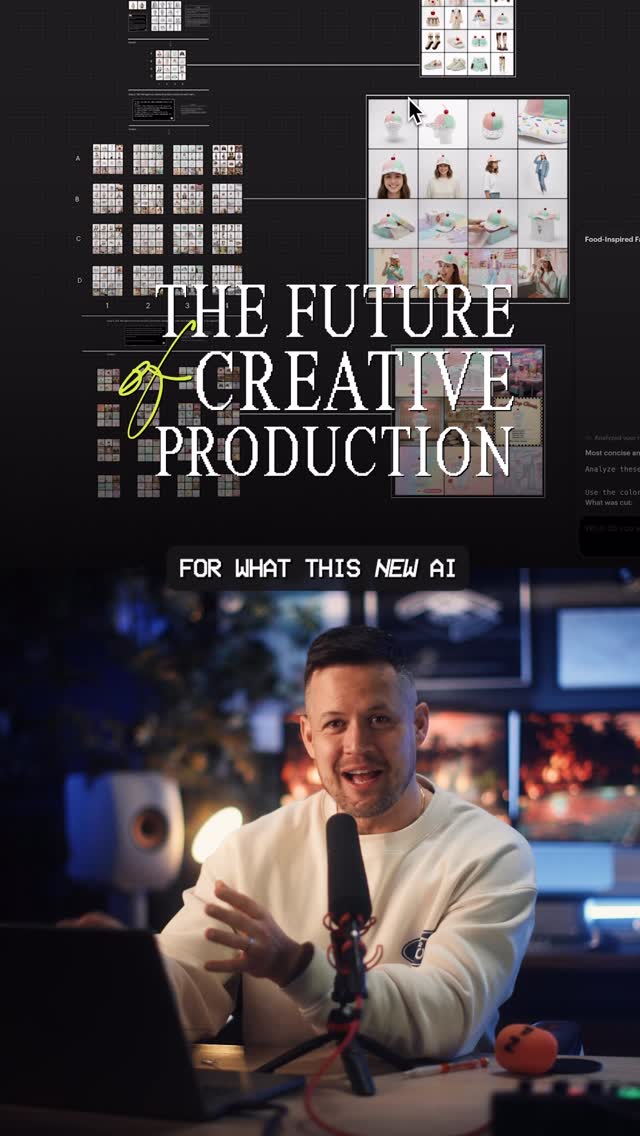 53.6M173.1×Talking head AI tool demo@rpn · Resource
 218.2K217.1×Creator shares AI job search tip@findfulfillingwork.official · Tutorial / How To
 724.2K5×Robot vs human chef taste test@planetmoney · Explainer
 530.1KExplaining AI tool with animations@opusjake · Opportunity Explainer
 678.5K7×AI clone explains its creation@jasoncooperson · Tutorial / How To
[04]
[05]
What stops the scroll in the first 3 seconds
Title hook · 45%
3D printers
Verbal hook · 50%
Three d printers are terrible chefs.
Visual hook · 5%
A well-lit, direct-to-camera shot of a speaker in a modern office setting, establishing a professional and informative tone.
[07]
The promise the opener makes, and how the video pays it back
Hook
A provocative, counter-intuitive metaphor that frames a common technology as incompetent ('terrible chefs'), creating an immediate curiosity gap about why it fails.
Payoff
A concluding statement that ties back to the opening metaphor ('becoming final dishes') and transitions into a clear, low-friction call to action that invites the audience to join a community or movement ('comment the word blueprint').
[08]
The structural pattern this video runs on
Framework
The Flaw & Fix Formula
To establish a common tool or process as flawed by explaining its 'blind' inner workings, then introduce a new technology as the 'seeing' solution that corrects these flaws in real-time, culminating in a community-building call to action.
The Promise of a Solution
Immediately follows the hook to signal that a solution exists ('this group of builders is teaching them'), retaining viewers who are looking for a payoff.
The Process Deconstruction
Educates the audience on the 'behind-the-scenes' mechanics of the existing, flawed system (model -> triangles -> slicer -> G-code). This builds credibility and makes the viewer feel intelligent.
The Critical Flaw Reveal
Pinpoints the exact reason the current system fails ('it's all the 3D printer sees and reads... tough luck'), crystallizing the problem and maximizing the perceived need for a solution.
The Hero's Introduction
A sharp pivot ('But that's where these guys come in') that introduces the person or technology that will solve the previously established problem.
The Solution's Mechanism
Explains *how* the new solution works in a simple, easy-to-understand way, focusing on its core advantage over the old system (e.g., 'it watches the 3D print live and compares').
The 'Magic Trick' Demonstration
Visually demonstrates the solution overcoming the critical flaw in real-time ('it adjusts in real time, writing new g-code'), providing a satisfying 'wow' moment and definitive proof of concept.
your 3D prints will he perfect now #tech #engineering #startup #3dprinting #fyp
contextual · beginning
3D printers
contextual · beginning
terrible
contextual · beginning
blindly
contextual · beginning
a recipe
contextual · beginning
their work
contextual · beginning
teaching them
contextual · beginning
cook
contextual · beginning
recipe
contextual · beginning
3D print
contextual · beginning
model
contextual · beginning
3D
contextual · beginning
computers
contextual · beginning
is hard
contextual · beginning
a program
contextual · beginning
triangles
contextual · middle
slicer
informational · middle
G-code
informational · middle
M-code
contextual · middle
Hasnain
branding · end
Founders Inc
call-to-action · end
comment
call-to-action · end
"blueprint"
Three d printers are terrible chefs. They blindly follow a recipe and they don't taste their worse. But this group of builders is teaching them how to good. Pun intended. Let's start with the recipe. Every good three d print project starts out as a three d model built in three d software. But computers are lazy, and doing math with curves is hard. So a program converts your model into thousands of tiny triangles. Then another program, called a slicer, cuts that pile of triangles into flat layers, each stacked on top of one another. Each layer then gets instructions, which include the position to move the print nozzle to called g code and what to do when it gets tier, like heating up, cooling down, changing flow rate called m code. G code and m code make up the recipe and they're all the three d printer sees and reads. Nothing else. So if a part comes loose, a layer shifts, or material starts clogging, tough luck. But that's where these guys come in. This is Hasnain, and his team's tech watches the three d print live rank compares single layer against exactly what it's supposed to look like. And if it sees a mistake, it adjusts in real time, writing new g code and m code on the spot to adjust speed, cooling, and even pausing to correct the mistake to make sure more recipes end up becoming final dishes instead of being wasted. They built this at Founders Rank, a three month program where you and your team get funding, a dedicated lab and worse, and a community of builders to go all in. So if you're building something awesome, comment the word blueprint.