Viral Hooks
Trending short videosEducational montage about blue's rarity
A

@atmos

Instagram · Vlog
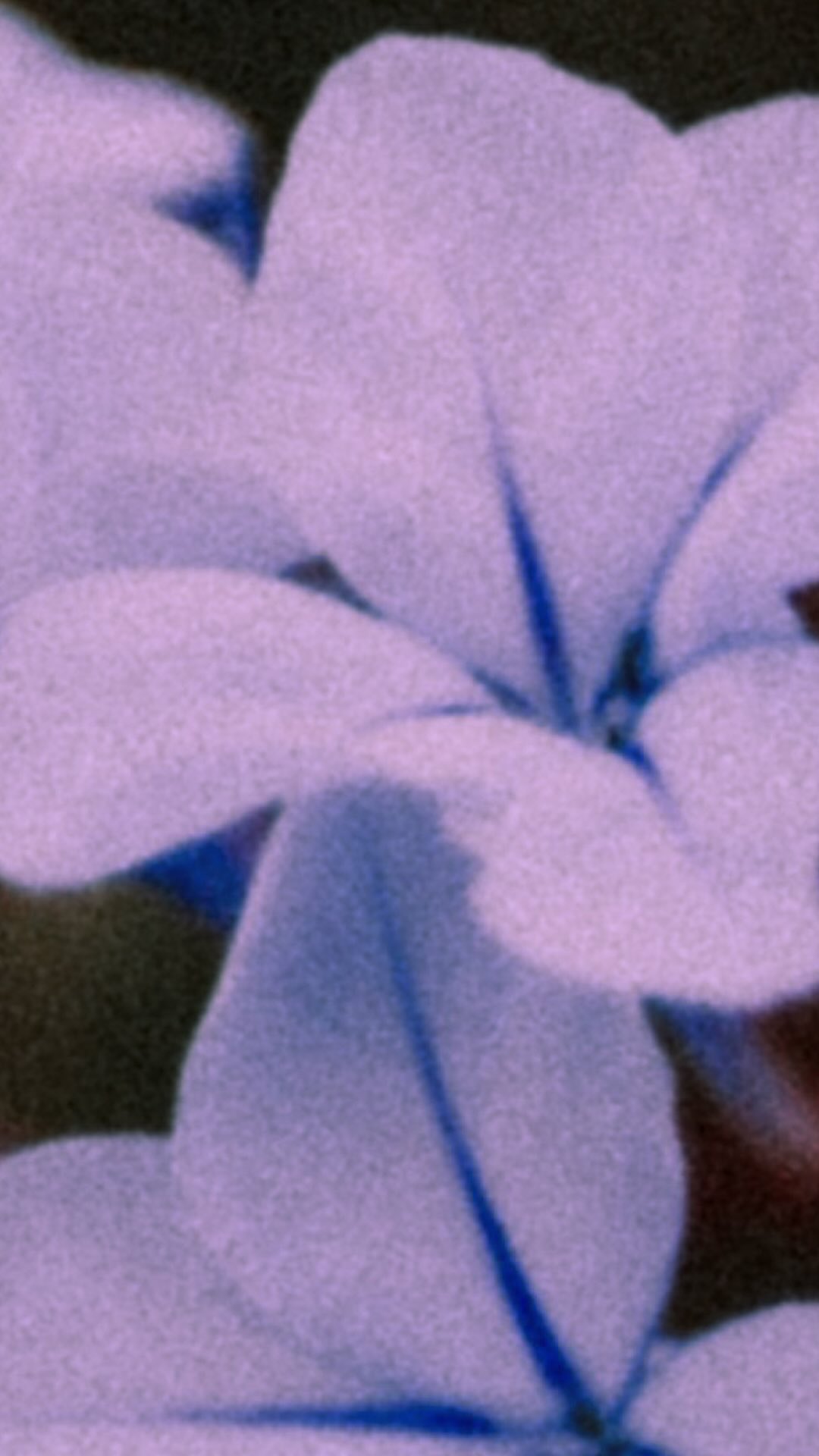
@atmos One of the Earth’s most remarkable colors is all around us. From the sky above to the oceans that cover the planet, blue is a near-constant presence in the natural world. But it is actually one of the rarest colors produced in nature. Many animal species that we see as blue are actually pigmented brown, while less than 10% of flowering plants produce blue blooms. Humans are not alone in our partiality to shades of blue. The vision of honeybees, bumblebees, and stingless bees gives them an innate preference for short-wavelength-reflecting colors, including what the human eye perceives as blue. Where have you noticed shades of blue in nature? Sources: Cornell Lab of Ornithology, Frontiers in Plant Science, Smithsonian Video edit by @astat Music by @petermmurray
View original on Instagram

The edit1 shot · 20 text
Shots Text1:01

Performance

Views
524.8K
Likes
36.7K
Comments
166
Engagement
7%
Outlier
3.6×
Length · 29 Aug 2026
1:01

Video #41248 · Vlog

Educational montage about blue's rarityfrom @atmos

[01]

Overview

The video presents a visual essay on the rarity and science of the color blue in nature. It uses a montage of aesthetic clips of blue flowers, animals, and landscapes, with a narrative delivered entirely through sequential text overlays. The content explains that few plants produce blue blooms, that many blue animals use structural coloration rather than pigment, and concludes by reflecting on humanity's universal attraction to the color, urging viewers to appreciate its exceptional presence.

[02]

Simple outline

  1. 1Present counter-intuitive thesis
  2. 2Unveil the scientific deception
  3. 3Explain the human connection
  4. 4Reframe viewer's perception

[03]

Related videos

[04]

Classification

Format
Concepts
BreakdownStrange but TrueAmbient Escape
Elements
Text OverlayMontage EditingColor GradingMood Music
Account

[05]

Hook analysis

What stops the scroll in the first 3 seconds

Title hook · 65%

Blue is one of the rarest colors in nature.

Visual hook · 35%

The video opens with an extreme close-up of a vibrant blue flower, using a macro perspective and striking color to immediately capture visual attention.

[06]

Hook template

Steal this for your own video

[Common thing] is one of the rarest [category] in [familiar world].

  • — Genuine apologies are one of the rarest currencies in relationships.
  • — Profitable months are one of the rarest milestones in a new restaurant.
  • — True mentors are one of the rarest resources in the startup world.

[07]

Hook and payoff

The promise the opener makes, and how the video pays it back

Hook

A bold, counter-intuitive statement that challenges a universally held belief about a common subject, creating an immediate curiosity gap.

Payoff

A call to action that is perceptual, not transactional. It instructs the viewer to apply their new knowledge to appreciate a common subject in a more profound and mindful way.

[08]

Narrative framework

The structural pattern this video runs on

Framework

The Perceptual Reframe

To challenge a common perception with a surprising fact, explain the hidden science behind it, and conclude by offering the viewer a new, more profound way of seeing a familiar subject.

  1. 1

    The Surprising Claim

    The core thesis is stated and immediately substantiated with a specific, surprising piece of data or evidence from one domain (e.g., botany).

  2. 2

    The Evolutionary Paradox

    A complicating layer is introduced, revealing a paradox where the subject's rarity provides a unique advantage, adding depth to the initial claim.

  3. 3

    The Deceptive Reality

    The thesis is expanded to a second domain (e.g., zoology), revealing that the subject is not only rare but often an illusion or a case of mistaken identity.

  4. 4

    The Scientific Reveal

    The core scientific mechanism that explains the illusion is revealed, providing the intellectual payoff and solving the central mystery.

  5. 5

    The Human Connection

    The narrative pivots from pure science to the universal human experience, explaining our psychological or cultural affinity for the subject.

  6. 6

    The Thesis Reaffirmation

    The video acknowledges the viewer's original, common perception but contrasts it with the newly revealed truth, cementing the new perspective.

Themes

  • Nature's beauty
  • Scientific wonder
  • Perception vs. reality
  • Appreciation for nature

Techniques

  • Visual storytelling
  • Montage
  • Color grading

Post caption

One of the Earth’s most remarkable colors is all around us. From the sky above to the oceans that cover the planet, blue is a near-constant presence in the natural world. But it is actually one of the rarest colors produced in nature. Many animal species that we see as blue are actually pigmented brown, while less than 10% of flowering plants produce blue blooms. Humans are not alone in our partiality to shades of blue. The vision of honeybees, bumblebees, and stingless bees gives them an innate preference for short-wavelength-reflecting colors, including what the human eye perceives as blue. Where have you noticed shades of blue in nature? Sources: Cornell Lab of Ornithology, Frontiers in Plant Science, Smithsonian Video edit by @astat Music by @petermmurray
Text overlays

  • informational · beginning

    Blue is one of the rarest colors in nature.

  • informational · beginning

    Less than 10 percent of flowering plants produce blue blooms.

  • informational · beginning

    And these uncommon flowers have a unique advantage.

  • informational · beginning

    Honeybees, bumblebees, and stingless bees actually prefer

  • informational · beginning

    short wavelength blue colors.

  • informational · middle

    Blue is scarcely observed in animal species—

  • informational · middle

    and many are not even blue at all.

  • informational · middle

    Blue Jays and blue morpho butterflies are actually pigmented brown

  • informational · middle

    but when light reflects through microscopic structures

  • informational · middle

    in their feathers and wings,

  • informational · middle

    the human eye sees blue.

  • informational · middle

    Our attraction to the color blue

  • informational · middle

    spans across countries and cultures,

  • informational · middle

    perhaps because it reminds us

  • informational · middle

    of clear skies and clean water.

  • informational · end

    While it can feel like blue is all around us,

  • informational · end

    its presence is exceptional.

  • informational · end

    So the next time you spot a blue flower, bird, or butterfly,

  • informational · end

    take a moment to appreciate one of the Earth's most remarkable colors.

  • branding · end

    Atmos

Educational montage about blue's rarity | Viral Hooks