@thegilliamfam
Instagram · Vlog
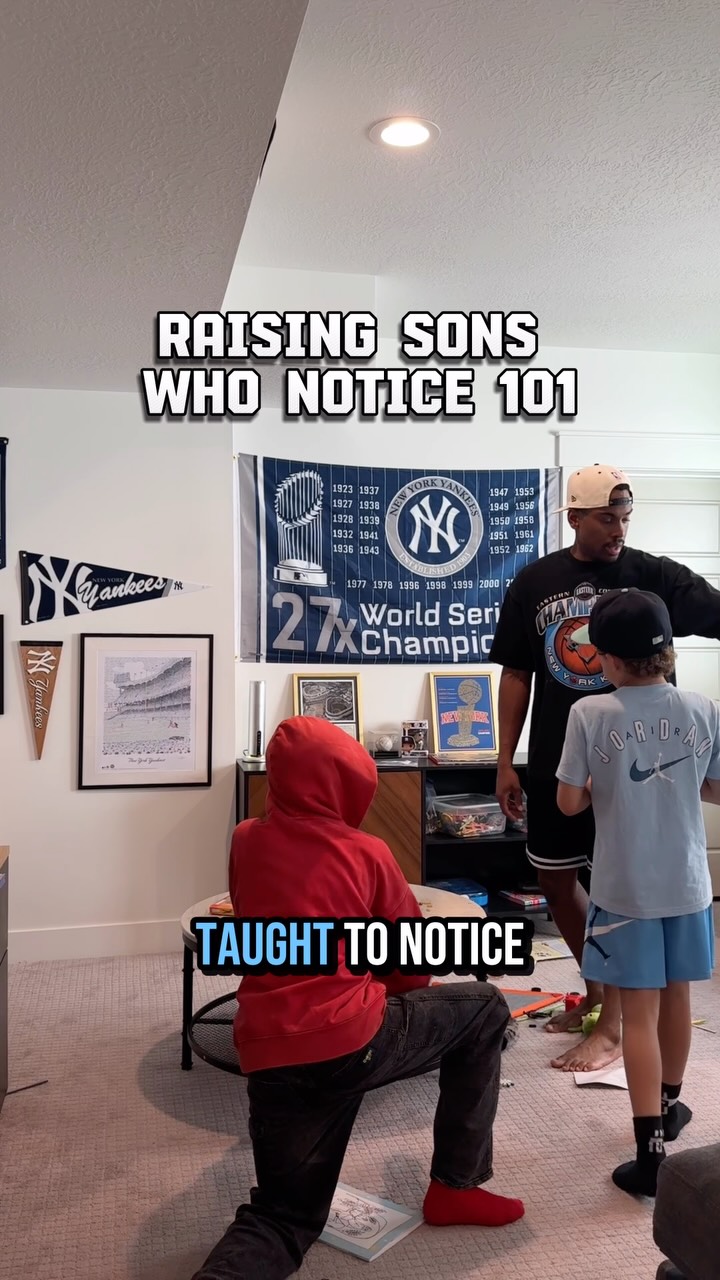
@thegilliamfam Drop it in the comments were you raised with shared accountability or was it every man for himself in your house? #parenting #marriedlife #marriage #married #fathers

@thegilliamfam
Instagram · Vlog
@thegilliamfam Drop it in the comments were you raised with shared accountability or was it every man for himself in your house? #parenting #marriedlife #marriage #married #fathers
Performance
Video #41550 · Vlog
[01]
The creator, a father, presents the third episode in his series on "Raising Sons Who Notice." He uses a voiceover narration over a montage of his sons cleaning to explain his philosophy of "shared accountability," teaching them to not only clean their own messes but to also help with their brothers' messes to foster a sense of collective responsibility for their shared home. He concludes by asking viewers about their own upbringing and teasing future content.
[02]
[03]
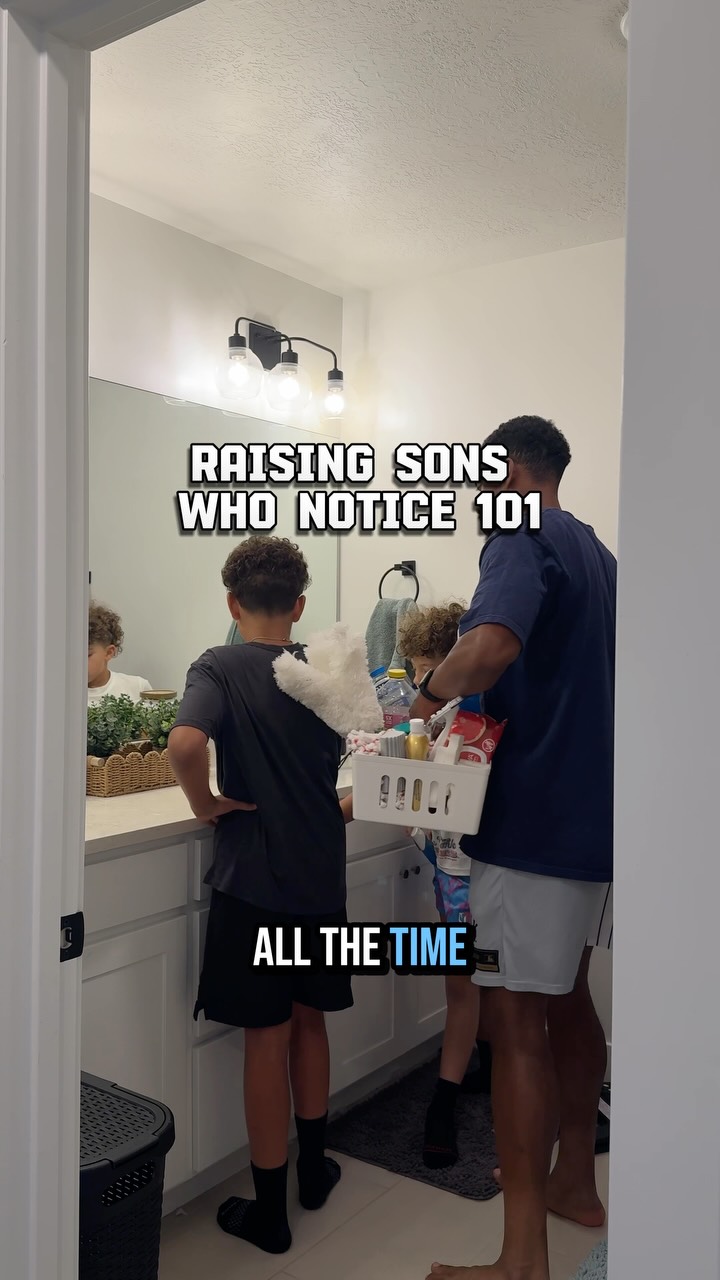 2.4M960.3×Documenting how to raise observant sons@thegilliamfam · Value Vlog
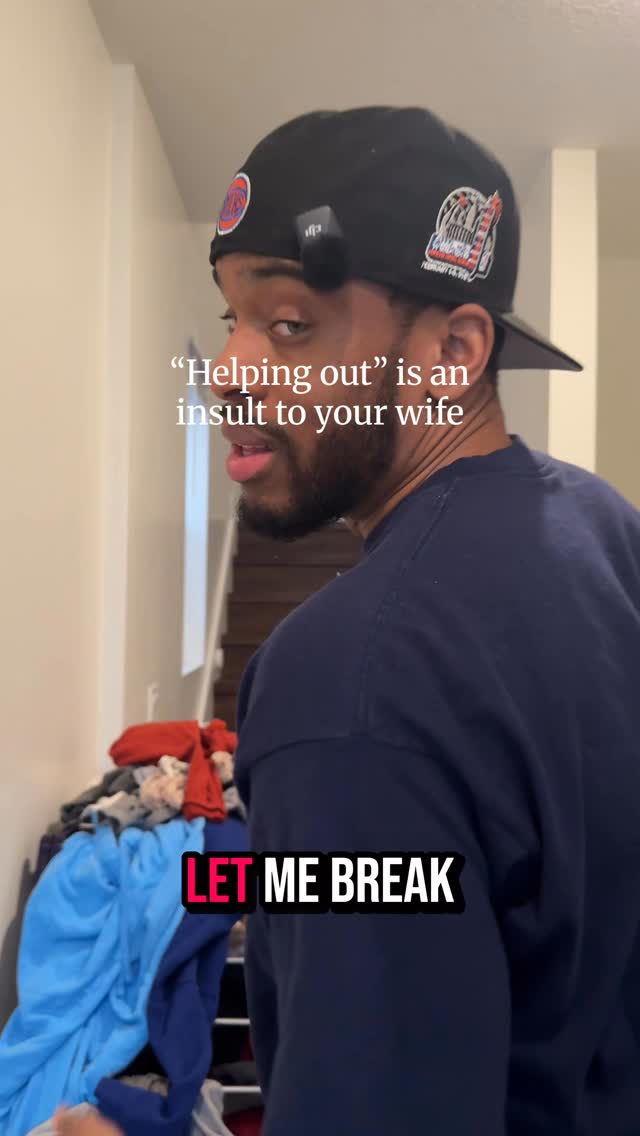 454.2K41.8×Relationship advice while folding laundry@thegilliamfam · Hot Take
 1.4M29×Parenting philosophy over lifestyle montage@immerse.inearth · Motivational Mantra
 352.9K4×Process video with life philosophy@barefoodtim · Anecdotal Philosophy
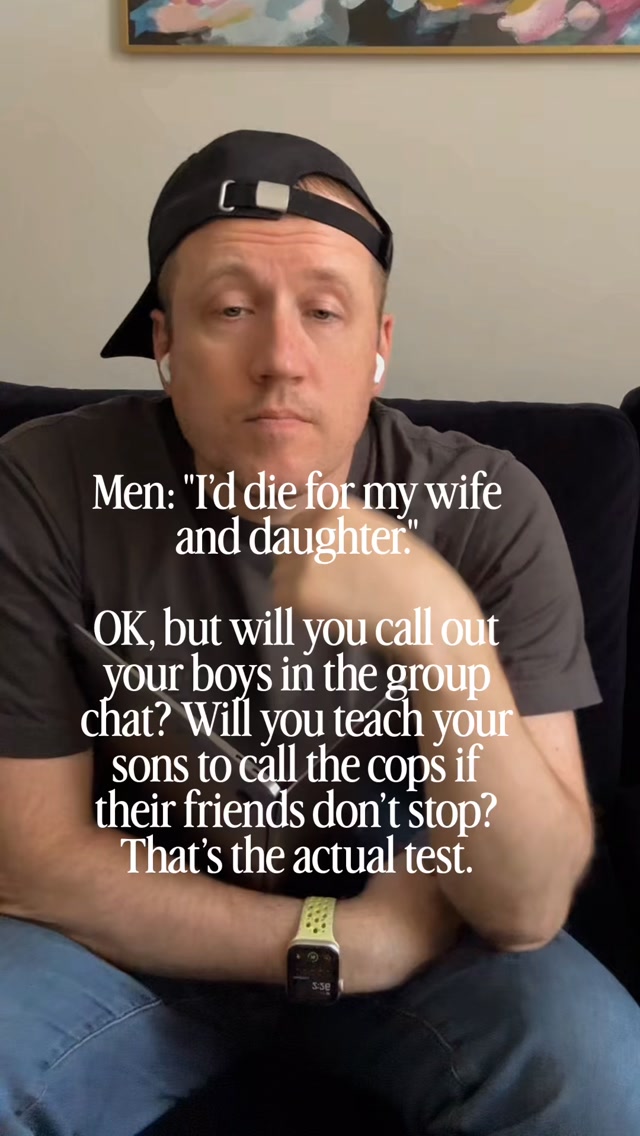 1.2M902.1×Challenging statement via text overlay@mikeinprogress_ · Hot Take
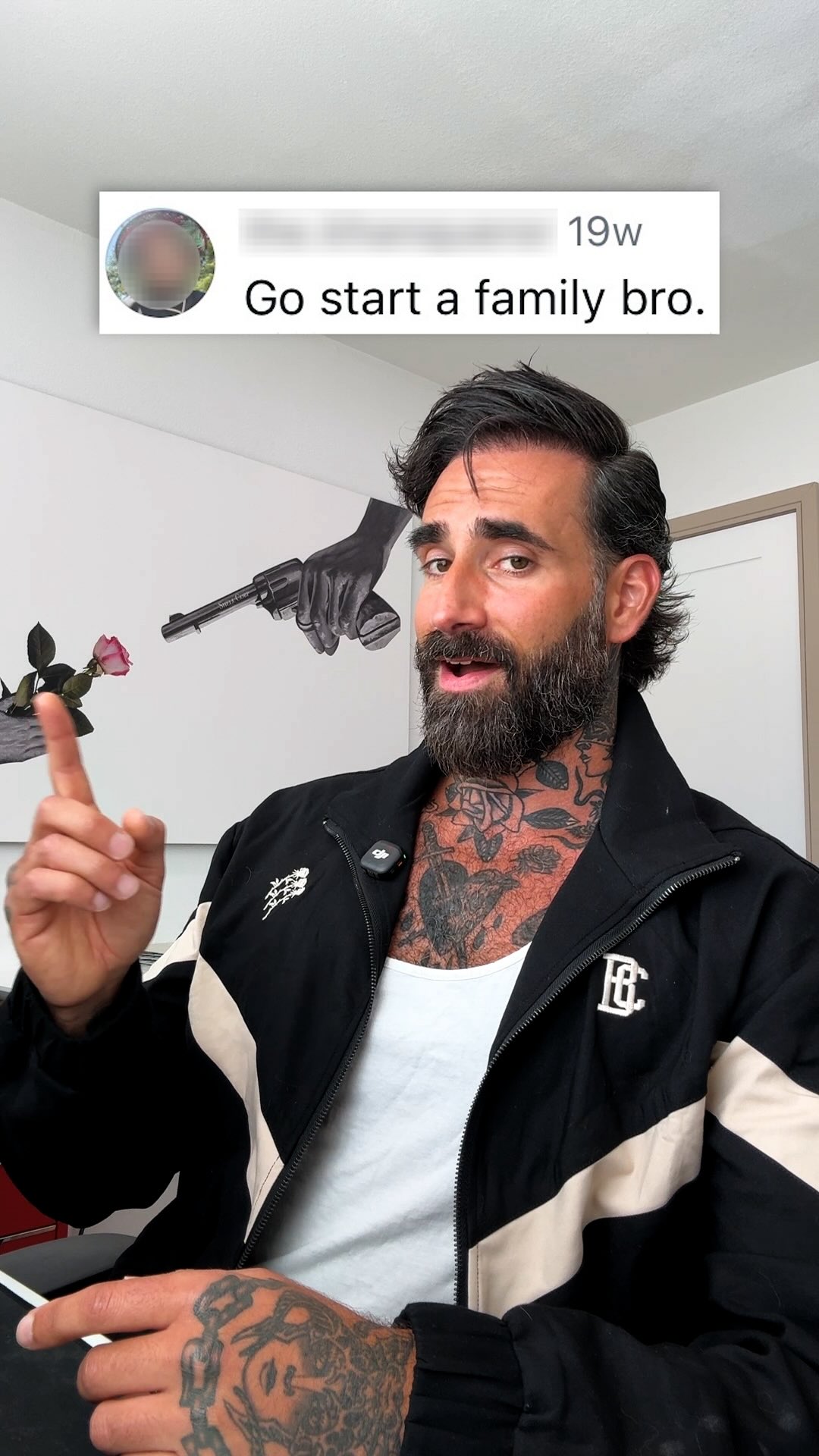 2.3M9.3×Creator tells personal family story@miketornabene · Anecdotal Philosophy
 70.1KVoiceover personal growth journey montage@coltinhill2 · Vulnerable Monologue
 102.1K60×Monologue on breaking family cycles@kennethmerrill_ · Vulnerable Monologue
 289.5K4×Critique leads to personal action@isaacrochell · Vulnerable Monologue
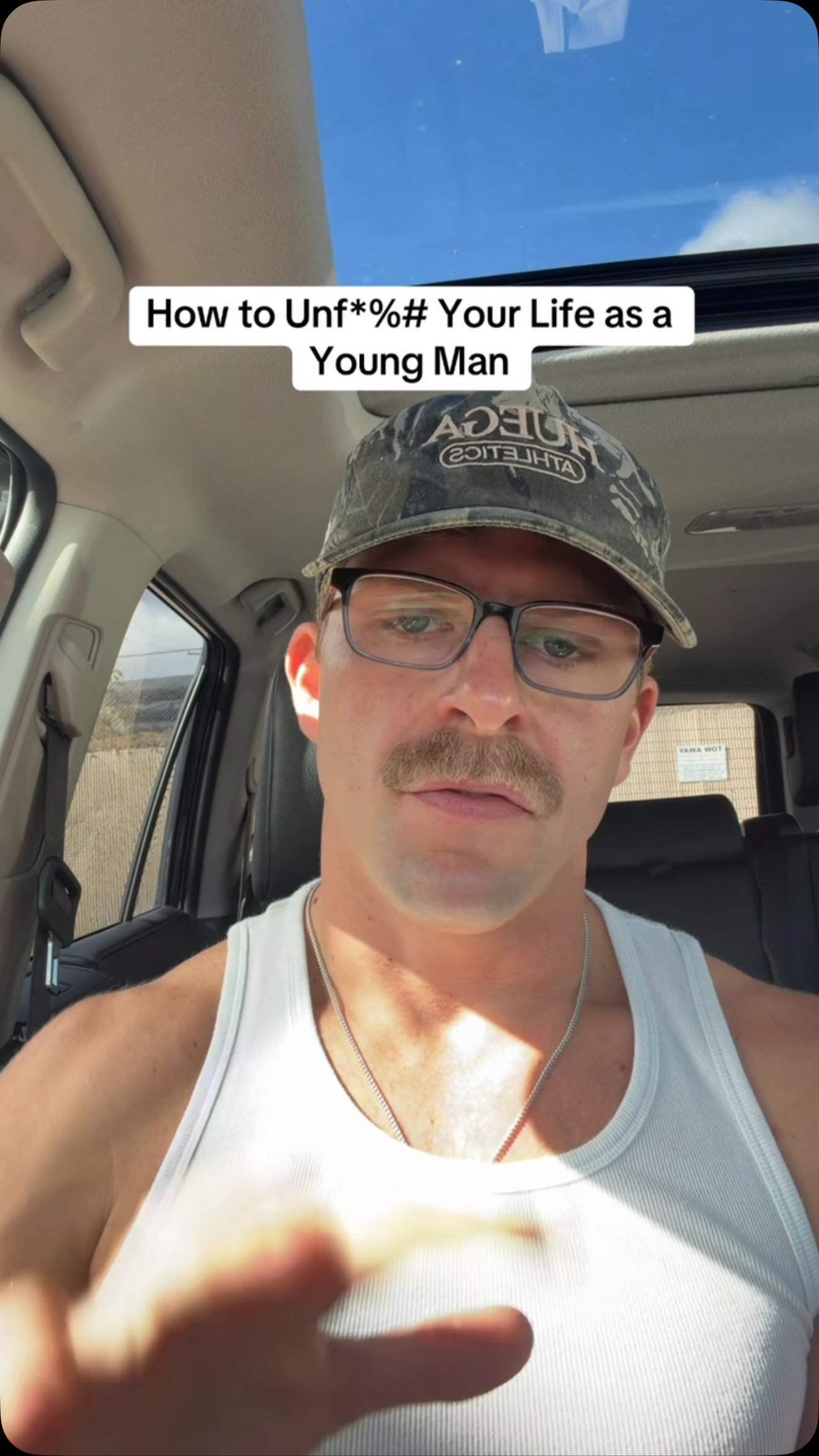 527.1K6.3×Listicle advice for young men@higherupwellness · Value Vlog
 5.2M43.8×Making breakfast while giving advice@barefoodtim · Pope In The Pool Multitask
 966.6K56.5×Satirical monologue about sibling stereotypes@couldbaret · Stereotype Satire
[04]
[05]
What stops the scroll in the first 3 seconds
Title hook · 45%
RAISING SONS WHO NOTICE 101
Verbal hook · 50%
Some boys grow up never being taught to notice.
Visual hook · 5%
The video opens with a shot of a father from behind, looking into a messy room, immediately establishing the theme of household chores and parental guidance. This is quickly followed by large, bold text overlays that grab attention.
[06]
Steal this for your own video
Some grow up never being taught .
[07]
The promise the opener makes, and how the video pays it back
Hook
The video opens by identifying a common, negative societal norm or personal failing, immediately creating a relatable problem for the audience.
Payoff
The video concludes with a direct Call to Engagement, asking the audience a reflective question tied to the video's theme. This prompts comments by inviting viewers to share their own experiences, turning passive consumption into active participation.
[08]
The structural pattern this video runs on
Framework
The Principle-Proof Framework
To establish authority by presenting a common problem, introducing a superior guiding principle as the solution, demonstrating its application through a practical scenario, and connecting it to higher-stakes life outcomes to prove its importance.
The Personal Declaration
The creator immediately contrasts the common flaw with their personal, superior approach, establishing a clear thesis and positioning themselves as the solution.
The Methodological Recap
The creator references previous 'episodes' or steps in their system. This builds authority, provides context, and encourages viewers to consume past content.
The Advanced Principle
The core lesson of the video is introduced as the next logical step in the creator's system. This frames the new information as an evolution of their established philosophy.
The Teachable Moment
A concrete, narrative example or scenario is presented to show exactly how the principle is applied in a real-world situation, making the advice tangible and actionable.
The Value Reframe
The creator proactively addresses potential negative interpretations of the action (e.g., 'being a servant') and reframes it as a positive character trait (e.g., 'being someone who cares').
The Philosophical Distinction
The argument is elevated by drawing a sharp distinction between a superficial understanding (managing oneself) and the deeper, more meaningful goal (learning to notice), which reinforces the value of the creator's principle.
The High-Stakes Connection
The small, demonstrated action is explicitly linked to success in major life areas (e.g., marriage, family), raising the stakes and making the lesson feel crucial.
The Audience Acknowledgment & Forward Hook
The creator speaks directly to a specific segment of their audience, validating their experience and then teasing future content tailored to them, which encourages follows and builds community.
Drop it in the comments were you raised with shared accountability or was it every man for himself in your house? #parenting #marriedlife #marriage #married #fathers
title · beginning
RAISING SONS WHO NOTICE 101
contextual · beginning
SOME BOYS GROW
contextual · beginning
TAUGHT TO NOTICE
contextual · beginning
NOT THEIR STUFF
contextual · beginning
THAT'S NOT HOW I'M RAISING MINE
contextual · beginning
3 OF RAISING SONS WHO NOTICE
contextual · beginning
EPISODE ONE WAS NARRATING YOUR ACTIONS
contextual · middle
SO THE WORK STOPS HAPPENING INVISIBLY
contextual · middle
EPISODE 2 WAS
contextual · middle
SO THEIR EYES ON THEIR OWN
contextual · middle
BECAUSE ONCE THEY START NOTICING
contextual · middle
NOTICING DOESN'T STOP
contextual · middle
IN THIS HOUSE WE HAVE SHARED
contextual · middle
BECAUSE A MAN WHO ONLY CLEANS HASN'T ACTUALLY LEARNED TO NOTICE
call-to-action · end
FOLLOW ALONG BECAUSE WE'RE JUST GETTING
call-to-action · end
DROP IN THE WERE YOU RAISED WITH SHARED ACCOUNTABILITY
Some boys grow up never being taught to no. Not their stuff, not their shared space, any of it. That's not how I'm raising mine. This is episode three of Raising Sons Who Notice. Episode one was narrating your actions out loud no the work stops happening invisibly. Episode two was asking questions so their eyes learn to scan on their own. Because once they start noticing, the next thing I'm teaching them is noticing doesn't stop at their own mess. In this house, we have shared accountability. I'll catch one of my sons about to walk past their brother's stuff on the floor, rank I'll stop him. I'll say, hey, I know that's not yours, but you're going upstairs anyway. It would make this room better and your brother happy if you just put it in his room. That's not being a servant to your better. That's just being someone who cares about the space you tier. Because a man who only cleans up after himself hasn't actually learned to notice. He just learned to manage himself. And that's not enough. Not in a marriage, not in the family, not in a household where everyone shares love. I want my sons to walk in the room and feel responsible for it, not because it's their mess, but because it's their home too. Follow along because we're best getting started. And for the wives sending this to their husbands, I hear you. Something is coming for that too. Drop in the comments below, were you raised with shared accountability, or was it every man for himself in the house?