@wikipedia
Instagram · Carousel
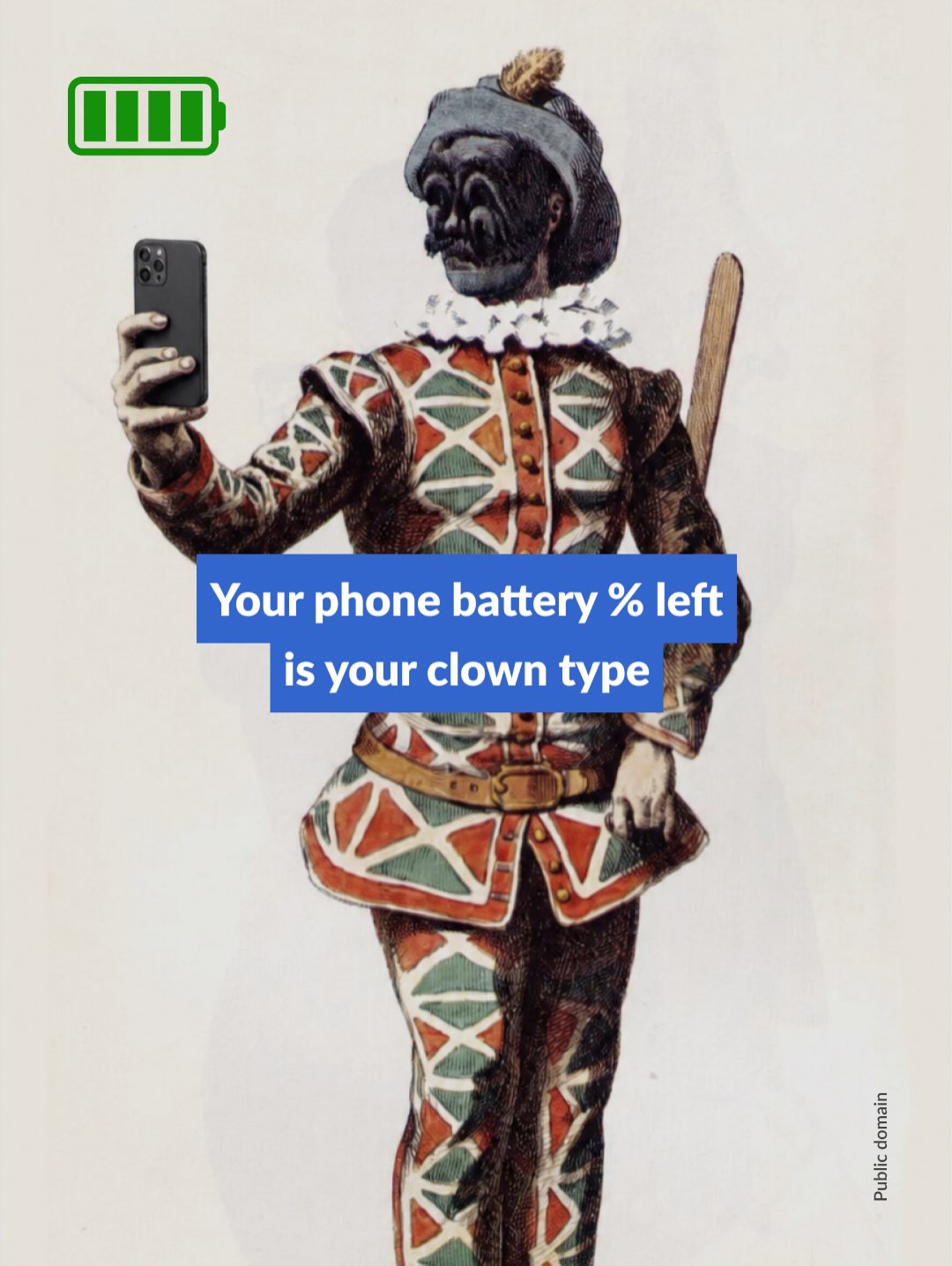
@wikipedia Which one are you? These characters come from traveling theater troupes that were popular across Europe between the 16th and 18th centuries. Many were identified by distinctive leather half-masks portraying stock characters from everyday life in Italy, including tricksters, scholars, and soldiers. Audiences cheered for clever Colombina, laughed at boastful Il Capitano, and never quite knew what the chaotic Pulcinella would do next. Not all were clowns in the modern sense, but their personalities helped shape centuries of comedy, clowning, and storytelling. The style was known as commedia dell’arte. The world of commedia dell’arte was colorful both on and off the stage. The performers traveled from city to city, performing in public squares, frustrating local authorities, and establishing some of the first women to work as professional actresses in Europe since antiquity. For centuries after antiquity, women characters in European theater were only played by men. Commedia dell’arte began to reestablish the tradition of having women in those roles as early as the 1560s. In England, Arlecchino or Harlequin’s role eventually evolved into its own genre of slapstick comedy, known as Harlequinade. The historical origin of the word pants. Seriously. Also known as “Pantalon de’ Bisognosi”, Pantalone became the namesake for a type of trouser called “pantaloons”, which was later shortened to “pants”. Il Capitano typically uses bravado and excessive shows of manliness to hide his true cowardly nature. But the Captains could also have positive characteristics, as dreamers with noble feelings. His main motivations are self-interest and self-preservation, yet Pulcinella tends to rescue other characters from trouble. He is said to be every character’s savior, despite acting as a rebel and a delinquent. Clown around in the world of commedia dell’arte at our link in bio.