@davejorgenson1
Instagram · Talking Head Edit
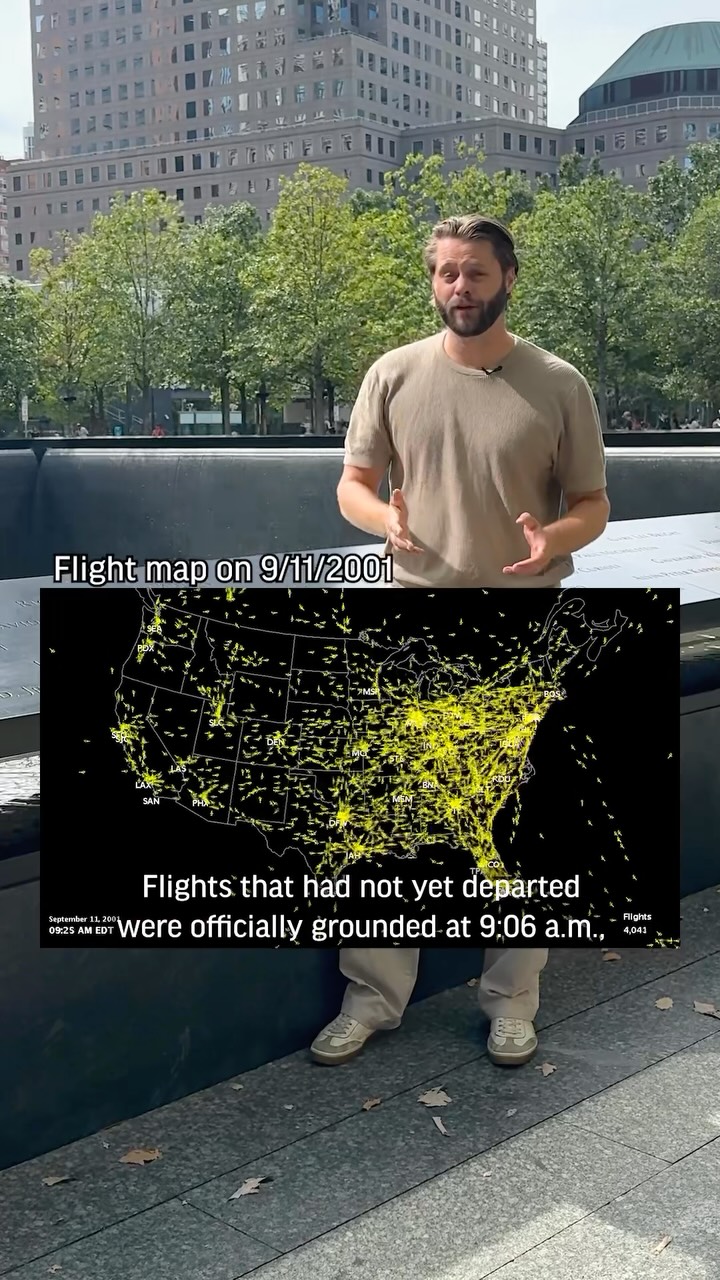
@davejorgenson1 Here’s what did and didn’t happen on September 11th, 2001.

@davejorgenson1
Instagram · Talking Head Edit
@davejorgenson1 Here’s what did and didn’t happen on September 11th, 2001.
Performance
Video #41713 · Talking Head Edit
[01]
The creator visits key locations in New York City related to 9/11 to share lesser-known facts about the day. He explains the grounding of all US flights by a first-day FAA manager, details the largest waterborne evacuation in history from Lower Manhattan, and recounts the moment President Bush was informed of the second tower being hit.
[02]
[03]
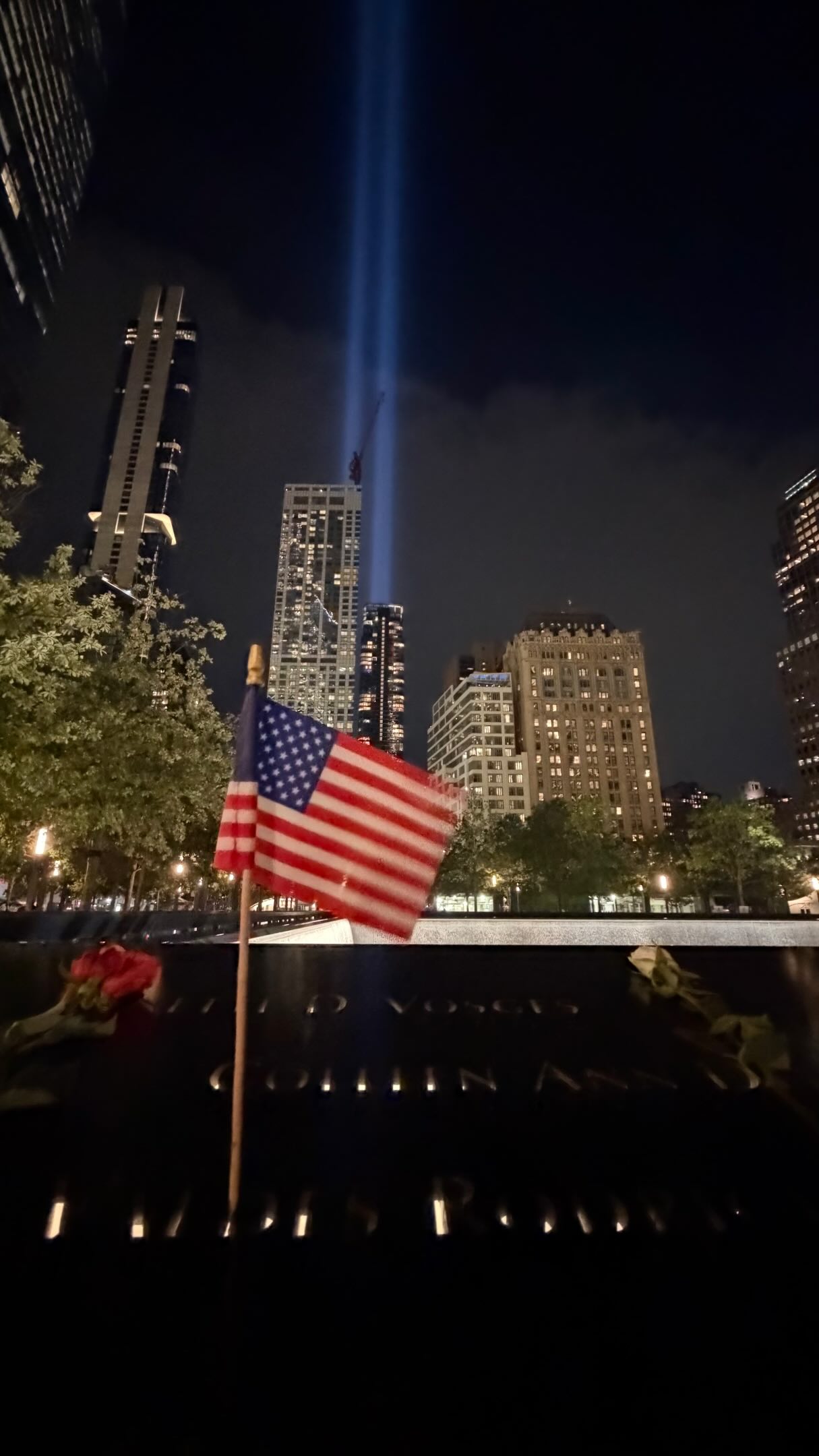 1M153.2×Voicemail narrates 9/11 museum tour@alliedition · Showcase
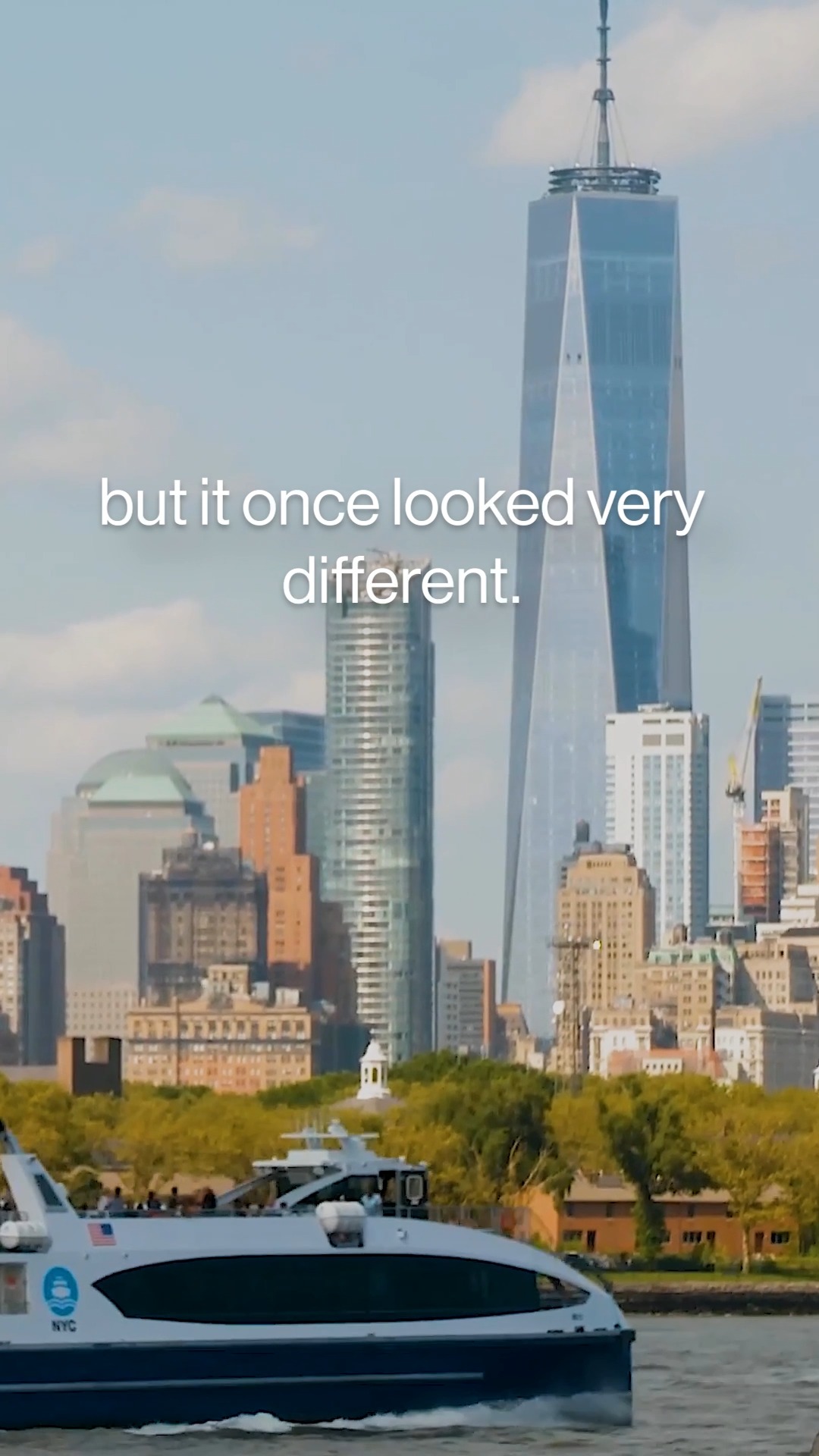 213.3K17.6×Visual story of skyline change@nycferry · Evolution Showcase
 1.1M7.9×Travel vlog during government shutdown@raitryna · Day In The Life
 169KNYC tourist challenge in one day@erekosima43 · Challenge
 462.8K16.4×Rapid montage of city landmarks@alexanewyorkcity · Location Showcase
 1.1M617.8×Aesthetic city architecture showcase@alexanewyorkcity · Location Showcase
 1.9M168×Aesthetic travel showcase of New York@alexanewyorkcity · Location Showcase
 364.7K32.9×Patriotic montage of NYC landmarks@alexanewyorkcity · Location Showcase
 155K7.7×Cinematic montage of NYC landmarks@alexanewyorkcity · Location Showcase
 92.3K9.3×Architectural breakdown with motion graphics@arch_xray · What Is X?
 167.6K10.9×Aesthetic montage of NYC locations@alexanewyorkcity · Location Showcase
 570.5K37.1×Patriotic montage of NYC landmarks@alexanewyorkcity · Location Showcase
[04]
[05]
What stops the scroll in the first 3 seconds
Title hook · 35%
Ground Zero, New York Here's what did and didn't happen
Verbal hook · 40%
Here's what did and didn't happen on September eleventh, two thousand one, twenty five years ago.
Visual hook · 25%
A medium shot of the speaker standing in front of the 9/11 Memorial reflecting pool, with a prominent skyscraper in the background. The iconic and somber location immediately establishes the video's serious topic.
[07]
The promise the opener makes, and how the video pays it back
Hook
A provocative statement that challenges the viewer's existing knowledge of a familiar topic ('Here's what did and didn't happen'), delivered from a physically relevant location to establish immediate authority and context.
Payoff
The Pivotal Realization: Concludes by showing the moment a key leader or figure of authority grasped the full gravity of the situation, anchoring the event in its historical significance and leaving the viewer with a powerful, 'fly-on-the-wall' perspective.
[08]
The structural pattern this video runs on
Framework
The Historical Re-Contextualization
To re-examine a well-known historical event by revealing a series of lesser-known, high-impact human stories and systemic responses connected to it. This provides viewers with a fresh perspective and a sense of insider knowledge.
The Unprecedented Action
Establishes the massive scale of the event with a single, powerful, system-wide fact that has never happened before or since.
The Personal Anchor
Humanizes the large-scale event by focusing on a single, relatable individual in a position of immense pressure, adding a compelling personal detail (e.g., 'first day on the job') to heighten the stakes.
The Ripple Effect
Broadens the narrative to show an unexpected secondary consequence or an act of external support, demonstrating the event's wider, often international, impact.
The Hidden Crisis
Reveals a specific, localized crisis that occurred as a direct result of the main event, creating a pocket of intense, lesser-known drama for a subset of people.
The Spontaneous Solution
Resolves the 'Hidden Crisis' by highlighting a spontaneous, large-scale heroic effort, providing an uplifting and awe-inspiring moment of collective action.
The Information Void
Shifts the perspective to the initial confusion surrounding the event, reminding the viewer what it was like before all the facts were known and the event was fully understood.
Here’s what did and didn’t happen on September 11th, 2001.
contextual · beginning
Ground Zero, New York
title · beginning
Here's what did and didn't happen
contextual · middle
Flight map on 9/11/2001
informational · middle
Flights that had not yet departed were officially grounded at 9:06 a.m.,
informational · middle
First responders: Meet some of the Canadians who rushed to New York after the 9/11 attacks
informational · middle
Police officers, firefighters from eastern Ontario raced down to join rescue effort
Here's what did and didn't happen on September eleventh, two thousand one, twenty five years ago. For the first time in US airspace history, every plane was grounded. The person tasked with making that fast and important decision was the FAA National Operations Manager. His name is Ben Sliney, and it was his first day on the job. Flights that bad not yet departed were officially grounded at 09:06AM, three minutes after the second plane hit the second tower, and every plane that was still up in the sky was officially ordered to be grounded at 09:45AM Eastern. Some of these flights were diverted to Canada where passengers were taken in by locals. Canadians also came down to New York to help with search and rescue. Some people had fled south following the attack, so they were stuck between the falling buildings and the water. As many as 500,000 people were taken from the South Side Of Manhattan in a spontaneous rescue mission in what may have been the largest waterborne evacuation in human history. Until the second plane hit, most people didn't know it was a terrorist attack. While president Bush was reading to kids, White House chief of staff Andrew Card told him that a second tower had been hit. President Bush had been told about the first