Viral Hooks
Trending short videosTalk show hosts debate senator
T

@theviewabc

Instagram · Clip

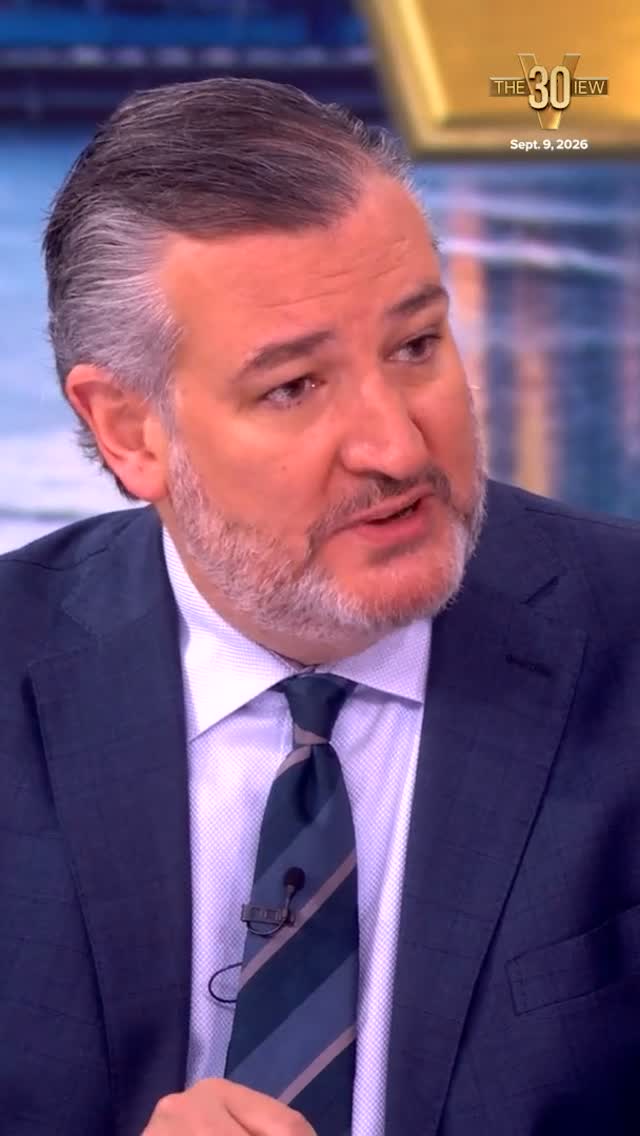
@theviewabc "When he came out of Yale Law School, he'd done very well in law school, he applied and not a single law firm would hire him." Sen. Ted Cruz addresses Supreme Court Justice Clarence Thomas's opposition to affirmative action.

View original on Instagram

The edit1 shot · 3 text
Shots Text2:01

Performance

Views
262.2K
Likes
18K
Comments
1.1K
Engagement
7.3%
Outlier
4.7×
Length · 9 Sept 2026
2:01

Video #41754 · Clip

Talk show hosts debate senatorfrom @theviewabc

[01]

Overview

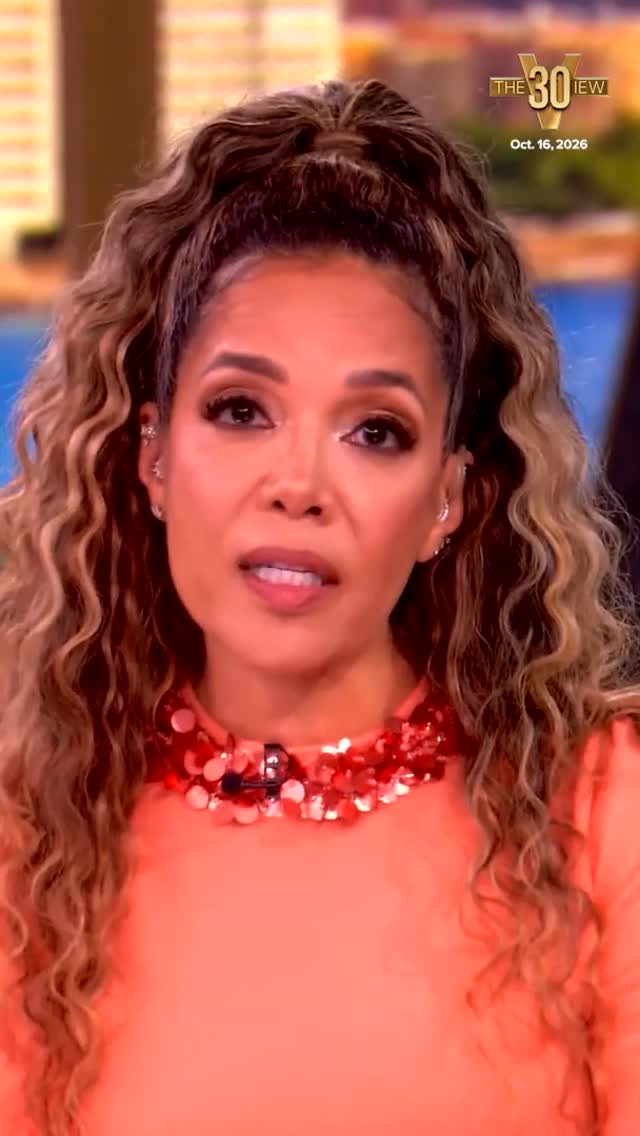
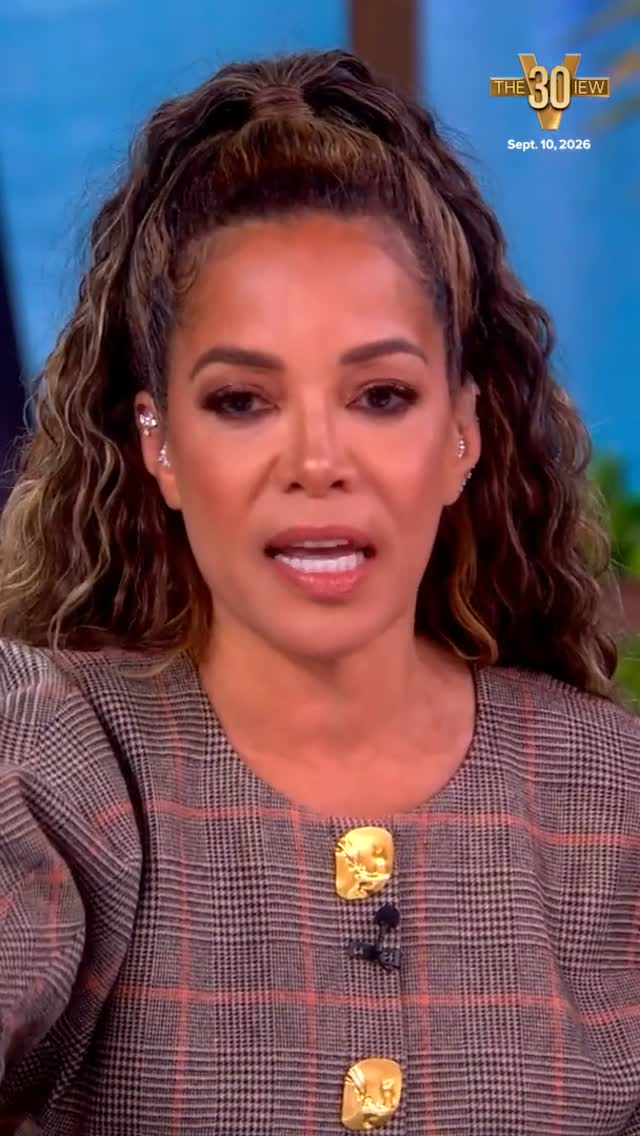
Sunny Hostin directly questions Senator Ted Cruz about Clarence Thomas's opposition to affirmative action, arguing that the focus should be on eliminating the underlying racism rather than the remedy. After audience applause, Cruz attempts to define affirmative action, but Whoopi Goldberg interjects to point out that Thomas's experience of being denied jobs despite his qualifications is the very reason affirmative action exists, leading to a continued debate.

[02]

Simple outline

  1. 1Present a logical paradox
  2. 2Opponent reframes with an anecdote
  3. 3Deliver a reality-check rebuttal
  4. 4Expose a foundational flaw

[03]

Related videos

[04]

Classification

Format
Concepts
Debate
Elements
Multi-CameraJump Cut
Account

[05]

Hook analysis

What stops the scroll in the first 3 seconds

Title hook · 45%

Sen. Ted Cruz addresses Clarence Thomas's views on affirmative action

Verbal hook · 50%

Clarence Thomas, you know, he stated that affirmative action diminished his achievements because it allowed people to believe he had not earned his place at Yale.

Visual hook · 5%

A medium close-up shot of a host speaking directly and passionately, using hand gestures for emphasis in a professional TV studio setting.

[07]

Hook and payoff

The promise the opener makes, and how the video pays it back

Hook

The narrative opens by framing a well-known figure or idea in a contradictory light, immediately establishing a point of conflict and posing an implicit question to the audience.

Payoff

The narrative concludes immediately after the final, powerful rebuttal, leaving the tension unresolved. This lack of resolution acts as a powerful engagement hook, prompting the audience to debate the outcome and share the clip.

[08]

Narrative framework

The structural pattern this video runs on

Framework

The Rebuttal Gauntlet

This framework structures a debate by presenting a logical or moral paradox to an opponent, then systematically dismantling their response by re-contextualizing their evidence and attacking their foundational premises. The narrative builds tension through a series of escalating challenges, culminating in a powerful, often emotional, counter-argument that serves as the climax.

  1. 1

    The Provocative Premise

    The first speaker establishes the terms of the debate by outlining a subject's seemingly hypocritical or paradoxical position, providing context and justification for the system or idea being challenged.

  2. 2

    The Direct Challenge

    The speaker distills the conflict into a single, pointed question directed at the opponent, forcing them to defend the paradox. This beat acts as the formal start of the confrontation.

  3. 3

    The Definitional Dodge

    The opponent avoids answering the direct question by attempting to reframe the debate. They redefine the core concept, often splitting it into 'acceptable' and 'unacceptable' versions to control the narrative.

  4. 4

    The Supporting Anecdote

    The opponent uses a specific, often personal, story to validate their reframed definition and illustrate the supposed negative consequences of the original concept.

  5. 5

    The Reality-Check Rebuttal

    A third party (or the original speaker) interrupts with a concise, powerful statement that completely re-contextualizes the opponent's anecdote, turning their evidence against them by framing it as proof of the original problem.

  6. 6

    The Foundational Flaw

    The rebuttal is escalated by attacking the opponent's (or their subject's) core principles, pointing out a fundamental historical or logical inconsistency in their entire worldview. This elevates the argument from a specific point to a critique of their entire ideological foundation.

Themes

  • Systemic Racism
  • Political Ideology
  • Constitutional Law

Techniques

  • Multi-camera editing
  • Direct questioning
  • Debate

Trends

  • Political debate clips

Post caption

"When he came out of Yale Law School, he'd done very well in law school, he applied and not a single law firm would hire him." Sen. Ted Cruz addresses Supreme Court Justice Clarence Thomas's opposition to affirmative action.

Text overlays

  • title · beginning

    Sen. Ted Cruz addresses Clarence Thomas's views on affirmative action

  • branding · throughout

    THE 30 VIEW

  • contextual · throughout

    Sept. 9, 2026

Transcript

Clarence Thomas, you know, he stated that affirmative action diminished his achievements because it allowed people to believe he had not earned his place at Yes. And I rank, we can all agree that affirmative action was put in place to provide opportunities to qualified black students, qualified black students, like Thomas, because those institutions historically would not give them the opportunities to go. So what I don't understand how you handle in the book is, why is the lesson from his experience, that we should eliminate the remedy better than eliminate the racism that made the remedy necessary. I don't understand. I mean, I I genuinely don't understand the framing in the book. No I will say the the word affirmative action encompasses a lot of things. If you're talking about removing barriers, if you're talking about expanding access Yes. Then I'm for that. He's for that. Everyone is for that. Mhmm. If you're talking about quotas and discriminating based on race, then then justice Thomas has been the the clearest defender of the principle that the constitution prohibits the government discriminating based on rank. Whether it's Yale degree. You wrote that he felt that his Yale degree was diminished because it people felt that it was a result of affirmative action. So there was a reason for that. When he came out of Yale Law School, he'd done very well in law school, he applied, not a single law firm would hire him. Every law firm he interviewed said no. To best in black. Yeah. Well, but yeah. That's the all I mean, I don't know why it was good. Better that's I didn't I didn't I'm just saying that I I do understand. You do. And this is why it's so hard for us to understand your why you framed it that way. But the other thing is he's a constitutional Yeah. Scholar. Yes. And how does he not remember that we weren't part of the constitution? Right. We good not that we worse thought no there's a reason people didn't start off We weren't all equal.