@davidsenra
Instagram · Clip
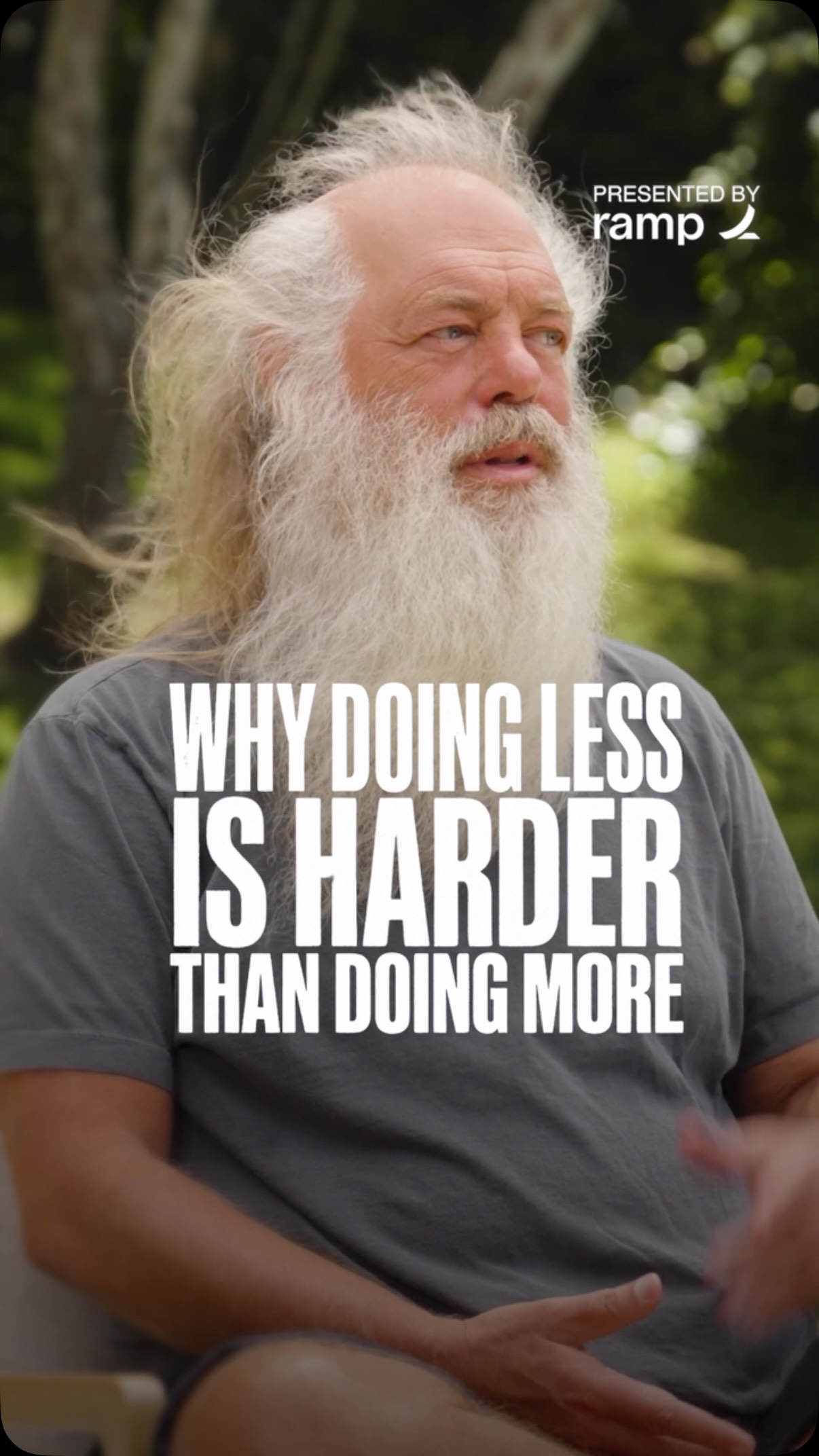
@davidsenra Less is more but to get less you have to do more. From my conversation with Rick Rubin.

@davidsenra
Instagram · Clip
@davidsenra Less is more but to get less you have to do more. From my conversation with Rick Rubin.
Performance
Video #46611 · Clip
[01]
The speaker, Rick Rubin, explains the principle that adding more elements to a creative work diminishes the importance of each individual element. He uses a mathematical analogy (10 things are 1/10th as important) and a specific example from music production, contrasting a 'wall of guitars' with a single, nuanced guitar performance to argue that doing less is harder but results in a more human and personality-driven outcome.
[02]
[03]
 349.3K7.3×Creator reframes making music's goal@owencutts · Motivational Mantra
 274.5K5.7×Using music to explain product@amandasabreah · Case Study Breakdown
 719.9K282.3×Argument against creative niching@sebell · Hot Take
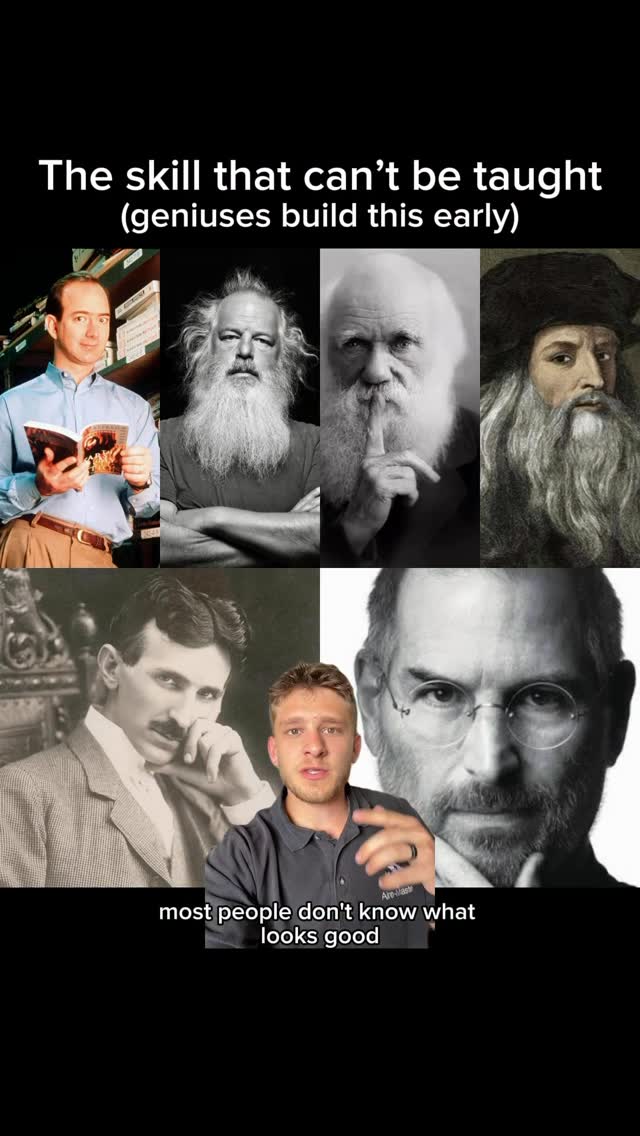 194.1K3.2×Explainer on the skill of taste@kolbykirschner · Opportunity Explainer
 552.4K42.5×Satirical commentary comparing music to farming@realdanyang · Hot Take
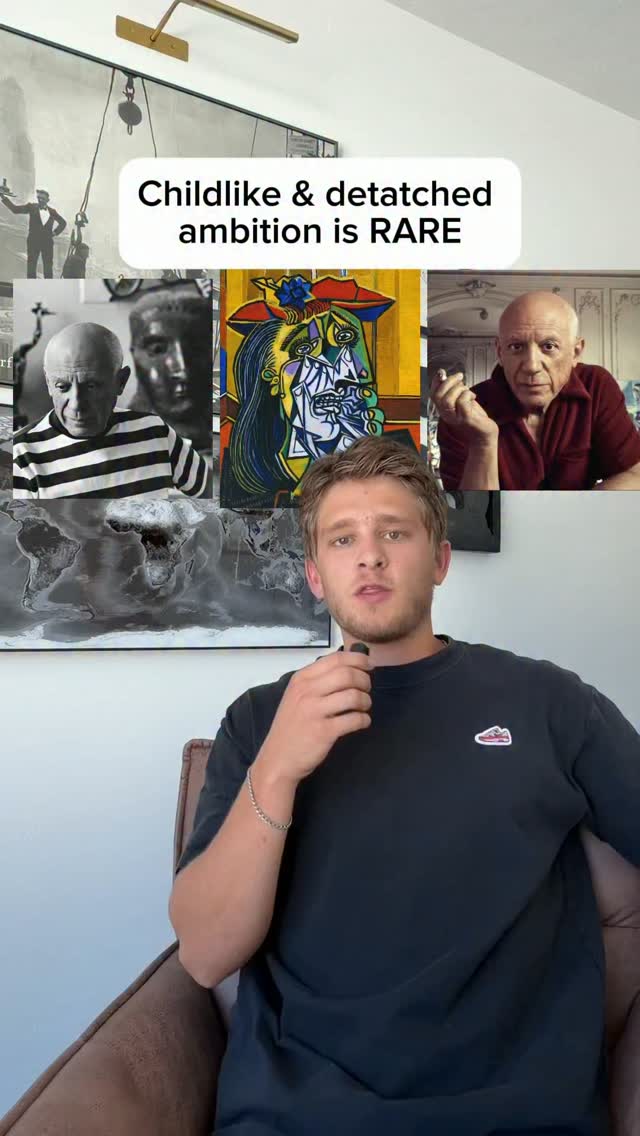 195.1K87.7×Historical figure success lesson@kolbykirschner · Case Study Reminder
 291.7K13.4×Comedic rant on divine creation@rexxliferaj · Cultural Rant
 2.2M1.9×Rule follower reframes through art@wacomo · Anecdotal Philosophy
 128.4KHigh-energy creative mindset breakdown@johnbucog · Breakdown
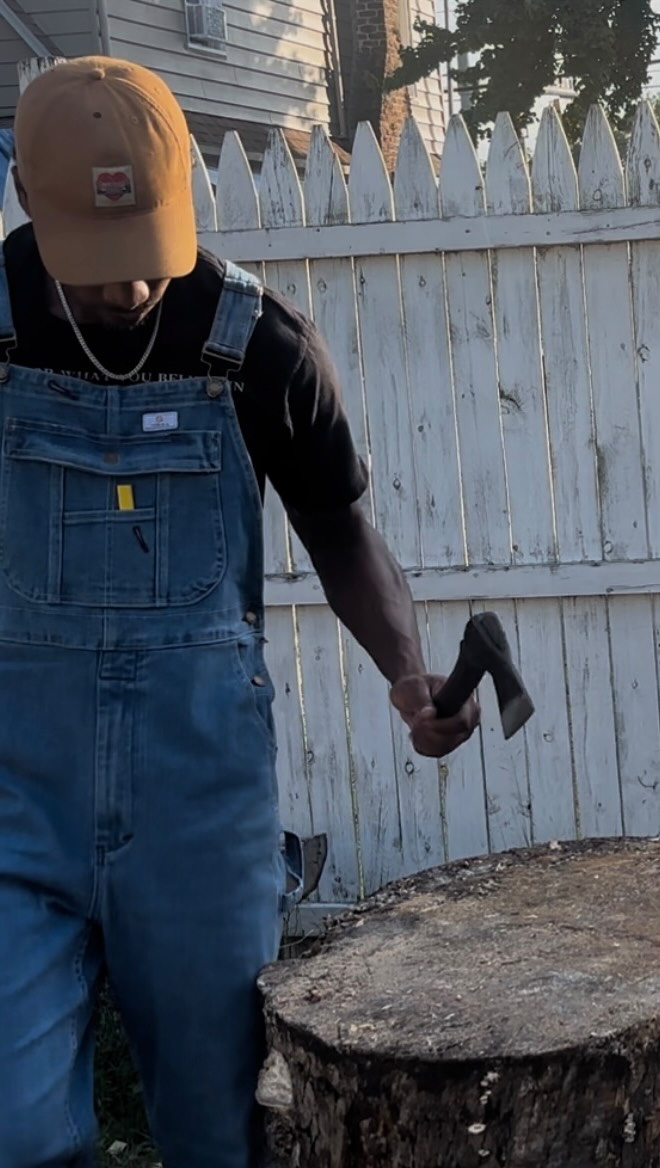 339.7KWood carving with creator commentary@rellswoodworks · Pope In The Pool Multitask
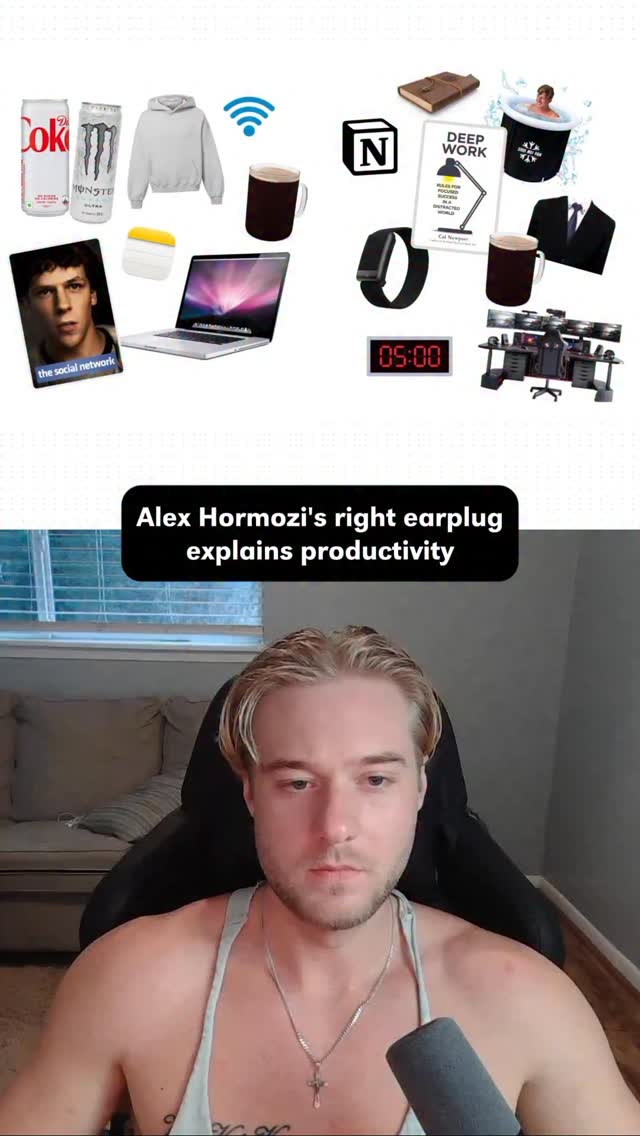 3.3M31.4×Comparing two different productivity styles@reecebrah · Hot Take
 71.1K3.9×Creator critiques optimization culture's effects@pleasedontmakemefocus · Breakdown
[04]
[05]
What stops the scroll in the first 3 seconds
Title hook · 50%
WHY DOING LESS IS HARDER THAN DOING MORE
Verbal hook · 45%
If you're stacking a lot of things on top of each other, each one of those things becomes less important.
Visual hook · 5%
A close-up shot of Rick Rubin, a visually distinct and iconic figure with long white hair and a beard, speaking thoughtfully in a natural, outdoor setting.
[06]
Steal this for your own video
WHY IS HARDER THAN
[07]
The promise the opener makes, and how the video pays it back
Hook
A bold, paradoxical statement presented as a title card that challenges a common belief, creating immediate intellectual curiosity.
Payoff
The viewer experiences an 'aha' moment, gaining a new mental model and feeling intellectually satisfied by the complete and elegant resolution of the initial paradox.
[08]
The structural pattern this video runs on
Framework
The Philosophical Funnel
To deconstruct a counter-intuitive principle by moving from an abstract thesis to a concrete, relatable analogy, ultimately delivering a profound insight.
The Dilution Principle
Introduce a universal law or principle that explains why adding more of something diminishes the value of its individual components.
The Quantifiable Proof
Use a simple, mathematical or logical example to make the abstract principle tangible and undeniable.
The Burden of Curation
Explain the difficult work or high standard required to achieve a 'less is more' outcome, justifying the video's initial paradoxical hook.
The Analogical Bridge
Transition from the abstract explanation to a concrete, real-world example that will serve as the primary illustration.
The 'More' Case Study
Describe the negative or generic outcome of the 'doing more' approach within the chosen analogy (e.g., a 'wall of guitars').
The 'Less' Case Study
Contrast the previous case by describing the positive, nuanced, and more impactful outcome of the 'doing less' approach (e.g., a single player).
The Humanistic Payoff
Articulate the superior qualities (e.g., personality, humanity, clarity) that are gained by embracing the 'less is more' philosophy.
The Guiding Philosophy
Conclude by summarizing the entire argument into a single, memorable takeaway or guiding principle that the viewer can apply.
Less is more but to get less you have to do more. From my conversation with Rick Rubin.
branding · throughout
PRESENTED BY ramp
title · beginning
WHY DOING LESS IS HARDER THAN DOING MORE
branding · end
DAVID SENRA PRESENTED BY ramp
branding · end
CLIP SPONSORED BY deel.
If you're stacking a lot of things on top of each other, each one of those things becomes less important. So if you have 10 things, each one of them is one tenth as important as one by itself. So if you're making something and you want the least amount involved, those things have to be really critically curated because they're doing the work of everything and nothing is hidden. It's why it's not as easy as it sounds to do less. I'll give you an example with guitars. A lot of recordings are made where the guitarist plays and then they double it and triple it and they create this like wall of guitars. When there's a wall of guitars, you hear guitar, but you don't hear someone playing guitar. You just hear guitar. It becomes more generic. When one person plays it rank you can hear their fingers on the strings, it's got more personality. It's more human. And I tend to look for those things where it's the, the singular essence shows through.