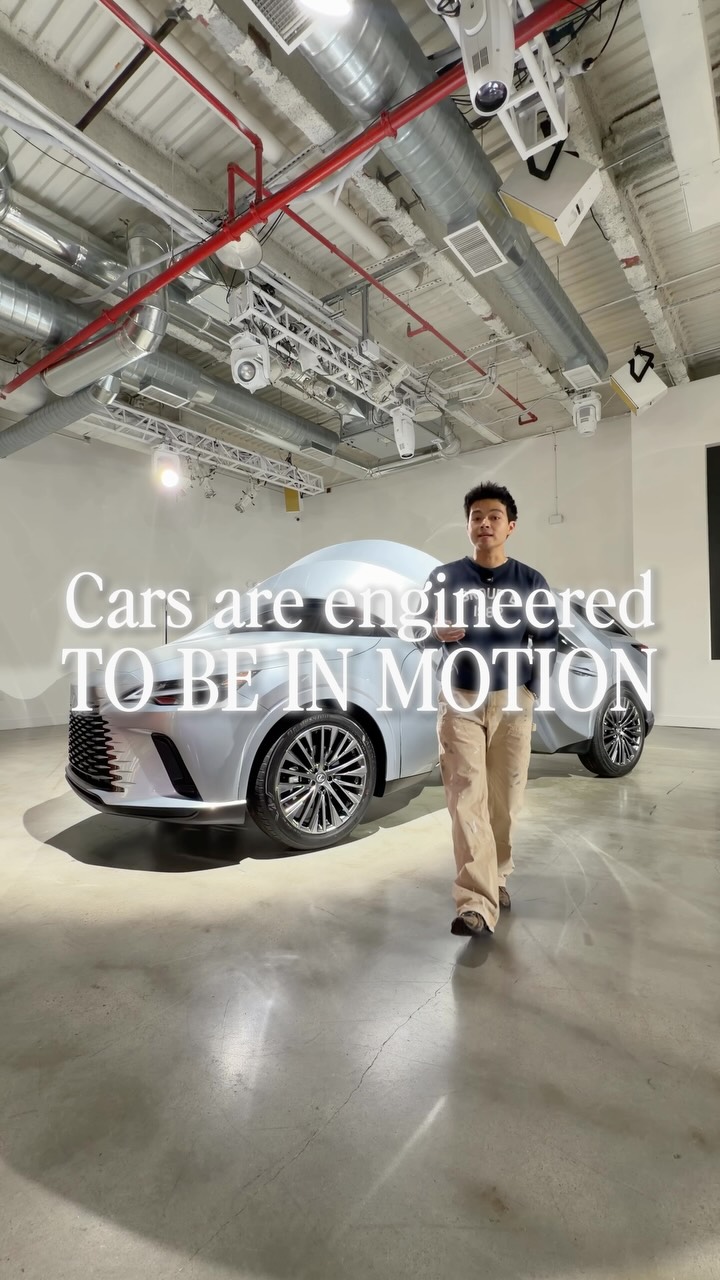
To introduce a high-concept or paradoxical idea, prove its existence with visually striking examples, provide a grounding comparison to make the concept accessible, and then deliver a tangible call to action.
- 1
The Foundational Paradox
State a commonly held belief about a subject ('Cars are engineered to be in motion'), then immediately challenge it with a counter-intuitive or artistic question ('but what if that motion is made through sculpture?').
- 2
The Grounding Announcement
Announce a real-world event, project, or product that serves as the tangible answer to the opening question, establishing the context.
- 3
The Credibility & Hype Beat
Name the creators or collaborators involved and make a superlative claim about the subject (e.g., 'the strangest I've ever seen') to build anticipation and authority.
- 4
Exhibit A Presentation
Reveal the first concrete example that proves the initial concept, describing its unique form and the idea it represents.
- 5
Exhibit B Presentation
Reveal a second, distinct example to demonstrate the breadth or versatility of the core concept, reinforcing the initial premise.
- 6
The Juxtaposition Proof
Show the transformed subject next to its original, unaltered version. This provides a crucial reference point that makes the transformation tangible and understandable for a broad audience.
- 7
The Thematic Summary
Briefly articulate the underlying meaning or purpose behind the transformations shown, giving the viewer a concise takeaway.