@dangerbean_55
Instagram · Skit
@dangerbean_55 we used to have a Honda Odyssey

@dangerbean_55
Instagram · Skit
@dangerbean_55 we used to have a Honda Odyssey
Performance
Video #47012 · Skit
[01]
The creator plays two characters: an Uber driver and his passenger. The driver sees a car that reminds him of his childhood, triggering a nostalgic flashback montage where he plays both his younger self and his father. This nostalgia trip causes him to suddenly and comically adopt the persona of a stereotypical dad, treating his confused Uber passenger as his son for the remainder of the trip.
[02]
[03]
 983.9K4.5×Relatable moment with text overlay@bigjohngolfs · Relatable One Shot
 170.5K100.8×Relatable text over everyday scene@sheima.timuori · Relatable One Shot
 633.7K4.2×Comedic skit about gaming NPCs@dangerbean_55 · Relatable Skit
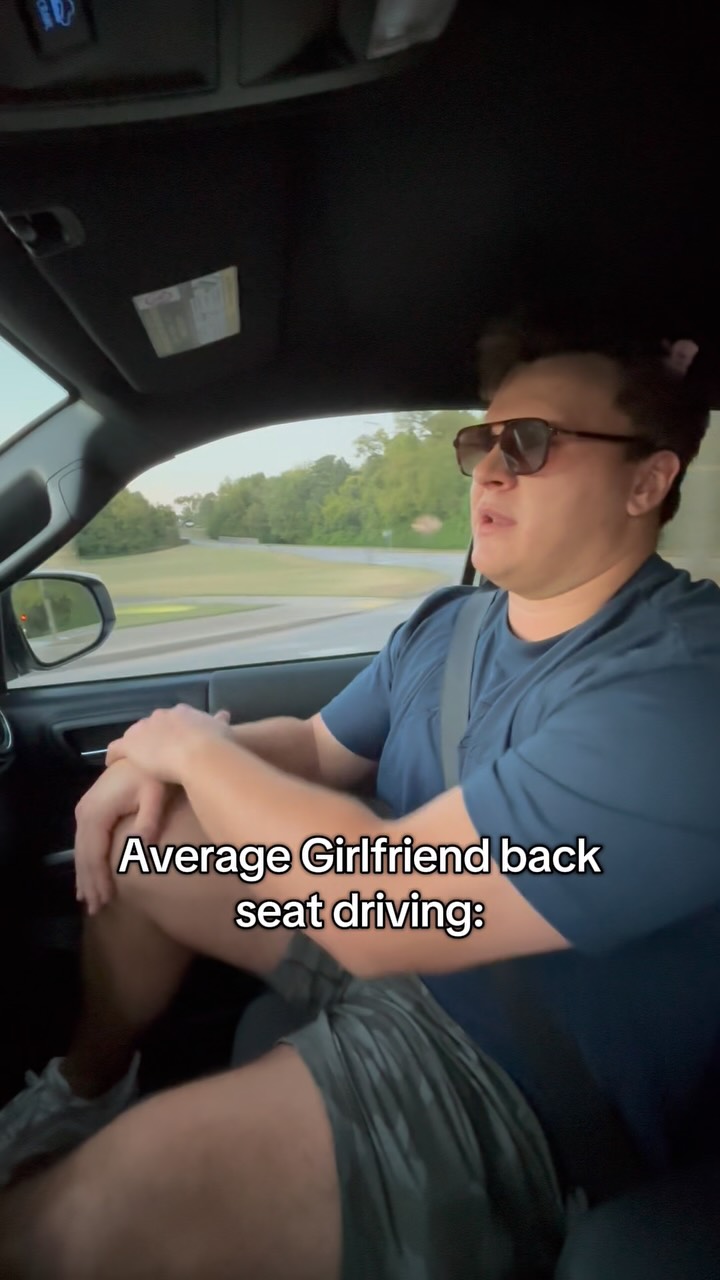 903.9K1.2×Acting out backseat driver stereotype@__codywest__ · Relatable Skit
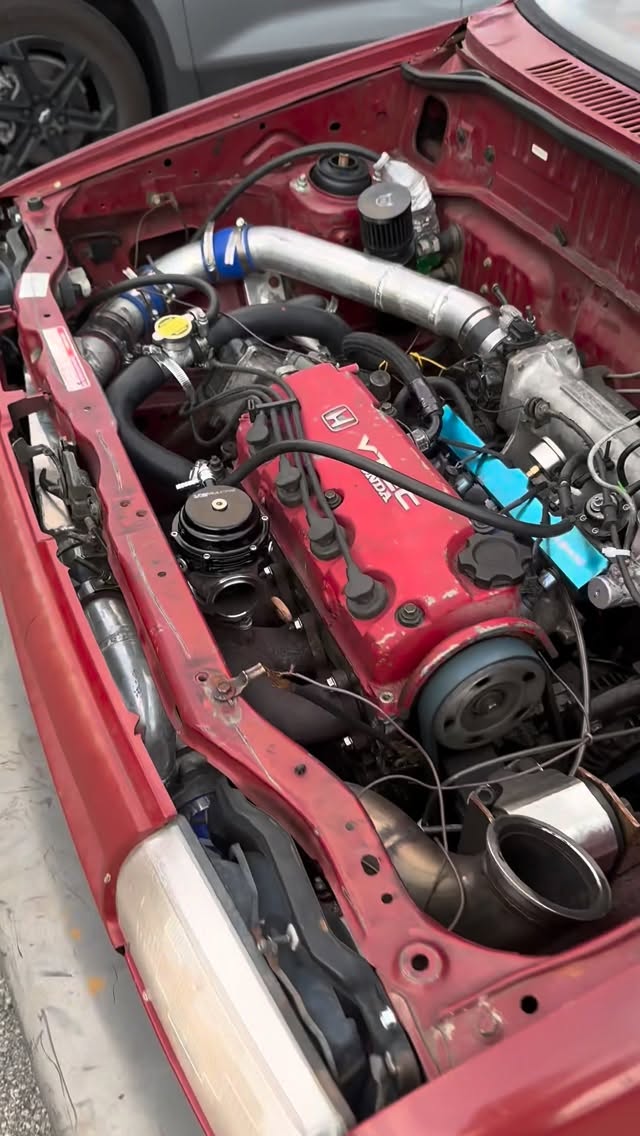 213.9KFriend's car has a PC inside@hamdynamics · Skit
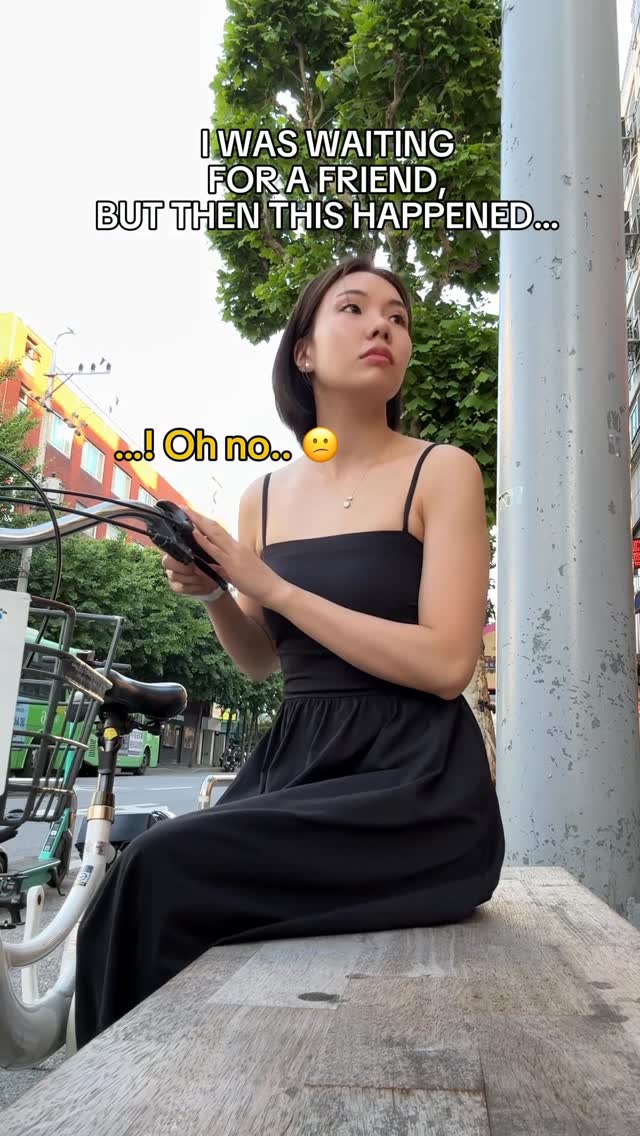 1.6M54.4×Creator helps stranger get a taxi.@dianainseoul · Storytime
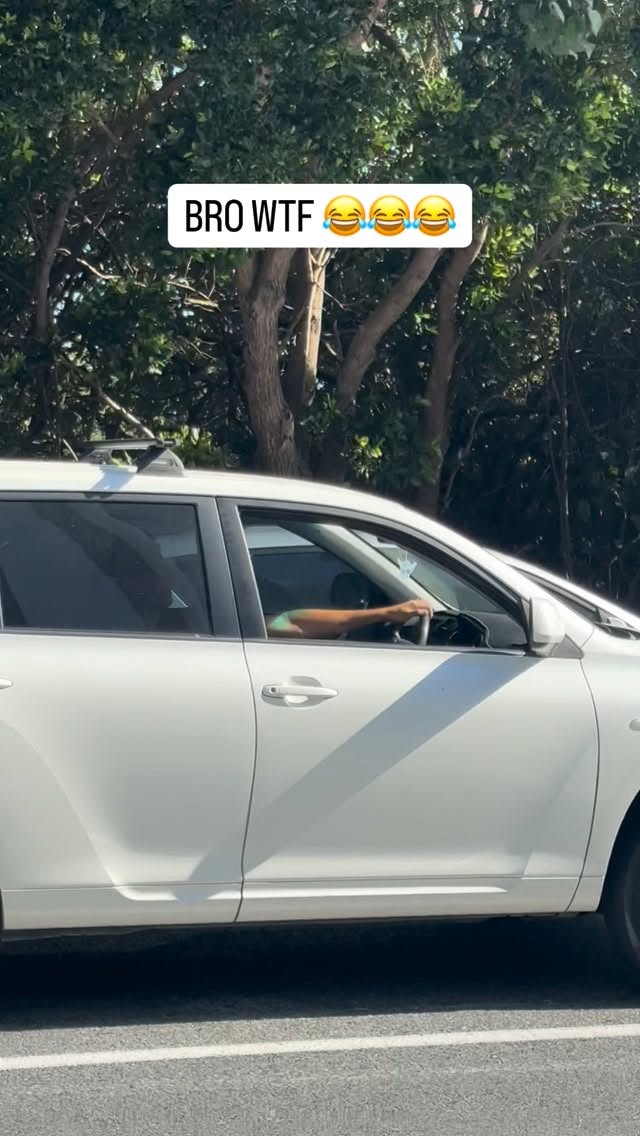 127K1.1×Surprising car driving prank reaction@oikirkybruz · Reaction
 232.9KRelatable text overlay driving POV@maxmanticof_ · Relatable One Shot
 1.2M5×Cinematic montage of Uber experience@nmillz · Vibe Showcase
 2.5M22.4×Parent fakes sadness for school@tasiaalexis · Relatable Skit
 2.8M577.9×Text overlay joke in car@thewhiteboydakotajamesbaby · Relatable One Shot
 456.8K14.1×Stranger's compliment sparks scenic drive@levistocke · Lifestyle Showcase
[04]
[05]
What stops the scroll in the first 3 seconds
Title hook · 80%
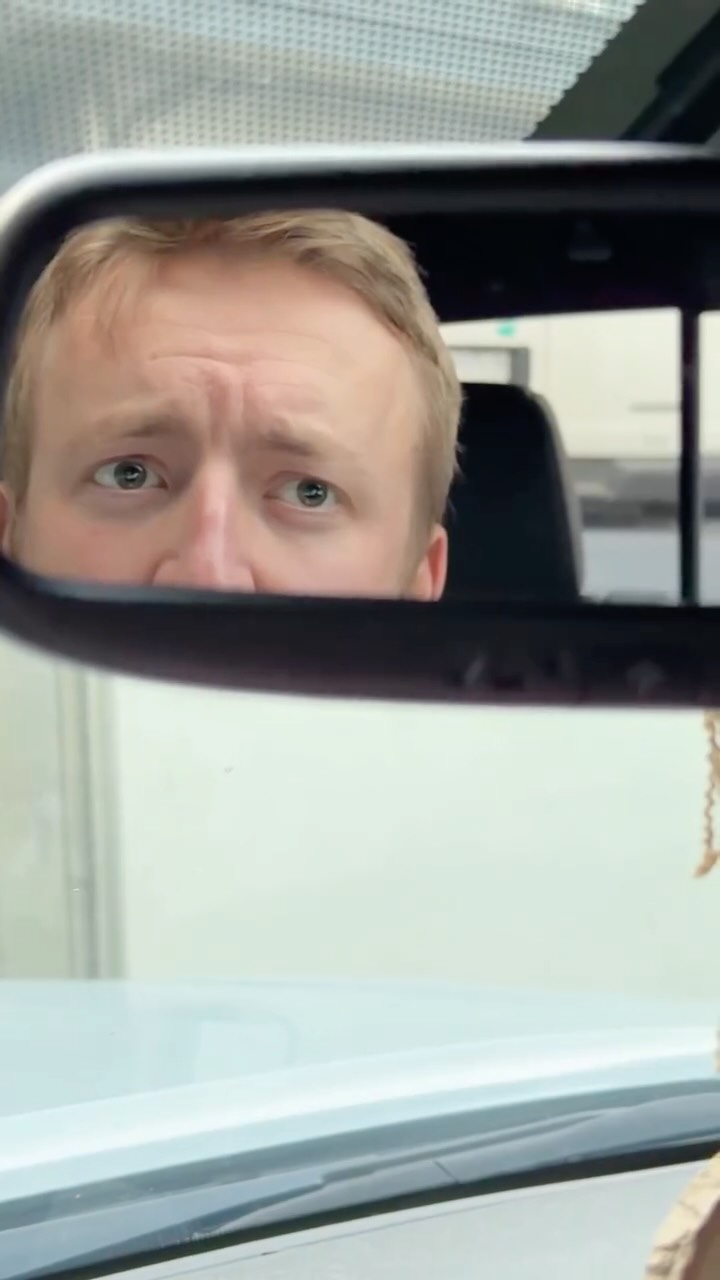
when you see the type of car your family used to have:
Visual hook · 20%
An intimate, low-angle close-up shot of the driver's face. He has a thoughtful and melancholic expression, immediately making the viewer curious about what he is thinking or seeing.
[06]
Steal this for your own video
when you see the your used to :
[07]
The promise the opener makes, and how the video pays it back
Hook
A text overlay presents a universally relatable situation, priming the audience for a shared emotional experience and creating immediate buy-in.
Payoff
The narrative resolves with the main character fully committing to their delusion, creating a bizarre and humorous new reality for the other characters involved, leaving the audience on a high note of absurdity.
[08]
The structural pattern this video runs on
Framework
The Nostalgia Trap
A common, everyday trigger sends a character into a deep, relatable memory, which then bleeds into their present reality with increasingly absurd and comedic consequences, culminating in a role-play delusion.
The Trigger & Descent
The character encounters the specific object/event that initiates the memory. The tone shifts dramatically (e.g., music changes, visuals become stylized) to signal the transition from the present into a nostalgic headspace.
The Idealized Flashback
A montage of stylized (e.g., black & white, slow-motion) scenes representing the core emotional memories associated with the trigger. This builds a strong emotional connection with the viewer.
The Dialogue Bleed
The character's present-day actions or dialogue begin to merge with the memory, showing them re-enacting or echoing the past, blurring the line between then and now.
The Reality Snap
A sudden, loud, or physically jarring event abruptly shatters the memory and yanks the character (and viewer) back into the present. The tonal shift is sharp, unexpected, and often comedic.
The External Challenge
A second character (the straight man) questions the main character's strange behavior, grounding the scene in reality and explicitly highlighting the absurdity of the situation for comedic effect.
The Absurd Commitment
Instead of returning to normal, the main character doubles down on the fantasy/role from their memory, forcing the second character to participate against their will. This serves as the final comedic punchline.
we used to have a Honda Odyssey
title · beginning
when you see the type of car your family used to have:
You all good? Yeah. You like that car? My dad used to have one of those. What'd we say about the lights on while dad's driving? Are you there yet? Why don't you go back to sleep? I'll wake you up when we get down. I best dropped my phone. One sec here. Woah. Jeez, man. You're trying to kill us? That's like a kid parent thing. I'm your Uber passenger. I mean, if I wanna have kids, we're gonna have to survive the the the trip here. I gotta make money somehow, man. Just go back to sleep. I'll wake you up in a minute. I wasn't even asleep? You're my son now. Okay? Just for the rest of the drive, you're my son. I'll give you a good, rating or something.