@streetsalaryclub
Instagram · Street Interview
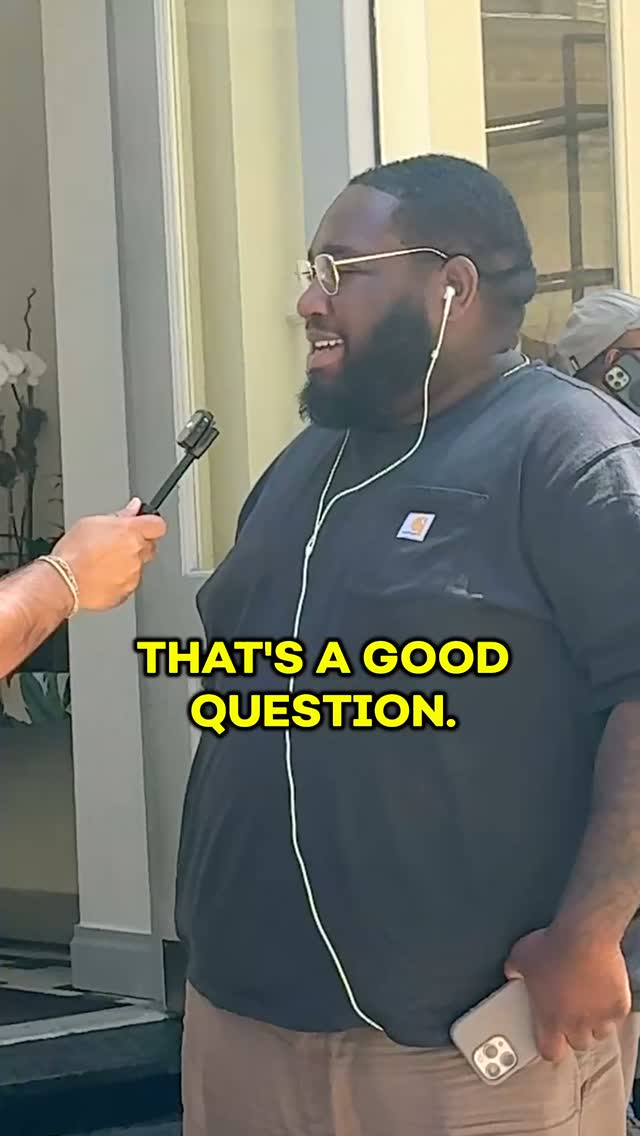
@streetsalaryclub How much should someone have saved by 30 or 40? #savings #money #moneytips #debate

@streetsalaryclub
Instagram · Street Interview
@streetsalaryclub How much should someone have saved by 30 or 40? #savings #money #moneytips #debate
Performance
Video #48685 · Street Interview
[01]
The creator conducts a street interview, asking a man for his opinion on how much money a person should have saved by age 30. After the man gives his answer ($4,000-$5,000), the interviewer asks a follow-up question about the appropriate savings for age 40, to which the man responds ($15,000-$20,000).
[02]
[03]
 646.5K4.8×Financial plan using simple math@albertgreeene · Playbook
 820.1KUnemployed creator shares his financial plan@alessyleblanc · Vulnerable Monologue
 219.2KCarpenter explains who has money@howlingwolf.carpentry · Anecdotal Philosophy
 93.5K4.9×Explains financial concept with personal journey@hy_invests · Journey Documentation
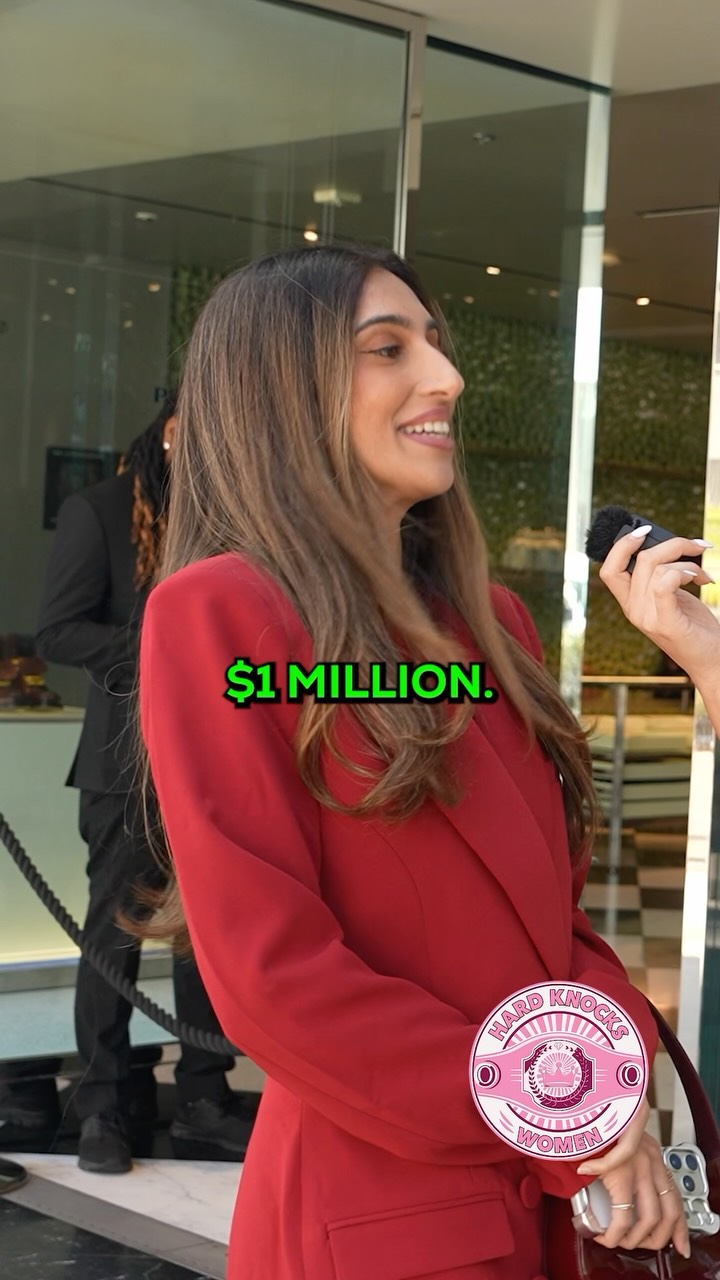 145.4K27×Street interview with successful woman@hardknockswomen · Ask an Expert
 357.1K44.7×Comparing investment vs entrepreneurship paths@avni
 1.1M8.3×Creator breaks down monthly paycheck@raitryna · Breakdown
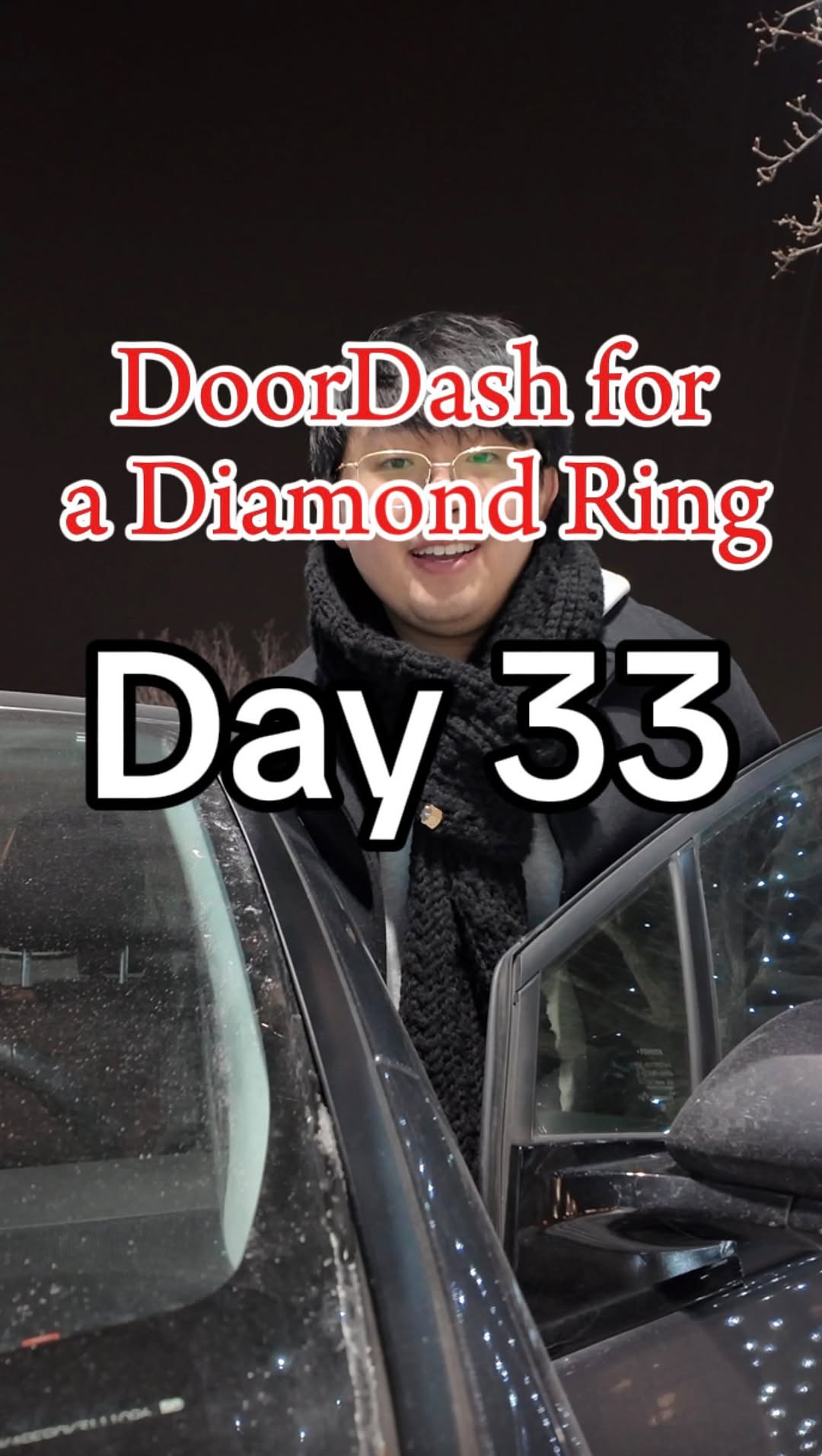 195.9KDocumenting side hustle for proposal@bradjcho · Journey Documentation
 293.3K171.6×Expert breaks down family offices@thealexbranford · Breakdown
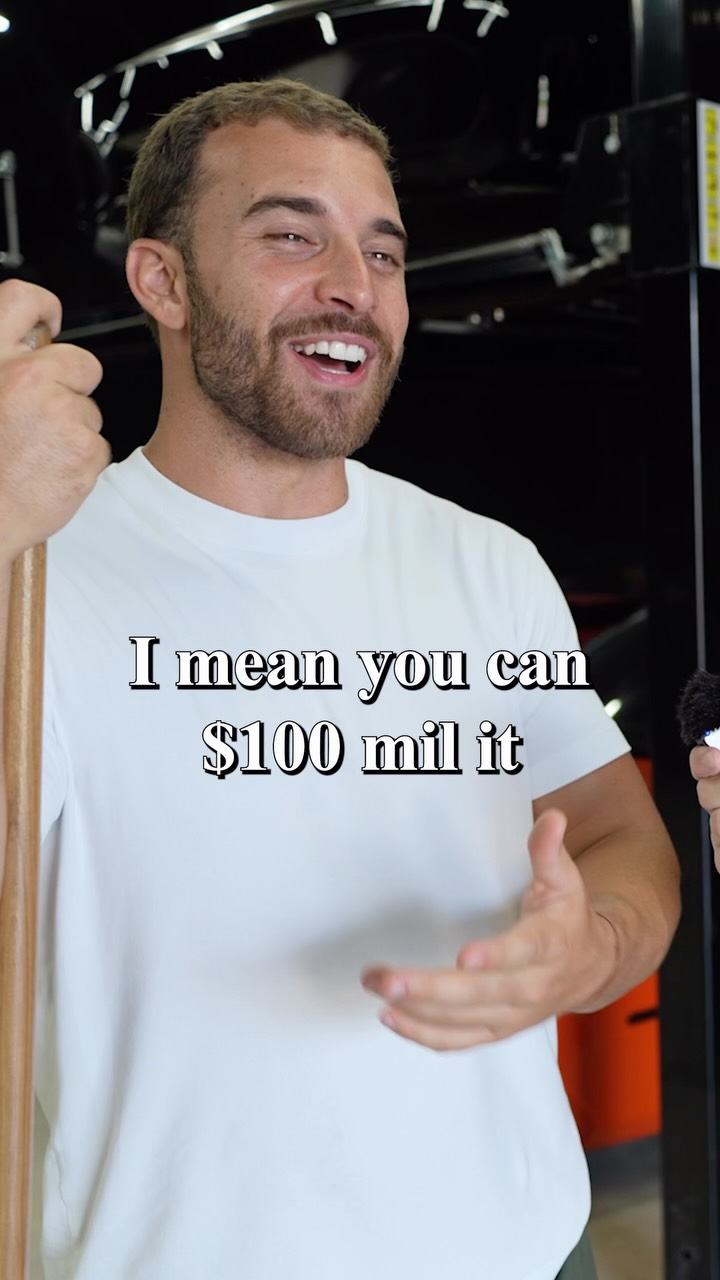 214.7KStreet interview with a millionaire@brayden.zaroff · Street Interview
 599.8KCreator reads salary statistics list@moneycoachdave · Breakdown
 509KStreet interview about job and salary@salarytransparentstreet · Street Interview
[04]
[05]
What stops the scroll in the first 3 seconds
Title hook
HOW MUCH SHOULD HAVE SAVED?
Verbal hook
How much should a 30 year old have saved?
Visual hook
An immediate shot of an on-the-street interview in progress, with the interviewer holding a microphone and the subject actively engaged in conversation.
[07]
The promise the opener makes, and how the video pays it back
Hook
A direct, quantitative question about a common life milestone that invites immediate self-reflection and judgment from the viewer.
Payoff
The interviewer offers a brief, positive validation of the subject's opinion ('I love that'), concluding the interaction on an agreeable note and implicitly passing the final judgment to the audience in the comments.
[08]
The structural pattern this video runs on
Framework
The Benchmark Escalation
To elicit a debatable, quantitative opinion on a common life milestone, then escalate the milestone to generate a second, related data point for comparison and further debate.
The Benchmark Question
The interviewer poses a direct question asking for a specific numerical value tied to a common life stage or achievement (e.g., age, career level).
The Grounded Answer
The subject provides a concrete, opinion-based numerical answer that serves as the video's central data point for audience reaction.
The Confirmation Probe
The interviewer repeats the subject's answer back to them as a question, reinforcing the number for the audience and giving the subject a chance to confirm their stance.
The Time Jump Escalation
The interviewer introduces a new, higher-stakes benchmark (e.g., a later age, a bigger goal) that logically follows the first question, prompting a new evaluation.
The Scaled Answer
The subject provides a second numerical answer corresponding to the escalated benchmark, creating a point of comparison and revealing their scaling logic.
How much should someone have saved by 30 or 40? #savings #money #moneytips #debate
title · beginning
HOW MUCH SHOULD HAVE SAVED?
informational · beginning
I HAD LIKE $4,000 TO $5,000.
contextual · middle
YOU THINK $4,000 IS A GOOD AMOUNT BY ABOUT 30 YEARS
contextual · middle
THINK SOMEONE SHOULD HAVE BY 40?
informational · middle
$15,000, $20,000.
How much should a 30 year old have saved? At 30, I had, like, about 4 to 5,000. You think 4 to 5,000 is a good amount to have saved by about 30 years old? Yeah. I'd say that. What do you think someone should have by 40? At least $1,520,000. I love that. Thank you for your time.