@neighborhoodartsupply
Instagram · Split screen
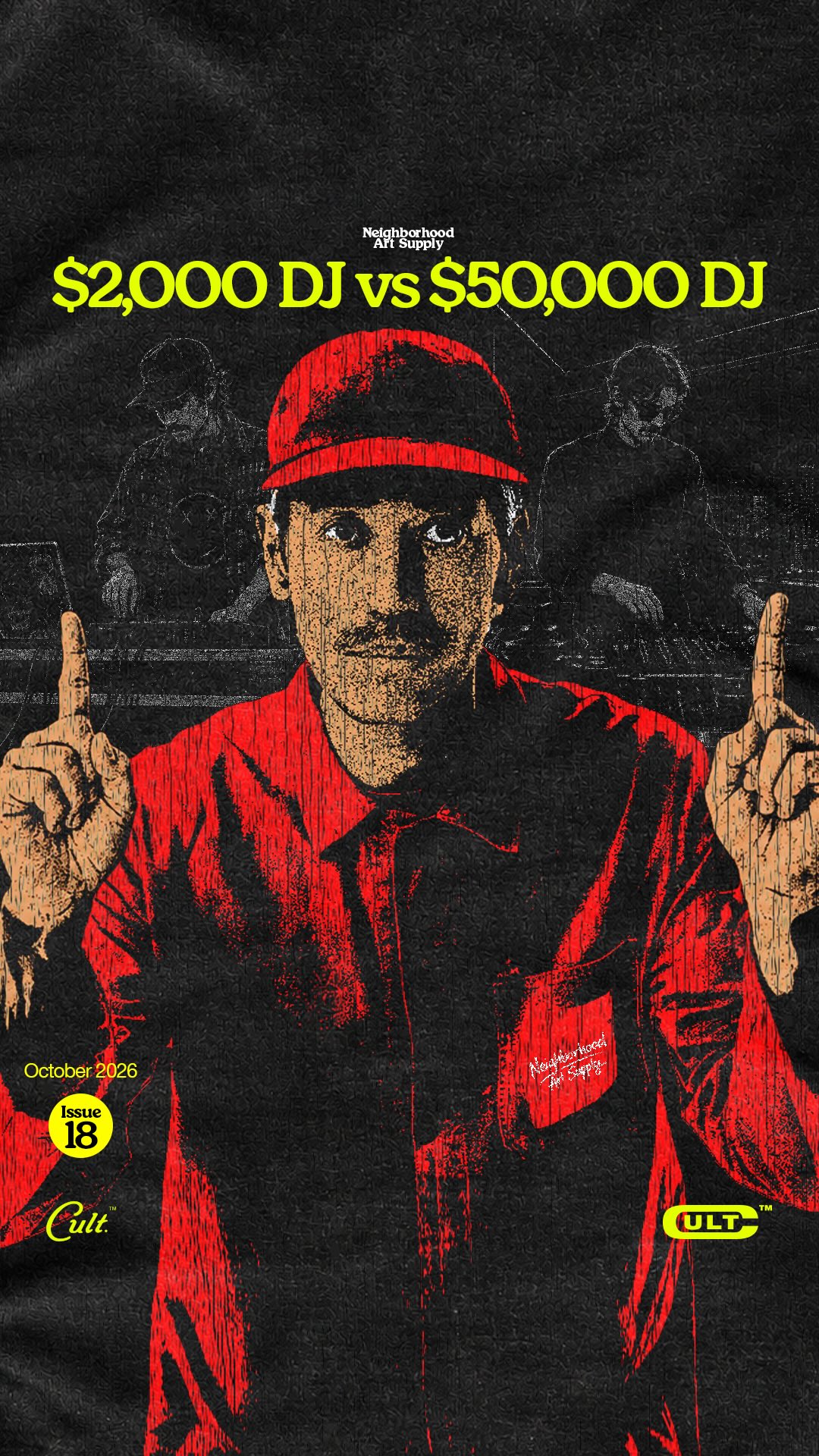
@neighborhoodartsupply What’s the difference between a $2,000 per show DJ and a $50,000 or more per show DJ?

@neighborhoodartsupply
Instagram · Split screen
@neighborhoodartsupply What’s the difference between a $2,000 per show DJ and a $50,000 or more per show DJ?
Performance
Video #48929 · Split screen
[01]
The speaker poses a question comparing the earnings of a $2,000/show DJ to a $50,000+/show DJ. He explains that the difference lies not in the job itself, but in the higher-paid DJ's ability to build a brand and community. He then lists a series of critical branding questions an artist must answer—regarding their point of view, taste, values, allies, and foes—using B-roll of various famous artists as examples. The speaker concludes by suggesting artists think of their brand as a movie or show and define what that story is about.
[02]
[03]
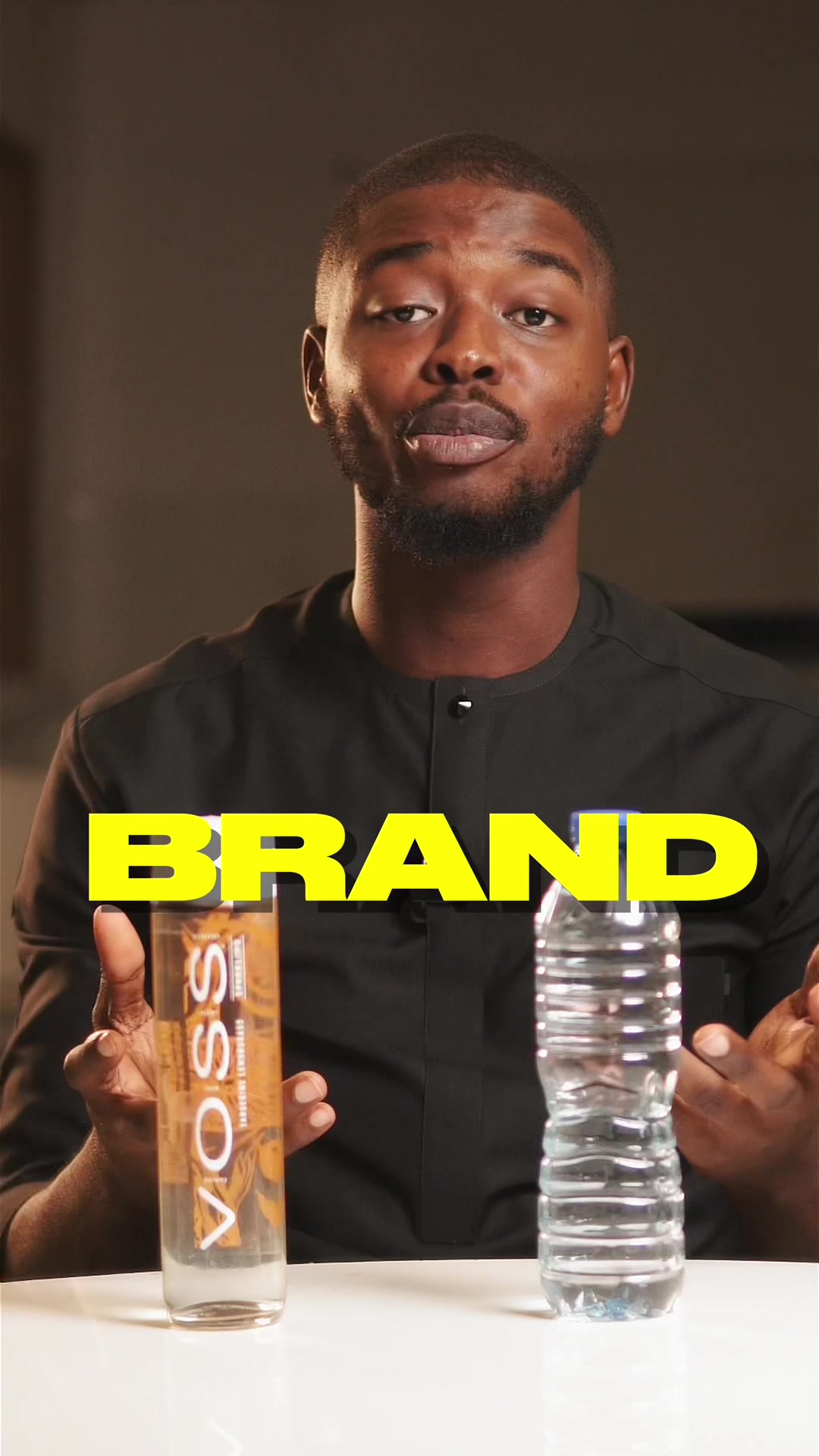 974.1K3.5×Creator explains brand positioning using a water bottle price comparison@mofe_ade · Breakdown
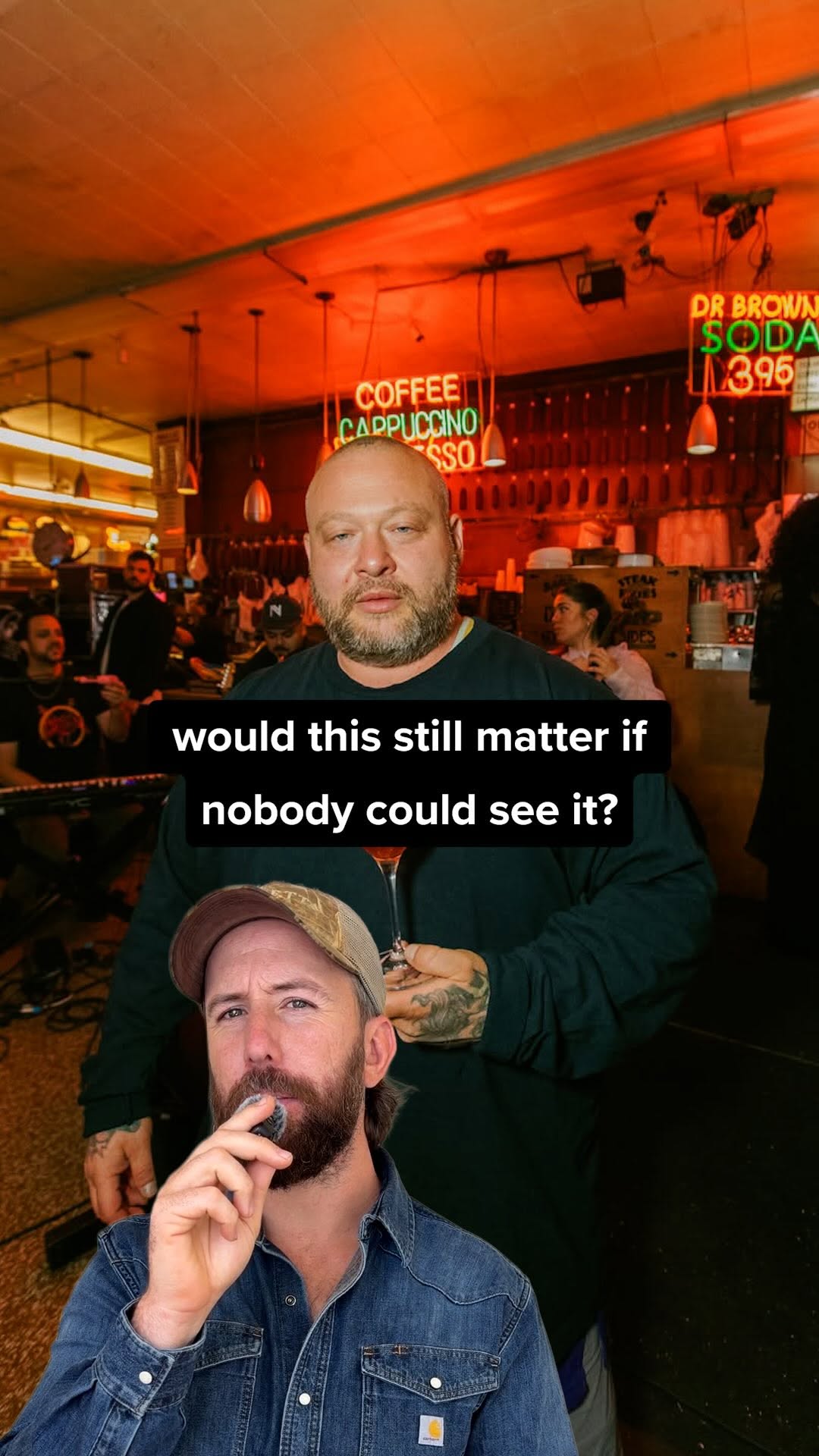 93.1K11.5×Brand philosophy through case study@iamfieldnotes · Case Study Breakdown
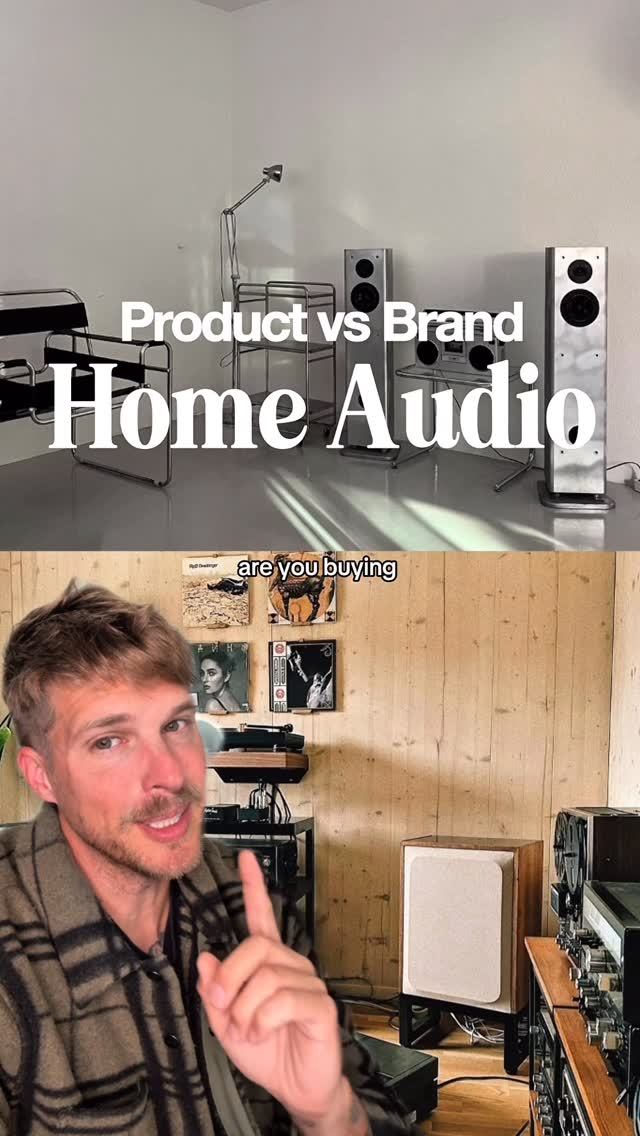 2.3M7.7×Rapid-fire breakdown of home audio brands: product quality vs brand image@orenmeetsworld · Rapid Fire Listicle
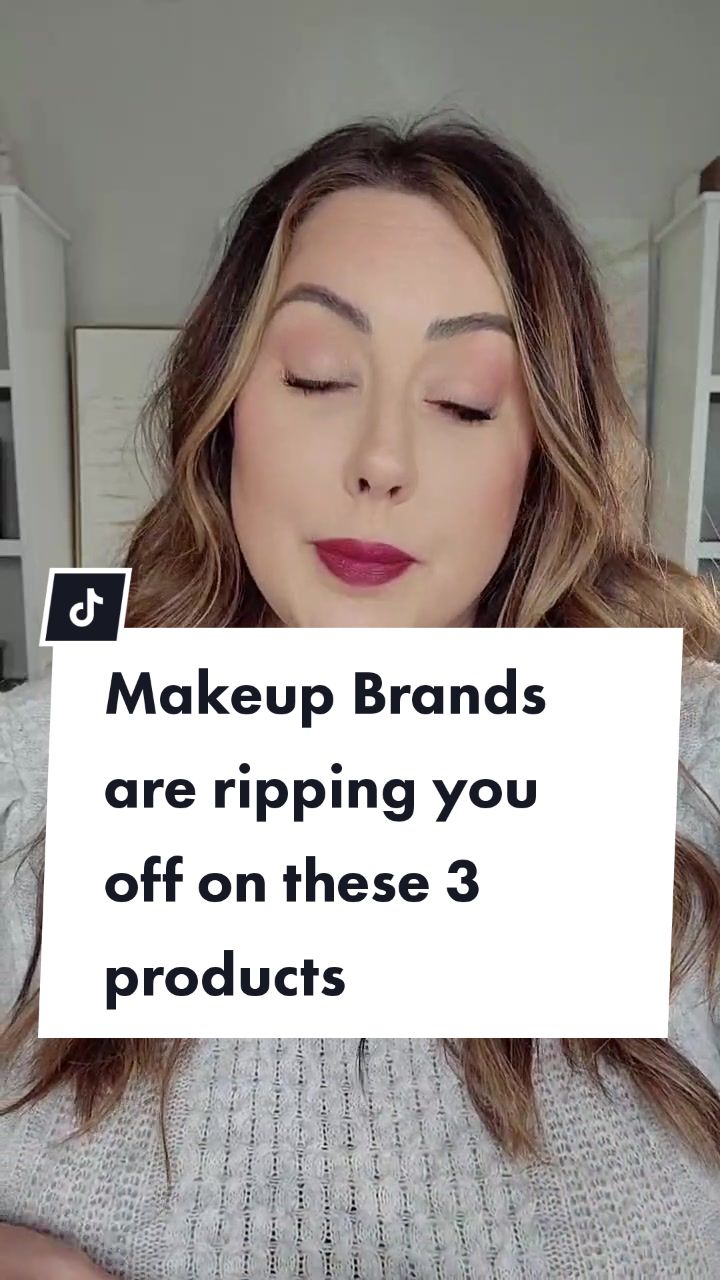 566.6K15×Cosmetic developer explains where drugstore dupes beat high-end makeup@themarlenastell · Anti-Recommendation List
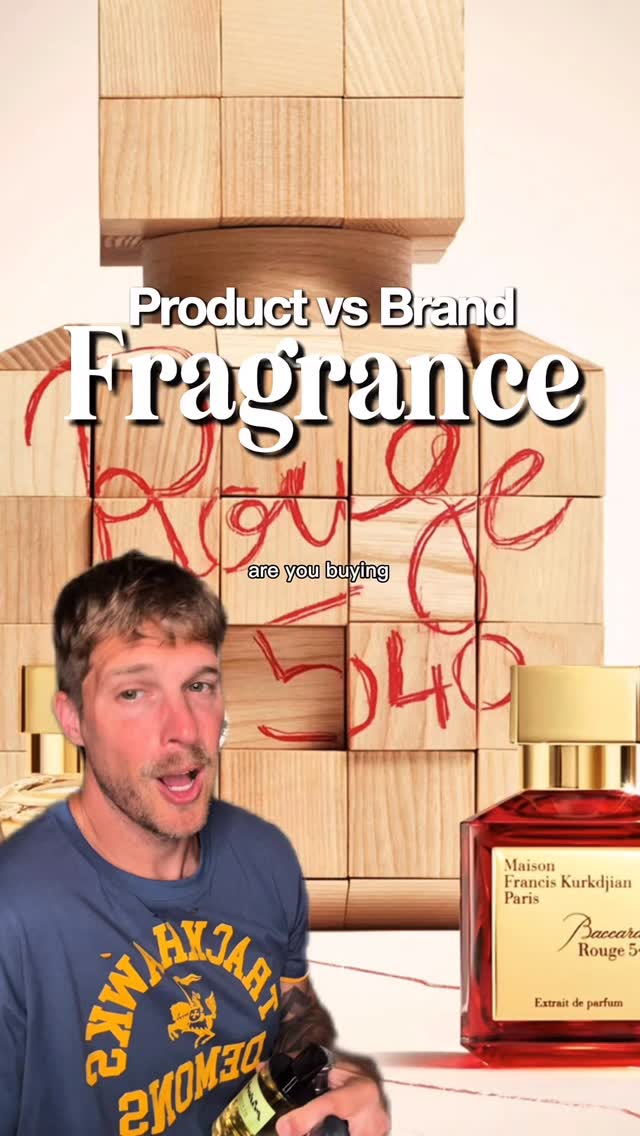 789.1K2.6×Men's fragrance brands rated product vs hype@orenmeetsworld · Rapid Fire Listicle
 2.1M7×Rating popular water bottle brands as product buys or brand buys@orenmeetsworld · Rapid Fire Listicle
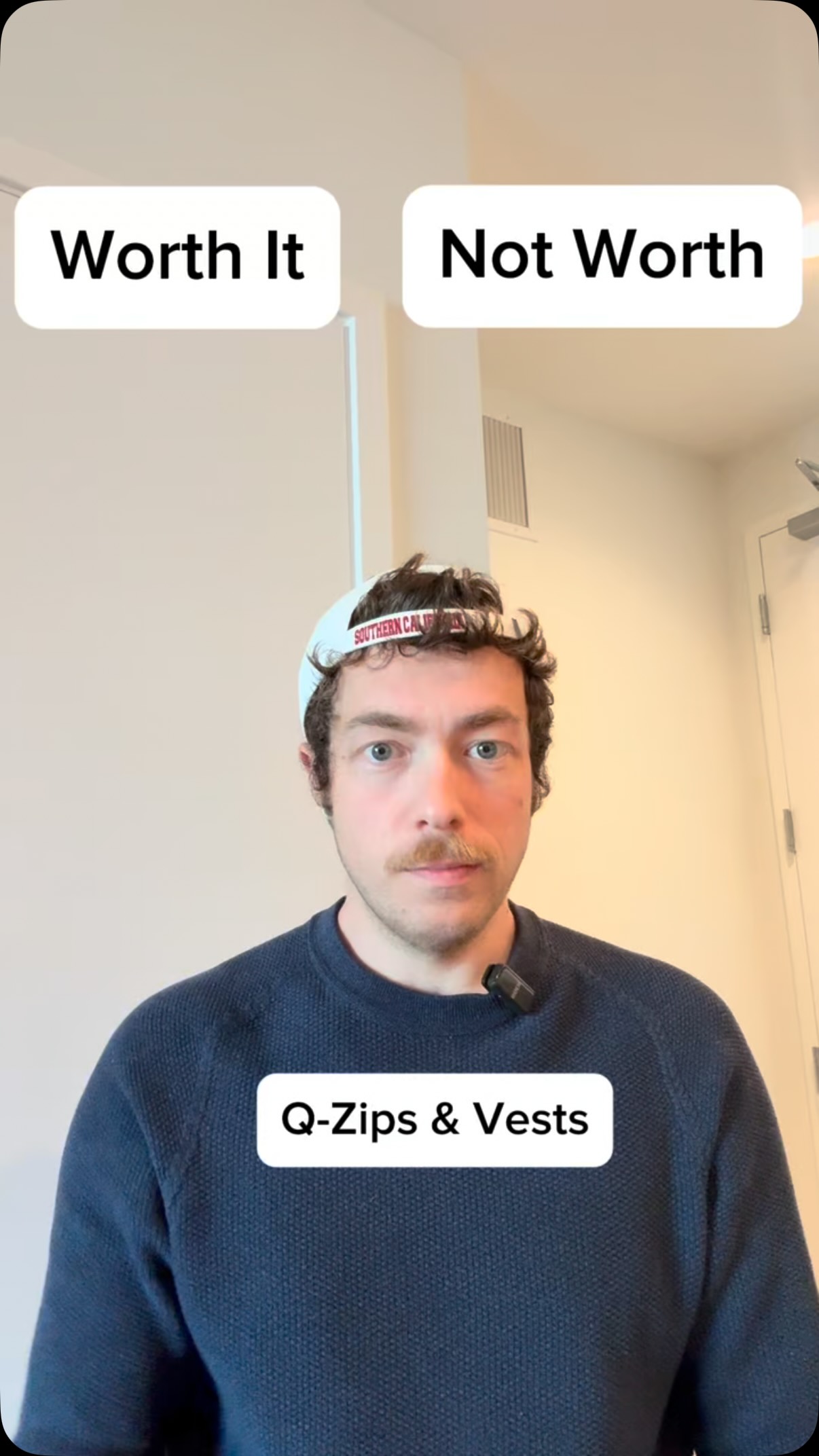 1.5MRapid fire brand worthiness comparison@your_finance_brother · Rapid Fire Listicle
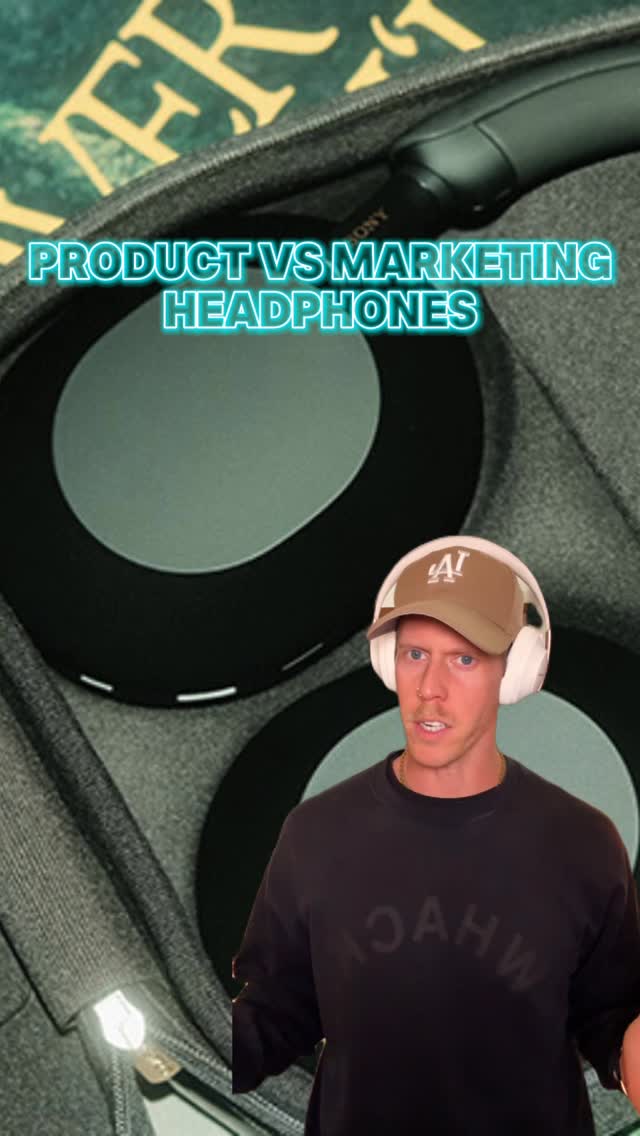 1.9M8.3×Rapid fire product vs marketing reviews@calebulf · Rapid Fire Listicle
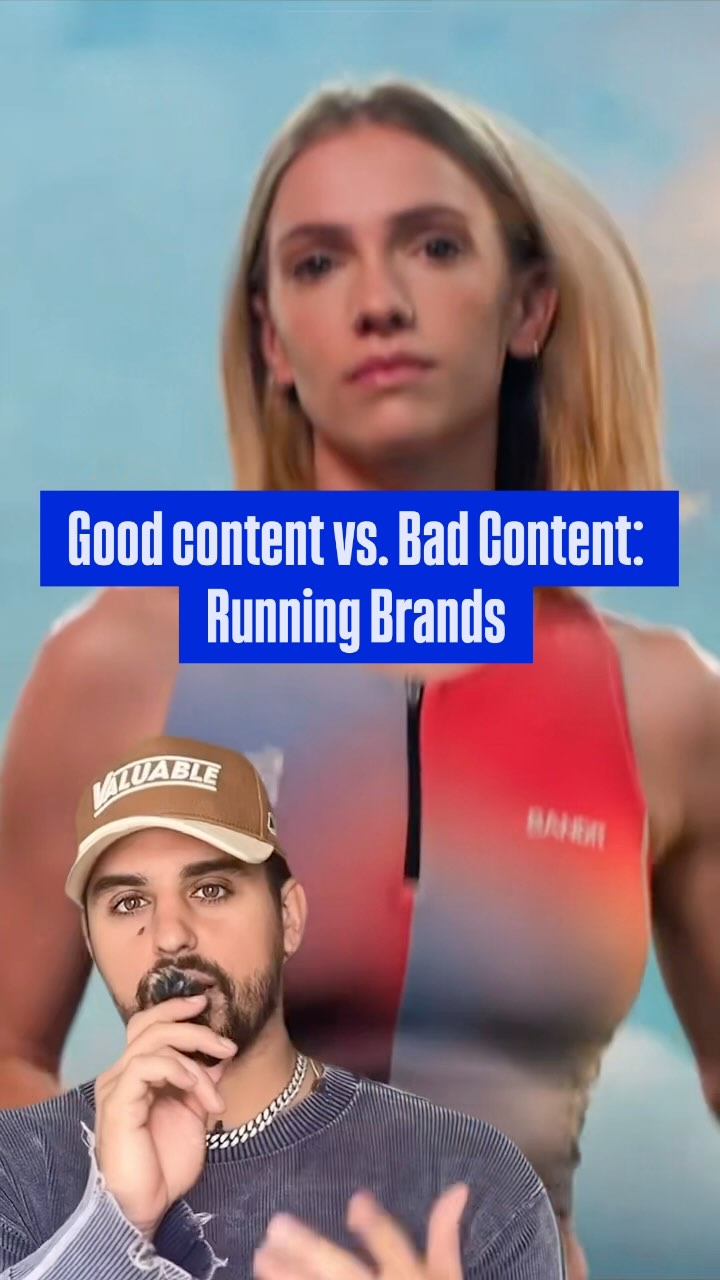 972.1K10.9×Running brands compared on content marketing quality@house.of.ag · Good vs Bad
 2.4M8.1×Espresso machines rated as product vs brand buys@orenmeetsworld · Rapid Fire Listicle
 393.8K4×Question answered with a montage@drinkculturepop · Breakdown
 187.6K3×Demonstrates luxury branding with high-end visuals@house.of.ag · Value Vlog
[04]
[05]
What stops the scroll in the first 3 seconds
Title hook
$2,000
Verbal hook
Okay, so what's the difference between a $2,000 per show DJ and a $50,000 or more per show DJ?
Visual hook
A split-screen format immediately appears, with a speaker in a bright orange jacket on the bottom and dark, red-lit B-roll footage of a DJ performing on the top, creating strong visual contrast.
[07]
The promise the opener makes, and how the video pays it back
Hook
Pose a question that highlights a massive, seemingly illogical value gap between two similar subjects, creating an immediate and powerful curiosity gap.
Payoff
The viewer is equipped with a new, sophisticated framework for understanding value in a given field, feeling as though they've gained insider knowledge and a strategic advantage.
[08]
The structural pattern this video runs on
Framework
The Value Reframe
To explain a significant value difference between two seemingly similar subjects by revealing an underlying, abstract differentiator (like branding or strategy) and then breaking that differentiator down into a series of actionable, strategic questions.
The False Equivalence
Reinforce the paradox by stating that the two subjects are functionally identical on a surface level, making the value gap even more mysterious and the promised answer more valuable.
The Thesis Reveal
Deliver the central thesis by revealing the single, non-obvious differentiator that explains the value gap. This is the core 'secret' the viewer came for.
The Perspective Shift
Instruct the viewer to look beyond the obvious components of the subject and focus on the deeper, strategic foundation that supports the core differentiator.
The Strategic Interrogation
Present a rapid-fire list of probing, abstract questions that the high-value subject has answered. This serves as the practical 'how-to' guide for implementing the thesis.
The Accessibility Bridge
Clarify that the answers to the strategic questions don't need to be overly complex, but can be based on simple, universal themes, making the concept less intimidating and more applicable.
The Narrative Analogy
Offer a powerful, easy-to-understand analogy (e.g., 'think of it as a movie') that encapsulates the entire thesis and gives the viewer a new mental model to apply going forward.
What’s the difference between a $2,000 per show DJ and a $50,000 or more per show DJ?
contextual · beginning
$2,000
contextual · beginning
$50,000+
contextual · beginning
$75000
contextual · beginning
$100000+
informational · middle
freedom
informational · middle
fun
informational · middle
rebellion
informational · middle
escape
informational · middle
confidence
Okay. So what's the difference between a $2,000 per show DJ and a $50,000 or more per show DJ? Both are performing for the same amount of time and essentially doing the same job. So why is it that one gets $2,000 while the other gets $50.75, or even a $100,000 plus? Here's what the 50 k plus DJ understands, but the $2,000 DJ may not. The 50 k plus DJ isn't just curating or releasing music. They're building a brand and a community that people wanna belong to. Before you even look at the music, the content, the visuals, or the tour dates, you have to look at the bigger questions behind the brand. These are some of those big questions. What is the brand's point of view? What is the brand or artist love? What is their taste? What does the brand stand for? What does it stand against? Who are the brand's allies, and who are the brand's villains or foes? And those don't have to be political or overly deep. It can be about freedom, fun, rebellion, escape, confidence, etcetera. And then another big question to answer is if the brand was a movie or an ongoing show, what is the movie or show about? For example, is it about an