@jason_swet
Instagram · Split screen
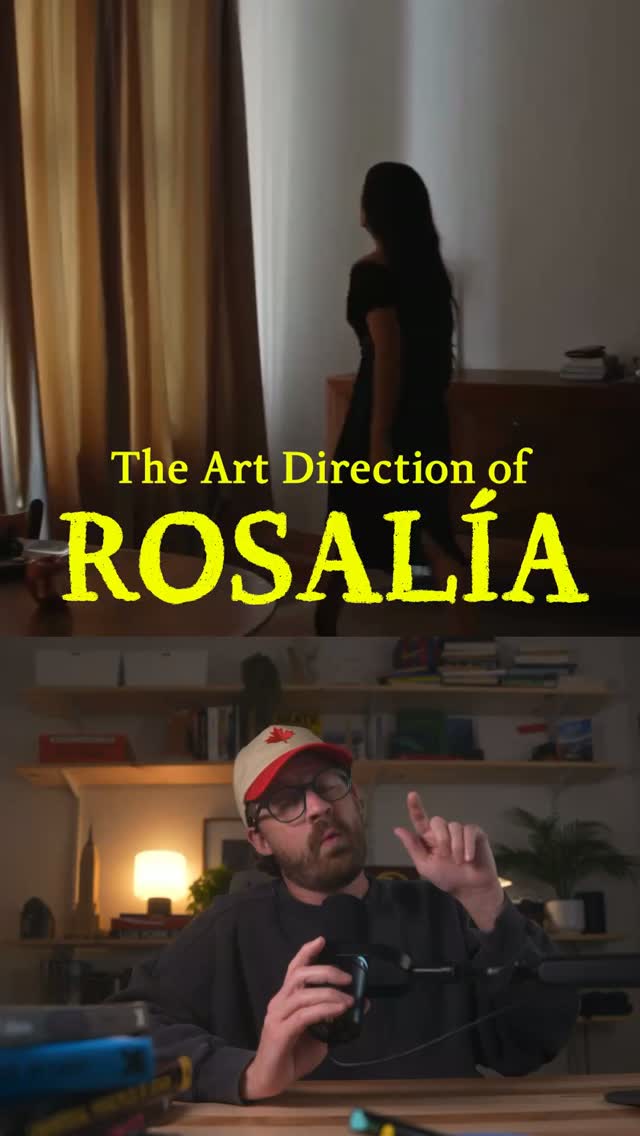
@jason_swet A year later, this music video from Rosalía feels even more relevant. What do we lose when we skip the process?

@jason_swet
Instagram · Split screen
@jason_swet A year later, this music video from Rosalía feels even more relevant. What do we lose when we skip the process?
Performance
Video #49531 · Split screen
[01]
The creator analyzes the art direction of Rosalía's 'Berghain' music video, explaining how it uses the creative principle of contrast by placing an orchestra in mundane settings to personify anxiety. He credits the production team and key creatives, and concludes by playing an interview clip where Rosalía discusses the importance of the creative journey and her preference for human performance over digital loops.
[02]
[03]
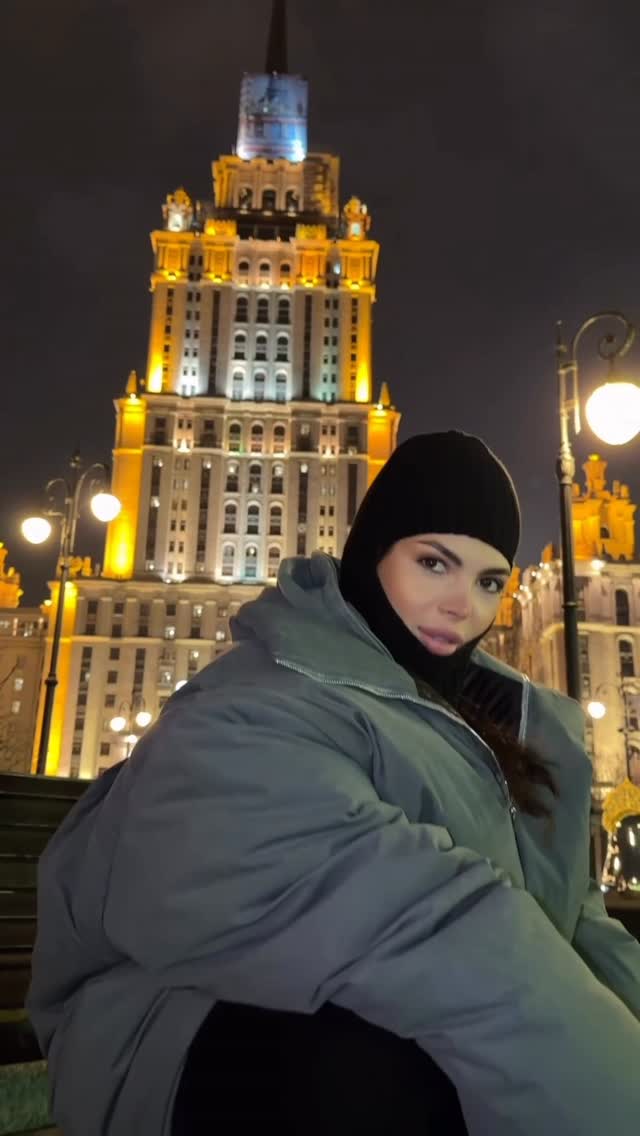 1.9MCreating a cool city vibe@alvuwki · Vibe Showcase
 1.2MSinger's face close-up, small dancer behind@lolayounggg · Live Performance
 1.4MSinger performs song over mannequin@lolayounggg · Live Performance
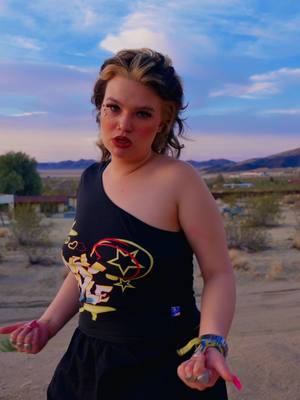 13.7M2.9×Desert music video performance promo@lolayounggg · Product Promo
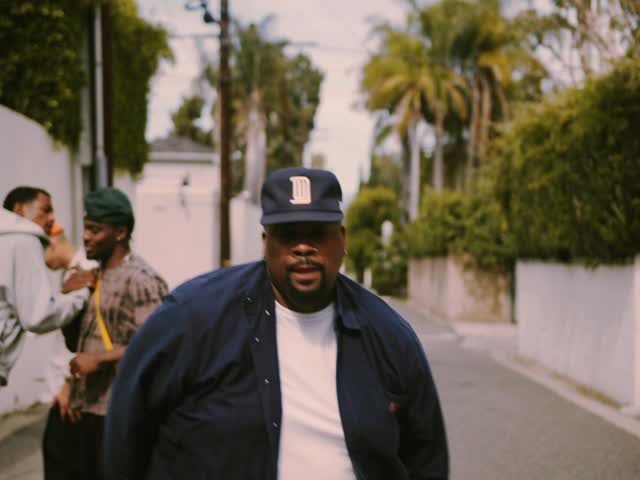 554.2K2.2×Artist performs song around town.@_devontewest · Archetype Performance
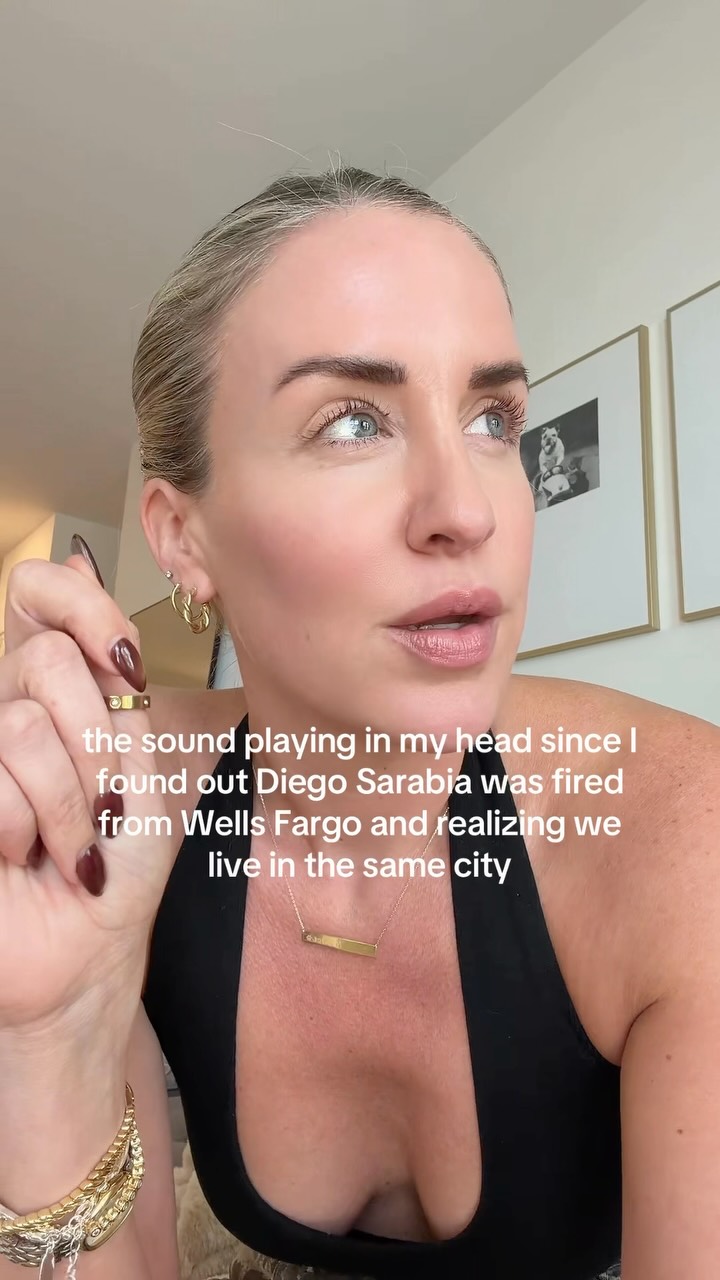 490.4K23.5×Text overlay reaction to news@looo_bear · Relatable One Shot
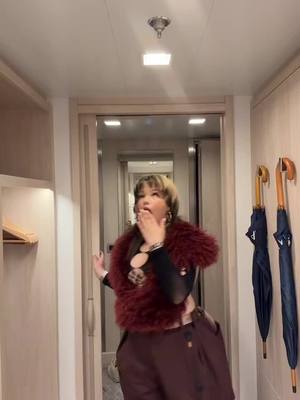 1.6MCreator dances to showcase outfit@lolayounggg · Lifestyle Showcase
 135.1K1.2×Fast-paced lyric video performance@tiffdidwhat
 459.2K66.7×Emotional music video teaser performance@tiffdidwhat · Hype Teaser
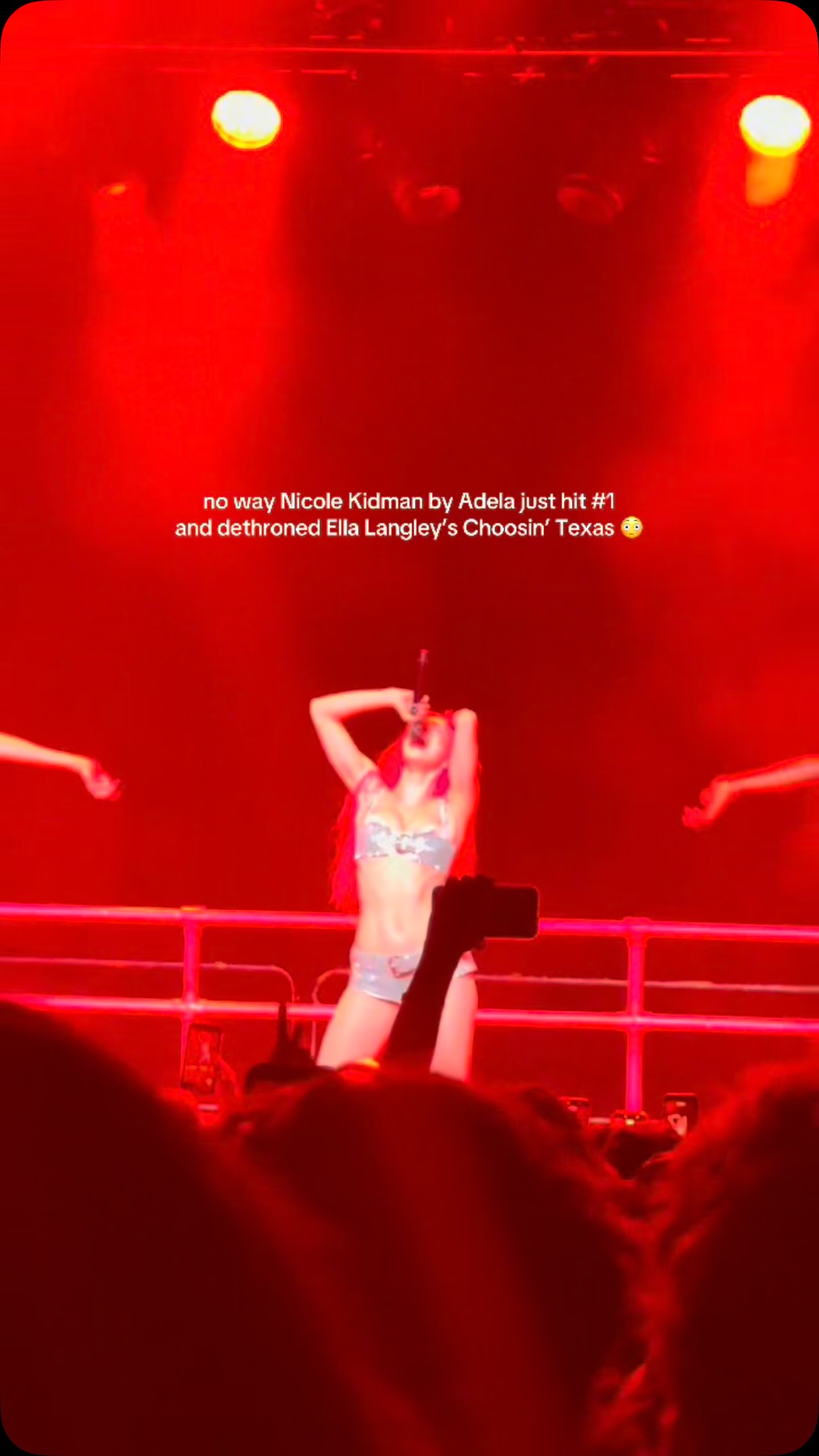 515.2K16.6×Concert clip with fictional headline@stubhub
 256.8K2.1×Red room projected lyric video@tiffdidwhat · Vibe Showcase
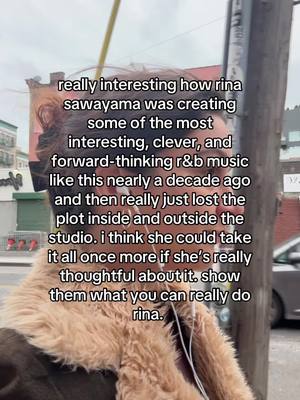 192.7K3.6×Walking selfie with music critique text@l3x1pr0 · Hot Take
[04]
[05]
What stops the scroll in the first 3 seconds
Title hook · 30%
The Art Direction of ROSALÍA
Verbal hook · 65%
One year ago, we all reacted to this music video.
Visual hook · 5%
A split-screen view showing a cinematic, moody shot from a music video on the top half, and the creator speaking directly to camera in a well-lit studio setting on the bottom half.
[06]
Steal this for your own video
ago, we all to this . Here's what nobody noticed.
[07]
The promise the opener makes, and how the video pays it back
Hook
The Time-Bridge Hook: Creates a sense of shared past experience ('One year ago...') while simultaneously promising a future payoff ('Watch 'til the end...'), immediately establishing relevance and incentivizing viewer retention.
Payoff
The Thematic Deepen: Delivers the promised 'insider' content—an interview with the original artist—which reframes the entire technical analysis with a profound, human-centric philosophy. This elevates the video from a simple breakdown to a memorable statement on art and effort, leaving the viewer with a thought-provoking question.
[08]
The structural pattern this video runs on
Framework
The Deconstruct & Deepen Framework
To analyze a specific piece of creative work through a single, powerful conceptual lens, and then elevate the analysis by revealing the original creator's deeper, philosophical intent, transforming a technical breakdown into a meaningful statement on the creative process.
The Case Study Introduction
Clearly identifies the specific piece of media (the 'artifact') that will serve as the subject of the analysis, providing immediate context for the viewer.
The Analytical Framework
Introduces a single, universal principle or concept (e.g., 'contrast') that will be used as the primary lens for deconstructing the artifact. This simplifies the complexity and gives the viewer a clear thesis to follow.
The Evidence Montage
Presents a rapid-fire sequence of visual examples from the artifact that directly support and illustrate the stated analytical framework, providing compelling proof for the thesis.
The Nuance Layer
Expands on the initial analysis by exploring more abstract or sophisticated applications of the core principle, demonstrating a deeper level of expertise and preventing the analysis from feeling superficial.
The Authority Signal
Establishes the narrator's credibility by revealing credentials, insider knowledge, or a personal connection to the subject matter, thereby increasing the audience's trust in the analysis.
The Pivot & Payoff Setup
Signals a transition from the narrator's analysis to the promised final segment, re-engaging the viewer and building anticipation for the climax of the video.
A year later, this music video from Rosalía feels even more relevant. What do we lose when we skip the process?
title · beginning
The Art Direction of ROSALÍA
title · middle
BERGHAIИ
informational · middle
CONTRAST
branding · middle
CANADA
informational · middle
ROSALÍA FT BJÖRK, YVES TUMOR — BERGHAIN Director NICOLAS MENDEZ Executive Producer Victor Mata Producer Maria Rubio Managing Partner Alba Barneda Head of Music Videos Callum Harrison DOP Max Pittner Production Designer Andy Kelly ...
informational · end
Does effort make the output more meaningful?
One year ago, we all reacted to this music video. This is art direction. Watch at the end for an interview clip clip because what she said then is almost more applicable now. Burghein, one of the most exclusive clubs in the world and also Brasilia's latest single and music video. A perfect example of one of the most universal creative principles, contrast. Contrast is about bringing clearly disparate subjects together, whether it's production design, color, photography, cinematography. In this case, we watch as her anxiety is personified by an orchestra, crammed into scenes where they don't belong yes also lit naturally like it's meant to be, high art shoved into the mundane, that's contrast. More literal contrast would emphasize this with color or stark lighting, but contrast can be more abstract. The scene, the subjects themselves create tension when contradictions are forced to live better. Masterfully done by the team at Canada. Yes, a production company based in Barcelona. I actually worked with them on one of my first Tier commercials. Director Nicolas Mendez no founded Canada. I'm assuming most of these visual concepts can be attributed to the combined talent of production designer Andy Kelly, director of photography Max Better, the director, and, of course, Rosalia herself. What are your thoughts on this? Now listen to this. Yeah. Yes. Yes. Yes. Yes. It is no loop in it. It's play... Played. Or the vocals, even if there's, like, a repetition in a melody, still it's sung. There's, like, the conscious decision of not using loops. Humans. Yeah. So it's like, how do I go from point a to point b? How do I, How do I? Instead of from a to b. Next. Yes. No. No. No. No. No. No. No. No. No through the experience as if the experience is the the... The most important is the journey. It's not about getting to... From point a to b. It's no through it. Let yourself go through it.