@qoves
Instagram · Faceless
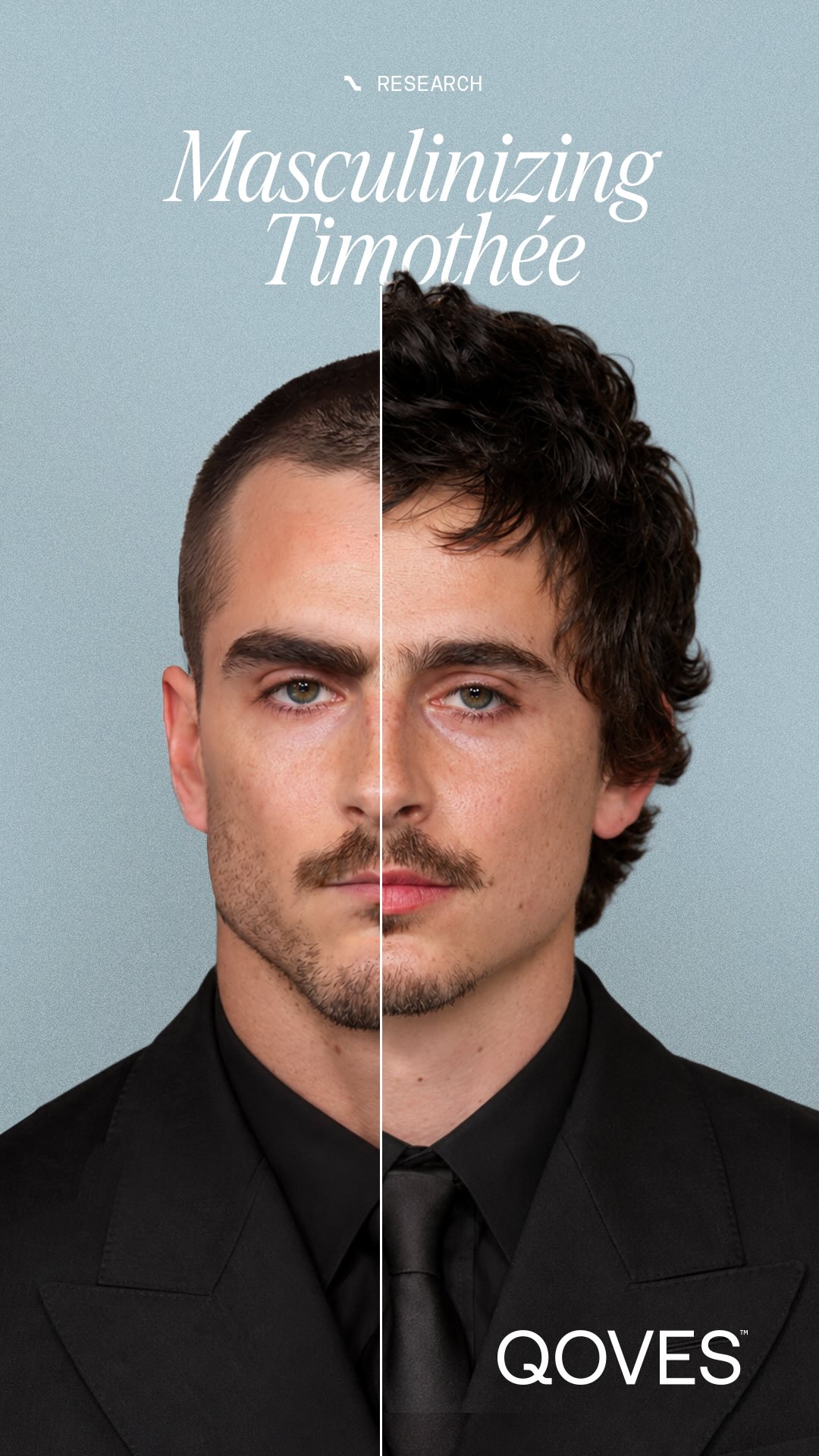
@qoves Masculinizing Chalamet

@qoves
Instagram · Faceless
@qoves Masculinizing Chalamet
Performance
Video #49757 · Faceless
[01]
The creator uses a voiceover and graphic overlays to explain and visually demonstrate how to make actor Timothée Chalamet's face appear more masculine by altering specific features like his eyebrows, lips, jaw, and hairline. After completing the transformation, the creator argues that more masculine doesn't necessarily mean more attractive and asks the audience to vote on their preferred version among the original, a moderate edit, and the fully masculinized one.
[02]
[03]
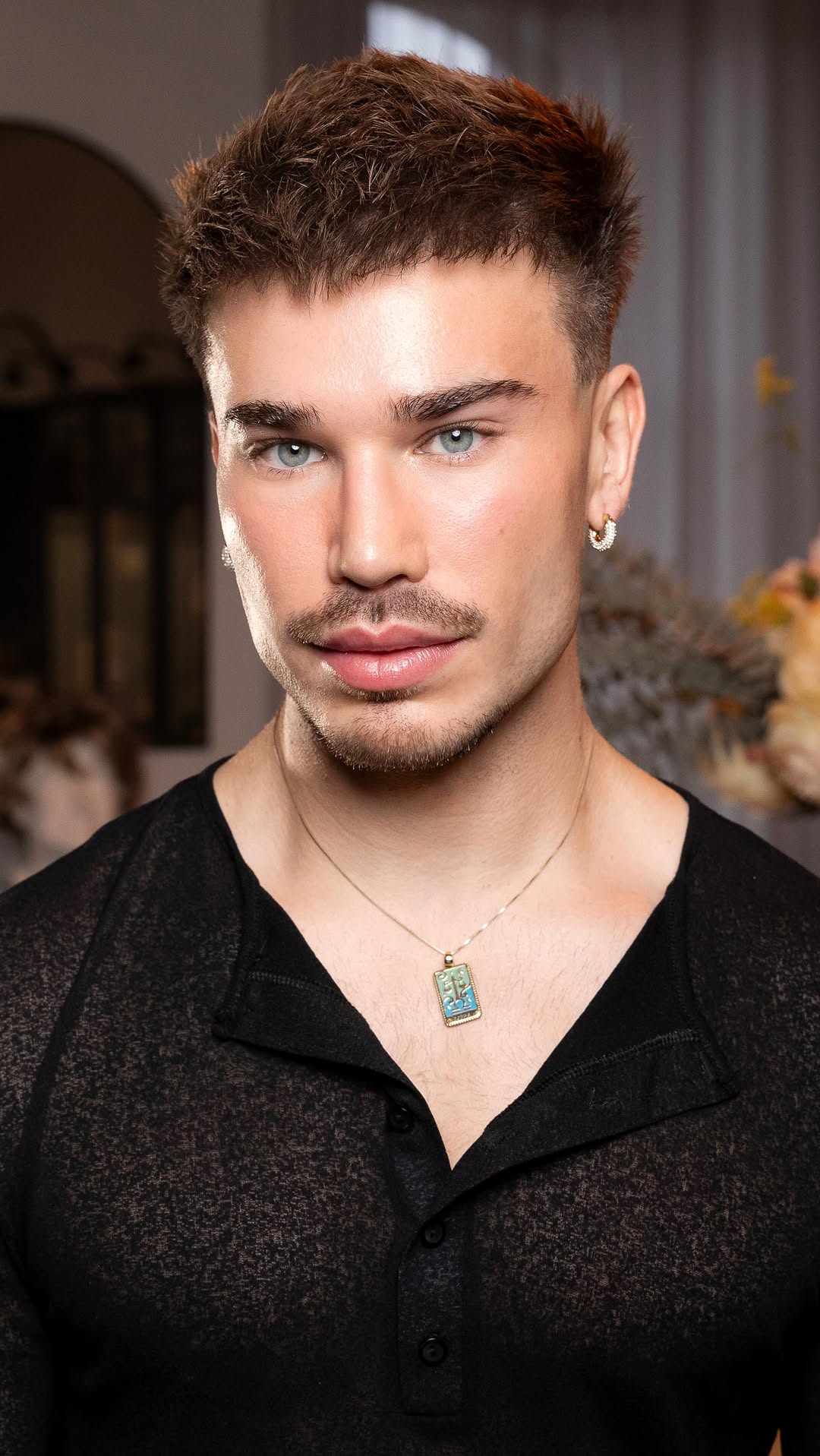 4.7M3×Before and after facial transformation@thealexisstone · Before/After Transformation
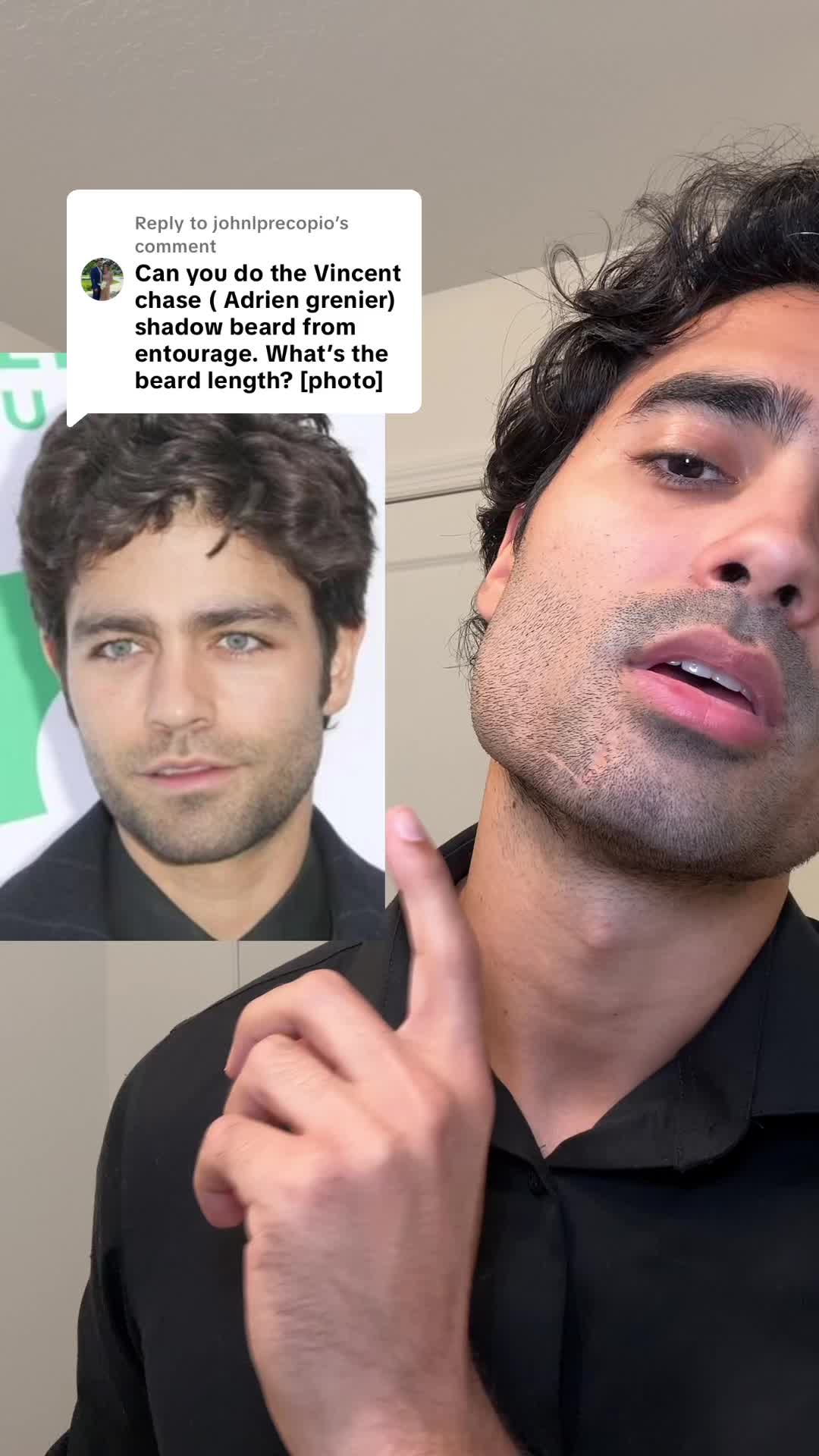 1.9MBeard tutorial to product pitch@andro_diaz · Q&A Response
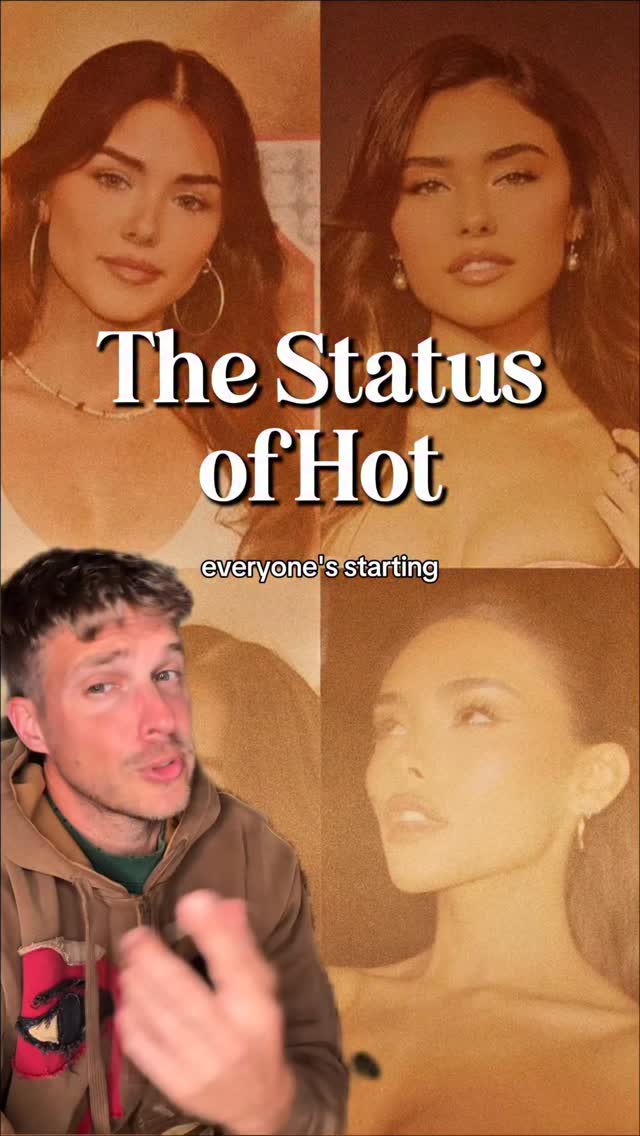 1.1M3.8×Commentary over illustrative B-roll@orenmeetsworld · Breakdown
 2.4MAsian dad makeover tutorial video@annie._.liu · Before/After Transformation
 208.4K2.8×Makeup removal reveals social media reality@naomi_senggg · Before/After Transformation
 4.8M3.8×Before and after beauty transformation@mikaylanogueira · Before/After Transformation
 2.5M2×Dramatic makeup transformation reveal video@brittlestoppppppppp · Before/After Transformation
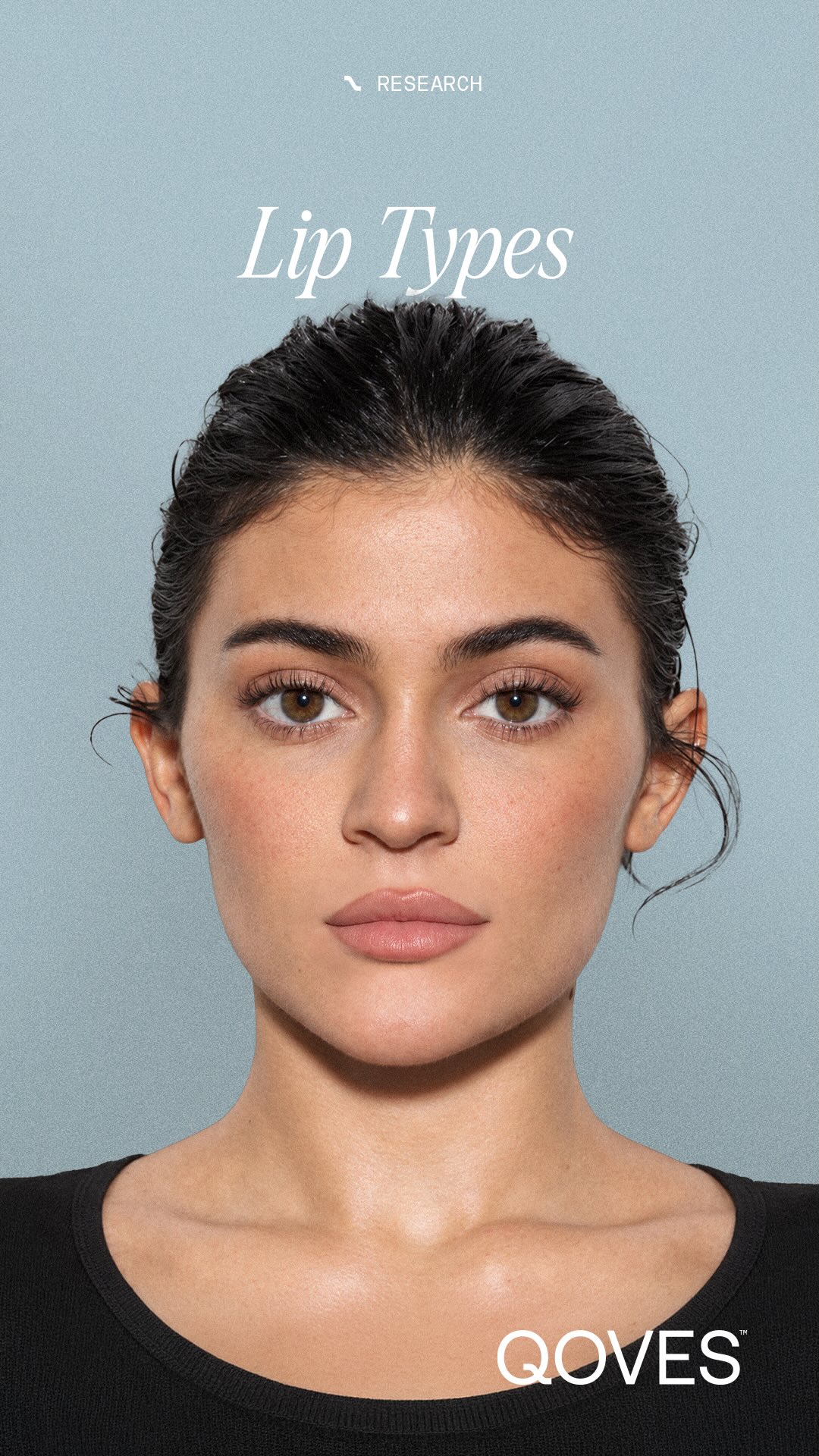 6.2M10.6×Visual guide to different lip shapes@qoves · Breakdown
 2M2230.9×Step-by-step celebrity beard tutorial@andro_diaz · Tutorial / How To
 3.9MCelebrity beard trimming tutorial promo@andro_diaz · Tutorial / How To
 8.6M15.2×Dramatic beauty transformation glow up@mikaylanogueira · Before/After Transformation
 1.3M20.1×Hot take on short hair preference@robert808924 · Hot Take
[04]
[05]
What stops the scroll in the first 3 seconds
Title hook · 35%
Here's what masculinizing Timothée Chalamet looks like.
Verbal hook · 30%
Here's what masculinizing Timothee Chalamet looks like.
Visual hook · 35%
The video opens on a split-screen of Timothée Chalamet's face, with the right side visibly altered to have a shorter haircut and a stronger jawline. This immediate and stark visual contrast creates curiosity and serves as a pattern interrupt.
[06]
Steal this for your own video
Open on a split-screen of the same : the left side untouched, the right side visibly altered with and , so the before-and-after contrast hits before a single word is spoken.
[07]
The promise the opener makes, and how the video pays it back
Hook
A direct statement of the video's transformative premise, accompanied by a 'before and after' split-screen teaser to generate immediate curiosity about the process.
Payoff
The payoff is twofold: first, the visual satisfaction of seeing the completed transformation, and second, the empowerment of being asked to cast a final judgment, which drives engagement.
[08]
The structural pattern this video runs on
Framework
The Transformation & Reframe
To deconstruct a subject by applying a series of systematic modifications based on a specific theme (e.g., 'masculinizing,' 'modernizing,' 'simplifying'), and then reframe the result by questioning the inherent value of the transformation, ultimately prompting the audience for their preference.
The Thematic Modification Cycle
A repeating sequence where individual components of the subject are isolated, altered according to the theme, and justified with authoritative reasoning. This cycle is repeated for multiple components (e.g., eyebrows, lips, jaw, hair), systematically building the final transformed version.
The Counter-Thesis
After completing the transformation, a critical counterpoint is introduced that questions or adds nuance to the initial premise (e.g., 'More X doesn't necessarily mean better'). This subverts viewer expectations and validates alternative perspectives.
The Interactive Verdict
The final beat presents multiple versions of the subject (original, transformed, and sometimes a moderate option) and issues a direct call-to-action, asking the audience to choose their preferred version and comment.
Masculinizing Chalamet
title · beginning
Here's what masculinizing Timothée Chalamet looks like.
contextual · middle
STUBBLE
contextual · middle
HAIR
contextual · middle
LIPS
contextual · middle
EYEBROWS
contextual · middle
JAW & NECK
contextual · middle
TIMOTHÉE CHALAMET AMERICAN-FRENCH ACTOR
informational · middle
M-SHAPED HAIRLINE
informational · end
More masculine ≠ More attractive
contextual · end
MORE MASCULINE
contextual · end
ORIGINAL
call-to-action · end
Which version do you prefer ?
contextual · end
MODERATE
Here's what masculinizing Timothee Chalamet looks like. Thicker, lower brows would sit closer to the eyes and more projection along the brow ridge would better them deeper. Slightly thinner lips that are closer in tone to his skin color would lower his facial contrast, which reads as more masculine. A wider face and a thicker neck would give his features a sturdier base. A taller, square chin and denser stubble good add weight to the lower face and make the jaw look larger. Shorter hair and a slightly higher M shaped hairline good push it even further, mirroring the mature hairline that most men develop as they age. But more masculine doesn't necessarily mean more attractive. Research on men's faces tends to favor moderate rather than maximal masculinity. Comment which version you prefer down below.