The creator provides an in-depth review of the film 'The Place Beyond the Pines,' praising its aesthetics, music, and performances before pivoting to a deeply personal reflection on its themes of fatherhood, inheritance, and determinism, explaining how his own experiences as a child of divorce and now a father of three make the film resonate profoundly with him at age 42.
Post caption
Some films stay with you. The Place Beyond the Pines is one of mine.
Easily in my top five. Criminally underrated, beautifully shot, an extraordinary cast, and one of my favourite soundtracks.
I loved it when I first watched it, but at 42, with three kids of my own, its exploration of fatherhood, inheritance, guilt and the consequences of our choices hits very differently.
The film hasn’t changed. I have.
#ThePlaceBeyondThePines #RyanGosling #FilmLovers #Cinema #Fatherhood
Transcript
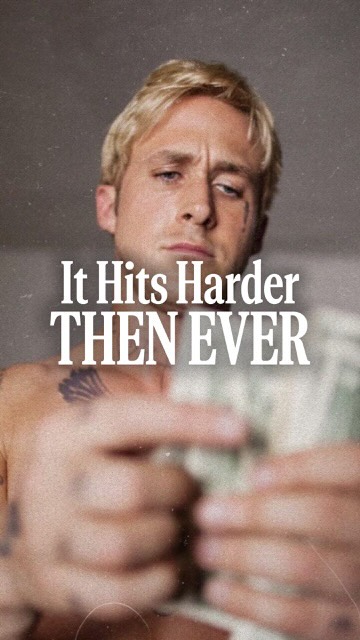
The Place Beyond the Pines is easily one of my top five films. When I first watched it, I loved it for all the obvious reasons. Ryan Gosling looks cool as hell, the bleached hair, tattoos inside out, Metallica tier shirt, the dirt bike, that whole grimy, faded Americana aesthetic. The music is phenomenal. Mike Patton's score is haunting. The use of Ava Parton and Bonniverse, The Wolves at the very end. And there really isn't a bad performance in the film. Eva Mendes, Dane DeHaan, Rank Liotta is terrifying. And I genuinely think it might be Bradley Cooper's best performance of his career. The whole film is criminally underrated. Structurally, it's super ambitious too. It's basically two movies in one. You become invested in one story and halfway through, it changes gears and asks you to follow another. Somehow, both are perfectly paced. But the thing connecting them is why I love this film. It's ultimately about fathers and sons, the sins of the father, inheritance, momentum, and really, determinism. How much of our lives are actually ours and how much was set in motion by people who came before us. And it doesn't give you a simple story about good fathers and bad fathers. Luke is reckless and impulsive, but so much of what he does comes from a desperate desire to be a father, to provide for his son, and to be there. But Jason ultimately grows up without him. Avery is almost the inverse. He's there. He's successful. He provides, but he's carrying enormous guilt about what happened with Luke and builds a successful life partly out of that event. And his son, AJ, is arguably even more lost. Presence isn't the same thing as fatherhood. Both boys inherit something their fathers couldn't resolve. And that hits me much harder now. I'm a child divorce. I grew up on the other side of the wall from my dad. I had a stepfather growing up. Now I'm a father myself with three kids including two young boys. So this film hits me differently at 42 because that's the thing about families. Decisions echo. Absence echoes. Presence echoes. Something understandable to one generation can become a defining event in the life of the next. Your children inherit circumstances they bad no hand in creating, but they aren't necessarily condemned to repeat them. That's the tension running through the film, determinism versus free will. How much momentum do our fathers give worse, and can we change direction? There's also this beautiful piece of real life behind it. Ryan Gosling and Eva Mendez fell in love making the film. Gosling later talked about how they were pretending to be a family, and eventually, he realized he didn't wanna pretend anymore. And then there's the ending. Jason buys the motorbike and rides away, echoing a father he barely knew. He's carrying something of Luke with him, but he's going somewhere new. And just as he rides away, Boniface, the wolves come in. What an ending. Anyway, the film has always meant a lot to me. It's just the why that's evolved. No, I'm 42. I'm a father. I've lived a lot more life, and those ideas about fathers and sons, presence and absence, and things our children inherit from us, they best, they hit a hell of a lot harder now.