@natbco An update for travelers:
As the longest shutdown in U.S. history continues, transportation officials have been warning travelers to expect delays at airports while essential workers go without pay. Air traffic controllers and Transportation Security Administration officers have been working under duress, but staffing shortages have caused only sporadic spikes in flight disruptions. In an unprecedented move, Transportation Secretary Sean P. Duffy said that starting Friday, the Trump administration will reduce flight traffic by 10 percent in 40 “high traffic” markets.
What does that mean for travelers? To read our full story on the @washingtonpost, comment with a newspaper emoji 🗞️ and I will DM you the link.
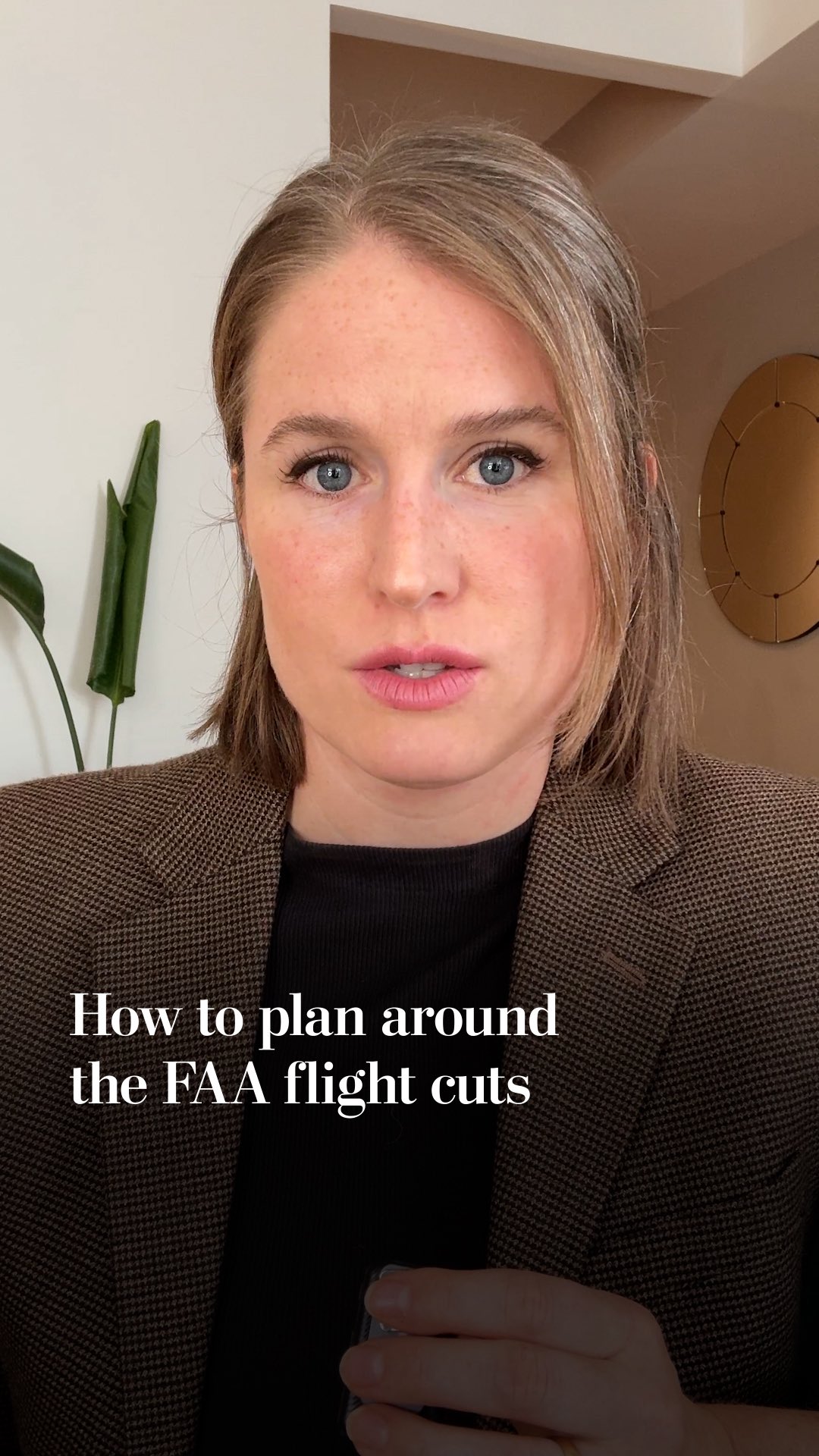
The creator, a travel reporter, explains the implications of upcoming FAA flight cuts, showing a list of affected airports. She then provides a structured guide for travelers, advising them to wait for confirmation before changing plans, outlining their right to a full refund for canceled flights, and suggesting they check with airlines for increased flexibility. The video concludes with proactive tips like downloading airline apps, signing up for alerts, and making a backup plan, emphasizing the need to act quickly if a flight is canceled.
Starting November 7th, the Trump administration will reduce flight traffic by 10% in 40 high traffic markets.
Visual hook · 5%
A medium shot of a speaker addressing the camera directly, with a large, bold title overlay appearing immediately to establish the video's topic and value proposition.
[07]
Hook and payoff
The promise the opener makes, and how the video pays it back
Hook
A 'Breaking News' style announcement of a specific, time-sensitive problem, supported by a visual overlay from an authoritative source to establish immediate credibility.
Payoff
The Urgency Driver: Conclude with a final warning that reinforces the need for swift action, framing the entire video as essential, time-sensitive intelligence.
[08]
Narrative framework
The structural pattern this video runs on
Framework
The Urgent Advisory Blueprint
To rapidly inform an audience about a developing problem, manage their initial reaction, and equip them with a clear, tiered action plan to navigate the situation, culminating in a final call to action that emphasizes speed.
1
The News Flash
State the core problem with specific, impactful data (dates, percentages, names) to create immediate relevance and urgency.
2
The Impact Map
Provide visual evidence (e.g., a list) that demonstrates the scale and scope of the problem, making it feel more tangible and personal to the viewer.
3
The Counter-Signal
Introduce a mitigating or contradictory piece of information from an official source. This manages panic while adding a layer of complexity that requires further explanation, thus holding attention.
4
The First Directive
Offer the simplest, lowest-effort piece of advice for those immediately affected, often a 'wait and see' approach to prevent premature action.
5
The Empowerment Clause
Inform the audience of a specific right, rule, or entitlement they possess in this situation, shifting their perspective from victim to empowered actor.
6
The Hidden Advantage
Reveal an unexpected positive aspect or loophole that offers an alternative solution or added flexibility.
7
The Preparedness Protocol
Deliver a clear, multi-step checklist of proactive measures the audience should take to protect themselves and stay informed.
Themes
Travel advice
News update
Consumer rights
Preparedness
Techniques
Direct address
Information overlay
Expert advice
Post caption
An update for travelers:
As the longest shutdown in U.S. history continues, transportation officials have been warning travelers to expect delays at airports while essential workers go without pay. Air traffic controllers and Transportation Security Administration officers have been working under duress, but staffing shortages have caused only sporadic spikes in flight disruptions. In an unprecedented move, Transportation Secretary Sean P. Duffy said that starting Friday, the Trump administration will reduce flight traffic by 10 percent in 40 “high traffic” markets.
What does that mean for travelers? To read our full story on the @washingtonpost, comment with a newspaper emoji 🗞️ and I will DM you the link.
Text overlays
title · beginning
How to plan around the FAA flight cuts
informational · beginning
How FAA flight cuts could affect your travel plans during the shutdown
What to expect at the airport after the Trump administration reduces flight traffic by 10 percent.
contextual · beginning
Natalie Compton
TRAVEL REPORTER
title · beginning
AIRPORTS IMPACTED BY THE SHUTDOWN
informational · middle
Will I get a refund if my flight is canceled?
If the airline cancels or significantly delays your flight — meaning delayed more than three hours for a domestic trip or six hours for international — you are owed a full refund if you choose not to travel.
informational · end
In the meantime, he recommends downloading your airline's app, turning on notifications, signing up for your airline's test alerts and keeping your eye on your email for any updates on your flight.
informational · end
How should I rebook a canceled flight?
Keyes said if your flight does get canceled, "that's like a starting gun for a race."
"If you get yourself rebooked faster than the next person, then you win and your and your trip is saved," he said. "If you're slower than the next person, unfortunately, your trip might be off."
Transcript
Starting November 7, the Trump administration will reduce flight traffic by 10% in 40 high traffic markets. Airports across the country will face cuts. However, airlines are saying that the vast majority of travelers will not be impacted. If you have an upcoming flight, wait to see if it's been impacted before making any changes. If it does get canceled and you don't like your rebooking options, you are entitled to a full refund if you choose not to fly. Many airlines are now offering increased flexibility if you would like to change your plans, even if you have a basic economy ticket. It's a good idea to check directly with your airline to see what they're offering. In the meantime, the airline experts that I spoke to said you should download your airline's app, make sure you're signed up for text alerts and notifications, Watch for any emails about changes, and make a backup plan in case your flight does get canceled. There will be more competition for rebooking your flight, so the sooner you make a decision, the better.
Explaining news with actionable tips | Viral Hooks