@historyofparks
Instagram · Carousel
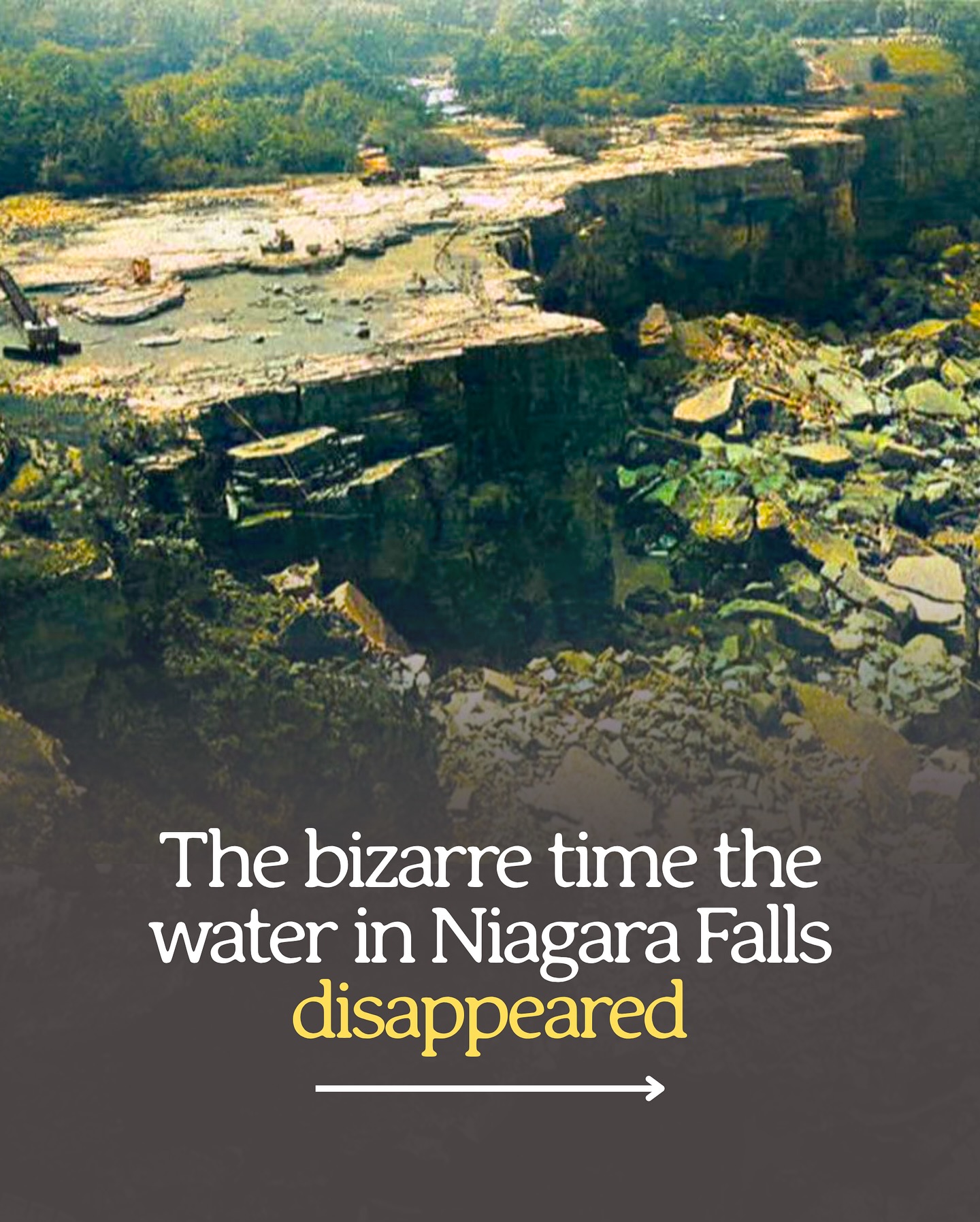
@historyofparks 👀 Did you know about this? In 1969, the U.S. Army Corps of Engineers did something incredible: they turned off American Falls. The goal wasn’t spectacle…it was science. Decades of erosion and rockfalls had built up a massive talus at the base, and engineers wanted to study it. They built a temporary cofferdam upstream, diverting 76,000 gallons per second around the 11-story drop. The result? One of the most unusual sights in US history: a bare cliff where water had roared for thousands of years. On the first weekend alone, 100,000 people came to see the Falls dry. Without water, American Falls wasn’t the majestic torrent people expected. It was simply a rocky cliff, revealing limestone, shale, and the boulder pile below. The dry cliff revealed two bodies long lost to the falls, along with small artifacts from past centuries. Visitors saw a side of nature usually hidden behind the water. Niagara Falls isn’t just a waterfall. It’s history in motion. Formed about 12,000 years ago, it drew awe from early visitors like Samuel de Champlain, Alexis de Tocqueville, and Charles Dickens. By the late 1800s, humans began controlling the water, building hydroelectric plants and shaping the falls for tourism. After the study, engineers left the boulders alone, removed the cofferdam, and restored the water. Today, this event reminds us that even the most famous natural wonders can be paused, studied, and managed…but their full spectacle only returns when the water flows. #nationalparks #niagarafalls #history #archeology #historyofparks #nationalparksguide