@grillguy
Instagram · Yap
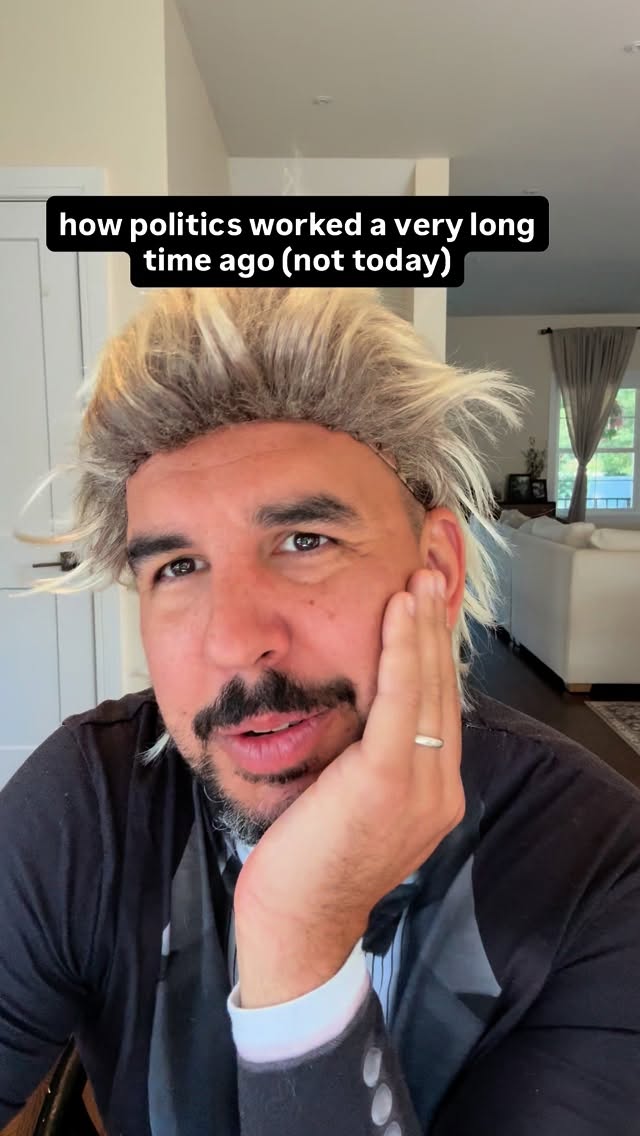
@grillguy This is a post about how politics USED to work. It’s clearly not about today. So you don’t have to argue in the comments.

@grillguy
Instagram · Yap
@grillguy This is a post about how politics USED to work. It’s clearly not about today. So you don’t have to argue in the comments.
Performance
Video #8487 · Yap
[01]
A creator, dressed in a comedic costume with a messy wig and tuxedo t-shirt, performs a satirical monologue. He begins by stating that many people are now saying they want a dictator, then cycles through feigned reluctance and comedic rationalization, arguing that while he doesn't want to be a dictator, if someone had to be one, it should be him because he is a 'smart man.'
[02]
[03]
 3M310.6×Comedic monologue twisting common sayings@couldbaret
 1.1M75.9×Comedic monologue with twisted sayings@couldbaret · Satirical Expertise
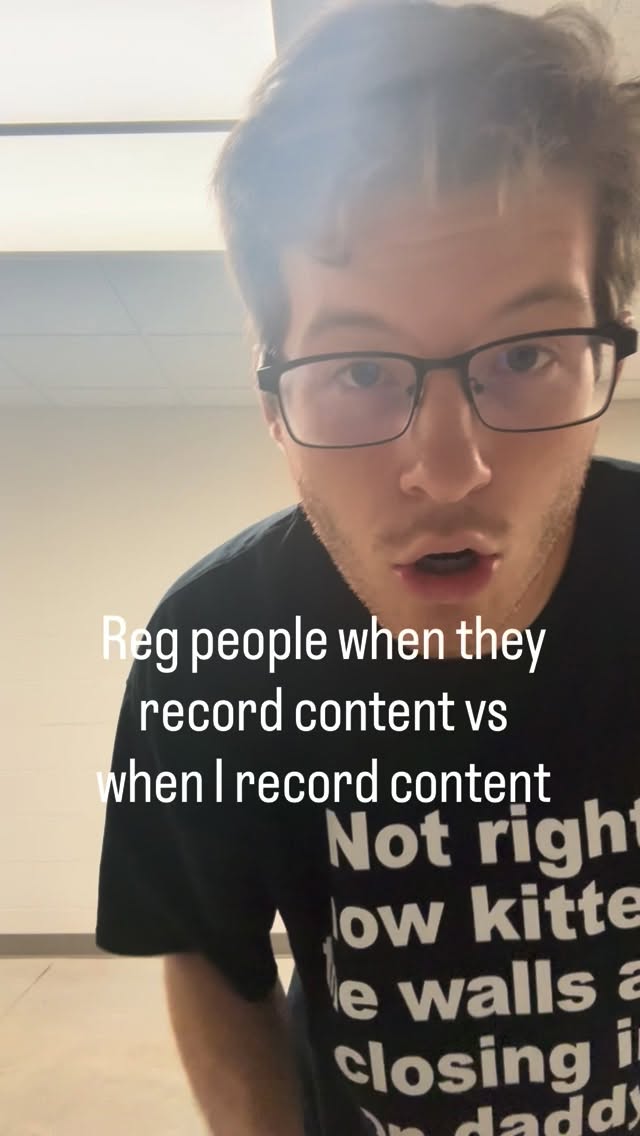 106K15.7×Comparing normal vs chaotic content creation@briarcochran · Satirical Expertise
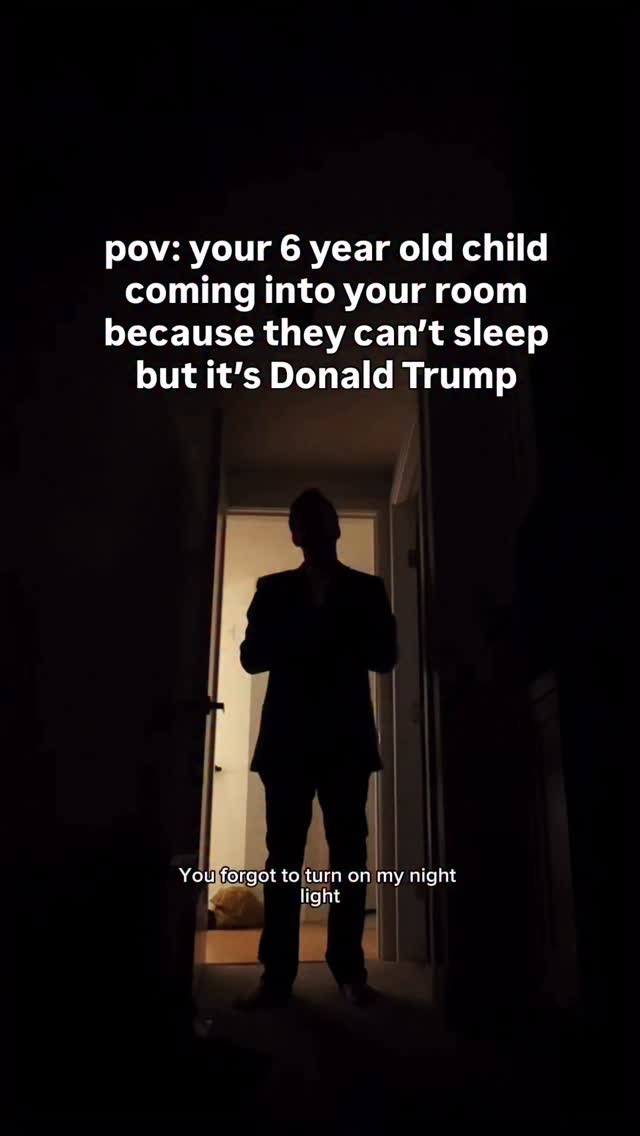 3M2.5×Trump impression as scared child@dangerbean_55 · Character Impersonation
 633.7K5.5×Character skit satirizing flashy fashion@_devontewest · Skit
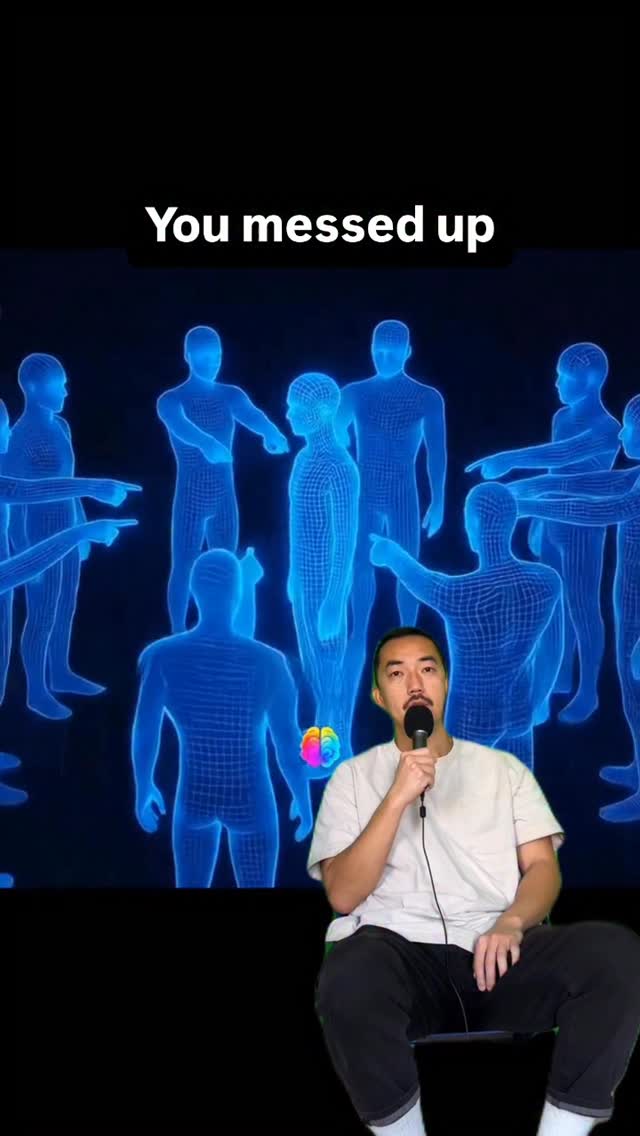 335.7KCreator narrates your social failure@realdanyang · Fourth Wall Break
 1.9M1409.8×Comedic skit on racial allegiance@bryan__pierre · Skit
 700.9K6.3×Relatable skit about fresh outfits@_devontewest · Relatable Skit
 1.5M188.1×Comedic monologue defending his friends@couldbaret · Cultural Rant
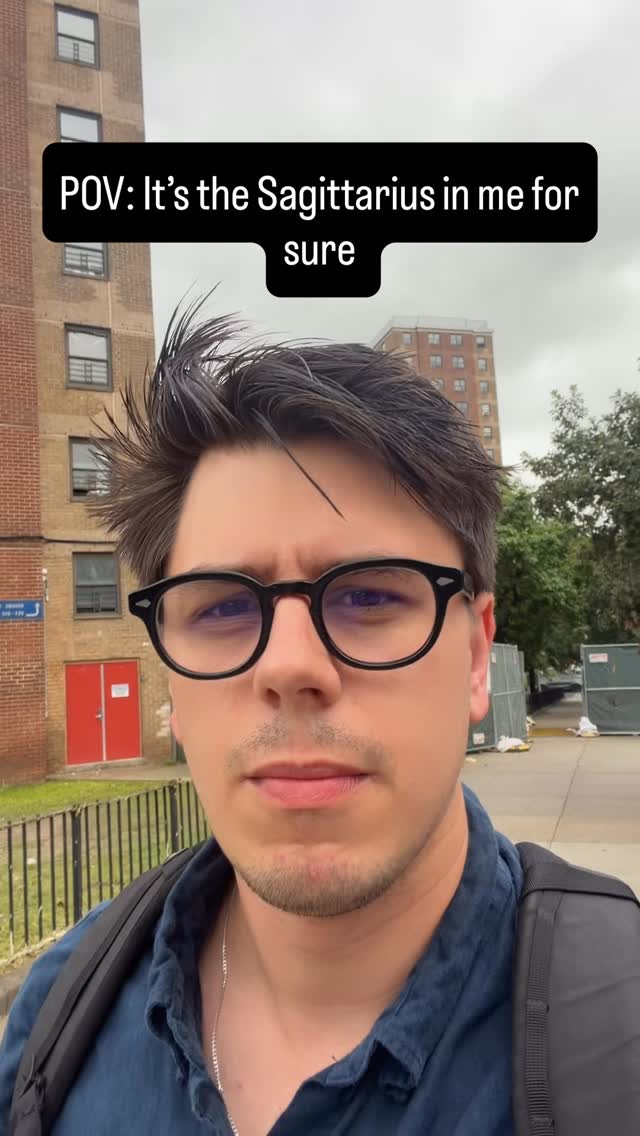 1.3M55.1×Blaming astrology for chaotic thoughts@ethanareynolds · Skit
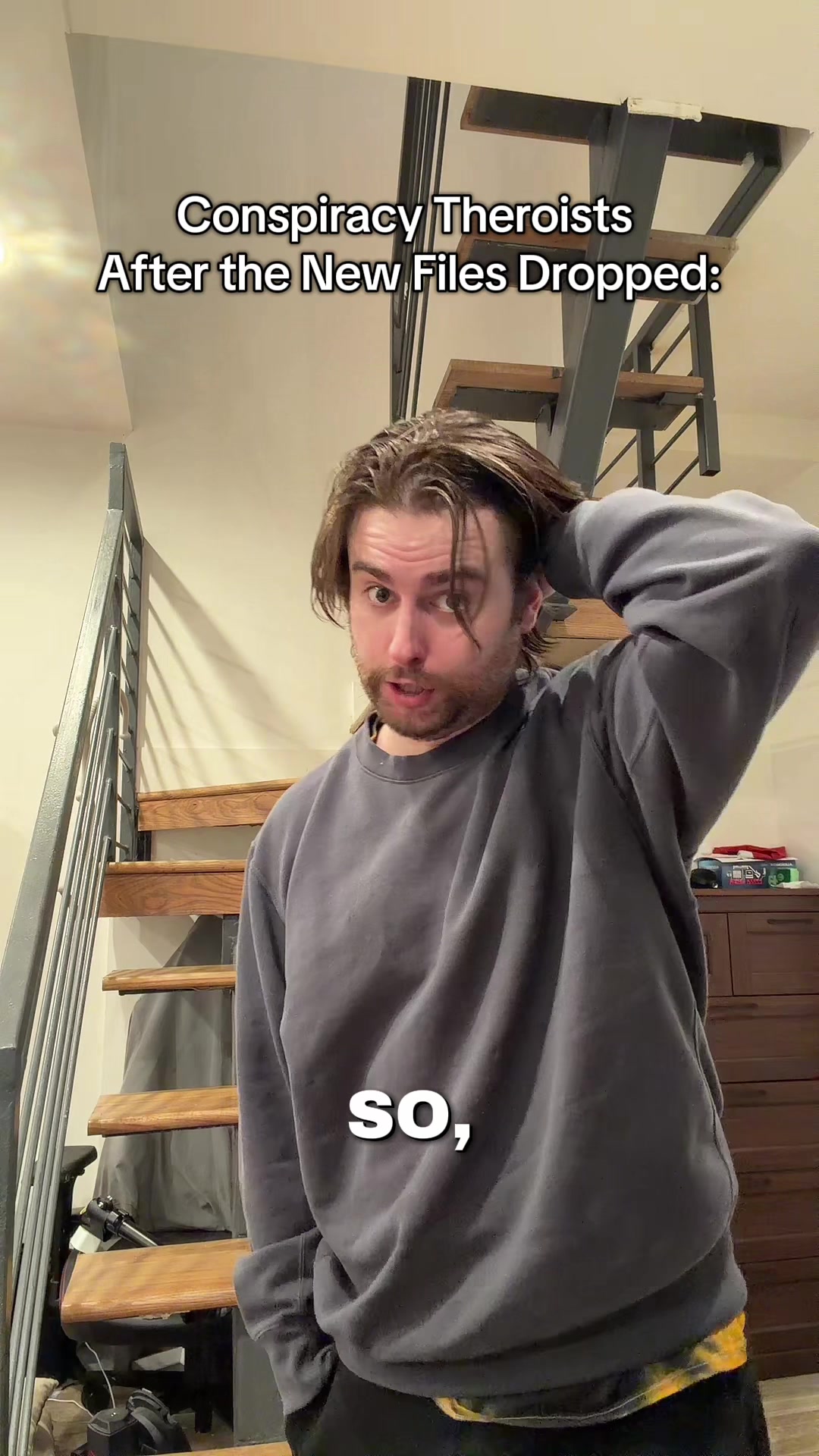 10.2M43.1×Comedic POV about proven conspiracies@bigtugg · Archetype Performance
 2.9M2×Comedic skit with costumed character@hectornavarretee · Character Impersonation
[04]
[05]
What stops the scroll in the first 3 seconds
Title hook · 25%
how politics worked a very long time ago (not today)
Verbal hook · 60%
But a lot of people at this point are saying they want a dictator.
Visual hook · 15%
A man wearing a messy blonde wig and a tuxedo t-shirt, creating an absurd and attention-grabbing character.
[06]
Steal this for your own video
A lot of are saying they want —and honestly, I get it.
[07]
The promise the opener makes, and how the video pays it back
Hook
Introduce a surprising and slightly alarming societal trend that the audience may have noticed or will find provocative.
Payoff
The Contradictory Retraction: Immediately walk back the self-nomination in a flustered or self-deprecating way, resolving the comedic tension by returning to the original stance of rejection.
[08]
The structural pattern this video runs on
Framework
The Reluctant Candidate
Presenting a controversial or undesirable trend, personally rejecting it, and then humorously arguing why the speaker is the only person qualified to lead it if it were to happen, before ultimately backing down.
The Provocative Observation
State the trend as a fact, emphasizing its growing popularity to establish the premise.
The Personal Denial
Immediately and humorously distance oneself from the trend, expressing personal opposition or disbelief to create a relatable position.
The Problem Amplification
Reiterate the trend's prevalence and connect it to the rejection of a core, positive value, thereby raising the stakes of the problem.
The Identity-Based Stance
Reaffirm personal opposition to the trend, framing it as a core part of one's identity to solidify the speaker's character.
The Hypothetical Pivot
Introduce a 'what if' scenario, reluctantly accepting the premise of the trend for the sake of argument ('But if someone *had* to...'). This signals a comedic turn.
The Self-Serving Justification
Argue that, within the hypothetical scenario, the speaker is the most logical or best-suited person to lead the trend, based on a single, self-aggrandizing quality.
This is a post about how politics USED to work. It’s clearly not about today. So you don’t have to argue in the comments.
title · throughout
how politics worked a very long time ago (not today)
Course I don't want. But a lot of people at this point are saying they want a dictator. Like, so many people at this point are saying we should good a dictator. I'm like, I'm gonna best Clearly I'm not a dictator. I'm gonna be a dictator. You no, but at this point, so many people are starting to say, We should just have a dictator. I'm thinking, Better, you know, so many people at this point don't want the freedom thing. They don't want the freedom. I'm thinking, Dad, I don't wanna be a dictator. That's not who I am. You know? But then again, if there was somebody, a lot of people, what they're saying is, If somebody was gonna be our dictator, you know, it should probably, it should be me, because for how much of a smart rank, I'm such a smart man. I'm a smart guy. No, I would be the dictator, but I'm not gonna be, I'm not gonna be, I'm not gonna be the dictator, is what I'm trying to say.