Viral Hooks
Trending short videosSimon Cowell recalls hearing about Liam Payne
N

@nytmag

Instagram · Clip

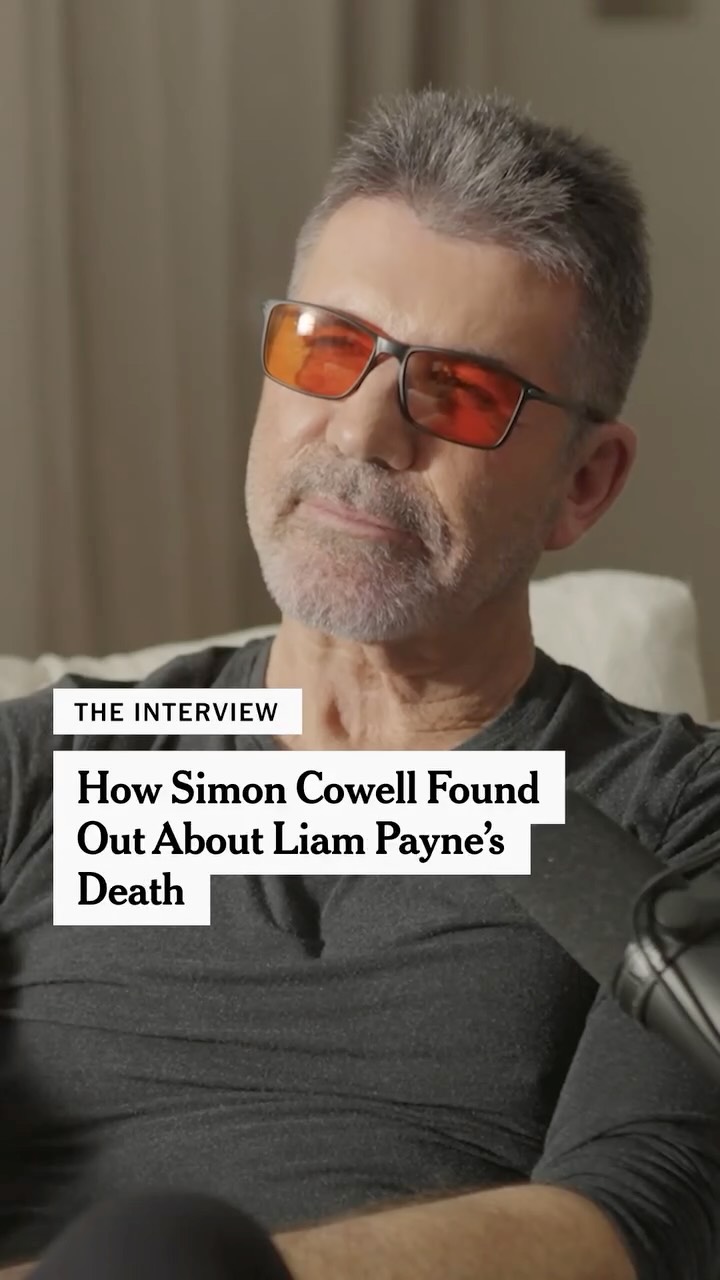
@nytmag Simon Cowell discovered the singer Liam Payne on “The X Factor” talent competition and cast him in One Direction. In a conversation with “The Interview” host Lulu Garcia-Navarro, @simoncowell discussed how he learned about Payne’s death. Read, watch or listen to the full conversation at the link in our bio.

View original on Instagram

The edit1 shot · 6 text
Shots Text

Performance

Views
3.3M
Likes
32.9K
Comments
261
Engagement
1%
Outlier
24×

Video #10176 · Clip

Simon Cowell recalls hearing about Liam Paynefrom @nytmag

[01]

Overview

Simon Cowell recounts the emotional moment he learned of Liam Payne's death during a sit-down interview. He describes his shock, compares the feeling to losing his father, and reflects on a meeting with Liam a year prior, supported by archival footage of that interaction. He concludes by discussing the complexities of managing artists and the limits of professional oversight regarding personal struggles.

[02]

Simple outline

  1. 1Recount tragic discovery moment
  2. 2Contrast with positive memory
  3. 3Address responsibility for struggles
  4. 4Define professional limitations

[03]

Related videos

[04]

Classification

Format
Concepts
Ask an ExpertQ&A ResponseVulnerable Monologue
Elements
B-Roll CutawayJump CutText Overlay
Account

[05]

Hook analysis

What stops the scroll in the first 3 seconds

Title hook · 55%

How Simon Cowell Found Out About Liam Payne's Death

Verbal hook · 40%

Can you tell me how you heard and and then what you did to sort of process the loss?

Visual hook · 5%

High-quality close-up of Simon Cowell wearing orange-tinted glasses with a serious expression, overlaid with a prominent headline graphic.

[07]

Hook and payoff

The promise the opener makes, and how the video pays it back

Hook

The Direct Emotional Inquiry: A probing question asks the subject to walk through the specific moment of processing a major loss.

Payoff

The Resigned Reflection: A final admission of wishing to change the past, tempered by the acceptance that their role had inherent limitations.

[08]

Narrative framework

The structural pattern this video runs on

Framework

The Crisis Reflection Arc

A high-status figure navigates a public tragedy by balancing personal vulnerability with professional boundary-setting.

  1. 1

    The Visceral Recall

    The subject grounds the narrative in the exact sensory details of where they were and how they felt when receiving the news.

  2. 2

    The Empathy Bridge

    The focus shifts from the subject's own shock to an immediate desire to comfort the victim's family, establishing moral character.

  3. 3

    The Tragic Contrast

    A flashback to a recent, positive memory is shared to juxtapose the tragedy with a hopeful reality that existed just prior.

  4. 4

    The Accountability Challenge

    The narrative pivots to the 'dark side' of the story, asking the subject to admit what they knew about the victim's struggles.

  5. 5

    The Role Delineation

    The subject defines the specific limits of their professional influence (e.g., label vs. manager) to explain why they couldn't intervene further.

Themes

  • Grief and loss
  • Celebrity relationships
  • Mental health in fame
  • Reflection

Techniques

  • Archival footage flashback
  • Jump cuts
  • Lower third graphics

Trends

  • Celebrity interview clips
  • Podcast excerpts

Post caption

Simon Cowell discovered the singer Liam Payne on “The X Factor” talent competition and cast him in One Direction. In a conversation with “The Interview” host Lulu Garcia-Navarro, @simoncowell discussed how he learned about Payne’s death. Read, watch or listen to the full conversation at the link in our bio.

Text overlays

  • branding · beginning

    THE INTERVIEW

  • title · beginning

    How Simon Cowell Found Out About Liam Payne's Death

  • contextual · beginning

    Simon Cowell TV JUDGE AND MUSIC EXECU...

  • contextual · beginning

    Lulu Garcia-Navarro HOST OF "THE INTERVIEW" NEW YORK TIMES

  • branding · end

    The Interview

  • branding · end

    The New York Times

Transcript

Can you tell me how you heard and and then what you did to sort of process the loss? Somebody who works with me very close, came into my, room. I was up in the North Of England, and I could tell from the look of her face that she was upset, and, you know, she said that, you know, sit down, and she told me, and it was like, woah. It's a bit like I felt when I heard the news about when my dad passed away, it's just a shock, total shock and a surprise And, at that point you're kind of, you're not really thinking clearly better than I just remember saying I really need to speak with mum and dad can you get tier on the phone as soon as possible please? Because I no, oh Good, I mean, you no, as a parent, you no, what that must have you know, felt like, and I knew his mum and bad, and I wanted to reach out in that moment, you know, just to say, you know, how I best. Okay, it was just awful, awful. And, you know, I'd seen him like a year before in this room, you know, and I remember seeing him walk into this room and I looked at him and went, God you look amazing, Liam, you know, you look great, what have you done? Well, I'm going to the gym, and blah blah blah, we talked about his son, and, you know, how much it means to be a bad. That's why I was so shocked and surprised when I heard the news, you no. Since that happened, there's been a lot of reporting on One Direction, what happened while they were banned, the sort of drugs, the alcohol. He, you know, talked about sort of struggling. Did you know about that at the time? A little bit. And we, you no, there was stuff I I never would have spoken about, you know, then, you know, which was private, conversations I had rank advice I tried to give him, which is what comes with fame, you know, better, etcetera. But, you know, like we talked when you're signing a lot of artists, and when you sign an artist, you know, my role is essentially get them with the right production team, get the managers, and try and make them successful. You always say you're available as and when you need to be, but you can't follow them everywhere. Rank, if I could go back in time to that one day when he was in my house here, then obviously, you know, you always think about things like that. What if I'd said this? What if I'd said that? But I'm not a manager, which means my job is to run the label. And you just hope that they are, first of all, successful and happy.