@artificial.isabel
Instagram · Carousel
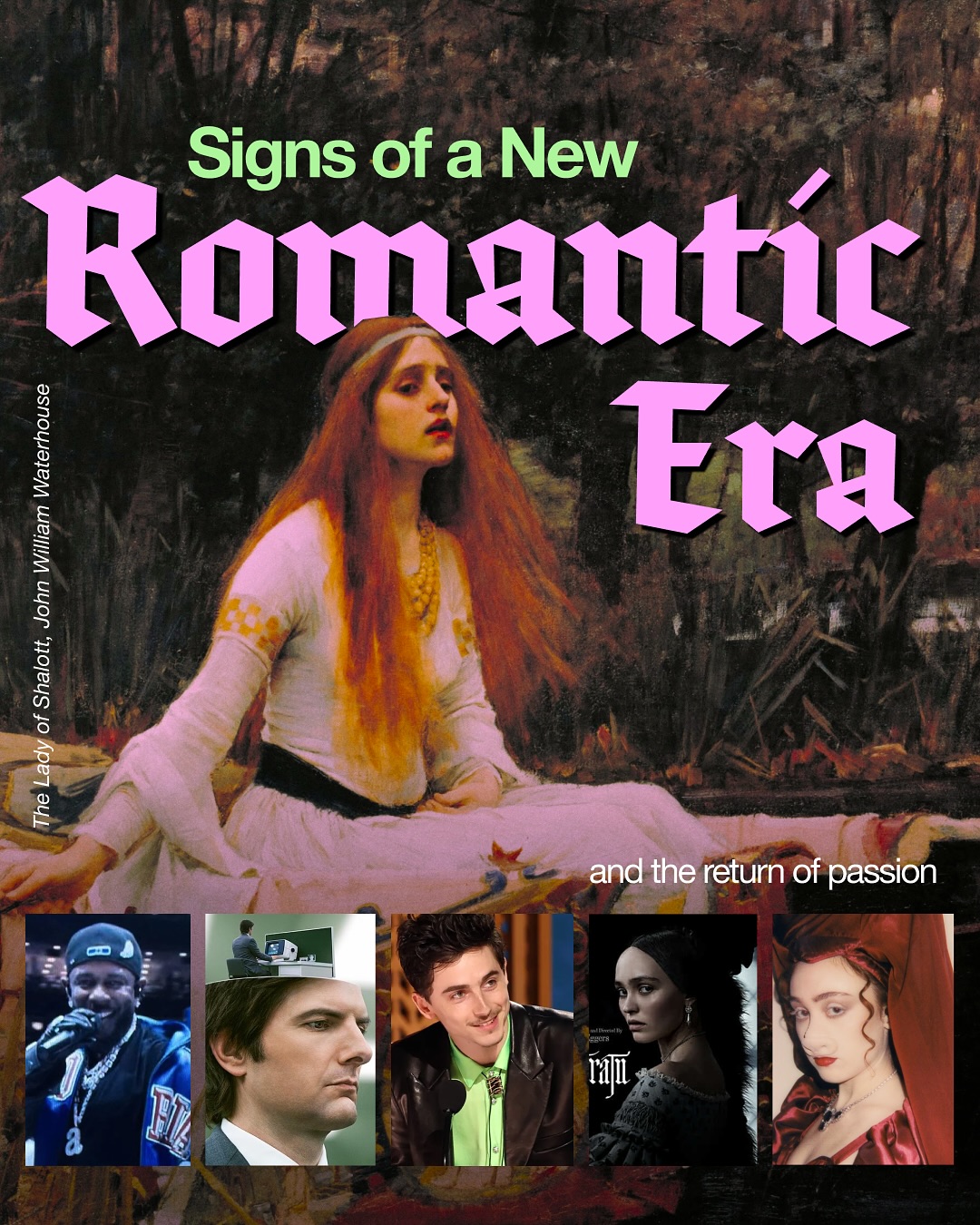
@artificial.isabel more notes on romanticism (extended aesthetic edition). should i start a substack? #newromantics #arthistory #trends #worldbuilding #cultureshift

@artificial.isabel
Instagram · Carousel
@artificial.isabel more notes on romanticism (extended aesthetic edition). should i start a substack? #newromantics #arthistory #trends #worldbuilding #cultureshift
Performance
Video #13705 · Carousel
[01]
This 11-slide carousel post presents a cultural analysis arguing for the emergence of a 'New Romantic Era.' It draws parallels between the historical Romantic movement's reaction to industrialization and a contemporary backlash against big tech, AI, and rationalism, advocating for a return to passion, creativity, and individuality.
[02]
[03]
 188.5KAesthetic guide to romanticizing life.@hiimlialol · Guide Carousel
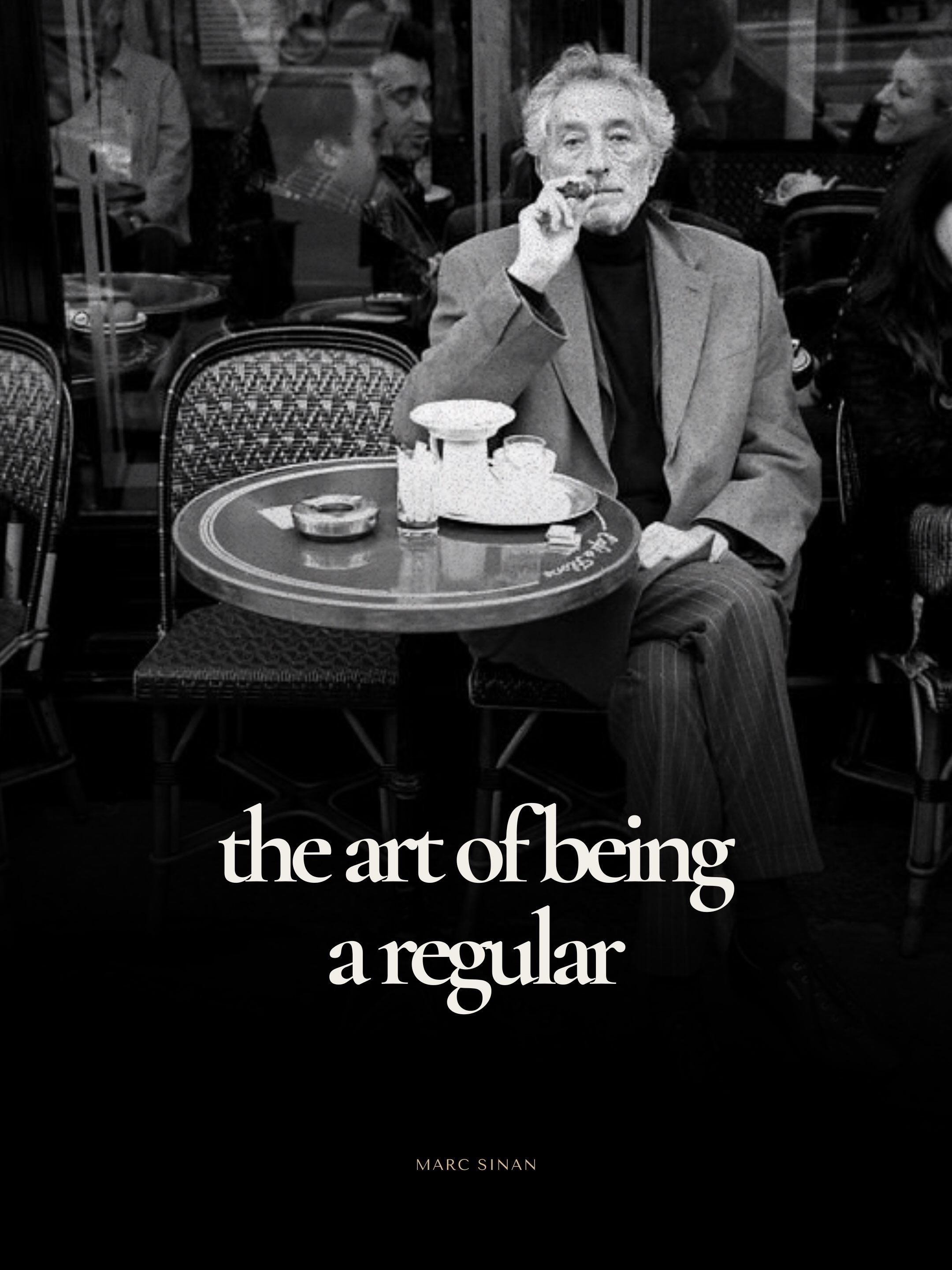 531.5KA photo essay on cafe culture@themarcsinan · Editorial Carousel
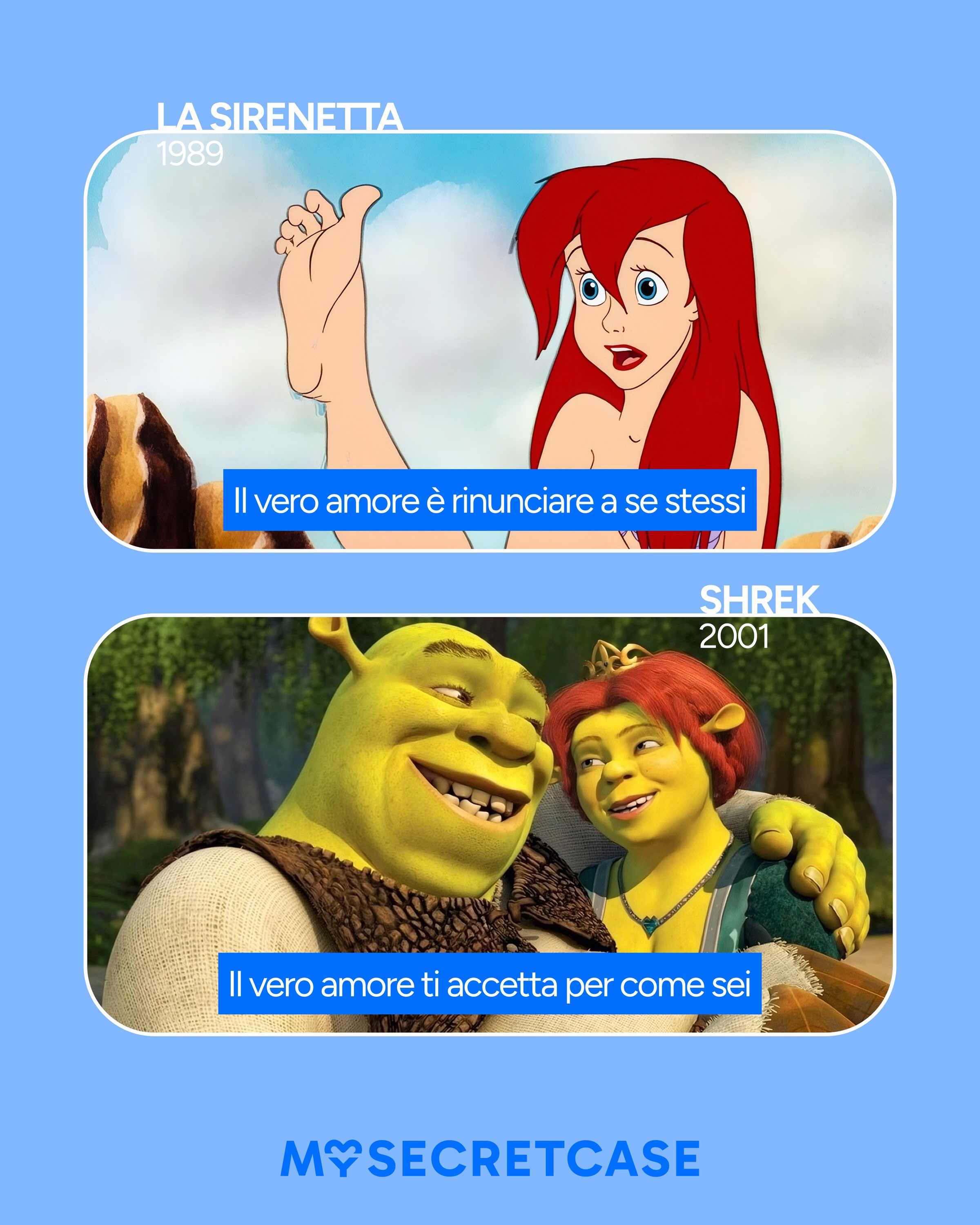 680.2K2.9×Animated movie messages then vs now@mysecretcase · Evolution Showcase
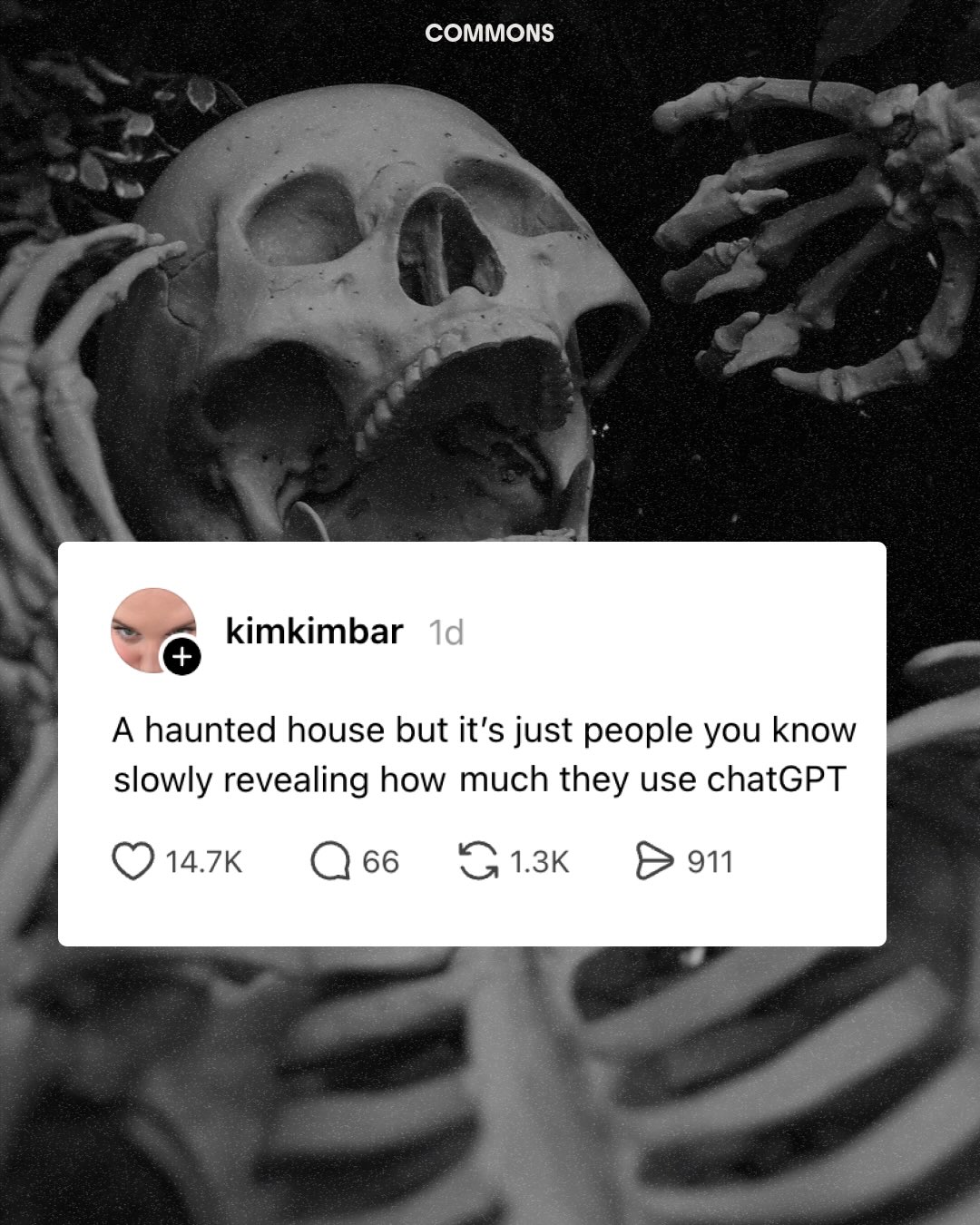 726.6K73.7×Spooky Halloween social commentary memes@commonsearth · Screenshot Carousel
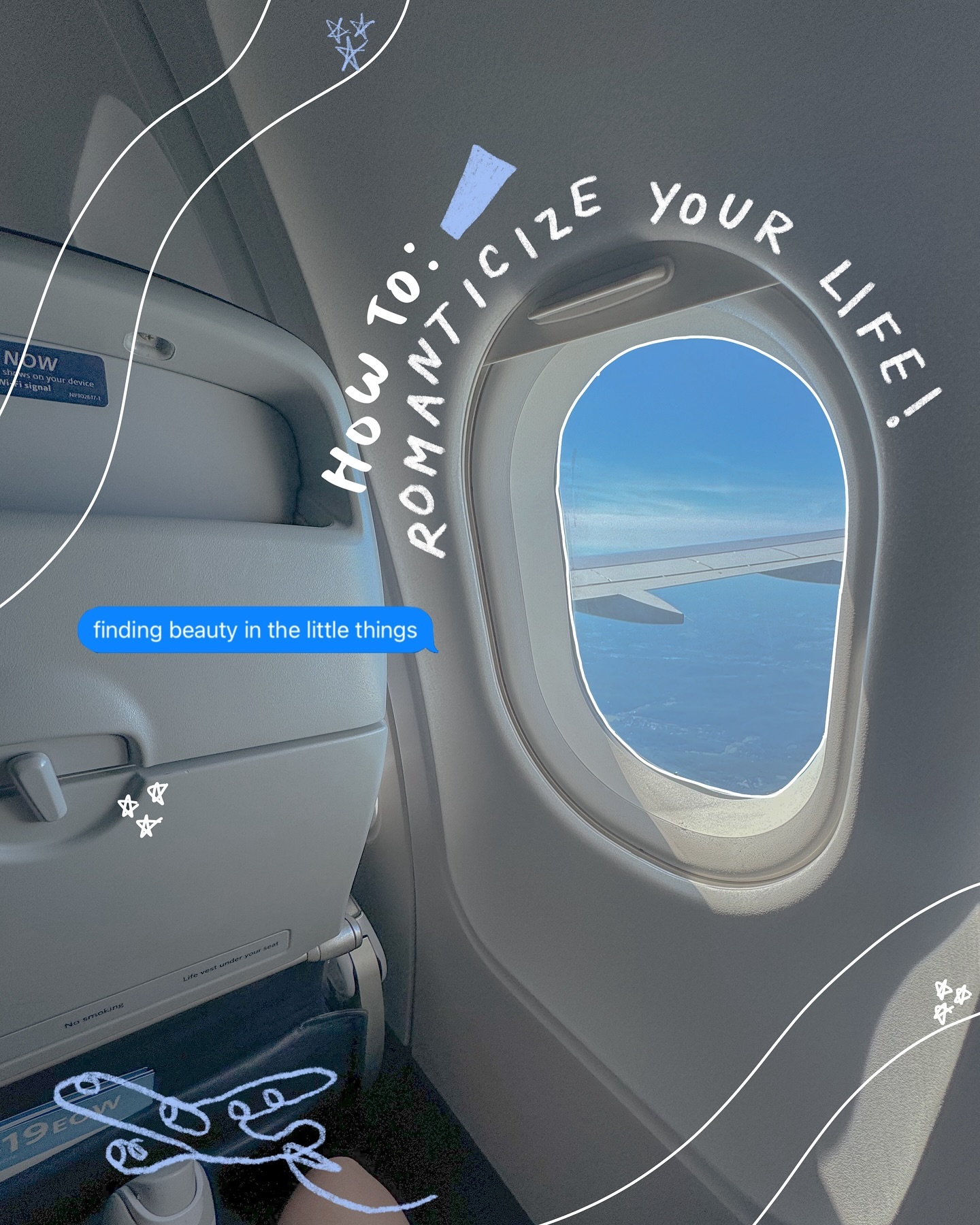 229.2KInspirational guide to romanticizing life.@hiimlialol · Guide Carousel
 325.8KMarketing strategy photo essay carousel@yaw_majesty · Statement Carousel
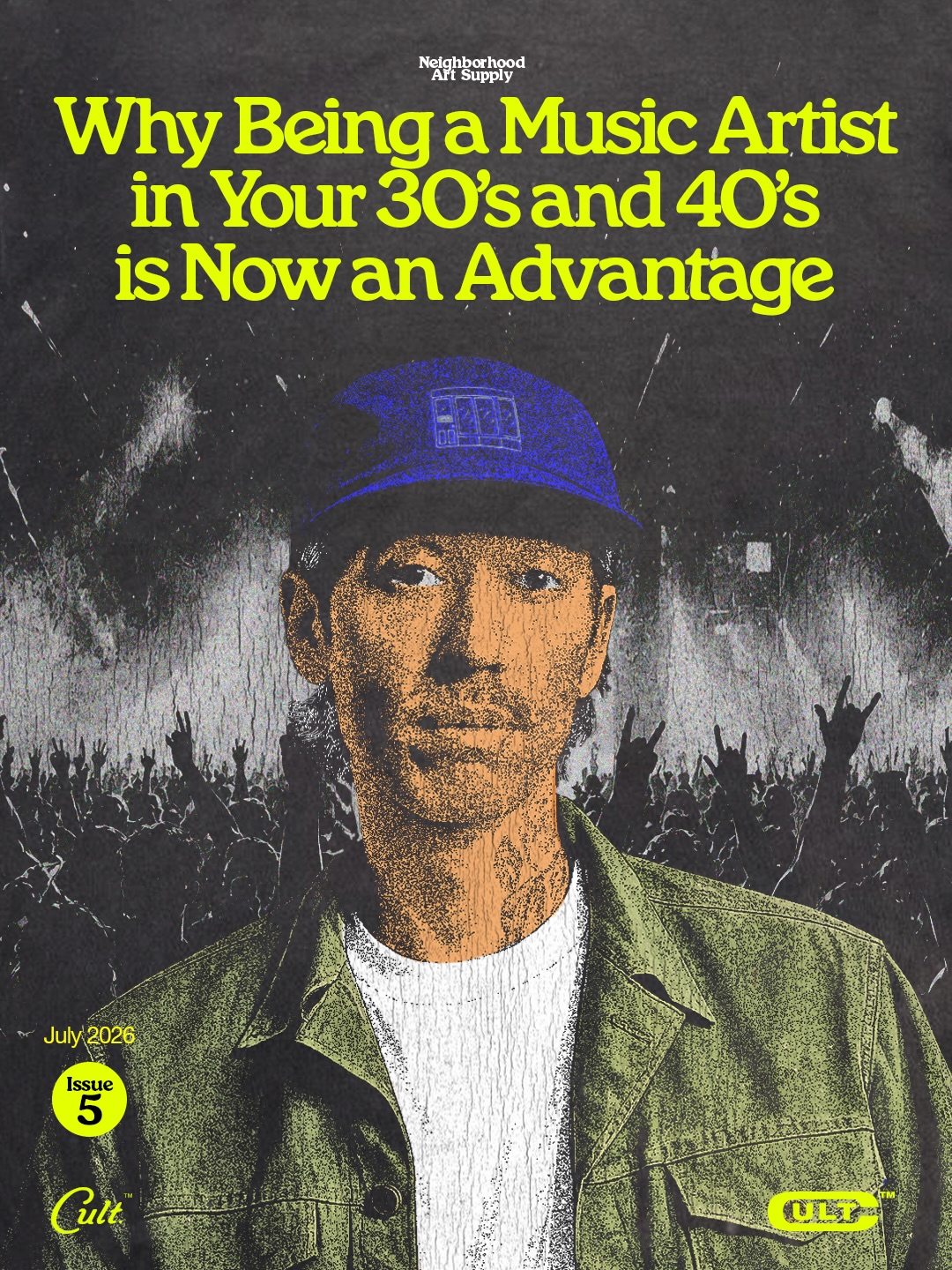 179.6K3.5×Retro-style carousel about older musicians@neighborhoodartsupply · Editorial Carousel
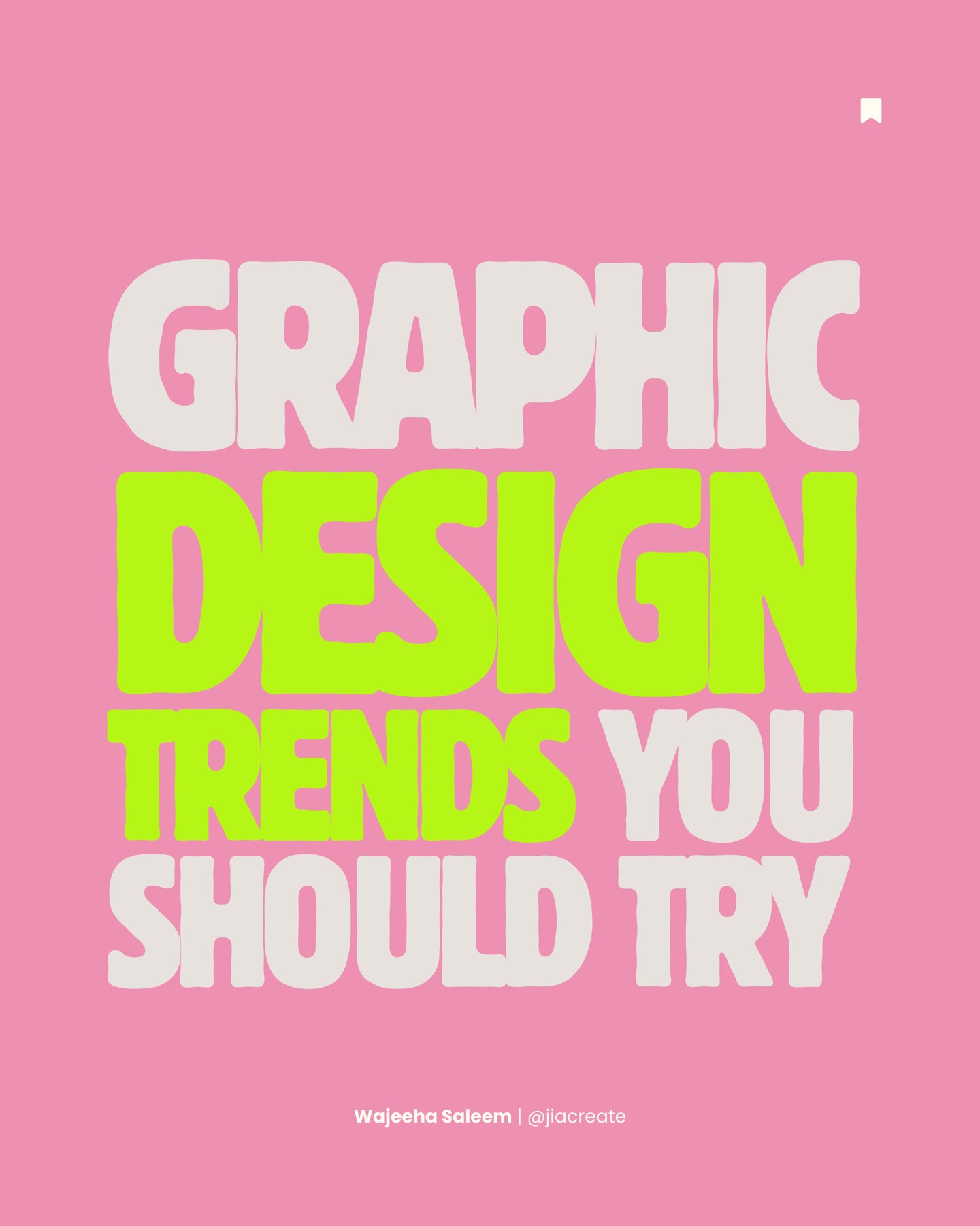 346.4K232.6×Graphic design trends list carousel@jiacreate · Guide Carousel
 102.4KGraphic design trends photo carousel@jiacreate · Guide Carousel
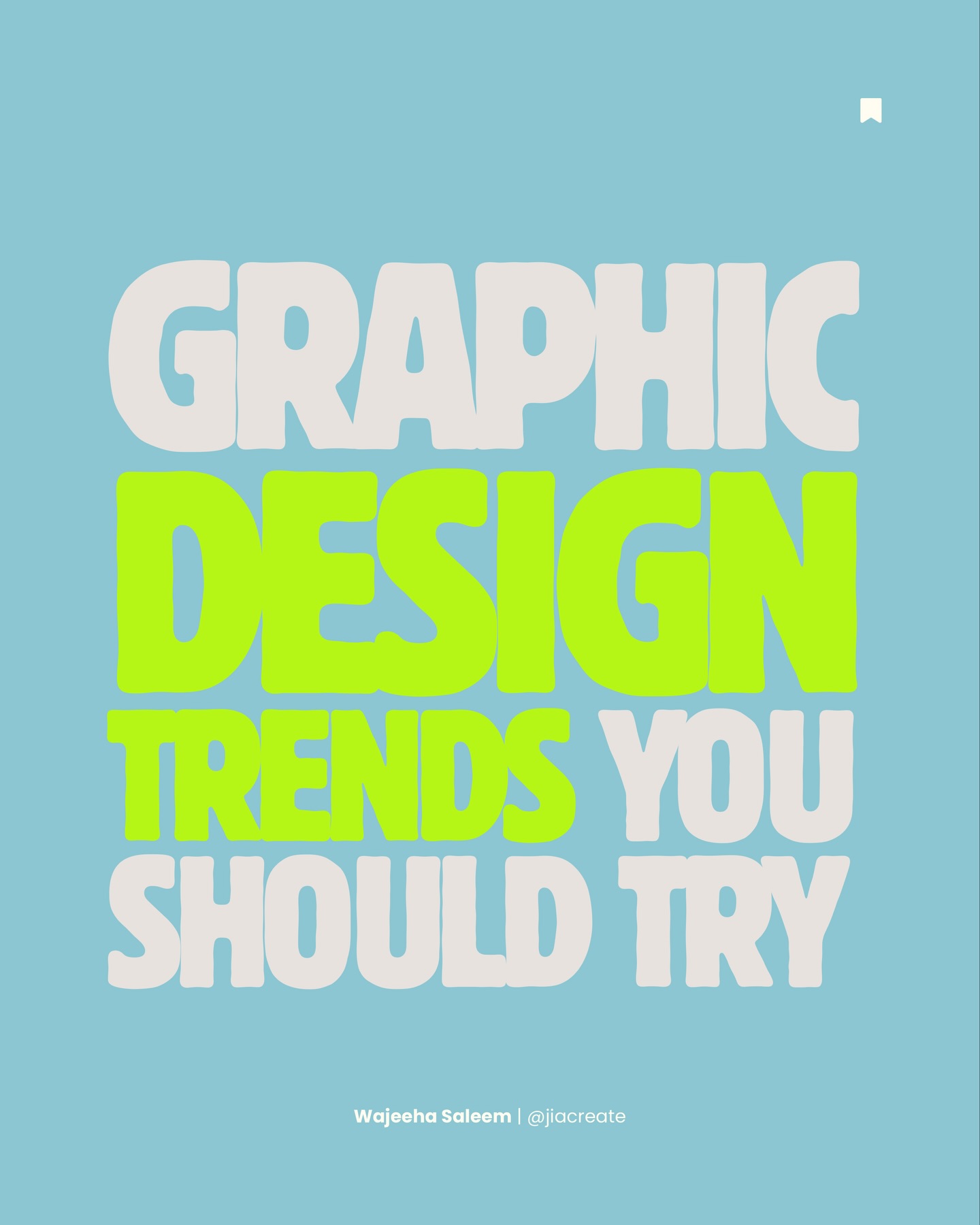 350.9K235.7×Graphic design trends educational carousel@jiacreate · Guide Carousel
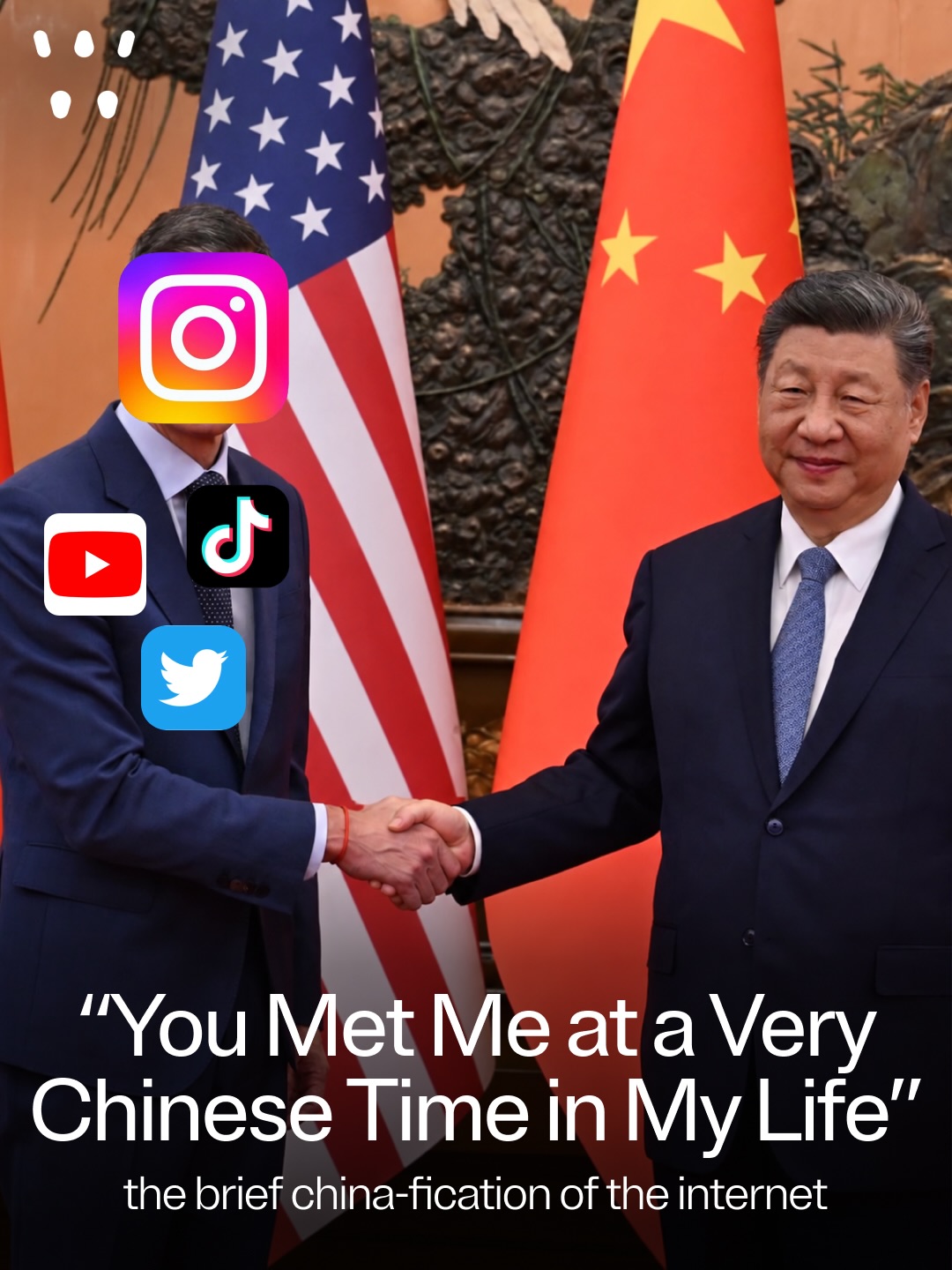 385.4K16.5×Investigative carousel on Chinese internet trends@welcome.jpeg · Editorial Carousel
 249K38.7×Nostalgic character Halloween costume ideas@sonderhaus.studios · Inspo Lookbook
[04]
[05]
What stops the scroll in the first 3 seconds
Title hook · 35%
Signs of a New Romantic Era
Verbal hook · 15%
should i start a substack?
Visual hook · 50%
The striking visual contrast between a classical Pre-Raphaelite painting and a bold, pink gothic font creates an immediate aesthetic clash that grabs attention. This juxtaposition of old and new visually encapsulates the post's central theme.
[06]
Steal this for your own video
We are entering a era, and here are the signs.
[07]
The promise the opener makes, and how the video pays it back
Hook
A bold, aesthetic declaration of a new cultural era or macro-trend, setting a high-level, intellectual tone.
Payoff
A poignant, emotional quote or philosophical statement that validates the human need for this new era, leaving the reader inspired and ready to share.
[08]
The structural pattern this video runs on
Framework
The Historical Pendulum Thesis
Validates a modern cultural shift by drawing a direct, side-by-side parallel to a major historical movement, using 'Then vs. Now' comparisons to prove the trend is an inevitable cycle rather than a fleeting fad.
The Paradigm Shift
A clear 'In vs. Out' list that grounds the abstract thesis in recognizable, everyday modern behaviors and micro-trends.
The Historical Anchor
Introduces a past era that perfectly mirrors our current societal disillusionment, establishing the author's intellectual authority.
The Antagonist Mapping
A side-by-side 'Then vs. Now' comparison of the systemic villains causing the cultural fatigue in both eras.
The Cultural Symptom
A single, highly relatable quote, meme, or phrase that perfectly encapsulates the modern frustration.
The Counter-Movement
Defines the historical solution or rebellion, explaining its core philosophy as the antidote to the previous slides' villains.
The Manifestation Mapping
Another 'Then vs. Now' comparison, this time showing how the historical rebellion translates into modern pop culture, media, and habits.
The Juxtaposition
Contrasts a mundane modern phrase with a profound historical excerpt to highlight the depth of what society is currently craving.
The Nuance Caveat
Explores the 'dark side' or extreme logical conclusion of the trend to demonstrate objective, critical thinking rather than blind cheerleading.
The Macro Theory
Zooms out to frame the entire shift as an inevitable, repeating swing of the 'cultural pendulum' between two opposing human states.
more notes on romanticism (extended aesthetic edition). should i start a substack? #newromantics #arthistory #trends #worldbuilding #cultureshift
title · photo_0
Signs of a New Romantic Era
contextual · photo_0
and the return of passion
contextual · photo_0
The Lady of Shalott, John William Waterhouse
title · photo_1
The Culture is Shifting
informational · photo_1
out chronically online brainrot microtrends doomscrolling ai slop false authenticity nonchalance
informational · photo_1
in IRL worldbuilding personal style substack craft creative fiction passion
title · photo_2
Big Tech is Out
informational · photo_2
In the 1600s, the West entered it's Enlightenment era and Rationalist thinking had a chokehold on society. Reason and logic overcame mysticism. The industrial revolution brought about mass job instability. The world was becoming more efficient and rational, yet the people yearned for more; to feel human again. We are going through a comparable explosion of technological advancement. And with the disillusionment of modern rationalist myths (hustle culture, STEM salvation), tech flops (NFTs, the metaverse, VR, chatgpt ghibli, Elon), we're also facing a skepticism towards its promise of progress. Our lives are exponentially more connected and convenient, yet feel emptier than ever before.
informational · photo_3
The Villains Then Mass industrialisation Pollution, deforestation, urban sprawl Machines replacing skilled labor Efficiency over artistry The Machine Age
informational · photo_3
The Villains Now Big tech and the technocrats Surveillance capitalism and data mining Generative AI slop Content over creativity The Algorithmic Age
contextual · photo_4
“My kid could have AIed this.”
title · photo_5
Romance is In
informational · photo_5
In the late 18th century, Romanticism arose in response. It was an artistic movement that rejected the cold rationalism of modernity and reclaiming what made people human- our feelings. Artists glorified the individual experience, intensity of passion, intuition, and our place in nature.
contextual · photo_5
“Romanticism is precisely situated neither in choice of subject nor exact truth, but in the way of feeling”.
informational · photo_6
Romanticism Then A Return to Nature New era of poetry and music as a spontaneous overflow of powerful feelings Keats, Byron, Wordsworth, Hemans, Wagner, Beethoven, Berlioz Gothic, Horror, The Sublime Medieval Nostalgia The Occult Frankenstein and the birth of sci-fi Luddites burning factories etc.
informational · photo_6
Romanticism Now Touch Grass New era of unapologetic personality and storytelling in music Kendrick Lamar, Chapell Roan, Tyler the Creator, Charli xcx, Body horror, Dark Academia, Magic Realism Analogue Nostalgia Astrology, Tarot Sci-fi resurgence (Severance, Dune) Digital Detox, Brick your phone etc.
contextual · photo_7
“wanna grab a drink?”
informational · photo_7
O, for a draught of vintage! that hath been Cool’d a long age in the deep-delved earth, Tasting of Flora and the country green, Dance, and Provençal song, and sunburnt mirth! O for a beaker full of the warm South, Full of the true, the blushful Hippocrene, With beaded bubbles winking at the brim, And purple-stained mouth; That I might drink, and leave the world unseen, And with thee fade away into the forest dim:
title · photo_8
Main Character Syndrome
informational · photo_8
The way we tie an artist to their work now is arguably a legacy of the Romantic movement. In previous eras, art generally was about formal beauty, and depicted the grand narratives of society. Romantics popularised the idea that art should be an expression the individual’s subjective experience of the world. We’re seeing a return to individuality now. Blandness is over, creativity is back. Micro trends are low status, and everyone on the internet is finding their personal brand. It’s a slippery slope. Placing excessive importance on the subjective experience at best manifests in insufferable pick me personalities and main character syndrome. But 200 years ago its darker side gave rise to anti intellectualism, scientific distrust, nationalism, and even fascism.
title · photo_9
The Cultural Pendulum
informational · photo_9
Classics / Romantics Ethos / Ego Apollo / Dionysus Each era attempts to retaliate against the hubris of the last. The pendulum has swung. Cynicism is out. Romance is back.
contextual · photo_10
Medicine, law, business, engineering, these are noble pursuits, and necessary to sustain life.
contextual · photo_10
But poetry, beauty, romance, love, these are what we stay alive for.